 Adobe Stock
A deadly spread of flu is sweeping across Scotland, with health experts urging those eligible to get vaccinated.
Public Health Scotland data showed flu cases between December 1 and 7 rose from 1,875 to 2,331 – a 24% increase.
Hospital admissions due to influenza increased 15% from 860 to 986 over the week.
The highest case rates were observed in younger age groups, especially school-age children.
The uptick in cases, said to be caused by a new mutated version of the virus, has taken place at an earlier time than in previous flu seasons.
The H3N2 “subclade K”, nicknamed “super flu”, is a type of seasonal influenza A virus.
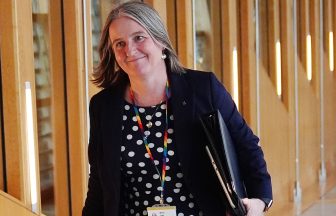
Scotland’s health secretary has now warned that the flu jab is the “most important protection” that people can take.
Who is eligible for the flu vaccine in Scotland?
The flu vaccine is offered to adults who are most at risk of getting seriously ill from flu.
Older adults and people with certain health conditions are more at risk of flu-related complications and need extra protection, even if their health condition is mild or well-managed.
You’ll be offered the flu vaccine this year if you’re:
- aged 65 and over
- aged 18 to 64 with an eligible health condition
- pregnant
- living in a long-stay residential care home or other long-stay care facility
- living with someone who has a weakened immune system
- an unpaid or young carer
- a frontline health or social care worker
- a non-frontline NHS worker
- a poultry worker or bird handler
- an asylum seeker living in a home office hotel or B&B accommodation
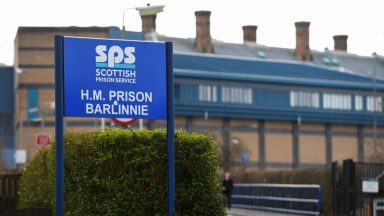
experiencing homelessness or substance misuse - living in a Scottish prison
How is the vaccine given and how does it work?
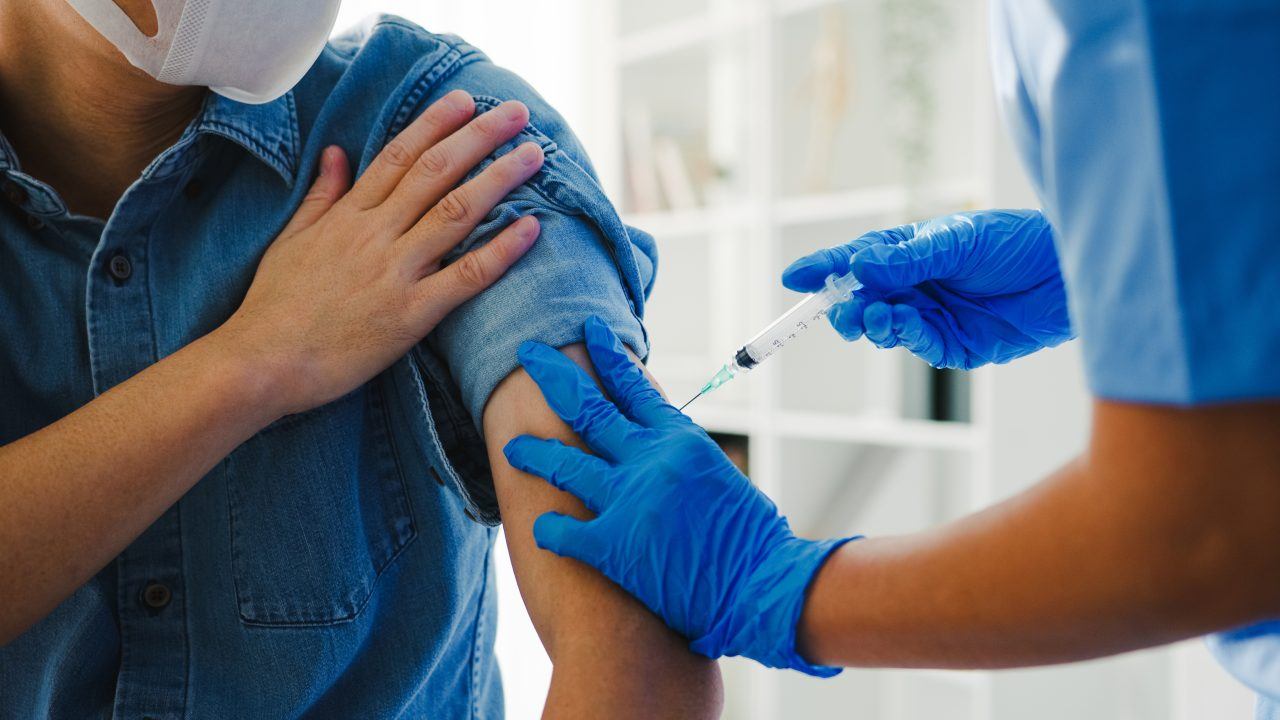
According to NHS Inform, the flu vaccine will be given as an injection in the upper arm, and only one dose of the flu vaccine is needed each flu season.
NHS guidance adds: “Flu vaccines help protect against the main types of flu viruses that are expected to be circulating in winter.
“Those getting vaccinated must do so every year because flu viruses are constantly changing.
“A different vaccine is made every year to ensure the best protection against the latest types of flu.
“It works by teaching your body’s immune system how to protect itself from flu. Once you get the vaccine, it takes around ten days for the vaccine to work. The flu vaccine itself cannot give you the flu.
“A number of health boards in Scotland have already mandated the use of face masks for staff and visitors to hospitals and community settings.”
Which health boards are asking people to wear face masks in Scotland?
NHS Highland and Argyll and Bute staff have introduced measures mandating all staff and visitors to wear a protective face mask.
Meanwhile, a decision was made to halt hospital visits in NHS Ayrshire and Arran due to a rise in cases last week.
The health board confirmed it is now starting to allow more flexible visiting, encouraging all patients to wear masks.
NHS Greater Glasgow and Clyde also said it is encouraging, but not mandating visitors to wear masks while on hospital premises.
NHS Forth Valley and NHS Western Isles have also introduced face mask measures for staff, but visitors are only encouraged to wear masks.
NHS Grampian has urged visitors to the Royal Aberdeen Children’s Hospital to wear masks due to a rise in respiratory illness cases, including both flu and Respiratory Syncytial Virus (RSV).
However, they said they do not have a blanket policy in place on masks for all hospitals.
NHS Dumfries and Galloway reintroduced face coverings for staff working in clinical areas earlier this month.
Visiting across all inpatient wards is restricted, and visitors are being asked to wear face coverings where possible.
NHS Tayside said it is not asking staff, patients or visitors to wear masks, which will only be recommended in areas where there are confirmed respiratory cases or an identified increased risk.
NHS Lothian said it is not currently mandated, but encourages staff, patients, and visitors to wear masks as a precautionary measure in busy areas where there is a high turnover of patients.
NHS Shetland said it is not mandating the use but is taking a “risk-based approach” to restricting visitors, while NHS Borders took a similar approach.
STV News contacted NHS Fife, NHS Orkney and NHS Lanarkshire for comment.
Follow STV News on WhatsApp
Scan the QR code on your mobile device for all the latest news from around the country