 STV News
New guidance on single-sex spaces ensures the protection of “people’s rights across our country”, the equalities minister said as she laid the long-awaited code before Parliament.
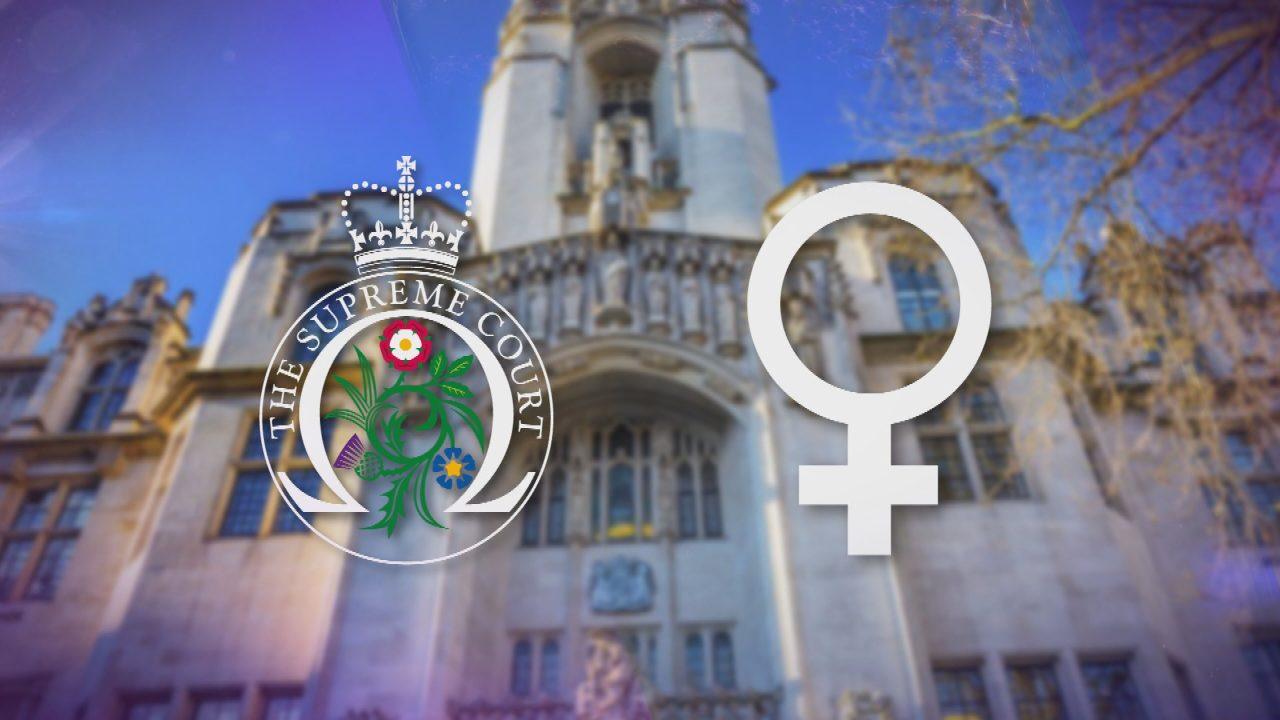
The updated guidance has been published more than a year after a landmark Supreme Court ruling in April 2025 which said the words “woman” and “sex” in the Equality Act 2010 refer to a biological woman and biological sex.
Women and equalities minister Bridget Phillipson said that ruling had “made it clear that sex means biological sex” under the Equality Act, “and that trans people are still protected by the Act”.
The Government said the new code “gives organisations clear, workable guidance which will enable them to take a pragmatic approach to protecting and serving the needs of our society” and supports service providers such as hospitals, cafes and leisure centres “in ensuring they can make practical, and ultimately sensible decisions for every day scenarios, such as toilet provision”.
While women’s rights campaigners said the publication of the code on Thursday must mark “an important turning point” in a long-running debate about sex and gender identity, trans rights activists have insisted trans people’s “participation in public life” must be protected.
The code of practice for services, public functions and associations, which runs to more than 300 pages, covers nine protected characteristics including age, sex, disability, race and gender reassignment, and has been updated in full for the first time since 2011.
It is aimed at guiding businesses and other organisations such as leisure centres and hospitals on how they can follow equality law, including in provision of single and separate-sex services such as toilets and changing rooms.
The newly published code confirms a service must be used on the basis of biological sex in order for it to be classed as single-sex under the Equality Act.
The guidance reads: “In separate or single-sex services, a trans man will be excluded from the men-only service because his sex is female, and a trans woman will be excluded from the women-only service because her sex is male.”
But the guidance also states that for use of facilities such as toilets, which the commission says are “necessary for everybody”, it would be “very unlikely to be proportionate to put a trans person in a position where there is no service that they are allowed to use”.
The guidance also suggests it can be deemed legitimate, in limited circumstances, to ask someone to confirm what their sex is if “there is clear evidence of an issue with members of the opposite sex accessing or seeking to access the single or separate-sex service or association”.
The code states: “Evidence of such concern might include the individual’s physique or physical appearance, behaviour or concerns raised by other service users.
“However, service providers, those performing public functions and associations must keep in mind that it is not always possible to be sure of a person’s sex from their appearance.”
If someone is asked to confirm their sex, it should be done “as sensitively as possible, and must respect their privacy”, the code states.
In doing so, a provider must consider factors including whether concerns have been raised by other service users and the “the nature of the service or facility in question”.
It is said to be “unlikely to be either practical or appropriate to approach any particular individual to make enquiries about their sex in relation to facilities, such as toilets, which are incidental to the primary service”.
When it comes to sport, the guidance confirms trans people “should not be included in single-sex or separate-sex competitions for the sex with which they identify”.
A draft code was handed to ministers by the Equality and Human Rights Commission (EHRC) last September and the Government has faced criticism for the delay in publishing it.
In the intervening period, Ms Phillipson had argued the Government was “taking the time to get this right” and said it was both important that “women have access to a single-sex provision” and that trans people “should be treated with dignity and respect”.
The Prime Minister’s spokeswoman reiterated this on Thursday, rejecting a suggestion it was choosing to publish on the last day before Parliament breaks up for recess in an attempt to bury bad news.
In response, the Downing Street spokeswoman said: “No, as I said, we’ve been focused on getting it right and ensuring duty bearers are able to uphold the law.”
Ms Phillipson, in a written statement to Parliament, said: “The current Code was produced in 2011 and there have been significant developments since then, including the Supreme Court ruling in For Women Scotland, resulting in the EHRC wanting to update the Code.
“Following last year’s Supreme Court ruling, the draft Code’s content on sex and gender reassignment has changed substantially from the 2011 version.
“The ruling made it clear that sex means biological sex for the purposes of the Equality Act 2010 and that trans people are still protected by the Act under the protected characteristic of ‘gender reassignment’.”
She added: “This government is proud of the Equality Act 2010 and will protect and uphold it; this Code is an important step in ensuring that organisations across Great Britain have clear guidance regarding its implementation, protecting people’s rights across our country.”
The code of practice, which would apply across England, Scotland and Wales has now been laid before Parliament for scrutiny from both MPs in the Commons and peers in the Lords.
It will not be enacted for 40 days.
While a vote would not be required to enact the code and make it statutory, either House could pass a motion to reject it within that period.
EHRC chairwoman Mary-Ann Stephenson previously said no-one is expecting there to be “toilet police” and suggested organisations with self-contained male and female toilets could make them unisex.
After the guidance was published, she acknowledged there are “strongly held views throughout our society” about balancing people’s rights in law, but described the code as providing “legally accurate, practical guidance” to service providers.
Follow STV News on WhatsApp
Scan the QR code on your mobile device for all the latest news from around the country