Girls in Scotland of Gambian heritage could face being taken abroad for Female Genital Mutilation if a legal bid to overturn the country’s decade-old ban succeeds, campaigners warn.
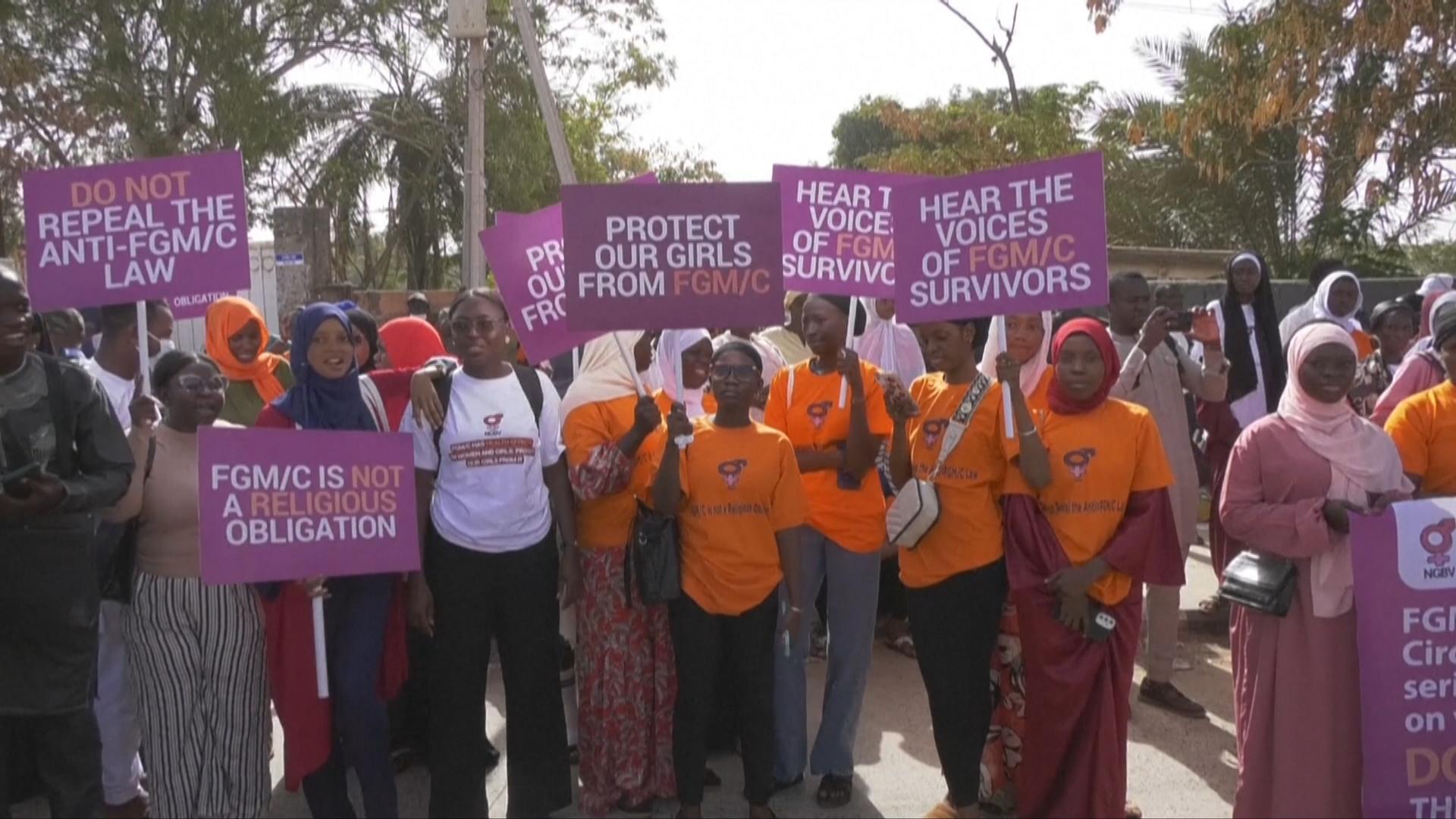
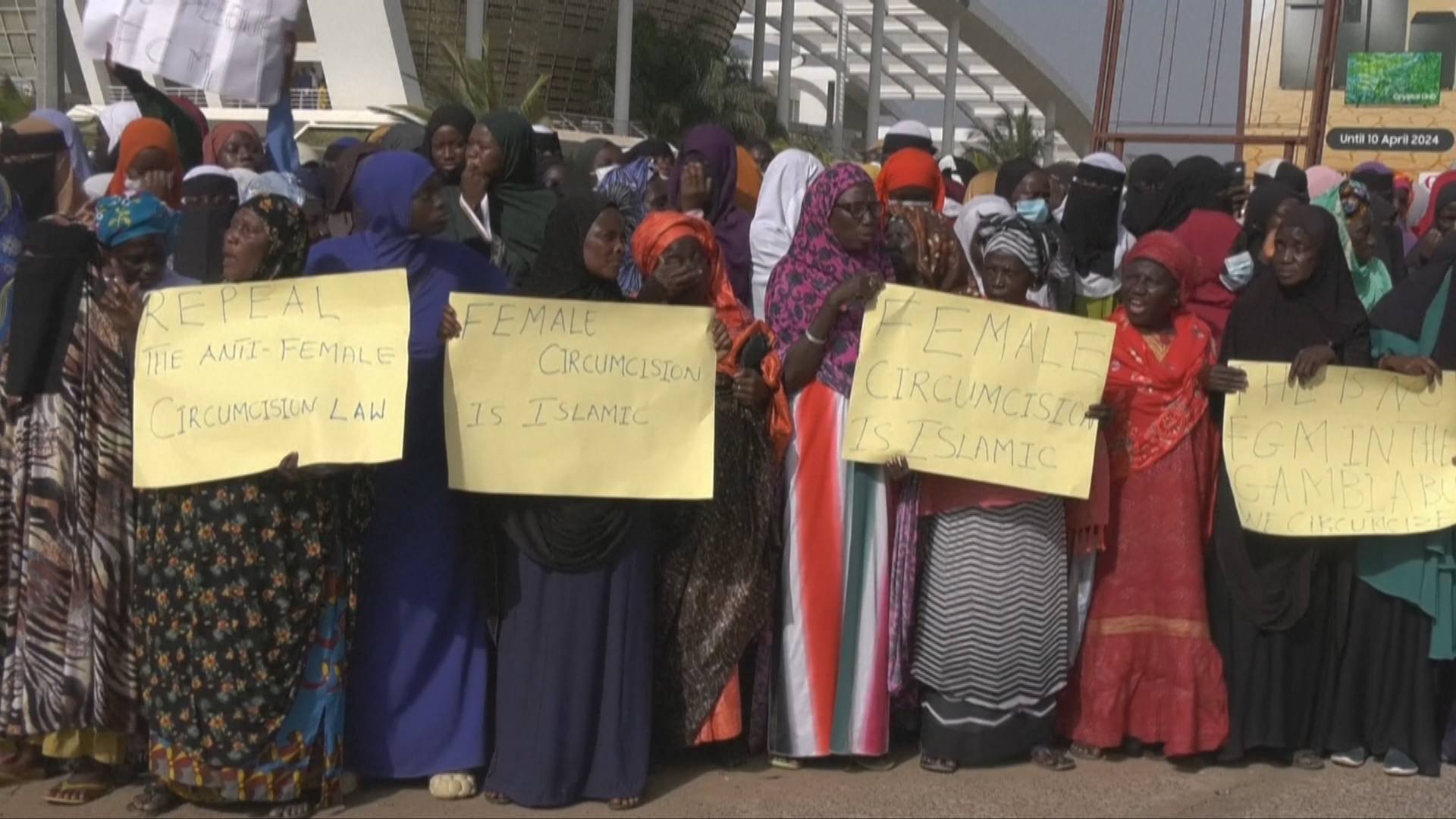
The practice, which was outlawed in the West African country in 2015, was nearly repealed after a controversial bill to scrap the ban in 2024.
The bill was rejected by the Gambian parliament – but a constitutional challenge was subsequently filed at the Supreme Court.
It comes after reports of two babies bleeding to death after undergoing FGM in the Gambia last year.
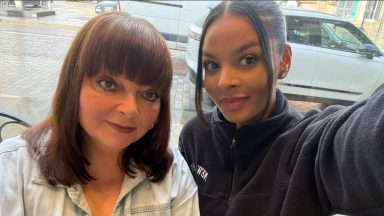
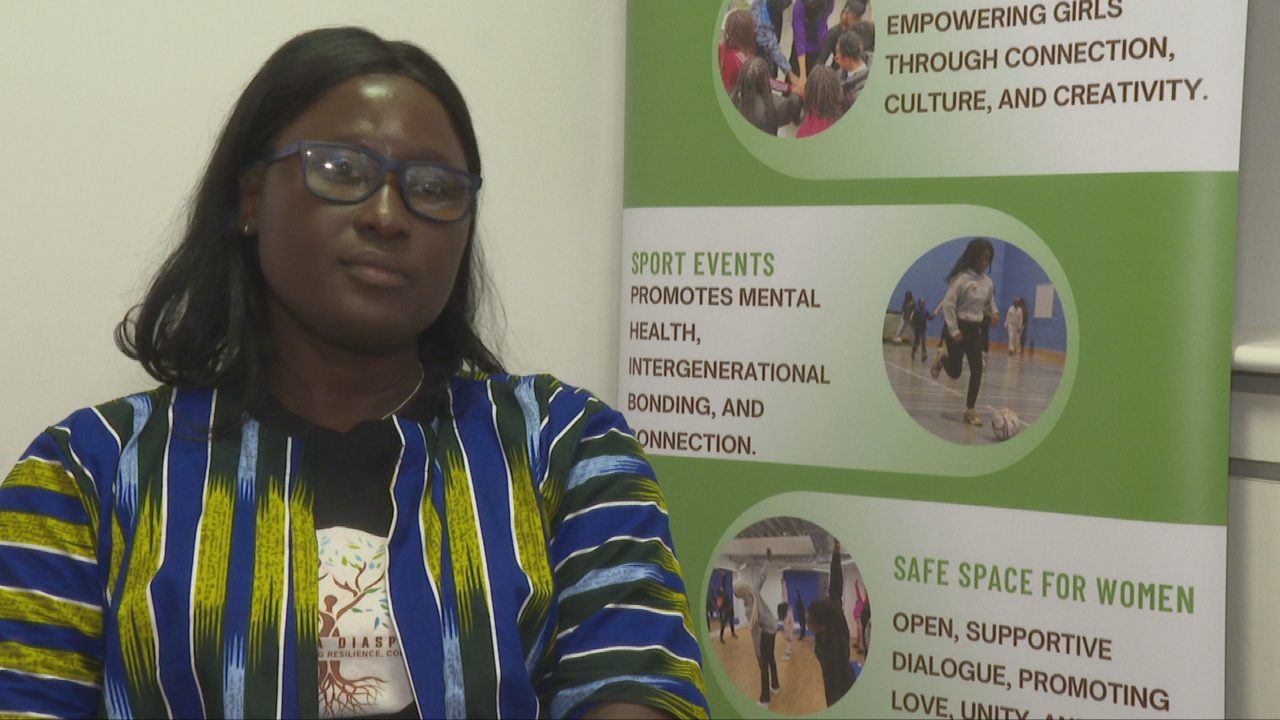
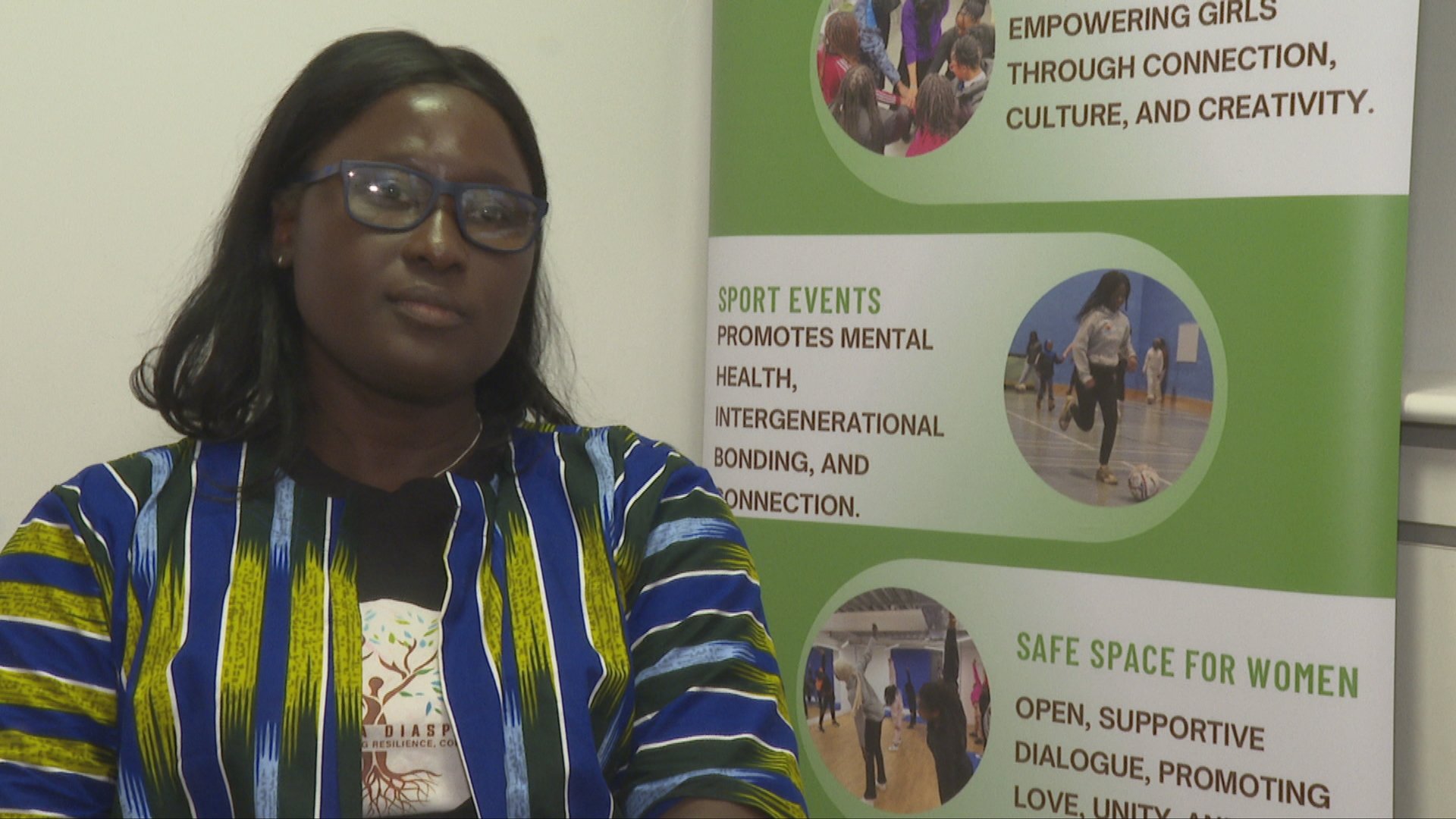
“Scottish children of Gambian descent face the risk of being cut when they go to the Gambia on holidays,” warned Mariam Jobarteh.
She is the founder of Fantanka Diaspora, a women-led organisation against gender-based violence.
 Getty Images
“Even if their parents don’t want them to be cut, their grandparents or extended family may feel entitled or have the authority to cut these girls.”
FGM is globally recognised as a form of gender-based violence.
The practice involves partial or total removal of the external female genitalia for cultural or religious reasons, often leading to long-term health complications.
The Gambia has one of the highest rates of FGM in the world. Around 73% of Gambian women and girls between 15 and 49 have undergone the procedure, UNICEF figures show.
 STV News
In Scotland, anyone found guilty of an FGM offence, including taking someone abroad for it, faces up to 14 years in prison.
According to health experts, FGM causes lifelong health complications, especially during childbirth.
As of 2017, 30,000 women from countries that performed FGM were living in Scotland.
Mariam was cut when she was just a baby.
“Even though I don’t remember my experience, I have witnessed times when six or seven-year-old girls – my age at the time – were subjected to FGM.
“Gambian women are saying ‘our pain threshold cannot accept this’. We are also saying ‘this is our body, listen to us.’
“Gambian women or African women don’t have the habit of openly expressing what they go through.”
In 2017, a team of researchers at Queen Margaret University led a programme to inform the Scottish Government on how to assist people living with FGM in Scotland.
 Getty Images
Honorary lecturer Oonagh O’Brien said: “Our main findings with the women was the health support – going through pregnancy in Scotland if you’ve had FGM, there are many problems you can face.
“All forms leaves scarring which means, for the women giving birth, can be a bit difficult. Now in Africa, there can be a lot of doctors that are skilled in that. But in Scotland, people are not skilled in that, so women didn’t have very good experiences in childbirth.”
In 2015, Scotland made it illegal for UK citizens and residents to take girls or women abroad to carry out FGM.
Oonagh said: “The other big issue is policing and criminalisation – teachers, police and social workers are trained on what should happen if they think a girl is going to be taken away from the country to have FGM performed on her.
“But many people from the community feel that it is being overdone sometimes and that they are being criminalised.
“For example, if they are going through airports, the airport border forces are trained to spot families taking girls out of the country and question them – and many people in the community support that but they feel it’s being done in a poor way.”
 STV News
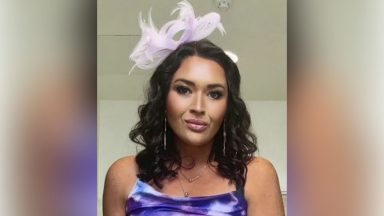
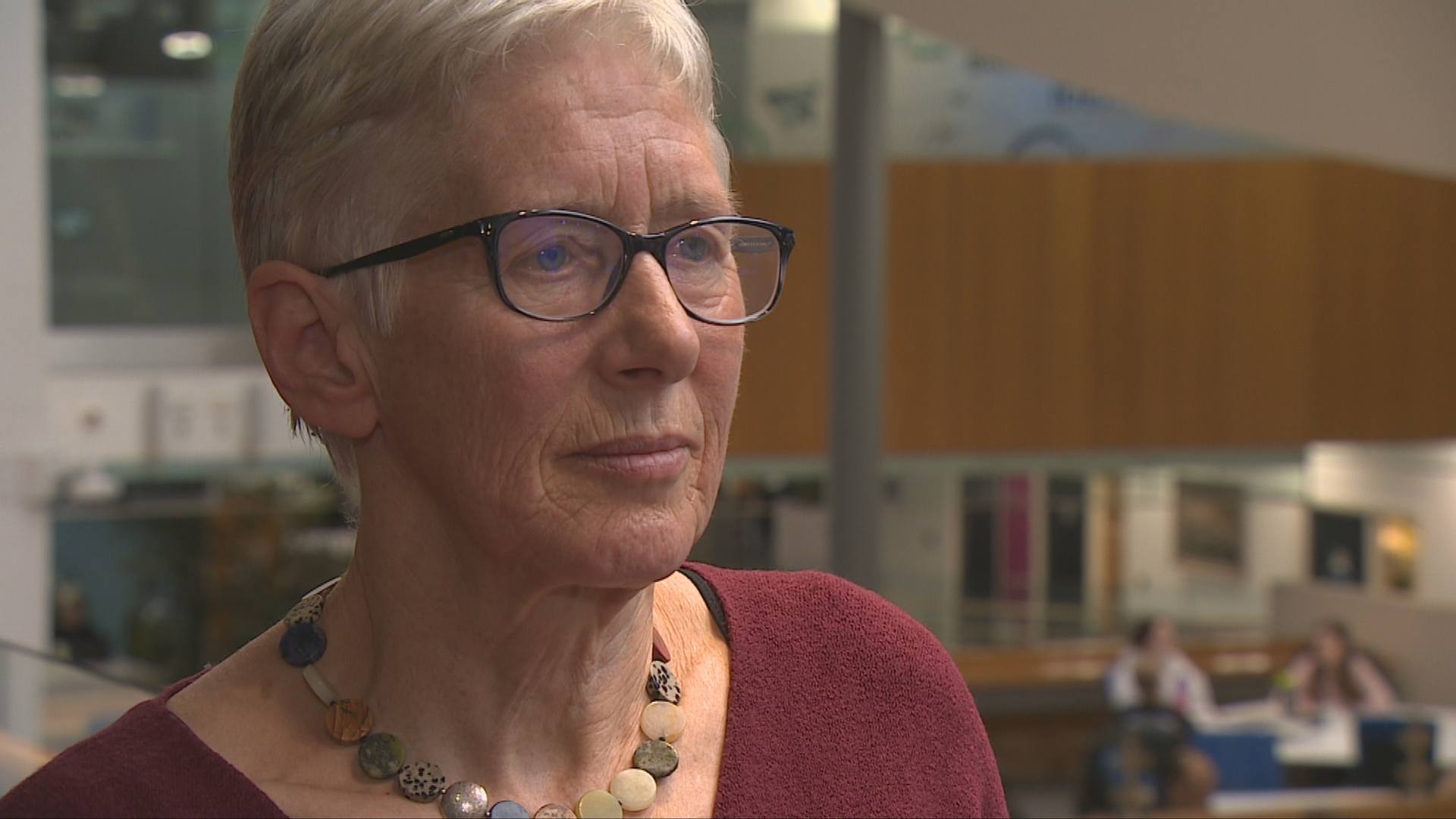
Fatou Baldeh MBE is a survivor of FGM and founder of Women in Liberation and Leadership, an organisation she started in Scotland. She is now based in Gambia to tackle FGM at a grassroots level.
“I have dealt with families who have come to Gambia from Scotland and other parts of the UK who have come to Gambia. Their families have asked for their daughters to be cut and in some cases, these women had to pack up and leave.
“I’ve had an incident where a woman reached out to me; she wanted me to meet her family and explain that she isn’t refusing to have her daughter cut, but if she did that, she will be sentenced to prison in Scotland.
“So, I had to go meet that family and explain this to them.”
Fatou warned that decriminalising FGM would set a precedence for other countries where the practice is banned.
“The Gambia is at a crossroads,” she said. “We know that there are many other countries that are advocating for a law to ban FGM. If the law is repealed here, the trickle-down effect will be that those countries cannot have those laws.
“If the ban is repealed, it will make Gambia a ‘paradise’ for people to bring their children and have them cut.”
Equalities Minister Kaukab Stewart said: “Female Genital Mutilation (FGM) is an abhorrent practice and has been illegal in Scotland since 1985.
“Under the Prohibition of Female Genital Mutilation (Scotland) Act 2005, it is illegal to carry out FGM either in Scotland or abroad.
“We continue to work closely with stakeholders to support and inform our work to address violence against minority ethnic women and girls, including the implementation of the Female Genital Mutilation (Protection and Guidance) (Scotland) Act. This Act will strengthen the existing legislative framework to offer extra protection to women and girls at risk of FGM.
“Through the Delivering Equally Safe fund, we are investing in projects with a specific FGM focus to raise awareness, and our aim is to have the Act fully implemented within 2026.”
Follow STV News on WhatsApp
Scan the QR code on your mobile device for all the latest news from around the country