 STV News
Scots living with a little-known neurological condition are calling for greater awareness and more funding for research into the disorder.
Functional neurological disorder (FND) affects an estimated 10,000 to 12,000 people in Scotland. However, those living with the condition believe the true figure could be higher due to the challenges of diagnosis, with many spending years searching for answers.
FND affects how the brain sends and receives signals, disrupting normal body function despite there being no structural damage to the brain.
FND is a problem with how the brain sends and receives signals, affecting body function without any physical damage to the brain’s structure.
Common symptoms include tremors, muscle spasms, mobility problems and non-epileptic seizures, even when scans and other tests show no physical damage.
People living with the condition say they are often misunderstood and accused of faking their symptoms.
‘I thought I was the only person living with FND’
 STV News
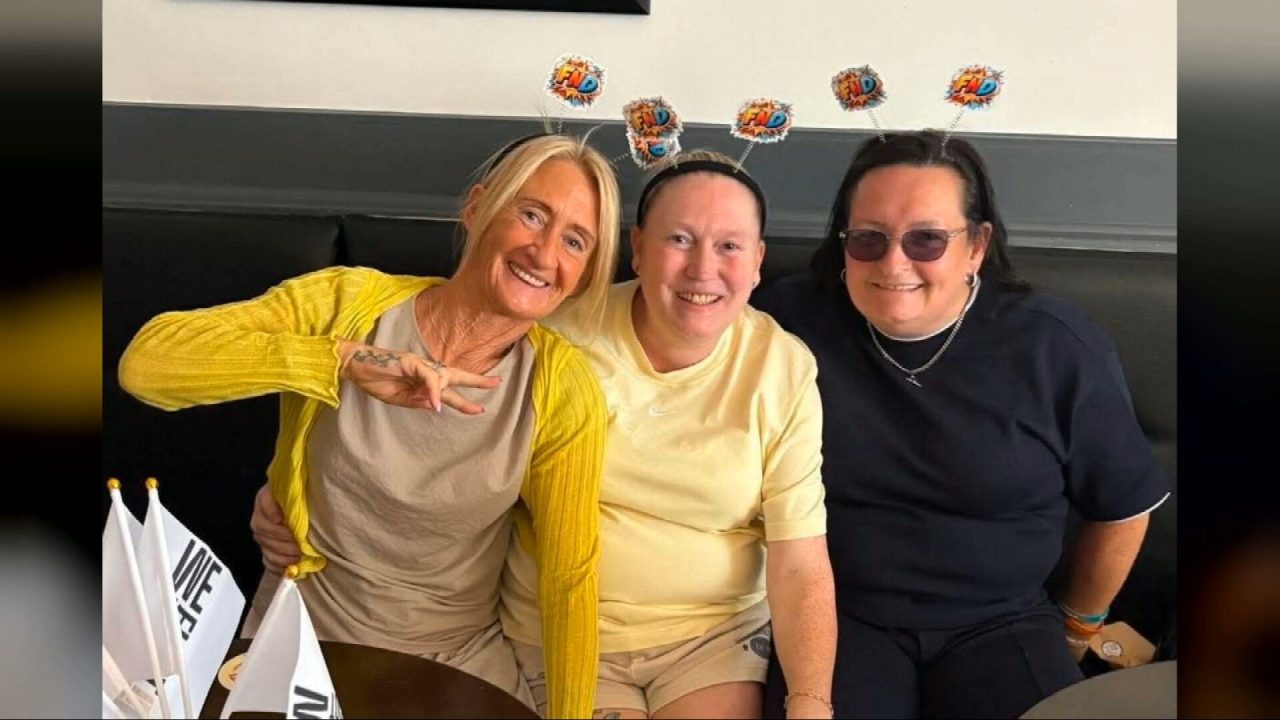
Pamela Carmichael tries to highlight her condition with a touch of humour on TikTok.
But living with functional neurological disorder isn’t fun and games.
She first noticed something wasn’t right during Covid after she began regularly tripping over.
She was initially told by doctors it was suspected motor neurone disease (MND). It took four or five years before her diagnosis was later changed to FND.
“I take seizures, involuntary movements and tics, which are very stressful because you don’t know what’s coming out of your mouth at times.”
She says she has to manage her seizures without treatment as they are non-epileptic.
“I can’t speak for a couple of hours after a seizure, and my hands and feet turn in. My husband has to help move me to and from my chair.
“I can hear everything going on around about me. I joke to my husband ‘watch what you say as I can hear.’
“We make fun of it so it doesn’t get depressing and bring you down.”
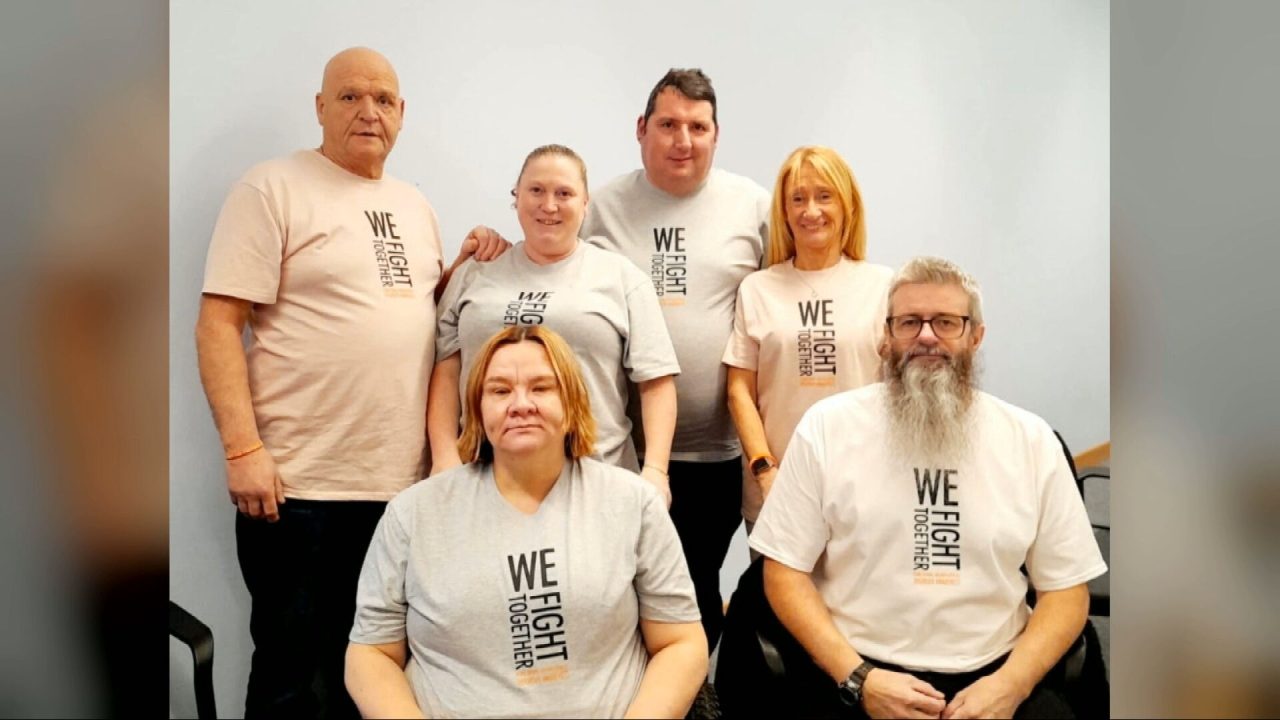
Pamela says learning she had FND was incredibly isolating – and there was also a lack of understanding from others.
“I’d never heard of FND in my life before. When I was diagnosed, I thought I was the only person who had it.
“There’s not enough information and knowledge. One day I can work perfectly, and on other days I can be in a wheelchair.
“People look at you as if you’re faking it, thinking ‘How can she be okay one day and in a chair the next?”‘
But Pamela has found many others like her, including Kelli Meikle, through the Glasgow FND support group.
Kelli says they are among many people in the group who say they are accused of faking symptoms.
“Nothing is what it seems. Our walking and talking can be okay, then an hour later we’re in our chair. It’s as if they look at you and think, ‘Why is she like that?’ People can be very judgmental.
“Our software is completely gone. The information that our brain sends us to eat or blink is all wrong. You’re telling yourself to walk, but you can’t. We have no control over it.”
‘I lost control of my body – it was scary’
 STV News
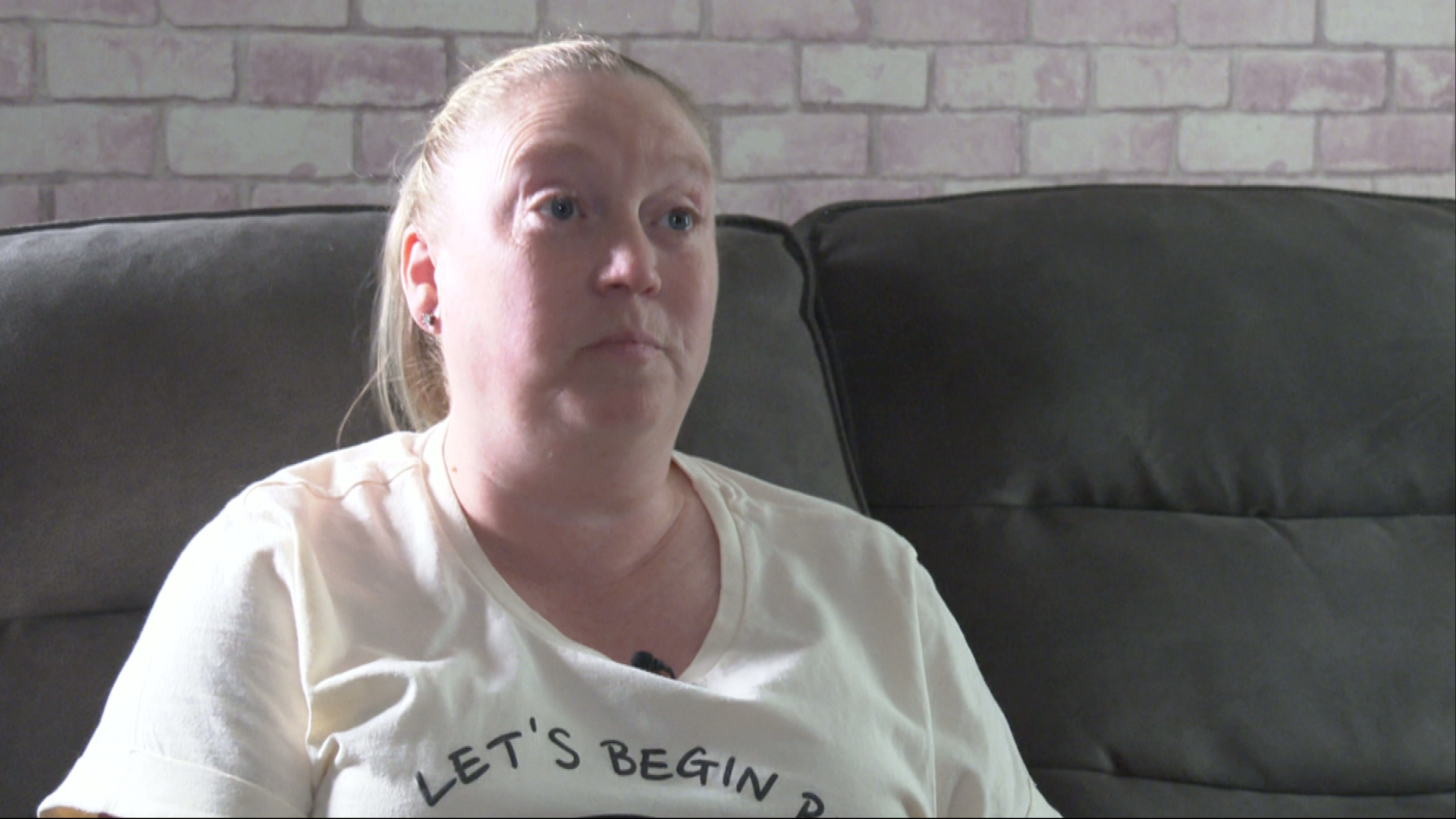
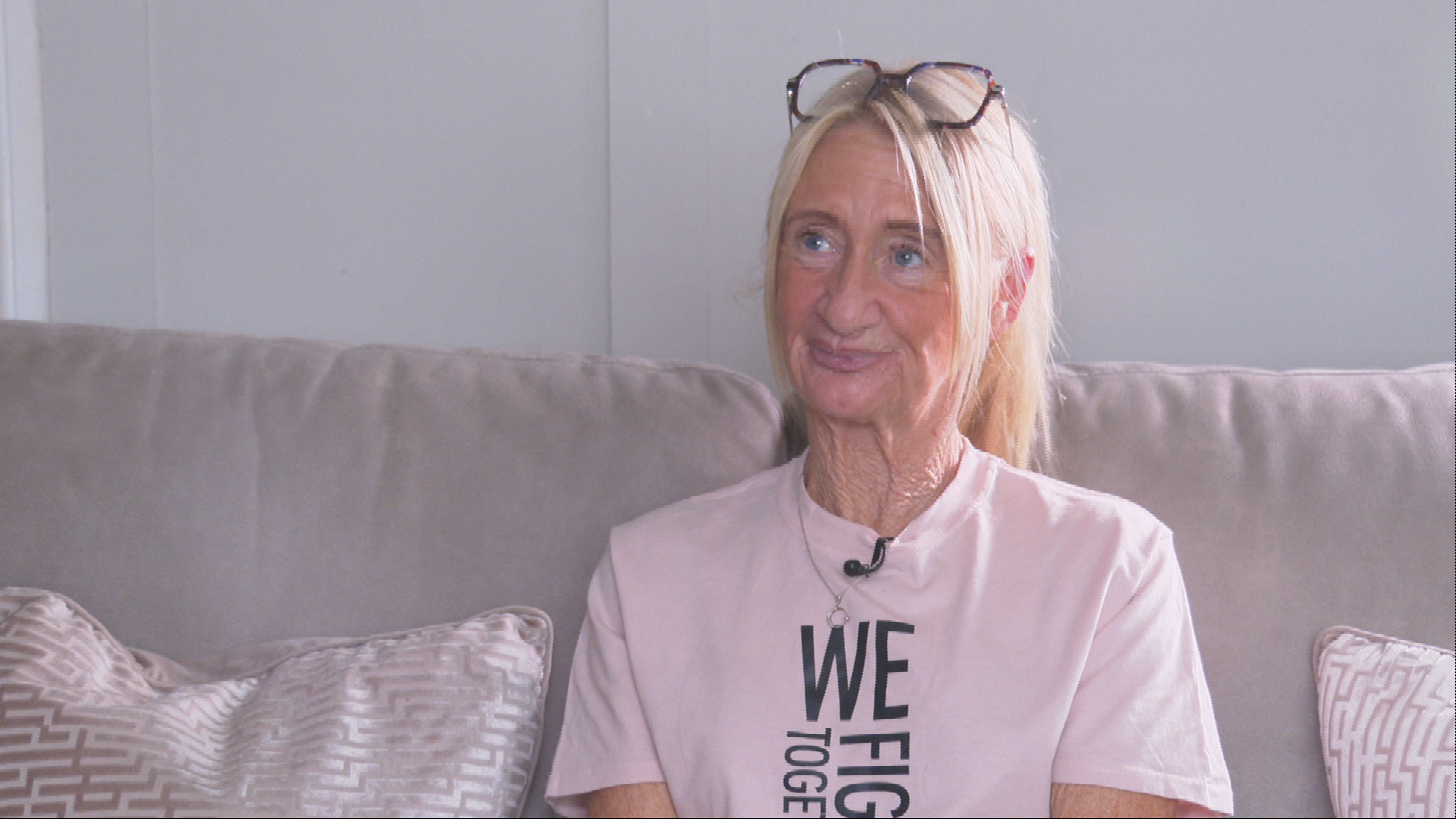
After a successful career in business, mum-of-three Kelli Meikle re-trained in law, but two years ago woke up with pain in her back, and numbness in her left side – throwing everything into disarray.
“I started losing control of my legs and arms and couldn’t walk. Some days I couldn’t speak, and even when I could speak, it was like spaghetti junction.
“That’s pretty scary, especially when they’ve given you a whole lot of other illnesses they thought it could be.”
After several hospital appointments and trips to A&E, she was told by a neurologist it’s likely she has MND. She is now waiting news of further treatment.
In the meantime, she has been forced to adapt her daily life, including giving up running and cooking.
“I’ve always been really active. I used to run marathons. We’d go climb a Munro. But I’m limited now. I’m not allowed to climb the stairs if I’m in alone. It’s a huge change.”
FND groups want to see more funding and research put into the condition – and more support offered to people like Kellie and Pamela.
“I would like to think there’s a lot more research into it and how we can manage it more.”
 STV News
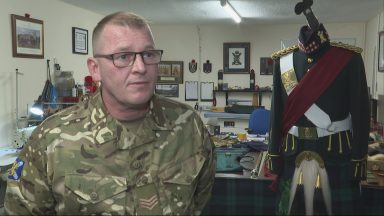
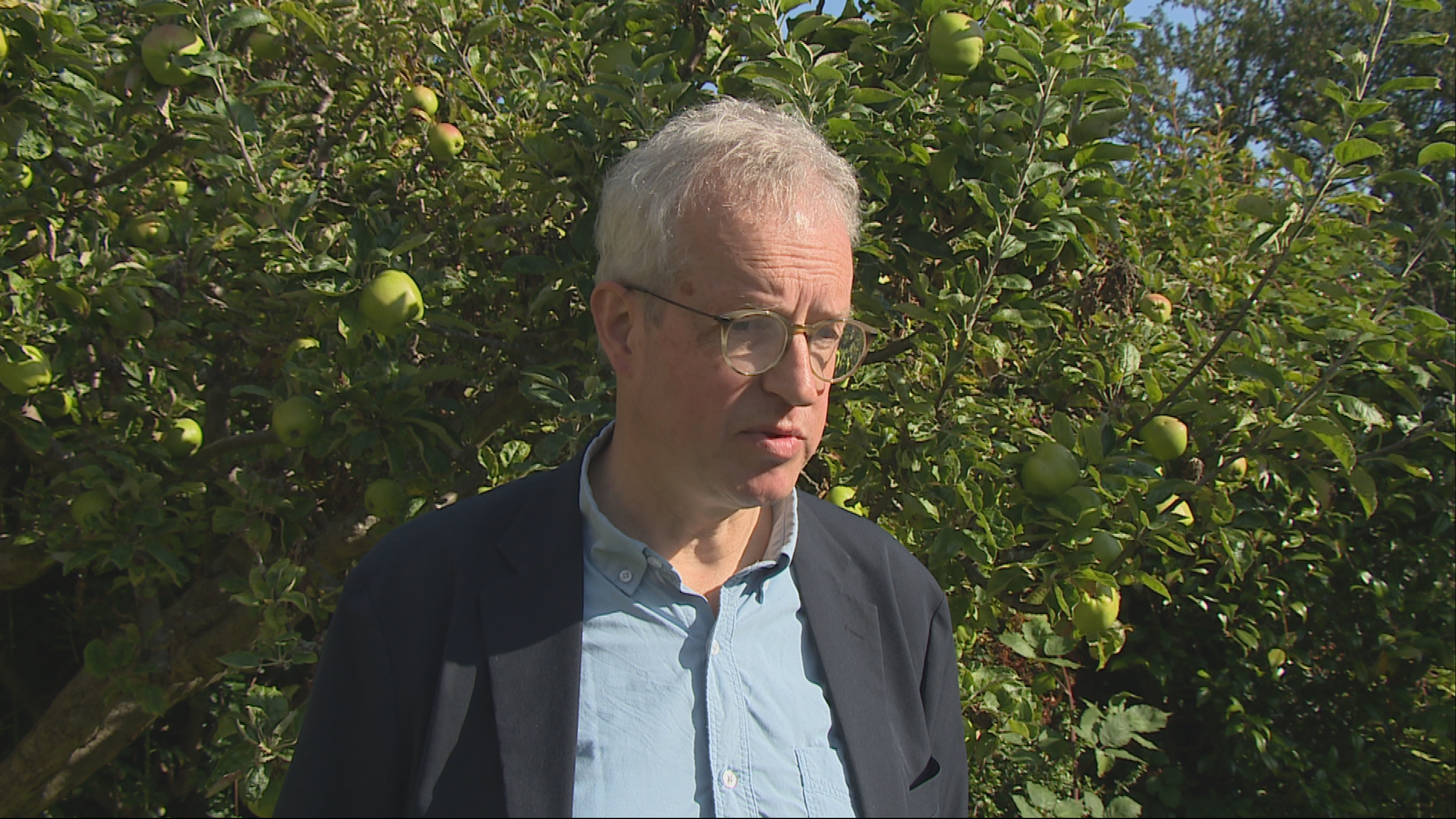
NHS consultant neurologist and honorary professor of neurology, Jon Stone, has focused on FND since the late 1990s.
He says understanding and treatment has come a long way since then.
“There are various groups in the UK doing a lot of clinical research, including our own. Clinical trials are important to show some of these therapies can be effective.
“Through various forms of rehabilitation therapy, physiotherapy, occupational therapy and psychological therapy, we’re finding ways to retrain the brain so it works better.
“We have an FND pathway recommended to health boards which sets out how they assess, treat and manage patients. People can have this condition for a long time, so long-term follow-up studies are important. It’s a hard condition to improve from.
“When I think back to my own time training, it’s hard to imagine we would have made this progress. It was almost completely invisible in training and textbooks at that time.
“We’ve got a long way to go, but we’ve made some progress.”
A Scottish Government spokesperson said: “It is vital that people with neurological conditions feel properly supported and involved in their care.
“Through our Neurological Care and Support Framework 2020-25 we provided £148,863 to projects which specifically aim to improve the information and support available to people with FND in Scotland.
“The Centre for Sustainable Delivery published a national pathway for FND in 2024, to support clinical staff to more effectively diagnose and manage FND and provide better access to evidence-based treatment.”
Follow STV News on WhatsApp
Scan the QR code on your mobile device for all the latest news from around the country