 STV News
Spiralling childcare fees and household bills are pricing many Scottish parents out of having another child, campaigners warn.
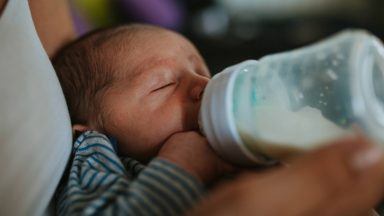
Just over 45,000 babies were born last year – the lowest number since records began – while the average number of children women are having has also reached a record low.
New figures published on Tuesday also show more mothers are having children in their thirties than ever before, with almost two-thirds of women now aged 30 or over when they give birth.
For the 11th consecutive year, deaths also outnumber births.
Campaigners blame the rising cost of childcare and raising a family, while economists point to a wider global decline in birth rates and a lack of long-term planning by governments.
‘Having another is out of the question’
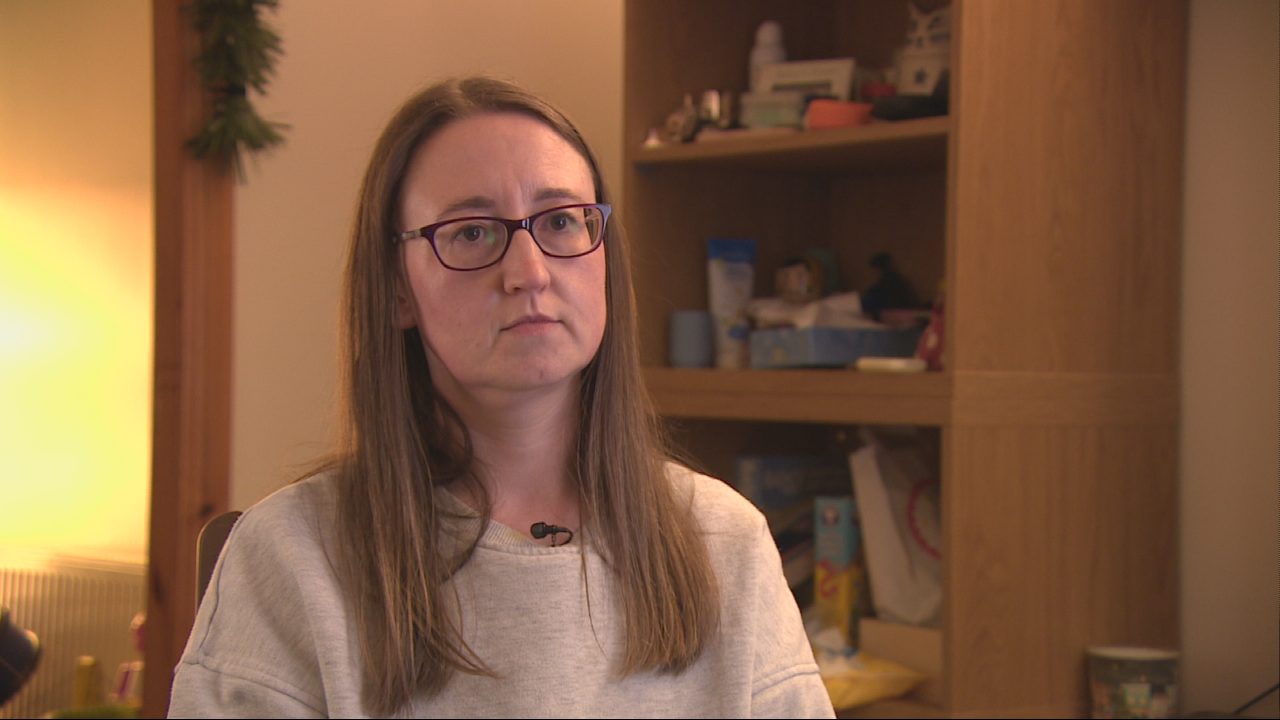
“It just feels like this constant battle to live each month. There’s no way that we could afford another child.”
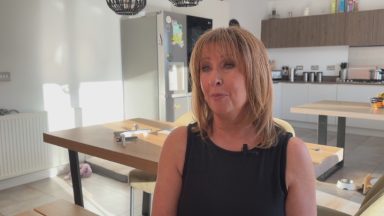
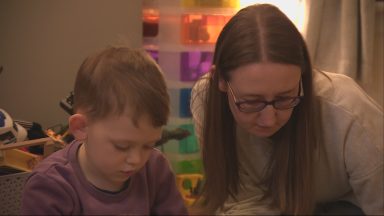
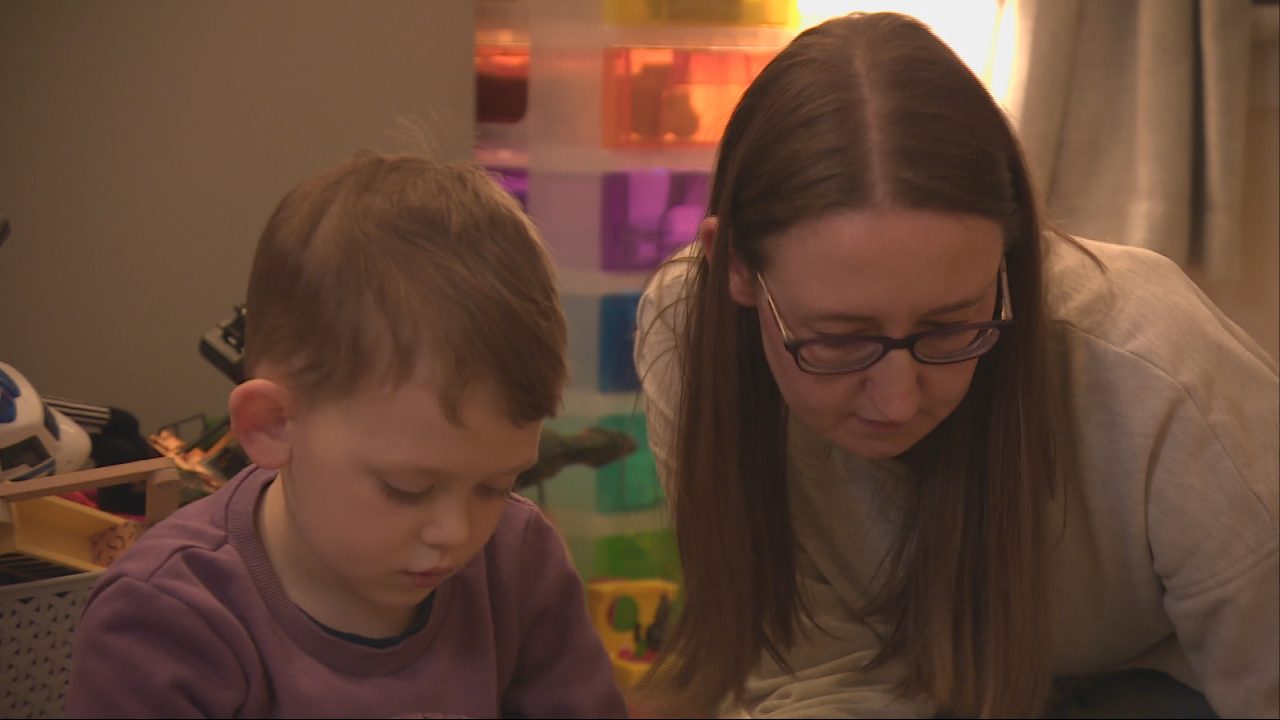
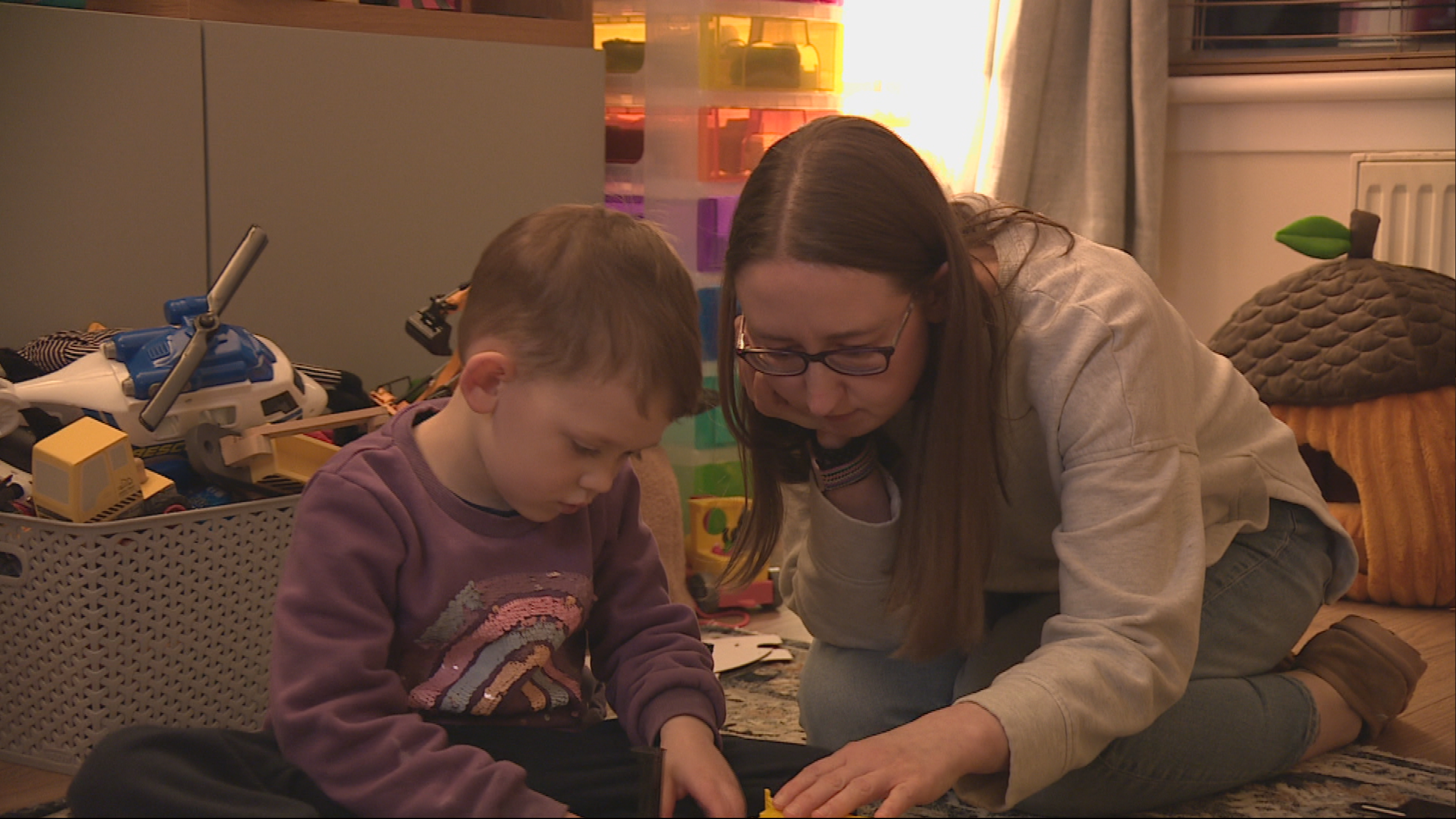
Rising costs forced Lynn Armstrong and her partner to abandon their plans to have a second baby.
Lynn, a social housing worker, says they were forced to use savings and sell her car to extend her maternity leave.
“I think we were very naive about how much childcare actually was. Then, at that same time, the cost of living crisis happened.
“When Calean started in nursery in 2022, it was £45 a day. Now it’s £80 a day. Not long after, our fuel bill tripled, diesel costs went up, food prices went up.
“Calean was about two or three – that’s when we made the decision that actually we probably couldn’t afford to have another one. It’s out of the question.”
As one of three children herself, and with her partner one of four, Lynn says they had always dreamed of having a bigger family.
But she says having another would cost an additional £800 a month on top of their first son’s childcare.
 STV News
“It’s just a lot of money for us to be able to pay, and we just don’t have it at the moment,” she said. “We were literally struggling to pay bills, never mind put savings away.”
Although Calean is close to his cousins, Lynn says it is “quite sad” that he will miss out on the sibling relationship they enjoy.
She added: “It wasn’t an easy decision. It took a long time for us to be happy with that decision, to make peace with that.”
A recent survey found two thirds of mothers say childcare costs are the same as, or more than, their income, while more than a third are cutting back on household essentials to pay for it.
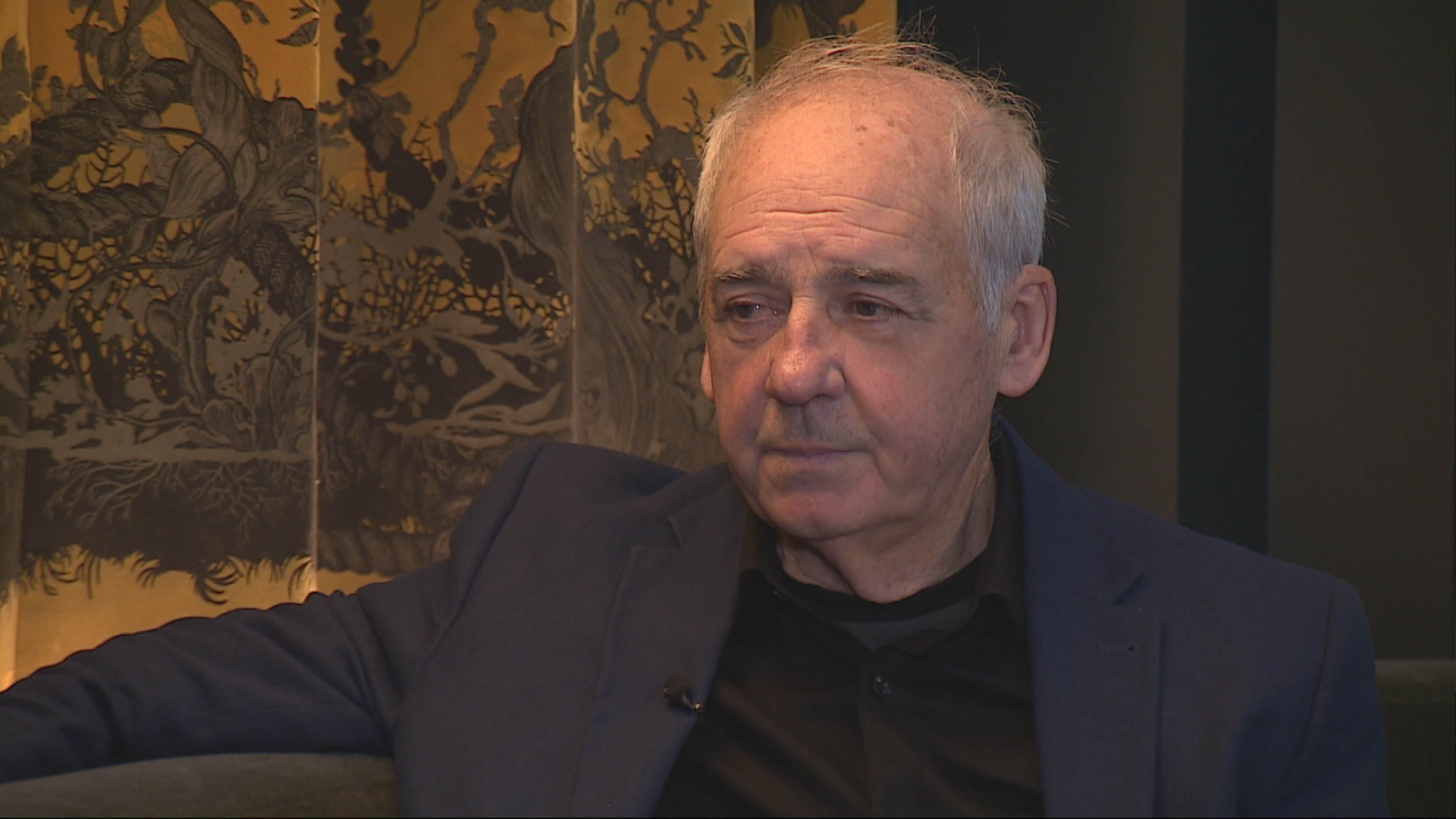
Economics professor David Bell said financial pressures could be influencing family planning decisions.
“One of the things that is clearly on the UK and Scottish government’s agenda is the cost of living, and that indirectly could help young couples to be in a more stable situation where they would think more likely about having children.”
‘Serious consequences for the economy’
 STV News
He says births in Scotland have fallen to around eight per 1,000 population – well below the replacement rate needed to keep the population stable.
However, falling birth rates are not unique to Scotland, with many countries across Europe and East Asia experiencing similar demographic challenges as populations age and fewer children are born.
He warns the declining birth rate will have “serious consequences” for Scotland’s economy if it continues.
“There will be a lot of older people, the baby boomers, and there will be relatively few young people joining the labour market over the next few years and that creates a sort of lopsided labour market.
“If there aren’t sufficient recruits into public service, then you end up with an older workforce and that’s very true, actually, in the health service. And then finding replacements becomes more and more difficult.”
Professor Bell said the Scottish and UK governments have not been strategic enough in trying to reverse the decline, although he acknowledged efforts in countries such as South Korea, Singapore and Italy had met with limited success.
“You can offer all kinds of incentives, you can offer tax incentives, childcare subsidies, many different things, you can even try to encourage people to partner up as, some governments have tried to do, but none of them seem to have reversed the current trend in most countries it continues to be downward.”
‘For many parents it’s not even a choice’
 STV News
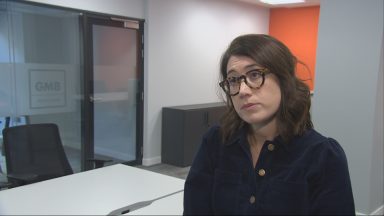
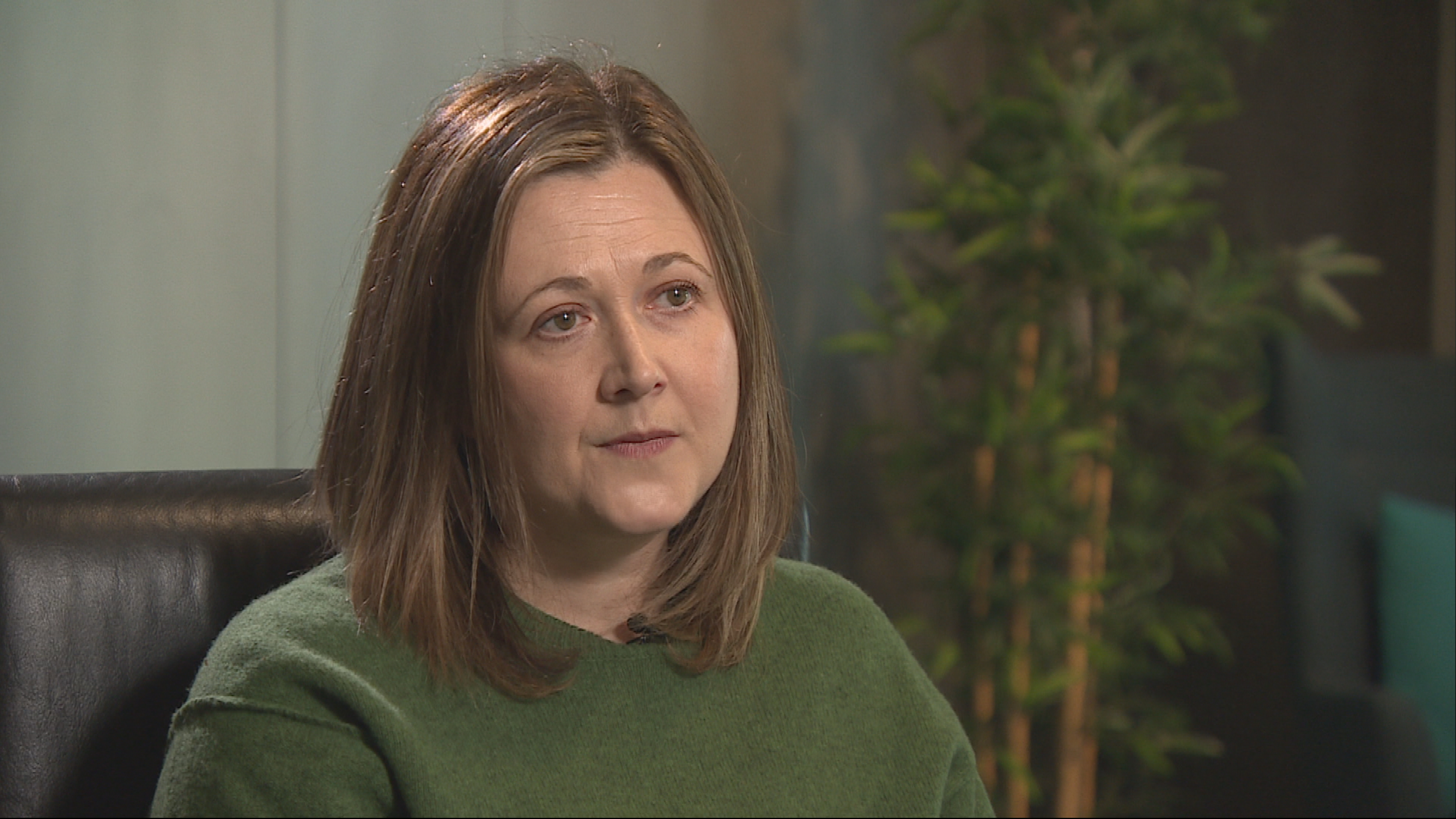
Pregnant Then Screwed policy lead Carole Erskine agrees the Scottish Government is not doing enough to support families, particularly with maternity pay, the cost of childcare and house prices.
“For a lot of women, it’s one and done. They saw themselves having more children than that, but can’t afford to.
“We hear from a lot of women really upset about the number of children they want. The reality hits when they go back to work, look at the cost of childcare and poor maternity leave.
“The cost of childcare is so astronomical for parents that, for many people, it’s not a choice. They either don’t work at all, or they’re working just to afford childcare.
“It’s not uncommon for parents in some parts of Scotland to pay £100 a day for a younger child going into nursery.
“If childcare costs were capped and housing was more affordable, I think you’d see more couples having more children.”
Siobhian Brown, minister for children, young people and The Promise, says a consultation on expanding childcare will begin in 2027, with the aim of extending support from the age of nine months to the end of primary school.
She pointed to support existing measures such as free childcare hours for three and four-year-olds, the Scottish Child Payment, free school meals and the Baby Box.
She said: “The decline in birth rates is something happening globally. In advanced countries with higher incomes, birth rates are reducing.
“[Expanding support] is a priority for us and a manifesto commitment, which we will be establishing by the end of this parliamentary term.”
With fewer children being born and more people are reaching older ages, she said migration will be increasingly required to support Scotland’s working age population.
“International migration to Scotland is absolutely vital and one of the things we need to increase our population. Unfortunately, it’s reserved to Westminster at the moment.
“The Scottish Government does call for the UK Government to reverse some of those policies, which are having a detrimental impact on the population not only in the UK but in Scotland as well.”
The Home Office has been contacted for comment.
Follow STV News on WhatsApp
Scan the QR code on your mobile device for all the latest news from around the country