 PA Media
A consumer watchdog has issued a fresh warning about energy scams, as figures show they are costing Scots more than £5,000 a week.
Trading Standards Scotland (TSS) said scammers posing as energy companies, councils or government-backed schemes are preying on Scots who are looking for ways to cut costs and make their homes more efficient.
Figures gathered by the body show £276,731 was reported lost to energy scams between April 2025 and April 2026 – equivalent to more than £5,000 a week.
The true figure is likely to be far higher.
The figures comes as new polling shows 48% of Scots are worried about being able to afford their household energy bills this winter, while a third have been approached with offers of cheap or free energy-saving products in the past year.
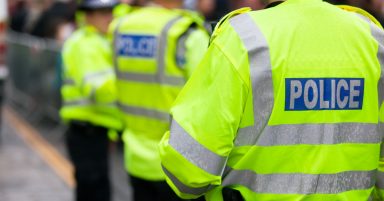
Police Scotland has also urged people to stop and think before handing over money or personal information to anyone claiming to represent a trusted organisation.
Councillor Maureen Chalmers, chairwoman of Trading Standards Scotland’s governance board, said: “It is deeply concerning that Scots are losing more than £5,000 a week to energy scams, and we know the true figure is likely to be much higher because many cases go unreported.
“With almost half of Scots worried about affording their energy bills this winter, scammers know there are people looking for ways to cut costs and make their homes more efficient.
“They will claim to be working with councils or government, offer supposedly free inspections or grants, and use scare tactics to convince people that urgent work is needed.”
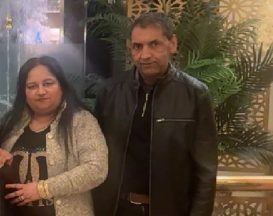
Recent examples of scams include a couple in Fife who spent almost £4,000 after a cold caller, claiming to be working on behalf of the Scottish Government, told them condensation in their loft could cause the roof to rot.
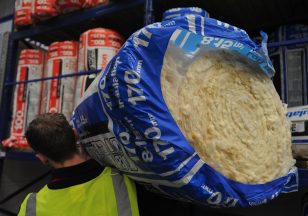
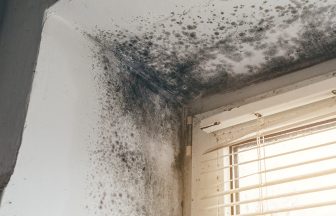
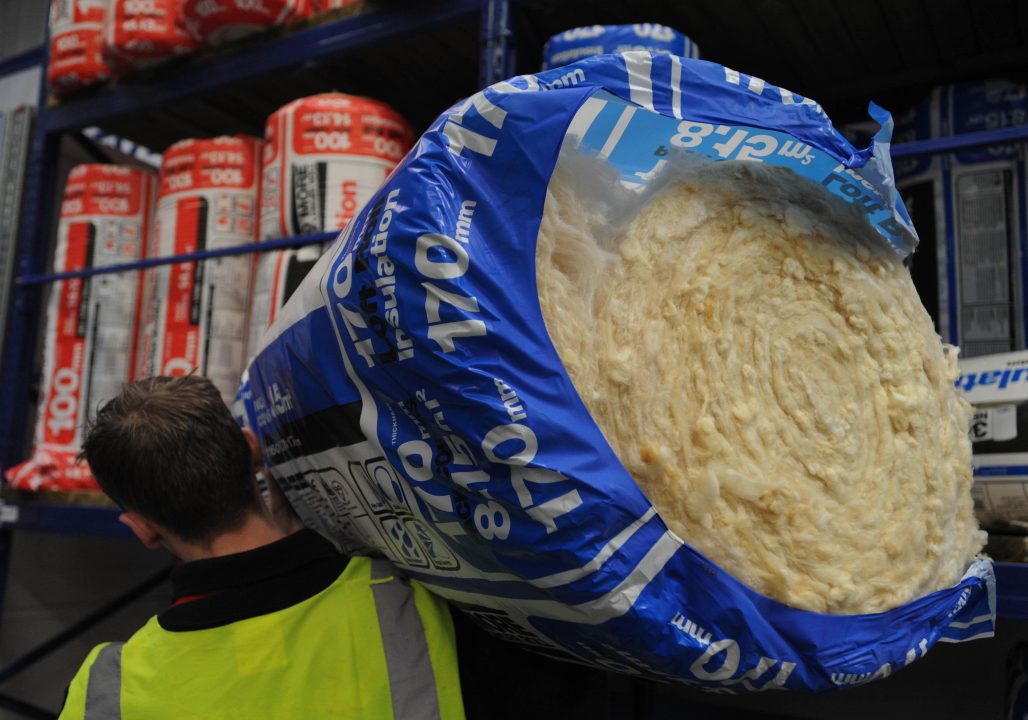
Their son later discovered that workers had simply punched holes through the roof and removed tiles to create vents. No new insulation had been fitted, and no anti-mould treatment carried out.
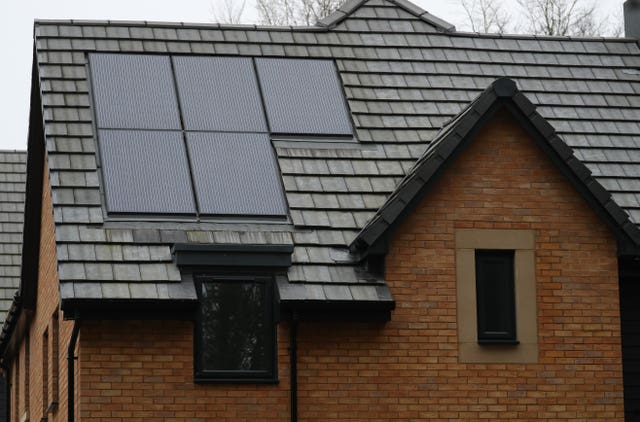
In Inverclyde, a householder was left facing costs of more than £11,000 after paying £3,750 for roof-coating work which caused extensive damage to their home.
Dozens of roof tiles were damaged, water leaked into the loft and bedroom, and insulation was left soaked and mouldy.
The householder later paid £7,900 to have their entire roof replaced and they still face further repair costs.
Ms Chalmers continued: “We urge people not to deal with cold callers and never to feel pressured into making a decision on the spot.
“If someone tells you there is a serious problem with your home, take your time, do your research, and get a second opinion before agreeing to any work.
“Always check the identity of anyone claiming to represent a council or public body by contacting the organisation directly.
“These are simple steps, but taking control of the small things can help protect you and your family from losing money to scammers.”
Detective Chief Inspector Alasdair Penny said: “Fraud, in any form, is a despicable and cowardly crime with, often anonymous, criminals targeting the most vulnerable people in our communities.
“Criminals can pretend to be someone you trust such as your bank, the police, utility provider or government organisation. They may contact you and ask you to move money, share personal information or act quickly. They may have some of your personal details.
“Our advice is clear and the public should be aware that a telephone call, email or text may not be from the person or organisation it appears to come from.
“Remember you have the right to stop and think before parting with your money or information. It could keep you safe.
“If you ever have any concerns and think you may have been a victim of fraud, you should contact your bank immediately and police via 101.”
Follow STV News on WhatsApp
Scan the QR code on your mobile device for all the latest news from around the country