 Getty Images
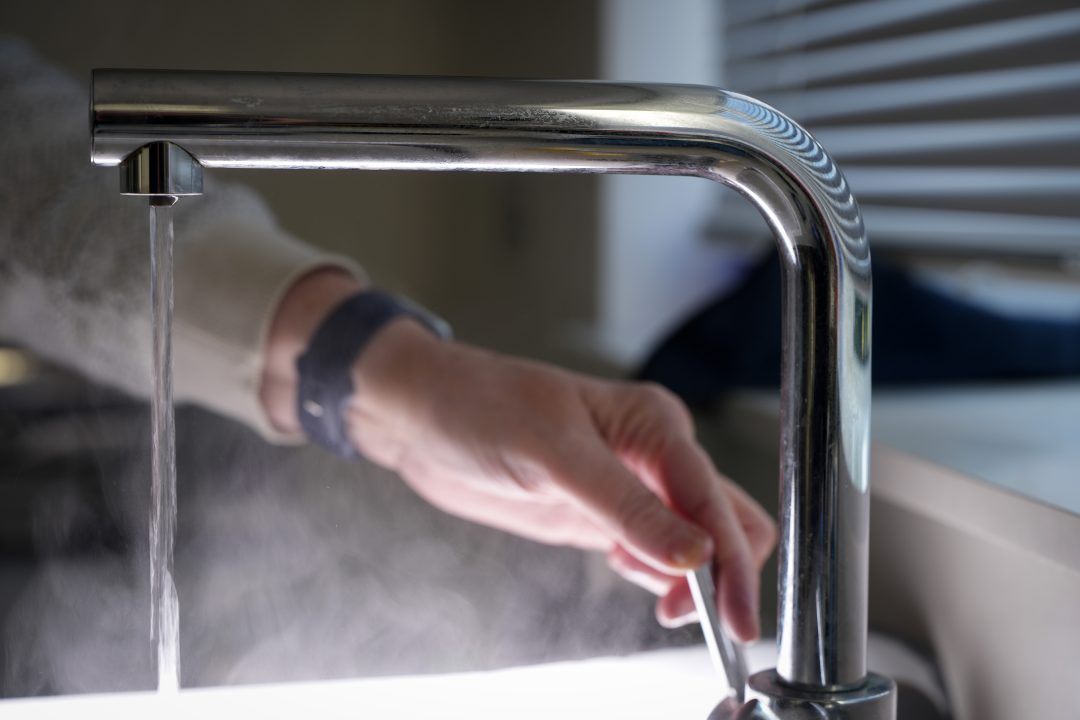
Households across Scotland will see their gas and electricity costs soar in the New Year, with charities warning a £100 government payment will do little to ease the pressure on those already struggling to pay their bills.
Ofgem, the energy regulator, announced on Wednesday that the price cap will rise by 26% to £2,166 from January 1.
The hike, which will leave the cap at its highest level in four years, could see a typical household bill jump by more than £400 per year.
It has prompted concern from charities and campaigners, who warn some people simply do not have the money to absorb another rise.
Last month, chancellor John Healey announced a £100 energy payment for up to 20 million households in his Budget. The Scottish Government has already confirmed it will pass on the payment to eligible households in Scotland, but has yet to confirm how people will receive the money.
 Adobe Stock
Regardless, Citizens Advice estimates the payment would cover less than two weeks of energy use for most households this winter, based on 2025 usage data and the predicted price increase.
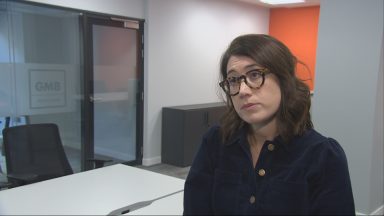
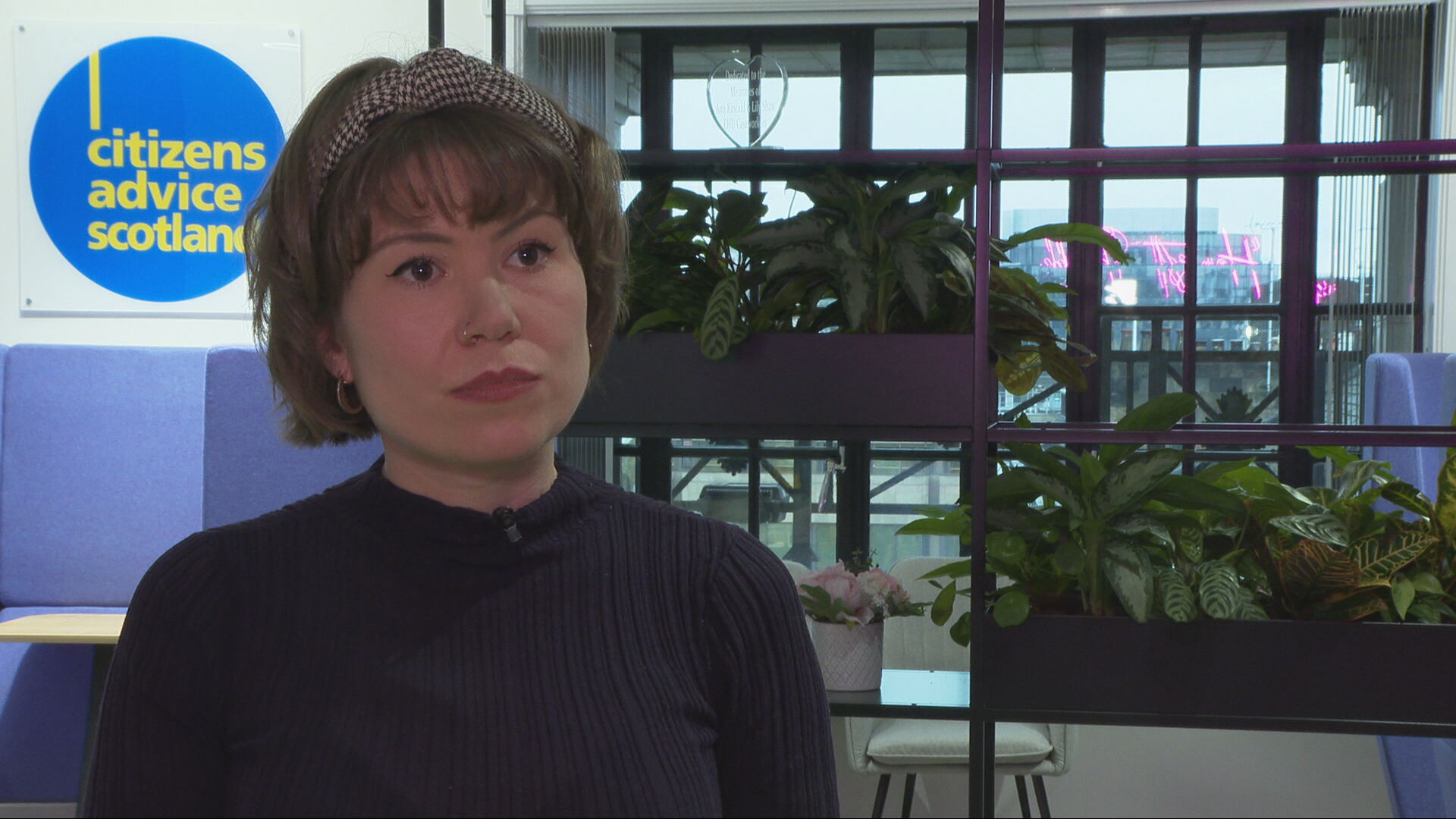
Molly Shevlin, energy spokesperson at Citizens Advice Scotland, said: “It is honestly difficult to explain how devastating this rise is going to be for the people that we are supporting.
“This is an astronomical increase, from a level where energy costs are already wildly unaffordable, and people have been facing that really sustained, grinding pressure and hardship for years now.
“We are looking at a winter that will, quite frankly, feel unbearable for the people we are supporting – people on the lowest incomes, disabled people, people facing rural poverty.”
 STV News
“We cannot keep having these reactive one-off emergency support from the UK Government in times of intense crisis. We need long-term solutions that allow that alleviation of harm and that peace of mind baked in.
“Energy debt is out of control, and it has been spiralling out of control for a significant amount of time now. The levels we are seeing are staggering. The average energy debt recorded from July-September was over £3,200.”
The rising costs are being felt across different parts of society, from households already struggling to heat their homes to people living in park homes and small businesses facing higher operating costs.
Park home residents call for greater transparency
Around 8,500 people live in park homes across Scotland.
Unlike most households, residents are usually billed for their gas and electricity by the site owner, who is not supposed to make a profit on the energy supplied.
However, Ofgem currently has no enforcement powers to ensure residents are not being overcharged.
As prices rise, residents say they want greater transparency over how their bills are calculated.
 STV News
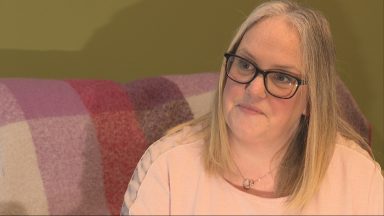
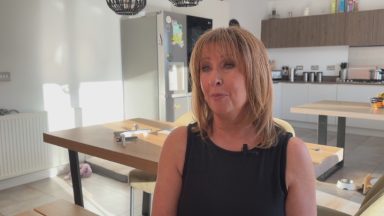
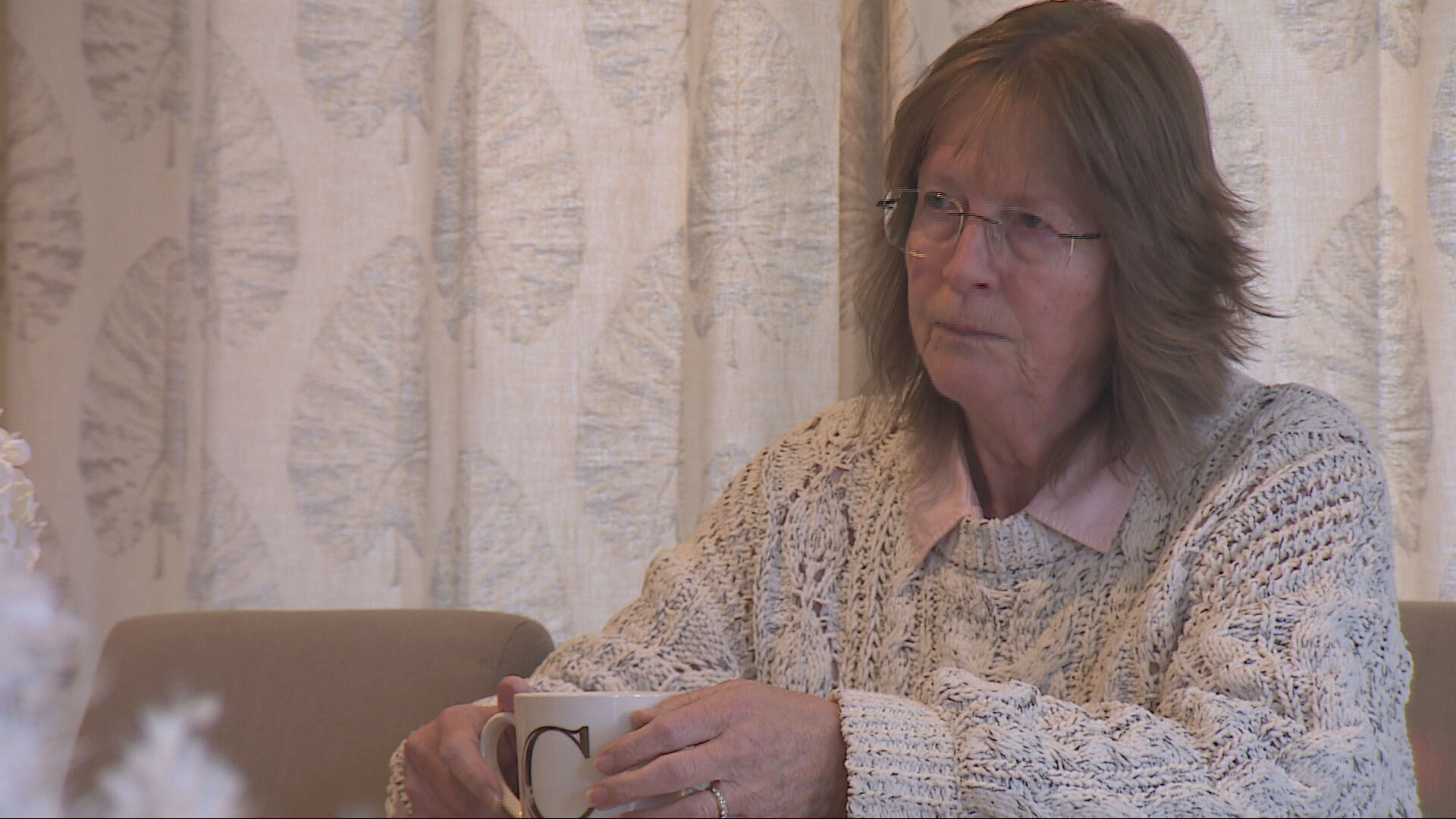
Caroline Beckett, who lives in a park home in Perthshire, said residents were not necessarily challenging the amount they were being asked to pay, but wanted to see how the costs were worked out.
“If he sends us an invoice, say, charging us 50 pence a unit, we can ask him how that 50 pence is broken down,” she said.
“As long as it’s legal, as long as he’s allowed to do that, that’s fine, we would pay it.
“However, it’s the transparency of trying to get what their breakdown is.
“We’re not asking for anything over and above what we should be entitled to. We’re just asking for transparency on gas and electric prices.”
Small businesses face rising operating costs
The impact of higher energy prices is also being felt by small businesses, which are not protected by the domestic energy price cap.
For businesses that rely on electricity to operate, cutting consumption is not always an option.
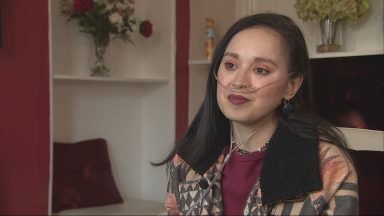
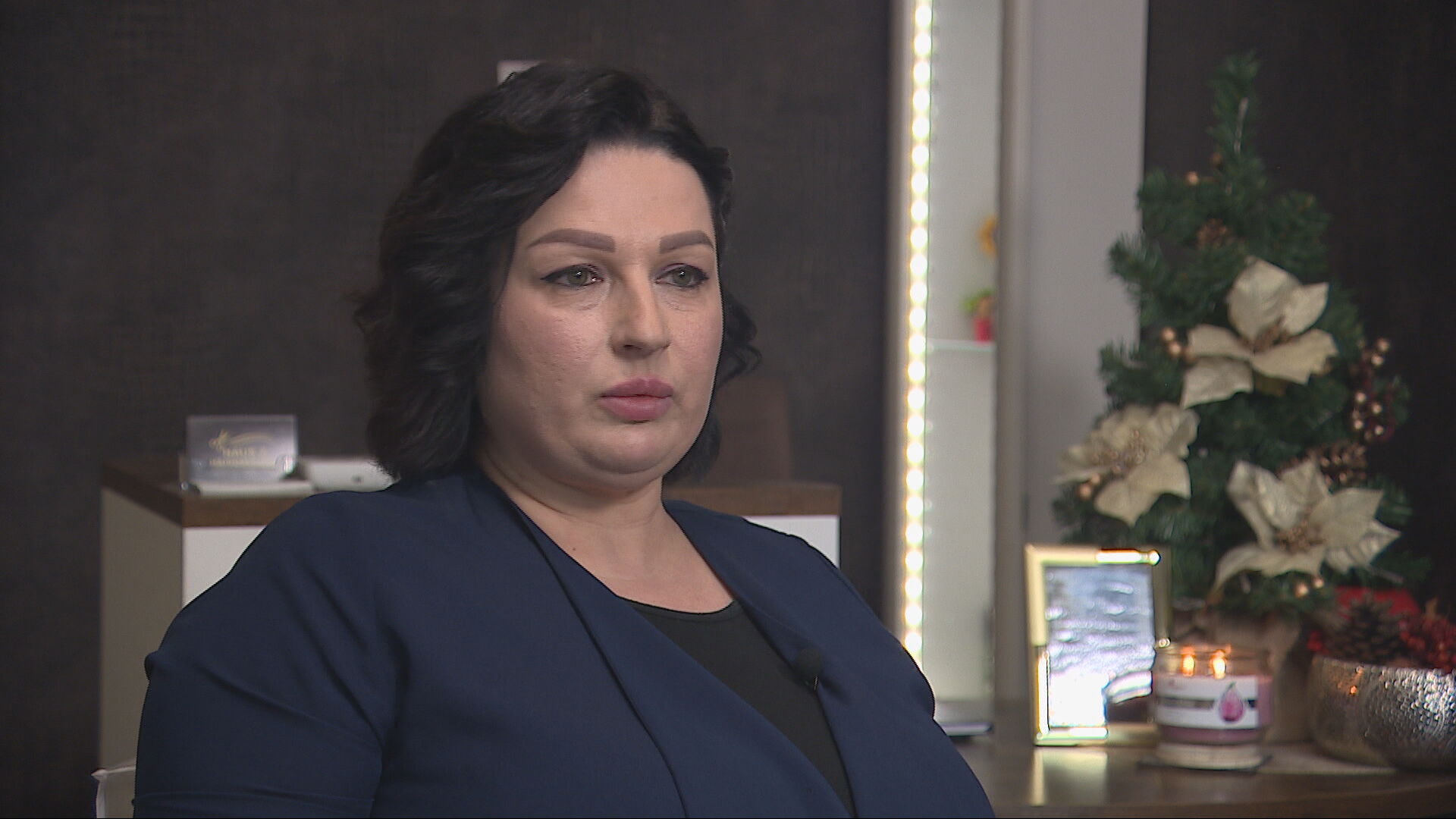
Zanna Gerascenko, a hairdresser in Aberdeen, said almost every aspect of her work depends on electricity.
“I use electricity on everything – my hairdryer, my hot water, my straighteners, everything, even the small heaters. They are all electricity,” she told STV News.
 STV News
“I can’t use less electricity. I have to think about the people’s cost as well. They are also paying bills. It’s not only me.
“I don’t want to put my prices up.”
What’s behind the 26% increase in energy bills?
From January 1, the energy price cap will rise from £1,723 to £2,166, increasing the annual bill for a typical household by more than £400.
That’s a rise of 26%.
The price cap isn’t the exact amount you pay, but it is a key indicator of the wider cost of gas and electricity for households.
Energy bills are made up of several components.
Around 39% reflects the wholesale cost of gas and electricity, which fluctuates according to global supply and demand.
A further 39% goes towards network, infrastructure and policy costs. The remaining 22% covers operating costs and other charges.
The UK Government removed VAT from household electricity bills earlier this year, saving households an average of £45 per year.
What help is available?
The UK Government has also pledged to abolish standing charges for energy customers, which could save households around £100 a year.
However, a date for the change has yet to be confirmed.
In the meantime, energy advice organisations say there are steps people can take to manage their bills.
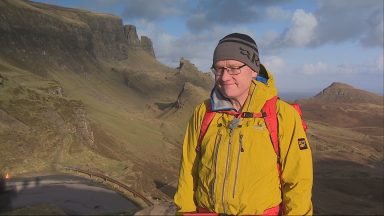
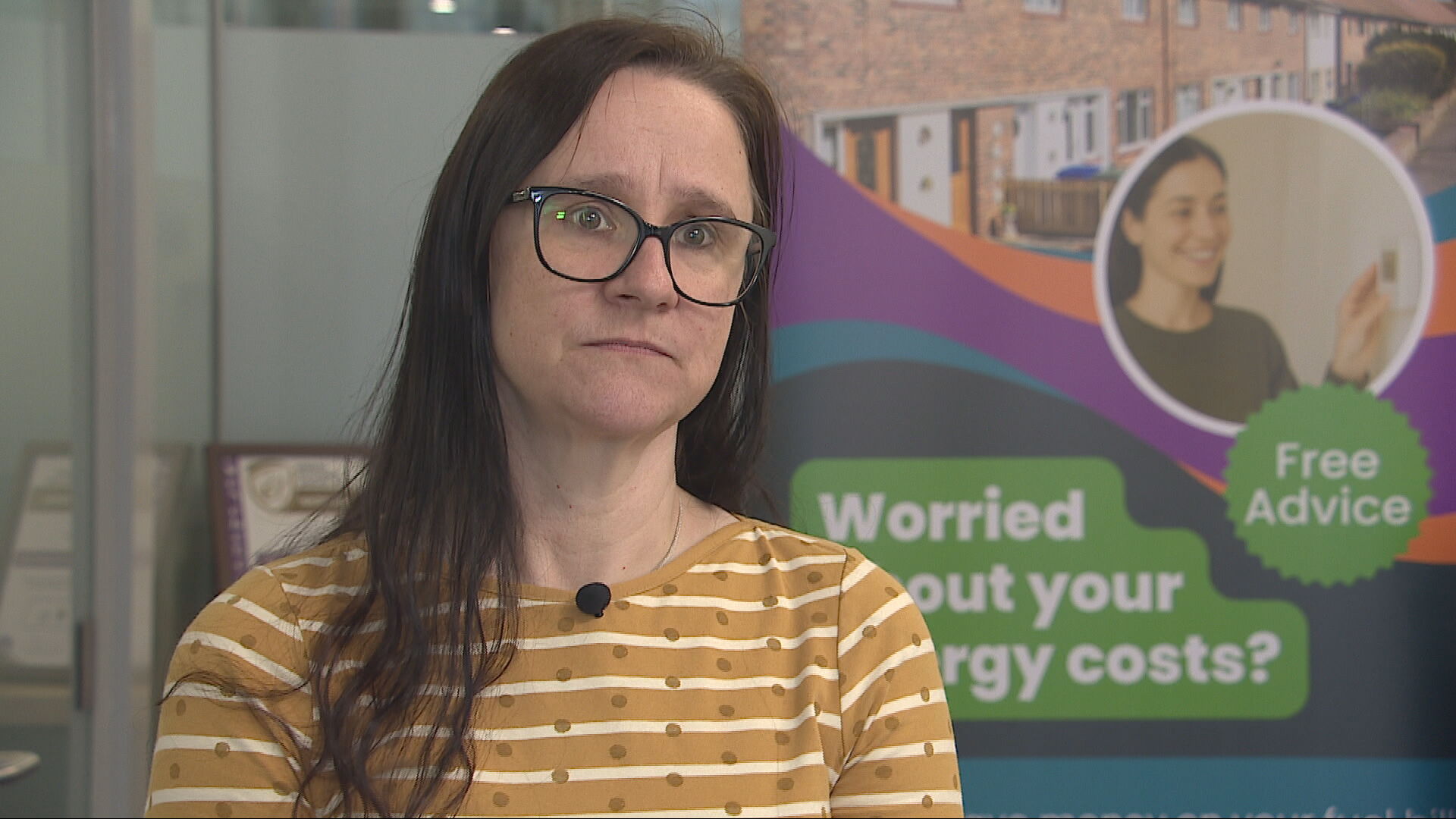
Janine Esson from Scarf, an Aberdeen-based energy advice and fuel poverty charity: “One of the biggest things we can do now is try and look for a good tariff, anything you can do in the meantime to see if you can get a fixed rate, to protect against those price rises coming up.
 STV News
“If you are willing to work with your supplier, quite often they are willing to work with you to set up maybe a payment plan, something that works for you where you can pay for your usage and pay off some of your debt at the same time.
“Lots of people are needing support. We’ve had a lot of requests for oil support as well, obviously the price of oil has also been rising, and petrol and diesel are putting the price up for heating oil.
“We’ve also had lots of calls from people who are struggling with debt, so they’re sliding ever backwards.”
Follow STV News on WhatsApp
Scan the QR code on your mobile device for all the latest news from around the country