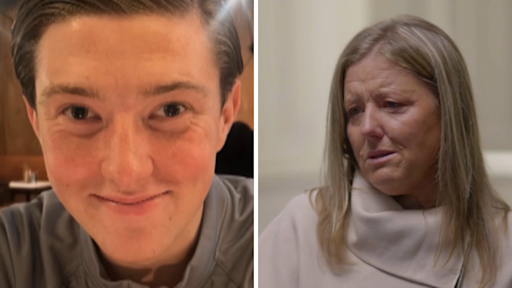

Children in Scotland’s care system are being failed by delays in decisions about their forever home.
Research shows babies and young children in Scotland’s care system still wait more than two years on average for decisions about a permanent home.
Experts, who gathered for a national summit on the issue, have renewed calls for changes to a decision making process that they say is fragmented, too slow and too expensive.
‘You’re left holding your breath’
For Sarah and her partner, the journey to becoming parents through adoption took five years.
The couple were approved to adopt in August 2019 and were matched with their ten-month-old child in March 2020, who had been in foster care.
It would then be another seven months before the child came to live with them, in December 2020, with another three years before the child officially had a permanent home.
Sarah told STV News: “Generally, there is a sense you’re not fully in control. Trying to get in contact with people to find out the next step can take months and months and months. Planning around that is very, very difficult and if anything happens in the interim, you start to get quite concerned that everything will go on hold or it might not go ahead at all.
“Essentially, you’re holding your breath until such time as that child is with you. Everything is on pause while you wait for somebody to decide what’s happening with your life.”
She added: “There is a whole missing part from the very earliest points. It’s very hard to look at your child or look at photos of your child as a baby, but not having actually been there. It’s very strange.”
 STV News
Her experience reflects wider concerns about the time babies and young children spend waiting for decisions about their future and the impact those delays can have on development.
Research from BeST? Services Trial, led by Glasgow University, has highlighted a significant gap between Scotland and England.
It found that children in London were more than four times as likely to reach a permanent placement compared to those in Glasgow.
Just 27% of children in Scotland achieved a permanent home within five years, despite the importance of stability in a child’s earliest years.
The NSPCC argues infancy requires a distinct response because the first three years of life are crucial for brain development, attachment and future relationships.
A foster parent who took part in the study said: “She has been with me for nearly three years. The worst bit for the child is not knowing, ‘Am I going to be here at Christmas? Am I going to be here for my birthday? Am I going to be here when we go on holiday?’”
A 15 year old care-experienced young person told researchers: “When I was younger, nobody was telling me what was going on, they were just moving me around, almost like a piece on the chessboard. They would say, ‘Shall we just leave him there for now or take him back?’ ‘No move him here’, but without saying anything to me.”
The NSPCC say the delays are symptomatic of what it calls a “baby blindspot” in Scotland’s care system. It believes the needs of babies and infants are not being given sufficient priority when decisions are being made about their future.
‘We are failing babies’
 STV News
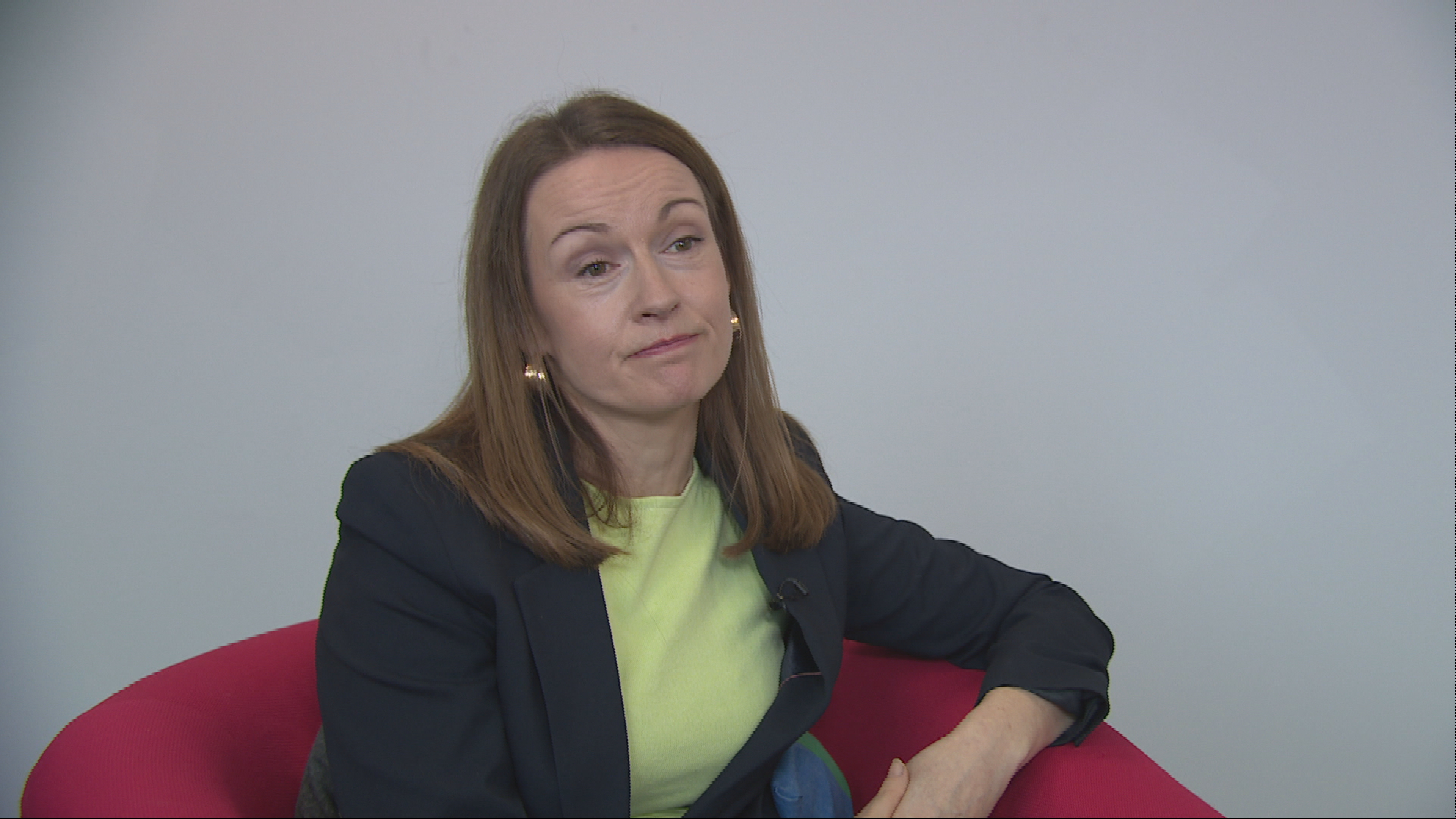
NSPCC Scotland policy manager Joanne Smith said: “We are failing to deliver security for babies in Scotland at great expense to the Scottish public not only in economic terms but also in human terms – that is unacceptable.
“First of all, we need to agree that babies are a priority and that infancy is a unique developmental window requiring a distinct response. The first three years of life go on to shape how the baby views themselves, how they engage with the world and relationships. Instability in infancy leads to poor outcomes across all domains, and yet we’ve got legal and social care processes that have that instability built into the design of it.
“There is a whole range of reform under way in Scotland currently but to my mind none of it is looking specifically at the needs of infants.”
Delays also have a financial impact. Scotland’s care system for under-fives costs twice as much as England’s.
There, a family court judge oversees cases and sets out clear timescales.
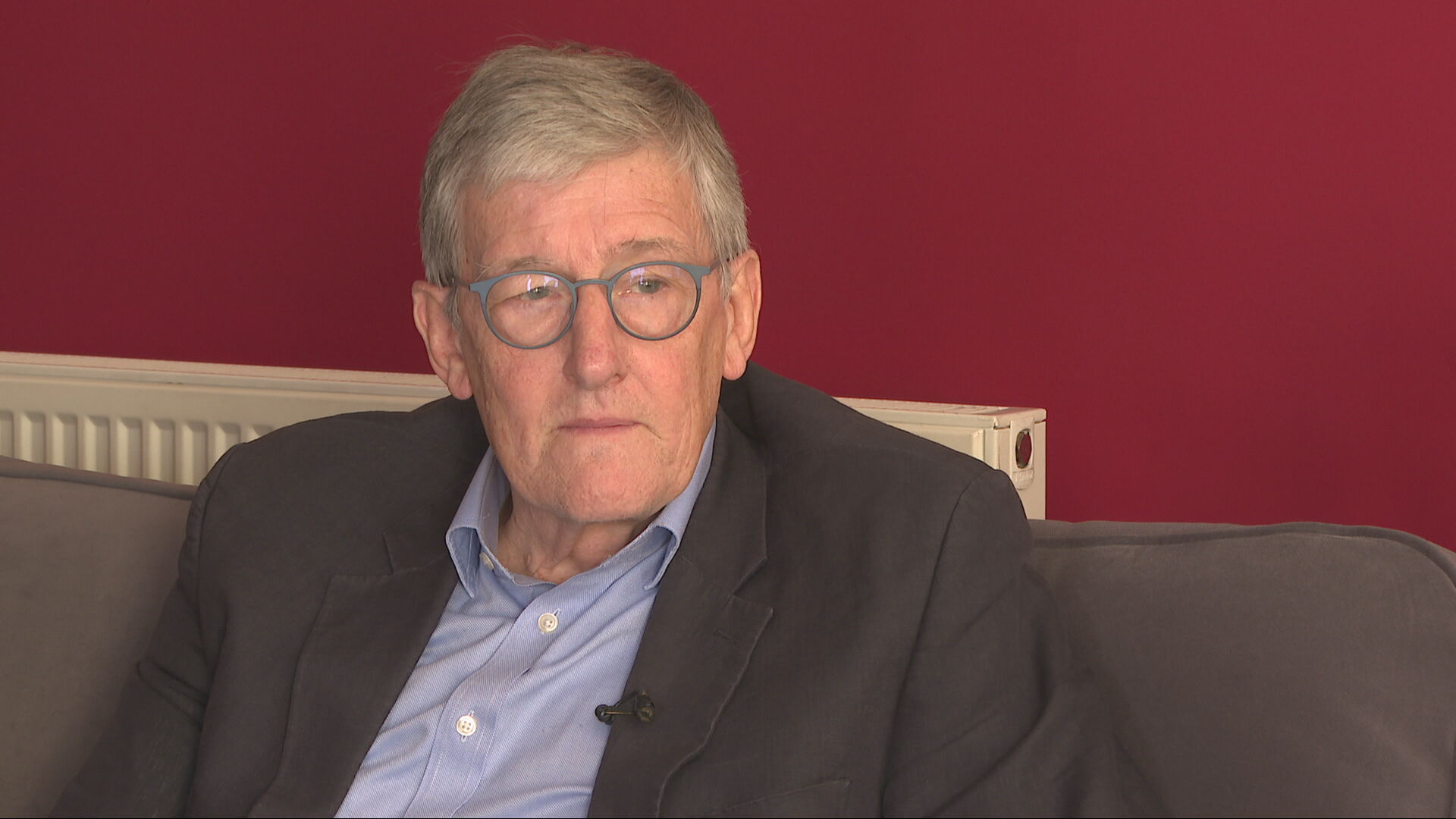
Former sheriff David Mackie said the extra cost was largely due to the length of time decisions take and the number of people involved in the process.
He said: “We have extraordinary expertise in Scotland and we have excellent policies, but we lack a system that imposes any kind of sense of urgency, a system that will meet the child’s timeline.
“I’m convinced by the research that a judge-led, time-limited process would be appropriate.
“Six months to a baby is a lifetime but it may not be very much in a decision making process.
“In England, there’s a 26 week time limit which is flexible but it’s still there and the judge is leading the process so it has achieved a catalytic effect of creating a general sense of avoiding delay, some urgency in ensuring that decisions are made in the child’s time scale.
“A distinct time limit within which decisions have to be made would be beneficial.”
 STV News
As part of work to deliver the Promise to transform the lives of care experienced young people, the Scottish Government has committed to a review of the impact of these delays.
Children’s minister Siobhan Brown says she will carefully consider the issues raised by frontline services but has stressed Scotland’s approach differs from England’s, with different legal routes and safeguards.
Brown said: “We recognise the vital importance of ensuring babies, children and young people have certainty over their future in a safe and loving home. Unnecessary delays are unacceptable and can have a profound impact on young people, so we are actively working with partners across the country to explore what we can change to prevent slow decision-making. That includes taking forward a statutory review of the impact of delays and supporting frontline practitioners to make stable, lasting arrangements for children.
“We are grateful to NSPCC Scotland for this work and will carefully consider their findings. However, it’s important to be clear that Scotland’s approach differs from England’s, with different legal routes and safeguards relating to permanence.”
Follow STV News on WhatsApp
Scan the QR code on your mobile device for all the latest news from around the country