The mum of a child conceived using donor sperm from a Danish clinic at the centre of a Europe-wide scandal has reflected on the “terrifying, unknown number” of siblings her son could have.
A major investigation was launched last year after it emerged a Danish donor who unknowingly carried a cancer-causing gene had fathered nearly 200 children across Europe.
Some children conceived from this donor are currently battling cancer while others have already died from the disease.
Solo mums in Scotland say the scandal has “eroded trust” in the fertility industry, prompting questions about how one donor could create so many children.
 STV News
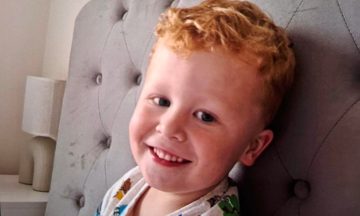
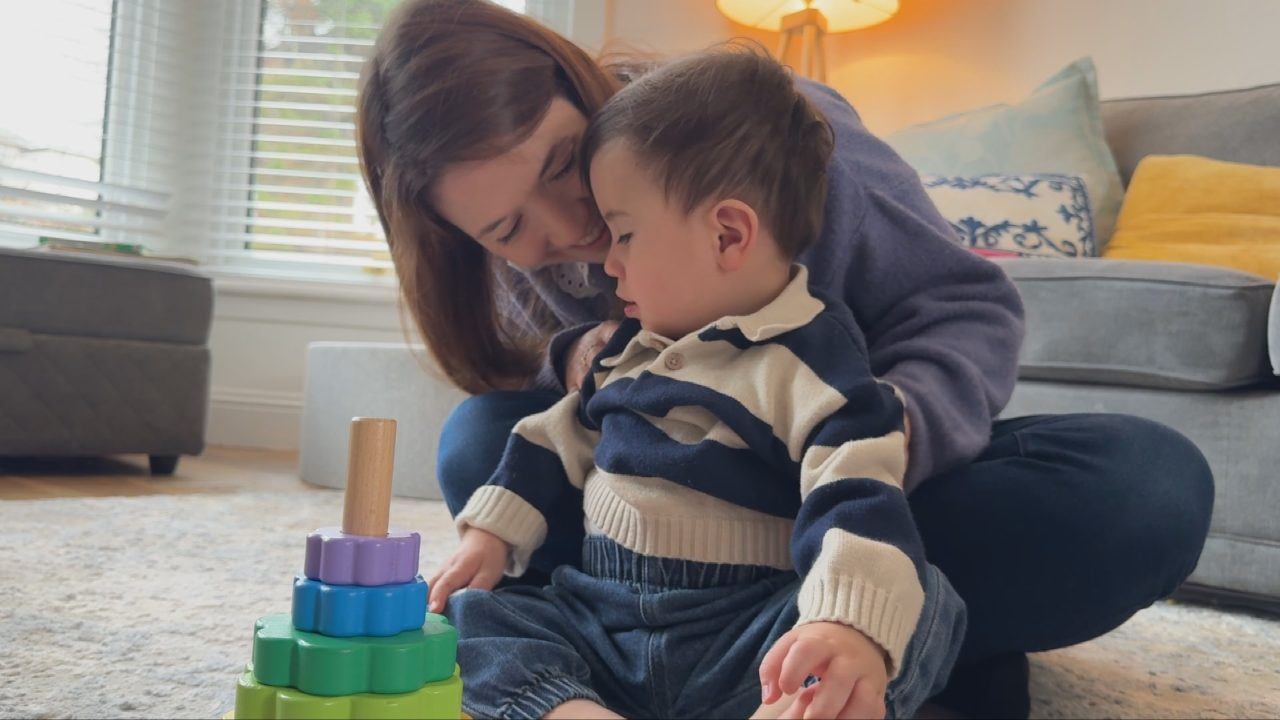
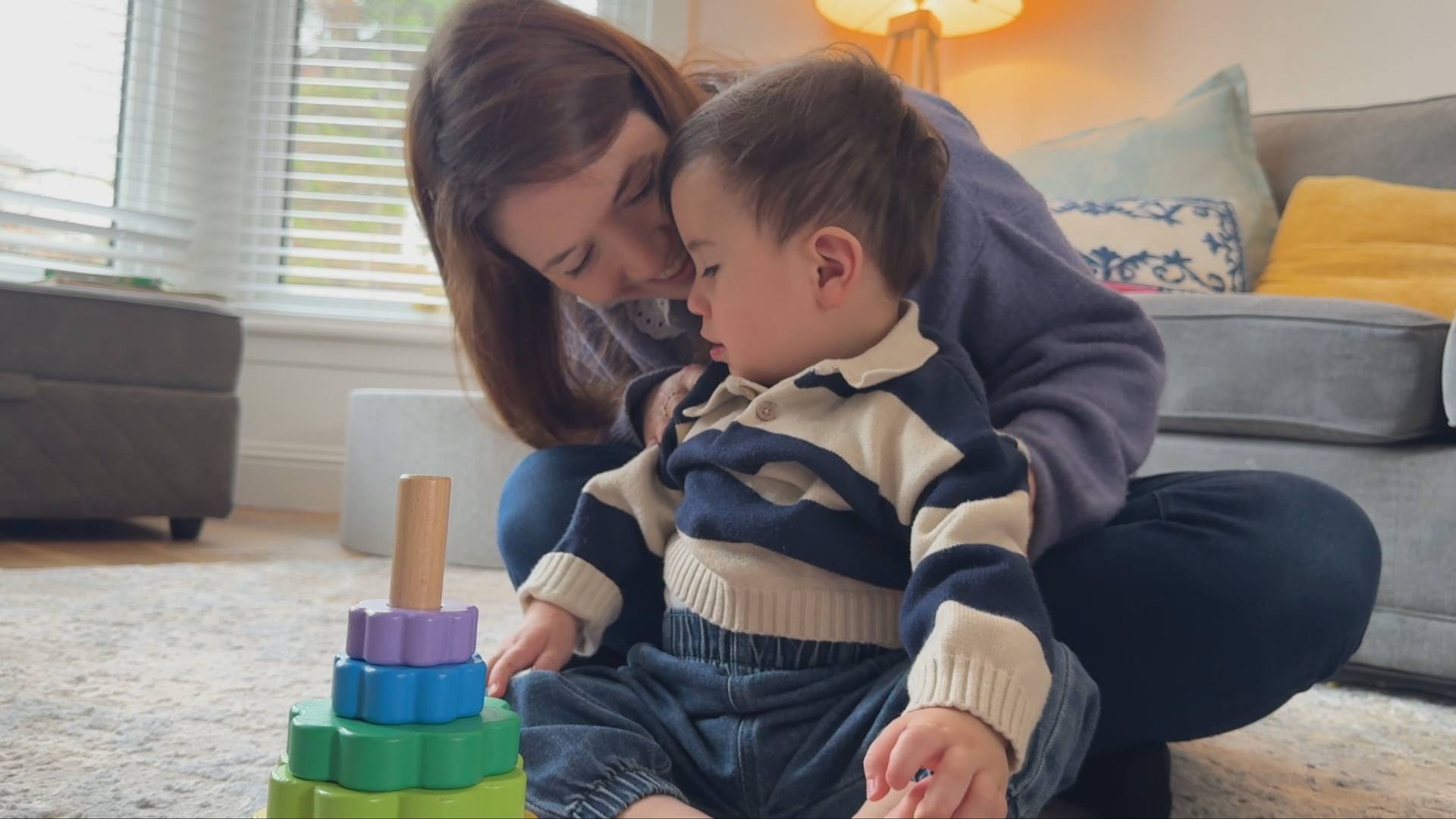
Toddlers Jonah and Maura share one remarkable connection: both were conceived using donor sperm from Denmark.
Their mums, Jenny Lucas and Fiona Wark, are part of a growing number of single women choosing fertility treatment in order to become parents independently.
“I was lacking a purpose in my life. I wasn’t sure what that purpose was, and then realised that I had a lot of love to give, but just nowhere to give it to. Meeting someone and getting to the stage of having a child with them.
“Was it all going to take too long? So I started researching, ‘can I do this by myself?'”
Demand for fertility treatment is rising sharply – but the number of domestic sperm donors has not kept pace, opening the door to international markets.
Across the UK, around 70% of new sperm donors in 2023 were imported from abroad, with the US supplying 27% and Denmark 21% of imported donors.
 STV News
In Scotland, more than a quarter of new sperm donors since the pandemic have come from Denmark. At the same time, the number of single women seeking fertility treatment has almost doubled.
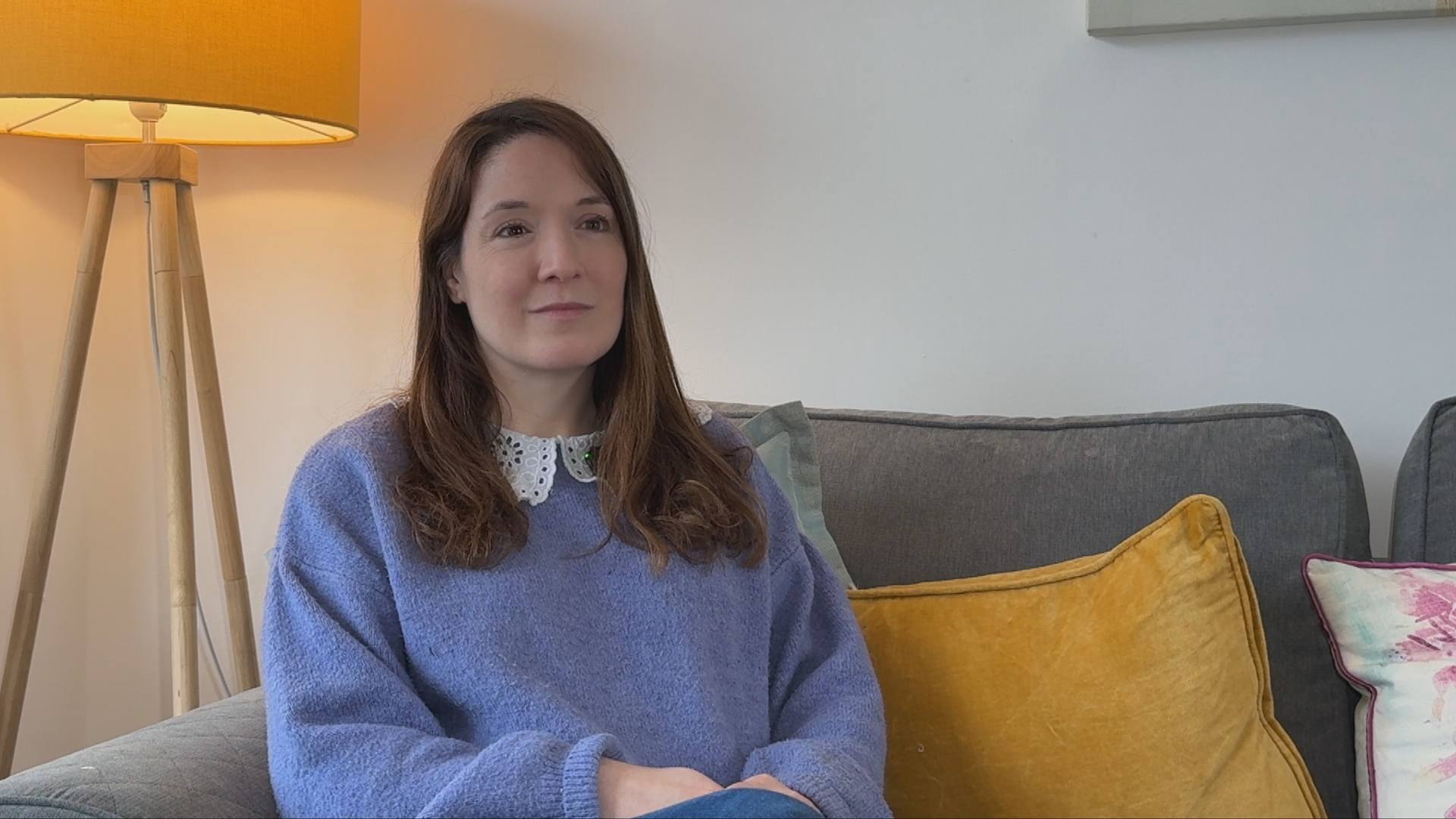
For Jenny, choosing to become a solo parent using a Danish donor felt like the right decision.
“I think the prospect of going out and dating again felt a bit laborious and a bit of a task.
“So for me, it felt, the right thing for me was to prioritise having a child first with keeping the option to have a relationship at some point in the future open.
“There’s so few donors in the UK, I think most people are looking outside. And I think you feel that you have to look there.
“At the time when you’re searching, it feels like the biggest decision in the world.”
Jenny said the news has been “really scary” for the solo mum community.
“Everyone’s aware of the potential of your child having lots of siblings. You understand that. But there’s a lack of certainty over how far that net could spread.
“We know in the UK that he’s only going to have ten families’ worth of siblings, but we have absolutely no idea how many families could be in Europe or America. That is really concerning.
“I don’t know how to tell my child in the future that he may have tens or hundreds of other siblings elsewhere, which he shouldn’t have based on what the clinics currently tell you. How do you tell that story?”
She added: “It erodes any trust that you have in these organisations. The industry makes a lot of money off people; you should trust that they’ll do what they say.”
‘Sperm banks are not being transparent’
 STV News
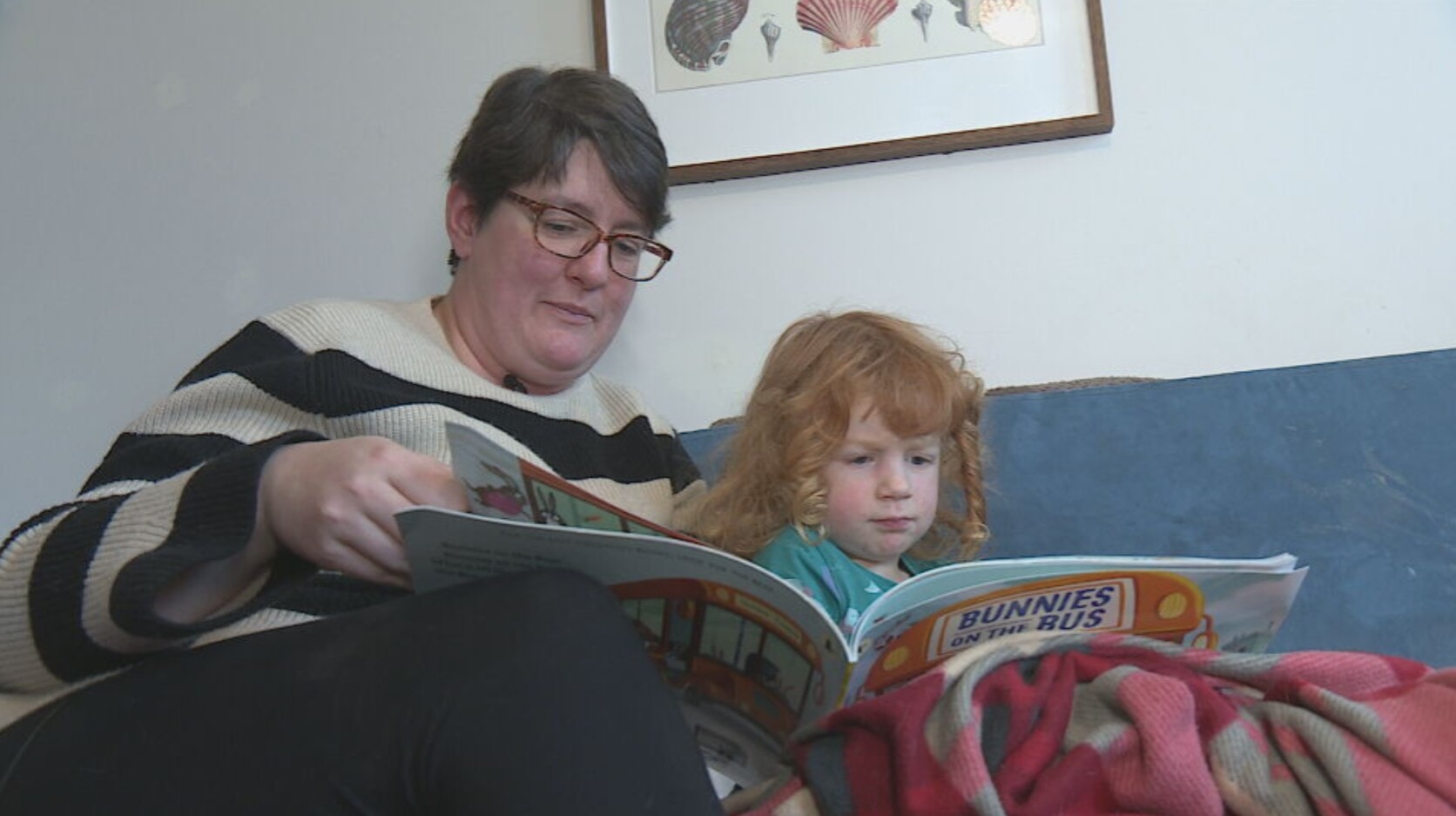
Fiona Wark, from Kinross, became pregnant with Maura after having IVF treatment at a clinic in Greece, also using donor sperm from Denmark.
“I had a conversation with my colleagues about it and they’re like so, ‘is it just like Tinder for sperm?’ it’s not an unfair analogy, but it’s not exactly ‘swipe left, swipe right.'”
Last year’s revelations about the cancer gene donor underline why oversight is needed.
Although Fiona’s own child is unaffected, Fiona says the industry needs to be better regulated.
“We need a worldwide limit,” she said.
“Looking back, I’d have done more research. You think sperm banks are a reputable business but they’ll tell you virtually nothing.
“There has been suggestions we should move to ‘known from birth’, so the father’s identity is available to the child. I’d be behind that, but it would drastically reduce the number of donors.”
Asked if she is angry about the scandal, she replied: “Yes, they are not transparent.
“I don’t want to feel that way. I don’t feel that parents should be made to feel that way. I signed a contract with them but Maura didn’t.
“Whatever she would want to do [in future], I would support that.”
 STV News
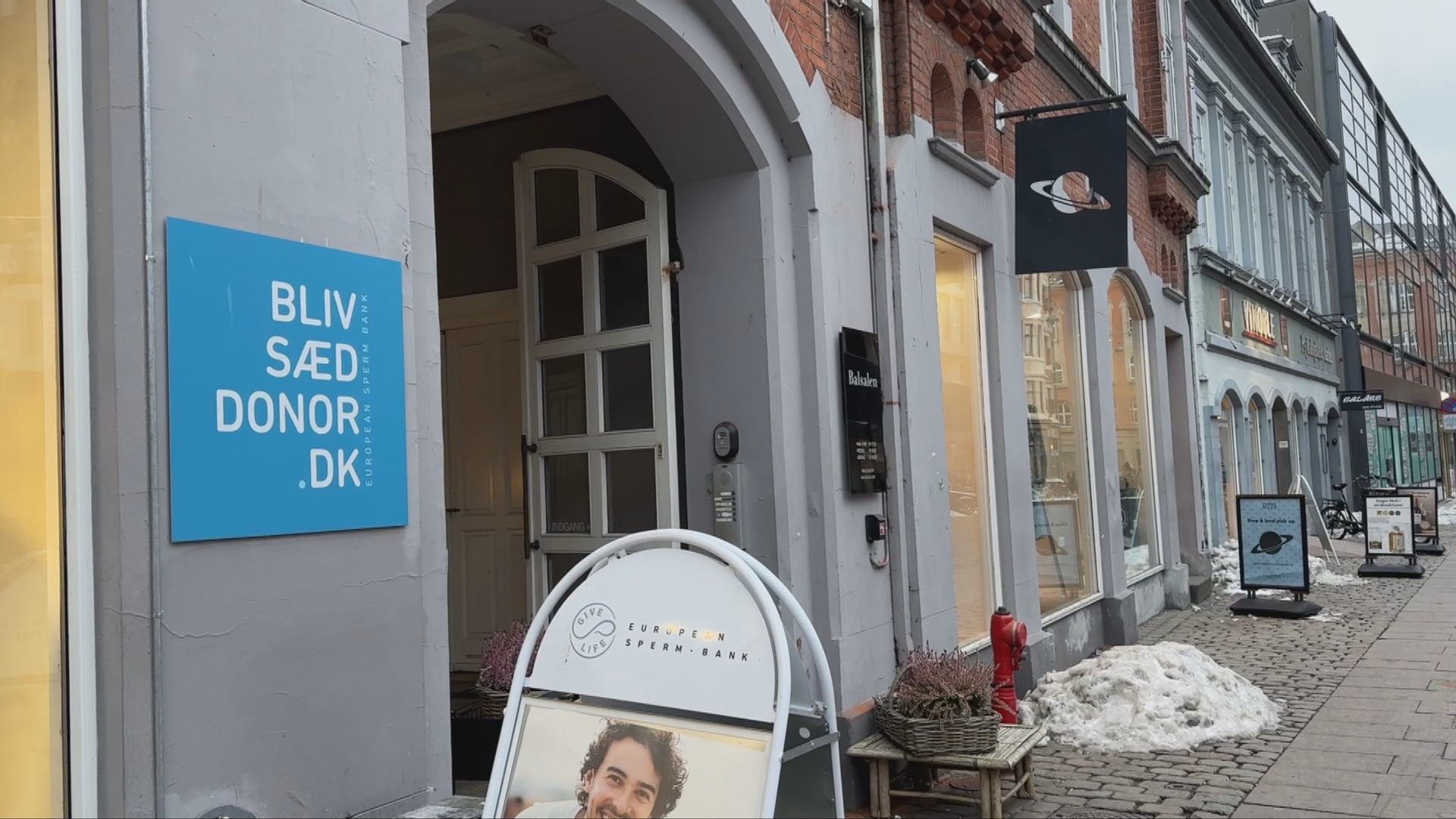
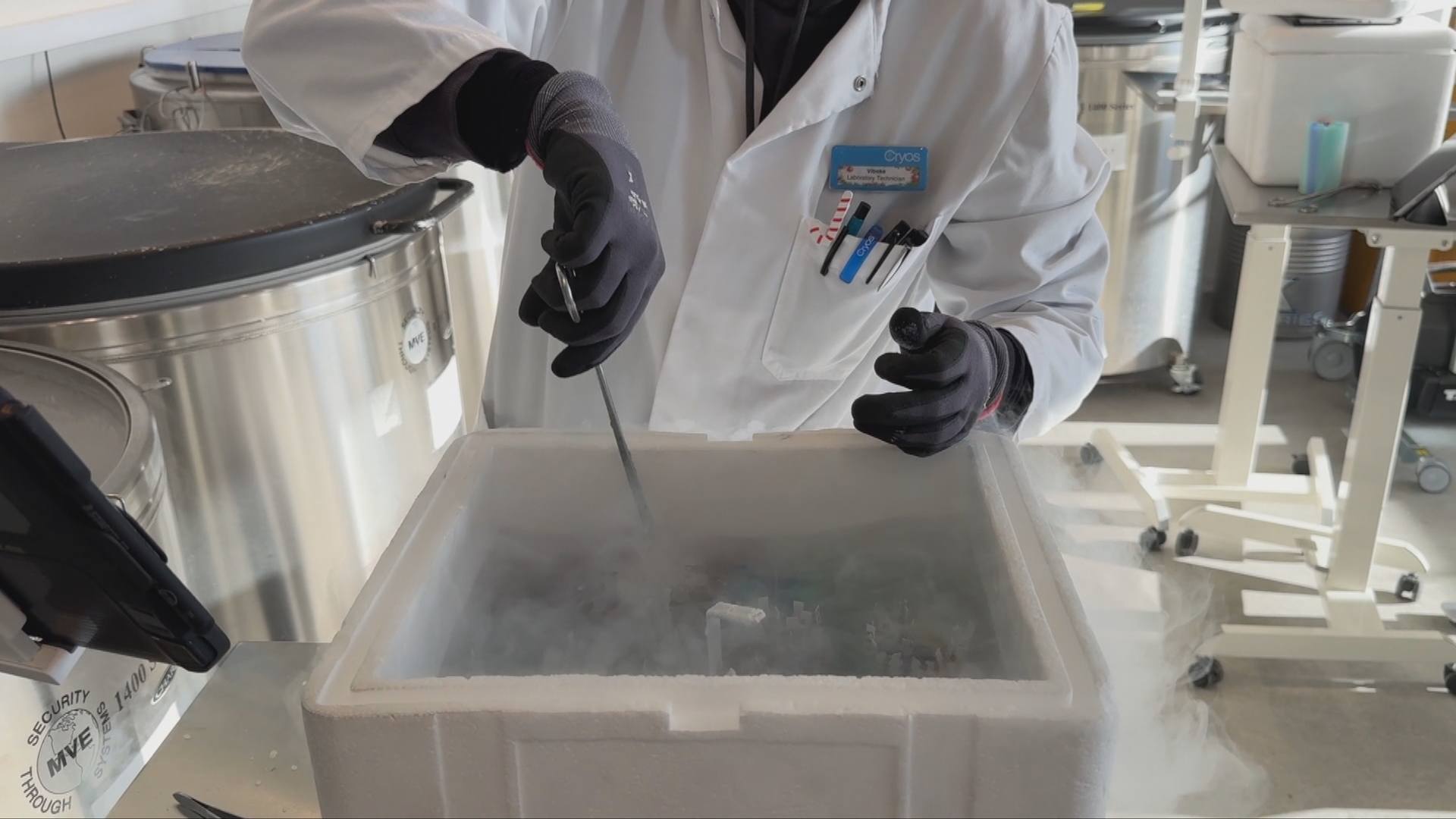
To understand why sperm donation become such big business in Denmark, STV News travelled to Aarhus, home to the world’s largest sperm and egg bank.
Cryos International opened almost 40 years ago and says it has helped create more than 100,000 births worldwide.
Each of its storage vats contains around 25,000 frozen sperm samples – though that doesn’t mean 25,000 donors. Only around 5% of applicants who are screened actually become donors.
Once frozen, samples can be packed and shipped to fertility clinics across Europe within days.
Unlike in Scotland, Danish donors can be paid and can choose to remain anonymous.
One donor who agreed to speak to STV News said financial motivation played a role.
“Like most people, probably financial, but also other benefits for me. I don’t want children. I don’t mind being an open donor, if someone wants to contact me. But I don’t have a responsibility – I’m not their father.”
 STV News
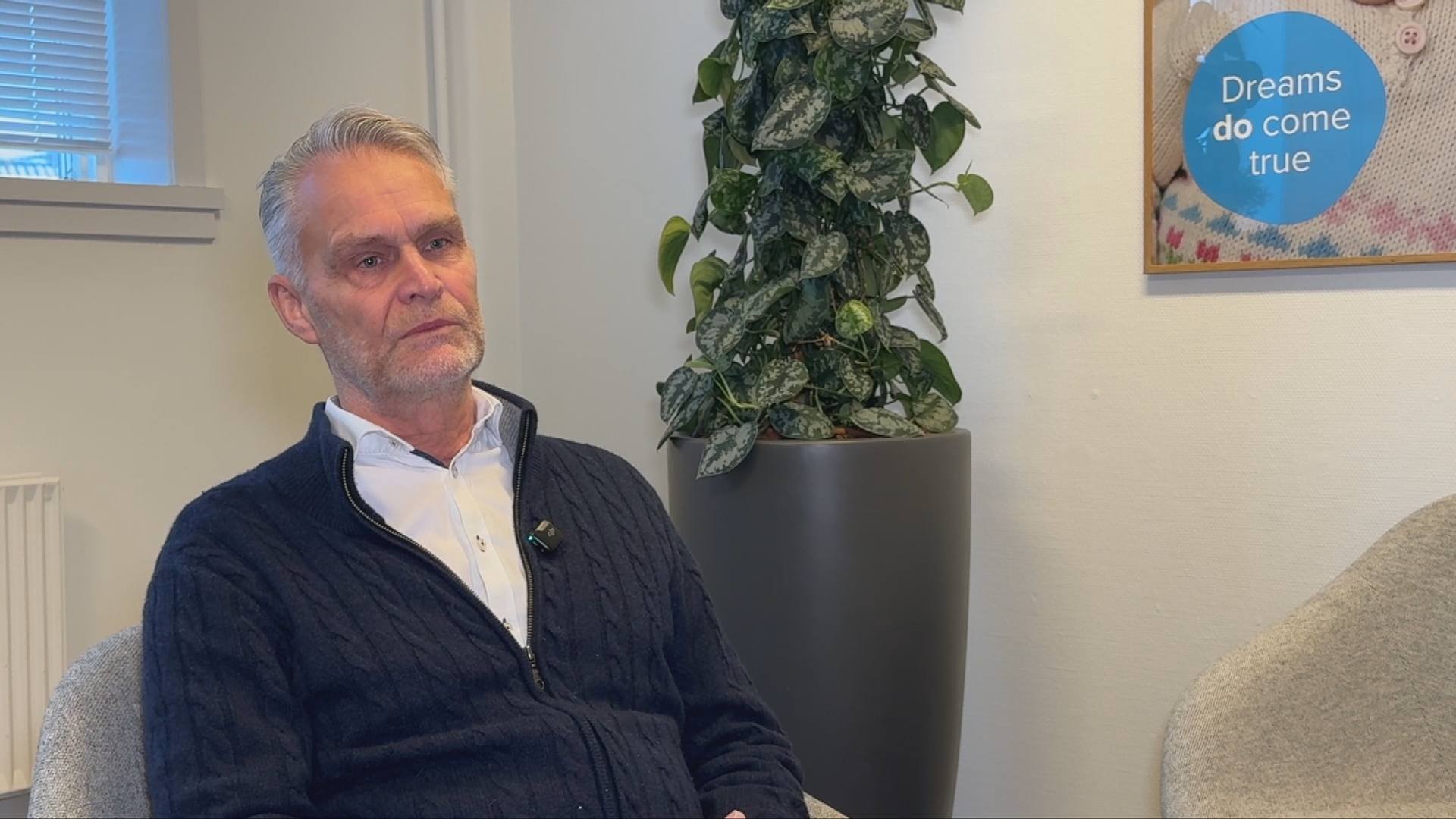
Cryos’ founder Ole Schou argues that more regulation is not the answer.
“Everybody is crying for more rules. I say no. It’s already too complicated.
“So it’s one big mess now. And the only thing is that there will be less and less supply and the prices will increase and we will not solve the problem.”
When asked whether that could lead to donors fathering hundreds or even thousands of children, he replied:
“That’s not a problem. If just you are transparent about it.
“Because what is important for the child’s welfare, that is, love and care, and you don’t necessarily need a specific genetic supplier to have that.
“We need to take the bureacracy away.”
 STV News
In Scotland, single women are not eligible for NHS fertility treatment unless there is a clear medical risk to their fertility.
The high cost of private treatment can push some people toward unregulated donor arrangements.
The HFEA warns that doing so can carry serious risks.
Director of Compliance and Information Rachel Cutting said: “By doing that you might not have the right legal parenthood for your child that donor might have rights.
“You don’t know the quality of the sperm that’s being used for the insemination, you don’t know the method that the donor is going to demand when they meet regulation is there for a reason.”
Rachel says there should be more financial support available.
“NHS funding is a huge implication and it would be amazing if there was more funding for people going through treatment. I think the costs are a barrier to fertility treatment.”
Jenny agrees.
“I think that would make a real impact,” she said. “I’m very fortunate that I have had the financial support to be able to do this, but that isn’t the case for so many people who potentially could miss out on this opportunity.
“It would be a shame for people to not have that chance.”
Public Health Minister Jenni Minto said: “The Scottish Government is committed to ensuring all eligible couples experiencing fertility issues, including same sex couples, receive the help they need to become parents.
“We expect NHS Boards to meet the needs of couples who are eligible for NHS fertility treatment and require donor gametes (eggs and sperm) for treatment.
“In line with other NHS donations such as blood, tissue and organs, the donor gamete campaigns invited altruistic donations as the NHS in Scotland do not make payments or provide compensation to donors including gamete donors. There are no plans to change this position.”
Follow STV News on WhatsApp
Scan the QR code on your mobile device for all the latest news from around the country