Bluetongue restrictions will be expanded across Scotland as cases rise on farms.
The Scottish Government confirmed the Bluetongue Restricted Zone, currently covering parts of the south west, will be extended to cover the whole country from Saturday.
The change means the movement licences currently required to move susceptible livestock, such as cattle, sheep and other ruminants, into, within and out of the south west zone will no longer be necessary.
The whole of Scotland will share the same disease status.
Since the restricted zone was established, the disease has been detected on 40 premises.
The first cow in Scotland tested positive for the potentially deadly virus in Creetown back in August.
Four of these cases were detected outside of the zone by tracing animal movements from affected farms.
All affected farms are under movement restrictions, and cooler temperatures mean that there is a lower opportunity for onward disease transmission.
Some bluetongue-related conditions will remain in place, such as the requirement that animals should not be moved when displaying clinical signs of the disease.
What is bluetongue?
Bluetongue only affects animals and does not affect humans or food safety. It is mainly spread by biting midges.
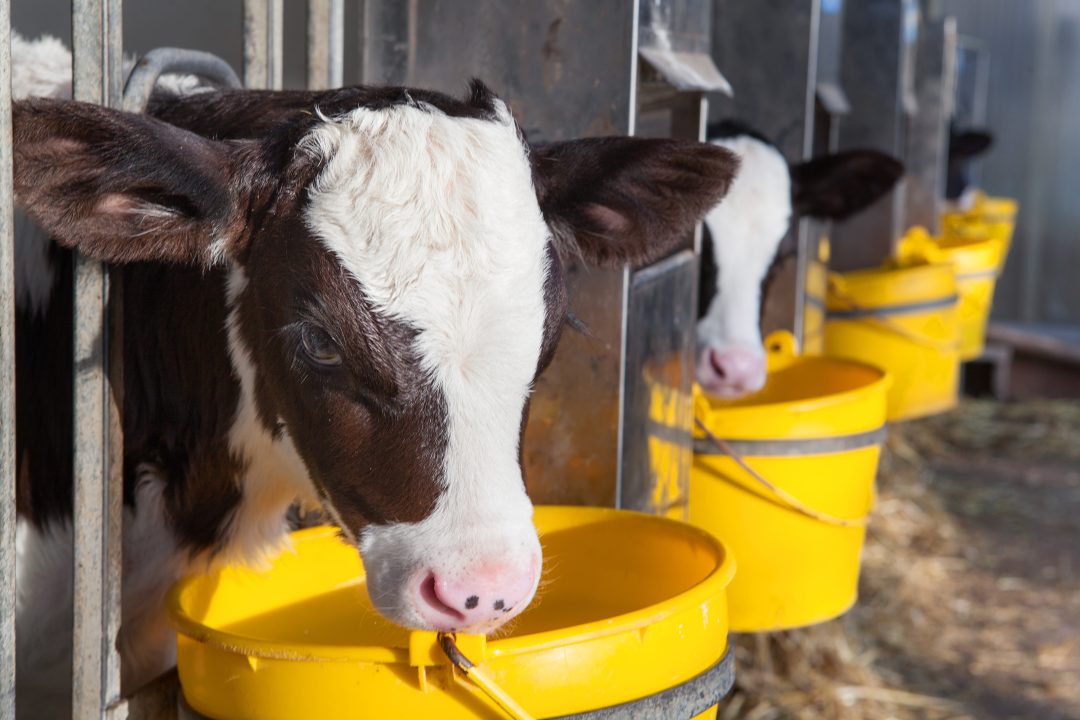
Symptoms include nasal discharge, redness and swelling of the lips, nose and muzzle, lameness or reluctance to stand, a decrease in milk production and diarrhoea in cattle.
If an animal is showing signs of bluetongue, it must be reported immediately to the Animal and Plant Health Agency.
Minister for agriculture, marine and the islands Jim Fairlie said: “Extending the Restricted Zone to cover the whole of Scotland is a practical, sensible step that reflects the reality of the situation we now face. It recognises that bluetongue is not going away any time soon, while removing an administrative burden on farmers at what is a critical time in the trading calendar.
“This decision has been agreed with the industry, who saw no reason to delay, allowing businesses time to plan accordingly. I want to thank them for their continued constructive engagement as we’ve worked through our response to what I know has been a very difficult time for farmers.
“While extending the zone removes the need for movement licences, it does not change our long-term approach to tackling this disease. Vaccination remains the single most effective way for farmers to protect their animals from the worst effects of bluetongue, and I would strongly encourage anyone with susceptible livestock to speak to their vet now to discuss the right vaccination approach and to secure supplies ahead of next year’s higher-risk season.”
Follow STV News on WhatsApp
Scan the QR code on your mobile device for all the latest news from around the country