 PA Media
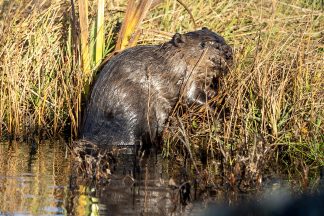
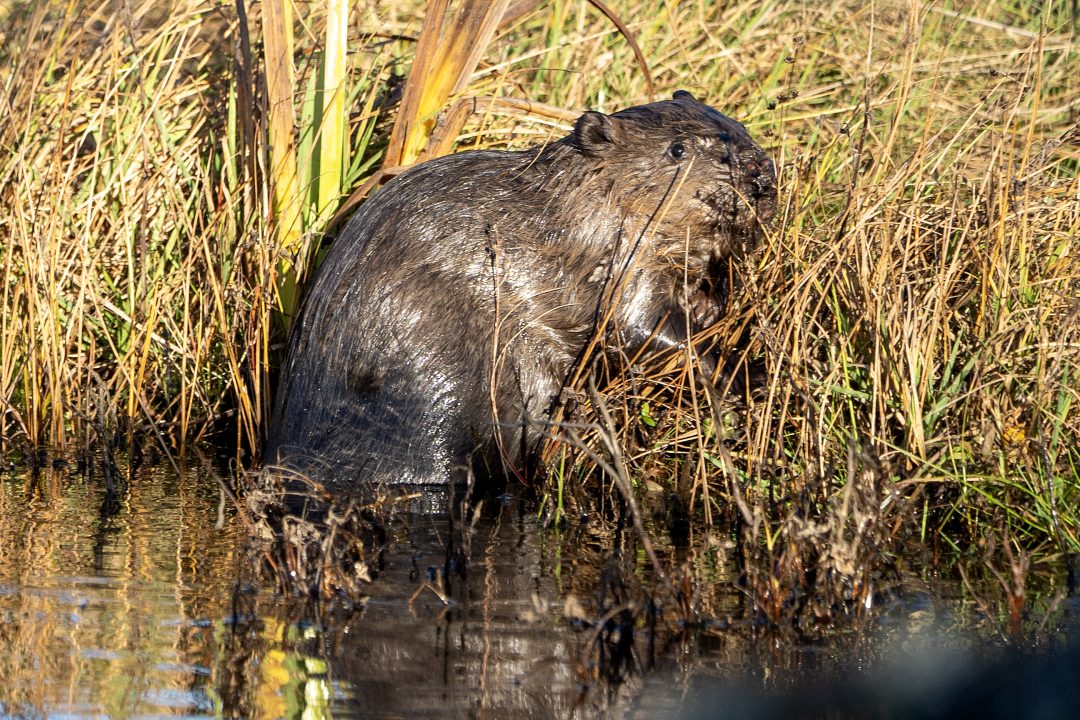
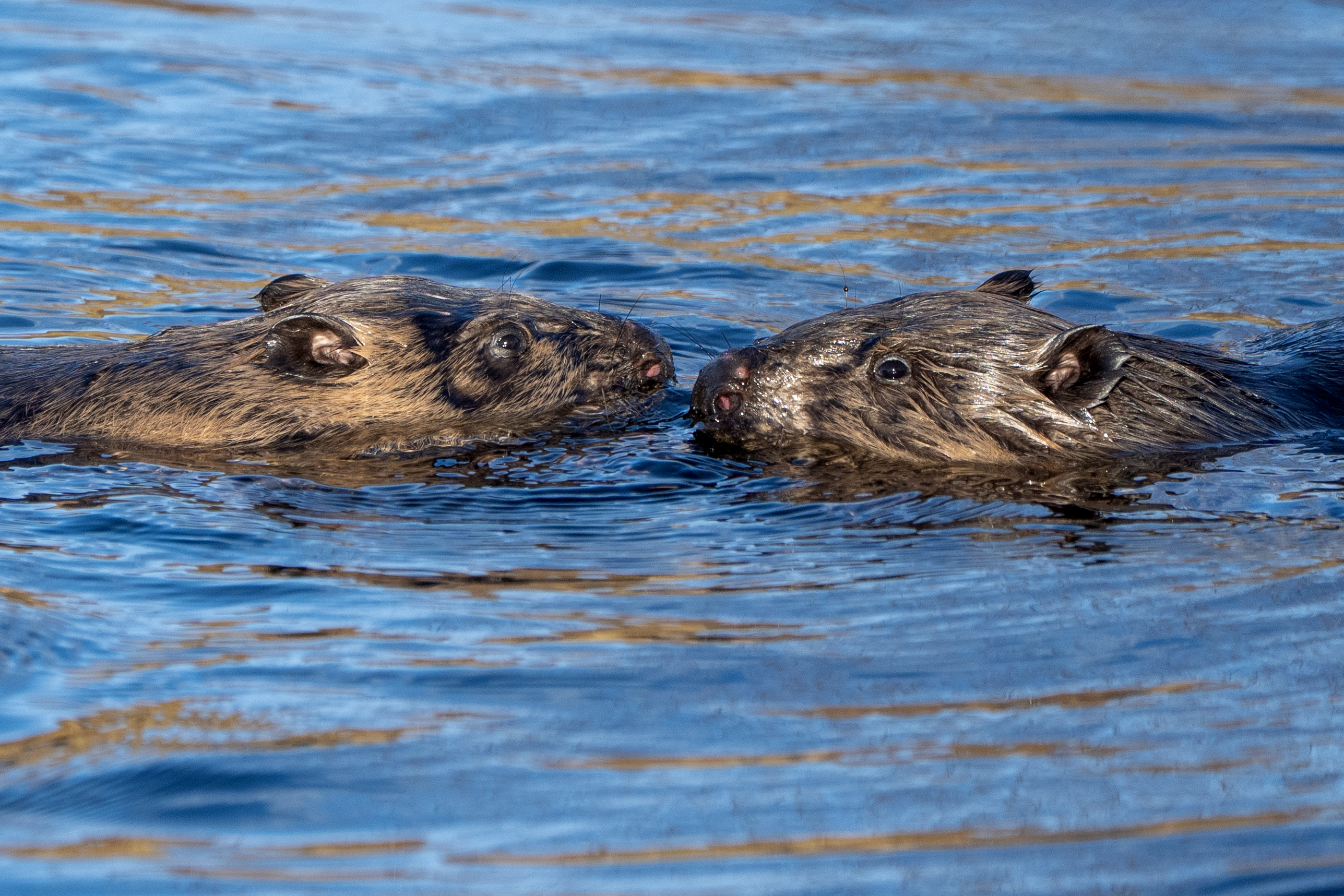
The beaver population in two parts of Scotland has grown considerably in recent years, according to a survey.
Across the Tayside and Forth regions, there are now 349 confirmed territories inhabited by the species, and 56 other possible territories in the same areas.
NatureScot says this represents a large increase when compared with previous surveys, which recorded 39 territories in 2012, 114 in 2017/18, and 251 in 2020/21.
If all of the other 56 remaining possible territories are confirmed, this would bring the total for 2026 to 405.
The survey was conducted between 2024 and 2026, covered 2,397km of bodies of water (1,489 miles), and found more than 20,000 confirmed signs of beaver life.
Half of recorded beaver activity was found in woodland areas near the waterside, and 28% was recorded on agricultural land.
 PA Media
NatureScot says this is in contrast to 2020/21, where around two-fifths (41%) was recorded on farmland, and around a third (34%) on waterside woodlands.
Because of the varying size of beaver groups, researchers were unable to provide a figure for the overall Scottish beaver population.
Dr Roo Campbell, NatureScot mammal adviser, said: “Beavers bring many benefits for nature and people, so it’s great news that this latest survey confirms that the population is continuing to expand into new areas.
“It’s particularly interesting that more dams were recorded relative to the population size, perhaps an indication of beavers moving into less agriculturally dominated landscapes and smaller burns.
“The wetlands these dams create are important for biodiversity and valuable to us because they can alleviate flood and pollution risk downstream. To gain these benefits we need to adapt to live alongside beavers throughout our waterways.
“We know that beavers can occasionally cause issues, and as the population continues to spread, NatureScot’s Beaver Mitigation Scheme will continue to be available to help land managers as we learn to live alongside beavers in our rivers, lochs and wetlands.”
 PA Media
Dr Roisin Campbell-Palmer, head of restoration at Beaver Trust, who collaborated with NatureScot for the survey, said: “We’re proud to have carried out what may be the largest survey of beaver activity ever undertaken.
“Covering 2,397km of waterways on foot and by canoe during 2024/25 took an enormous amount of time, effort and dedication from our team.
“It’s encouraging to see the population growing and beavers establishing themselves in new areas.
“At the same time, we are seeing a slowing of population growth compared with previous surveys as the core catchments become more occupied, with natural and human-made barriers limiting movement into some new catchments or sub-catchments.”
The project was also assisted by researchers from the University of Exeter.
Alan Puttock, environmental scientist and lecturer at the university, said: “By applying a rigorous, systematic approach to surveying Scotland’s largest wild beaver population, this survey, and the surveys that preceded it, give an incredibly valuable insight into the return of beavers to our modern landscapes.
“The extent of these surveys is unprecedented, and we hope the data they contain will encourage coexistence with wild beavers in Scotland and beyond, helping to maximise the benefits and minimise the conflicts associated with this ecosystem engineer.”
Follow STV News on WhatsApp
Scan the QR code on your mobile device for all the latest news from around the country