 Getty Images
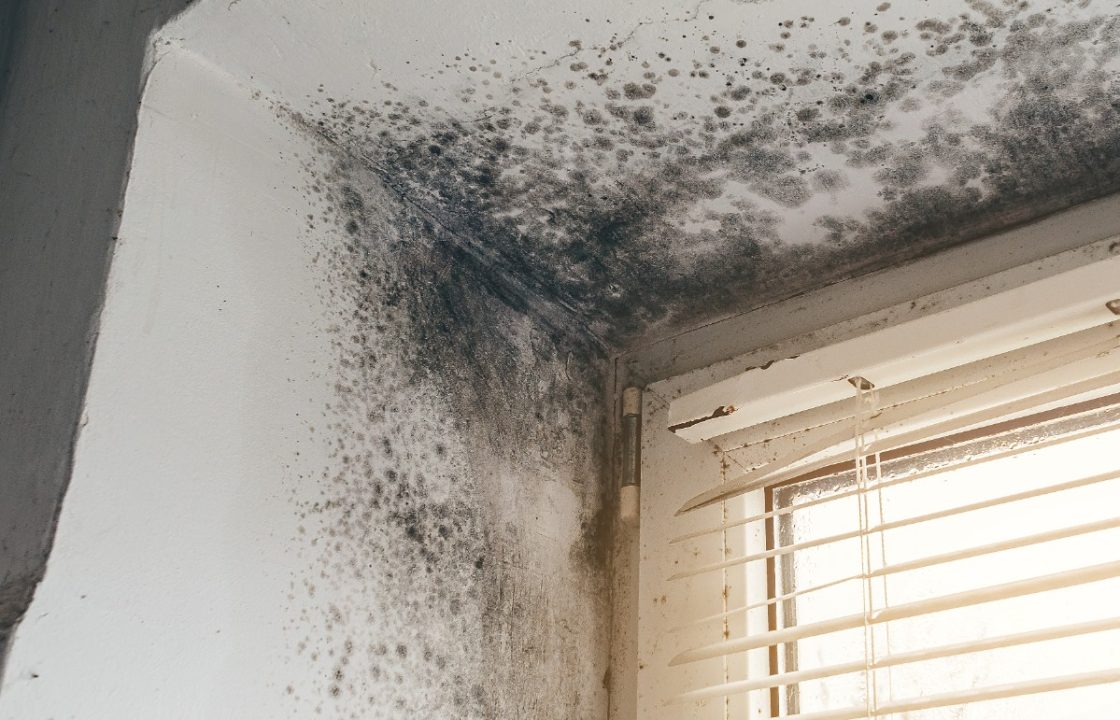
New laws strengthening tenants’ rights against damp and mould come into force across Scotland on Tuesday.
The legislation, known as Awaab’s Law, introduces strict deadlines for investigating complaints and carrying out repairs, with ministers aiming to prevent tenants from being left living in unhealthy conditions for prolonged periods.
The changes are being introduced through the Investigation and Commencement of Repair (Scotland) Regulations 2026.
What is Awaab’s Law?
The new measures are named after Awaab Ishak, a two-year-old boy who died in England after prolonged exposure to mould in his family’s housing association home. His death prompted calls for stronger protections for tenants across the UK.
 PA Media
In Scotland, the new law is officially known as the Investigation and Commencement of Repair (Scotland) Regulations 2026.
They apply to both social and private landlords.
Housing secretary Shirley-Anne Somerville said: “No child should ever suffer the way Awaab Ishak did, and no family in Scotland should have to live with damp or mould that’s ignored or brushed aside. That’s why, as of today, landlords have a legal duty to act within days.
“We know the overwhelming majority of rented homes in Scotland are decent, warm and dry. But for the small number where that isn’t the case, this law closes the gap. Tenants no longer need to fight to be believed, and landlords now have a clear, consistent standard to work to.”
What will landlords have to do?
Under the new requirements, landlords must ensure reports of damp or mould are investigated by a competent person within ten working days of becoming aware of the issue.
Once the investigation is complete, tenants must receive a written summary of the findings within three working days.
If substantial damp or mould is discovered, landlords must begin repair work within five working days of the investigation concluding.
Social landlords must then complete those repairs within a maximum of 20 working days, while private landlords are required to finish the work as soon as reasonably practicable.
Which homes are covered?
The regulations cover homes rented from councils and housing associations under Scotland’s Right to Repair Scheme, as well as most privately rented properties covered by the Repairing Standard.
The duties apply where the damp or mould relates to parts of the property that are the landlord’s responsibility to maintain and repair.
Why is the law being introduced?
The Scottish Government says damp and mould can have serious consequences for both physical and mental health, particularly among young children, older people and those with existing health conditions.
Ministers say the new legislation is intended to provide greater protection for tenants by setting clear legal expectations on how quickly landlords must respond once a problem is reported.
Can landlords miss the deadlines?
The guidance recognises that there may be exceptional circumstances beyond a landlord’s control.
Examples include severe weather, contractor shortages, illness, bereavement, difficulty gaining access to a property or delays caused by external approvals.
However, landlords must notify tenants if they cannot meet the required timescales, explain why there has been a delay and provide a revised timeframe.
They must also take reasonable interim steps to minimise the impact of damp and mould while a permanent fix is arranged.
What does it mean for tenants?
The biggest change for tenants is that landlords will now be required to meet specific legal deadlines rather than simply responding within a broadly reasonable period.
Anyone experiencing damp or mould will have a clearer route for holding their landlord to account, while housing providers will be expected to keep records showing how they complied with the new duties.
The Scottish Government hopes the measures will ensure fewer people are forced to live for months or years in homes affected by serious damp and mould problems.
Who do I complain to?
Under Awaab’s Law, the first step is always to complain directly to your landlord through their formal complaints process. The guidance says landlords and tenants should try to resolve issues through the landlord’s complaints procedure before escalating matters further.
If that doesn’t work, who you complain to depends on the type of tenancy.
Social housing tenants can seek compensation under the existing Right to Repair Scheme. The guidance says this can be £15 initially, plus £3 per working day until the issue is resolved, up to £100.
Those tenants can also escalate complaints to the relevant landlord complaints process and then to the Scottish Public Services Ombudsman if they remain dissatisfied.
Private tenants can apply to the First-tier Tribunal for Scotland (Housing and Property Chamber) if their landlord fails to deal with the problem. The tribunal can order repairs and take enforcement action where the Repairing Standard is not being met.
The guidance states the tribunal will consider whether the landlord complied with Awaab’s Law timescales when deciding the case.
Follow STV News on WhatsApp
Scan the QR code on your mobile device for all the latest news from around the country