 SSPCA
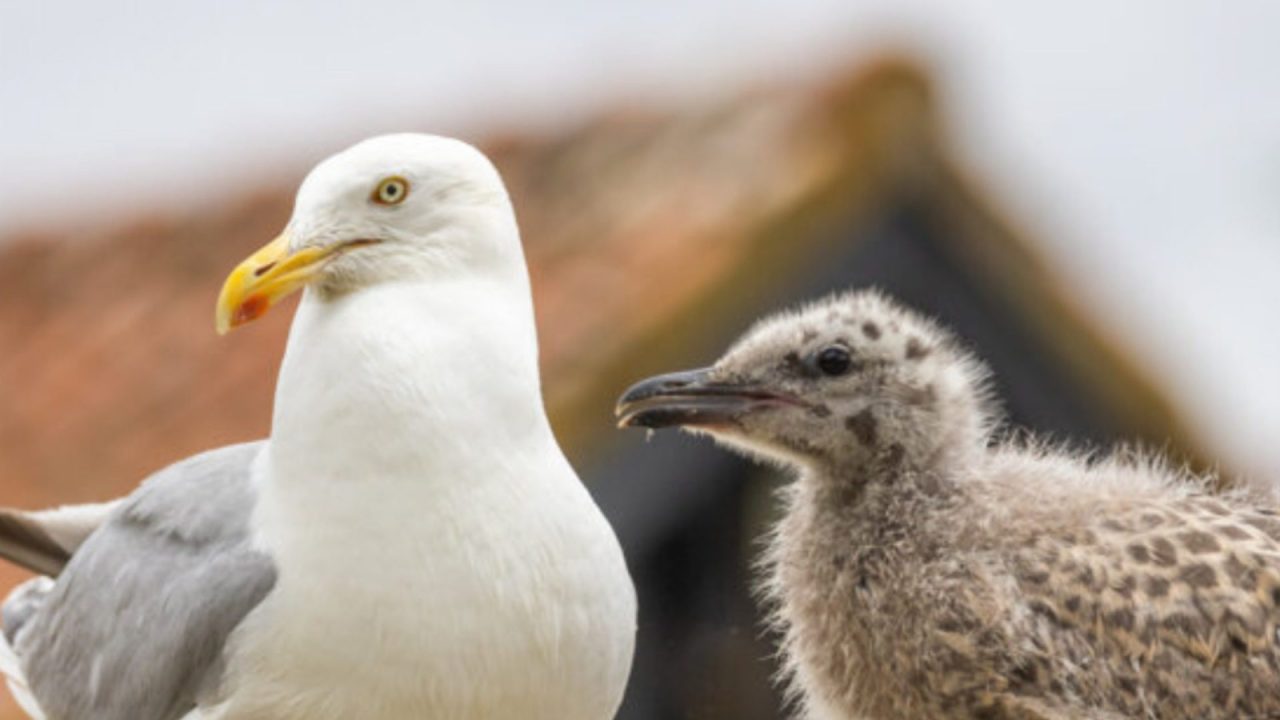
SSPCAThe public is being urged not to “rescue” baby seagulls due to thousands of unnecessary admissions to rescue charities.
The RSPCA, Scottish SPCA, and the British Wildlife Rehabilitation Council (BWRC) have raised concerns about the number of gulls brought into their care each year.
The charities say a number of these are healthy chicks or fledglings that did not require help.
While kind members of the public believe they are helping the birds that have been abandoned, they often just leave the nest as the birds learn to fly.
Wildlife rescue teams are also receiving many thousands of calls from concerned members of the public, particularly during the peak breeding season.
Verity Miles, wildlife rescue expert at the RSPCA, said: “Each summer, our wildlife centres see a surge in young gulls being brought in by kind members of the public.
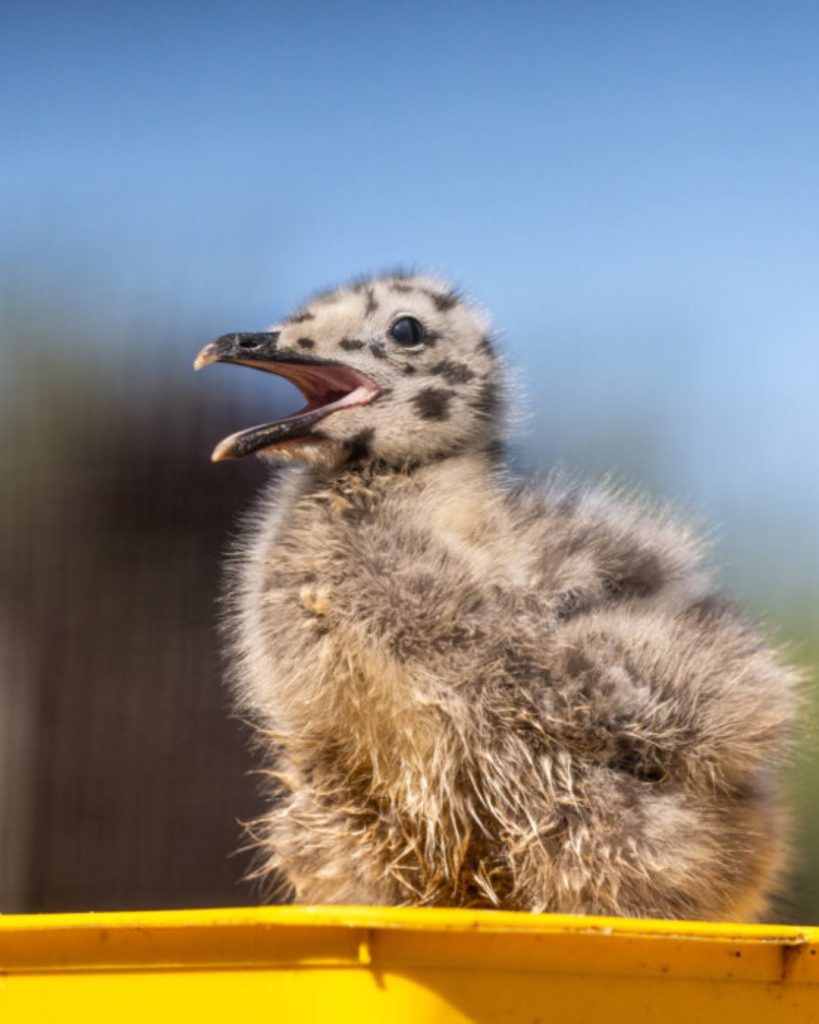
“Gulls are such underappreciated animals, so it’s amazing so many people want to help them. However, in many cases, these birds have not been abandoned but have left the nest as they learn to fly – this is a normal part of their development.
 SSPCA
SSPCA“Their parents will usually remain nearby and continue to feed and protect them, but sadly, many well-meaning passers-by will mistake this for abandonment.”
As well as the risks to the birds themselves, this surge in admissions means a strain on resources at rescue centres as they are potentially diverted from helping genuinely sick and injured wildlife.
The RSPCA alone has cared for nearly 4,000 gulls in their wildlife centres over the past five years, particularly over the summer months, with a substantial peak in June.
More than half of these involved young birds thought to be orphaned or grounded. The Scottish SPCA attended over 11,000 gull-related incidents during this same period – highlighting the scale of public concern and seasonal demand.
Sean Meechan, wildlife operations lead from the SSPCA, said: “Our rescue officers attend thousands of gull-related calls each year, especially in early summer. While some situations do require intervention, the majority involve healthy birds that are best left alone.”
Experts from the RSPCA, Scottish SPCA and BWRC warn that unnecessary intervention can actually do more harm than good.
Paul Reynolds, chair for the BWRC, added: “Taking a healthy chick or fledgling away from their parents can cause stress to the young bird and significantly reduce their chance of survival.
“Not only that, but it is also an offence to disturb, or take gulls or eggs from their nests, unless absolutely necessary, so you may inadvertently be breaking the law by bringing in gulls that are not sick or injured.”
The public is being urged to only intervene if the bird is clearly sick or injured.
Anyone who has concerns about an injured baby gull is asked to leave it where it is so its parents can continue to feed it.
Very young chicks in immediate danger can be carefully moved to a nearby, safe, elevated spot, if possible.
A vet or reputable wildlife rehabilitator can be contacted about an injured baby gull, while injured adult gulls can be reported to the RSPCA or Scottish SPCA, who may advise contacting a local wildlife rehabilitator.
The increased handling and higher number of birds in care can also sadly raise the risk of disease transmission, such as avian influenza.
Sean Meechan, from the Scottish SPCA added: “The Scottish Government advises against handling gulls. If you’re concerned, the best course of action is to contact us, and we can assess the situation.”
Follow STV News on WhatsApp
Scan the QR code on your mobile device for all the latest news from around the country