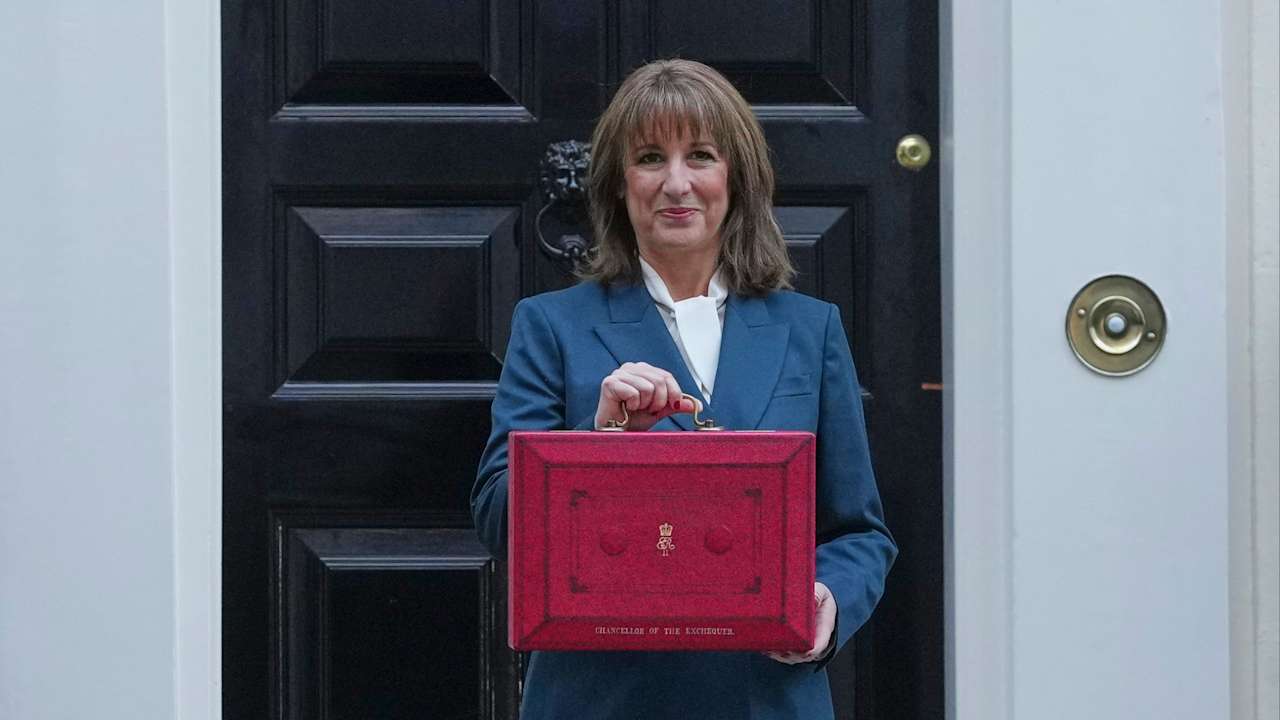
On Tuesday Chancellor Rachel Reeves will deliver her spring statement to parliament, where she’ll update MPs on the economy.
Last year’s spring statement was a key moment for Reeves as she tightened spending plans and announced a series of major welfare cuts.
But this time around it’s expected to be much less eventful – with the Treasury insisting there will be no announcements or changes to tax or spending.
What is the spring statement?
There are two major fiscal events for the government each year – the Budget and the spring statement.
At the Budget ministers lay out their main plans for tax and spending, while the spring statement is more of a mid-year update where the government are able to make some changes.
But the spring statement on Tuesday is set to be a relatively low-key affair, with no policy announcements.
There will be key economic statistics from the Office for Budget Responsibility published alongside the statement, with projections released for growth, inflation, unemployment, government spending and tax revenues over the coming years.
The government will be publishing the OBR forecast itself this year after the watchdog accidentally published the Autumn Budget early.
At the Budget the OBR said the chancellor had a £21.7bn financial safety cushion, known as “headroom” – and it’s expected that won’t have changed massively.
Why is this spring statement different?
Reeves decided when she became chancellor that she would only have one fiscal event a year, with the Budget being the big moment.
Last year’s spring statement was more of an event because it was Reeves’ first one, where she faced a difficult economic climate, hadn’t left herself enough headroom, and announced sweeping benefits cuts which she later u-turned on.
The Treasury is downplaying Tuesday’s event as far more muted, the chancellor’s speech will be much shorter, and she’s not expected to pop up in interviews on TV screens afterwards.
The OBR report this year is however expected to reflect several significant policy changes made since the Budget, such as last week’s £3.5 billion special educational needs spending package, the reversal of plans to introduce inheritance tax on farmers before Christmas, and a reversal earlier this year on raising business rates for pubs.
This year there will also be no assessment from the OBR on whether Reeves has met her self-imposed fiscal rules, which say that debt should be falling as a share of national income by 2030, and the government shouldn’t borrow to fund day-to-day spending.
How is the economy doing?
The Labour government has made economic growth one of their key missions, but the growth they’ve so far been able to achieve has been pretty sluggish.
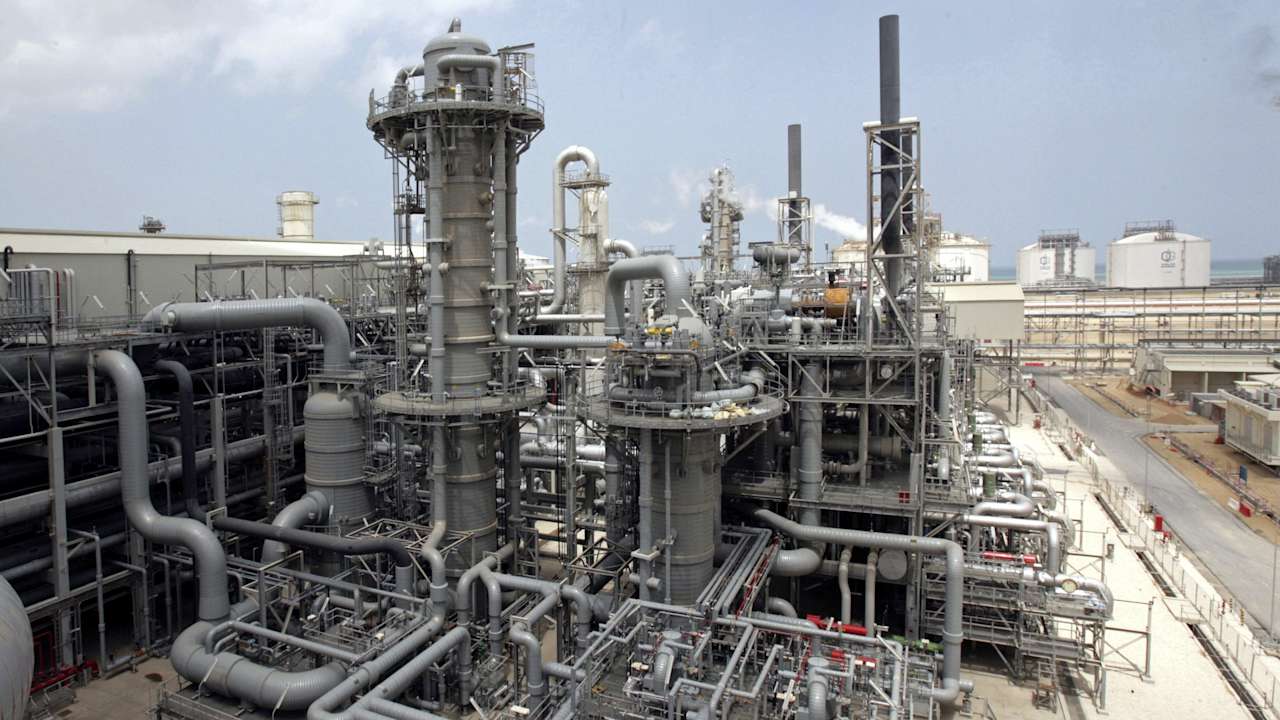
It’s also likely that any narrow improvements to the economy will now be overturned by the US-Israel war on Iran which has led to a spike in oil prices.
As ITV’s Political Editor Robert Peston observed on Monday, the war means “global and UK inflation will almost certainly be higher than otherwise and growth lower”, and hopes of a sustained fall in energy prices is also “probably gone”.
GDP figures released in February showed the economy grew by only 0.1% in the last three months of 2025, which was less than expected.
The Office for National Statistics also published data last month showing a higher than expected surplus from tax receipts.
It was the biggest ever Budget surplus of £30.4bn recorded after an increase in self-assessment and capital gains tax receipts.
Retail sales improved in December, while interest rates were cut and inflation has been falling.
The energy regulator Ofgem also announced last week that energy bills will fall by £117 for millions of British households from April.
Follow STV News on WhatsApp
Scan the QR code on your mobile device for all the latest news from around the country