What to expect in the Scottish budget?
-
 Help for families struggling with the cost of living crisis
 - ‘Strong investment’ for the NHS to tackle long waiting times
- Measures to reduce child poverty following the UK Government’s decision to scrap the two-child benefit cap
- No increases in income tax rates and bands
The Scottish Budget will be set out to Holyrood on Tuesday, but what can we expect from it?
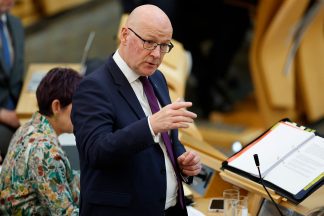
The First Minister has promised that the Budget for 2026-27 will be focused on helping families struggling with the cost of living crisis, as well as providing “strong investment” for the NHS.
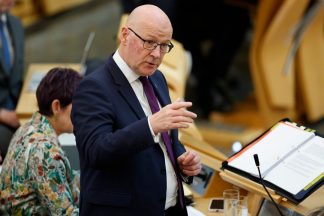
On Monday, John Swinney said he hopes the Budget could help build on what he insisted was “significant progress” made by the NHS in tackling long waiting times that have accumulated since the Covid pandemic.
The First Minister said his government will also take steps to invest in boosting the Scottish economy.
Finance secretary Shona Robison added that her tax and spending plans for the year ahead will stand in “stark contrast” to Westminster policies that she believes are “holding Scotland back”.
The Scottish Budget has come later than usual, reflecting the timing of the UK Government’s Autumn Statement in November and the time required to assess its implications for Scotland’s public finances.
The UK Government confirmed that Scotland is expected to receive an additional £820m in Barnett consequentials by the end of the decade.
The decision to remove the two-child cap on benefits will also free up funding that had previously been allocated by the Scottish Government to offset the policy’s impact.
The First Minister has said the extra headroom will be used for other measures to eradicate child poverty.
Income tax
From a personal taxation perspective, Swinney has already promised that income tax rates and bands will not increase in the forthcoming Scottish Budget.
However, without changes to thresholds, some taxpayers may still see higher liabilities over time as earnings increase, according to the Edinburgh Chamber of Commerce.
In the meantime, opposition parties are setting out their demands and positions.
Scottish Labour leader Anas Sarwar has admitted his party is “not in a strong negotiating position” on the Budget, after he announced the party will not stand in the way of the Government’s tax and spending plans.
Scottish Labour members are expected to effectively allow the Budget to pass, with Sarwar instead focused on May’s election.
The minority SNP Government usually needs to find support from other parties for its plans to be approved, but with Labour’s promised abstention, the proposals are guaranteed to be approved.
Swinney insisted he was still keen to “work with others” and “create common ground” around the proposals.
Scottish Liberal Democrats finance spokesman Jamie Greene said his party wanted to see movement on colleges, councils, mental health, childcare, business rates and a “fair deal” for islanders.
Roz Foyer, general secretary of the STUC, urged the Government to use the Budget to benefit the lives of Scots, rather than to boost the election chances of the SNP.
Follow STV News on WhatsApp
Scan the QR code on your mobile device for all the latest news from around the country