Key Points
-
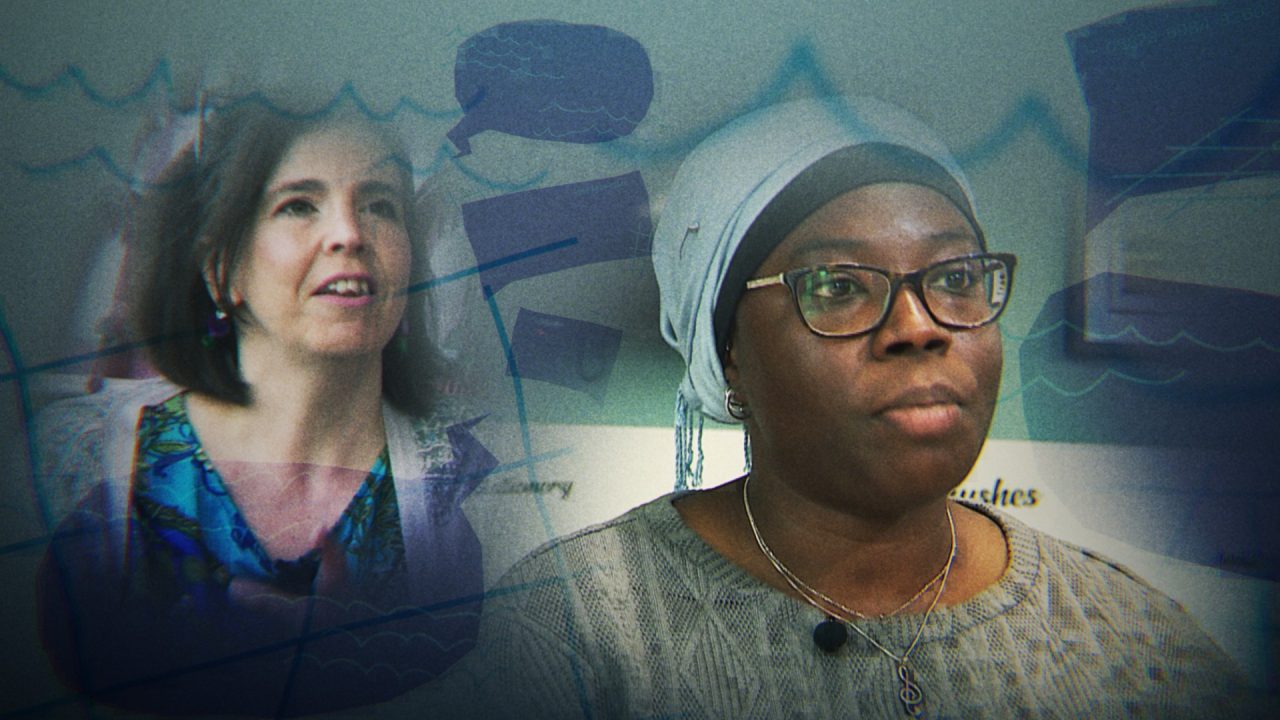
 A new report has found female councillors across Scotland face endemic levels of misogyny, sexism and violence while carrying out their public duties
 - Nearly all women councillors surveyed (98%) reported experiencing misogyny, sexism or violence linked to their role
- Four in ten female councillors said they had been sexually harassed, while 11% reported experiencing physical violence
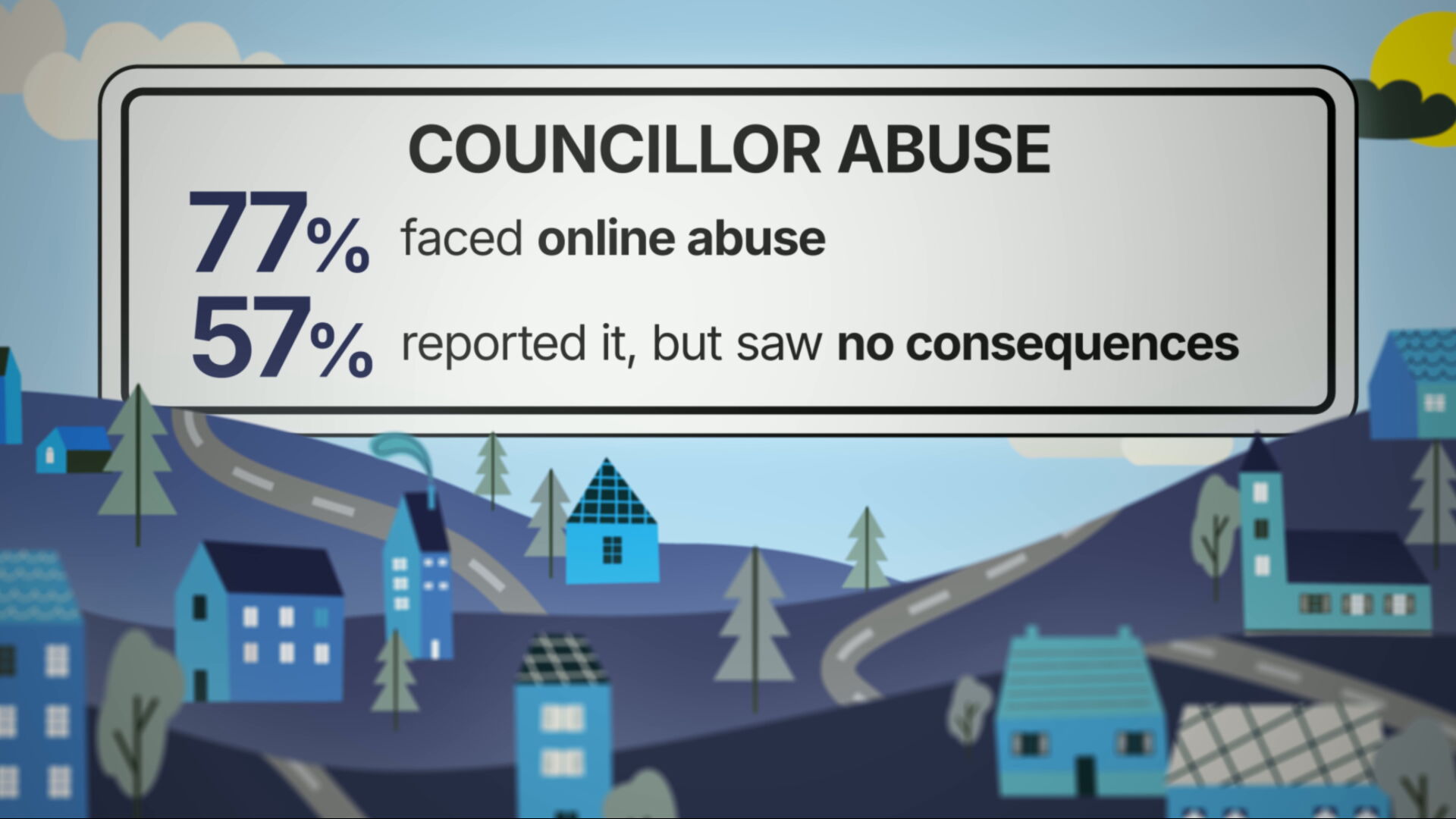
- Online abuse was widespread, with 77% of respondents affected and many saying reports to police or councils led to no consequences for perpetrators
- Councillors told STV News they have faced racist abuse, threats against their families and security concerns serious enough to require police intervention and panic alarms
Female councillors across Scotland are facing widespread sexism, abuse and violence, according to a damning new report that warns the treatment is putting women off entering public life.
The study by feminist membership organisation Engender found “endemic” levels of misogyny directed at women in local government, with many experiencing harassment, threats and intimidation both online and in person.
Some councillors told STV News they have been specifically targeted because of their gender or ethnicity, while others have been given panic alarms after threats were made against them and their families.
The report found 98% of female councillors had experienced misogyny, sexism or violence while carrying out their role.
It also found that 40% had been sexually harassed and 11% had experienced physical violence. Online abuse was commonplace, affecting 77% of respondents.
More than half of those who reported abuse to either the police or their council said there were no consequences for the perpetrator, contributing to a lack of confidence in reporting systems.
 STV News
‘Much of the abuse is racist’
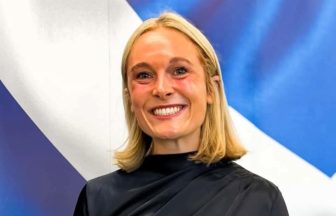
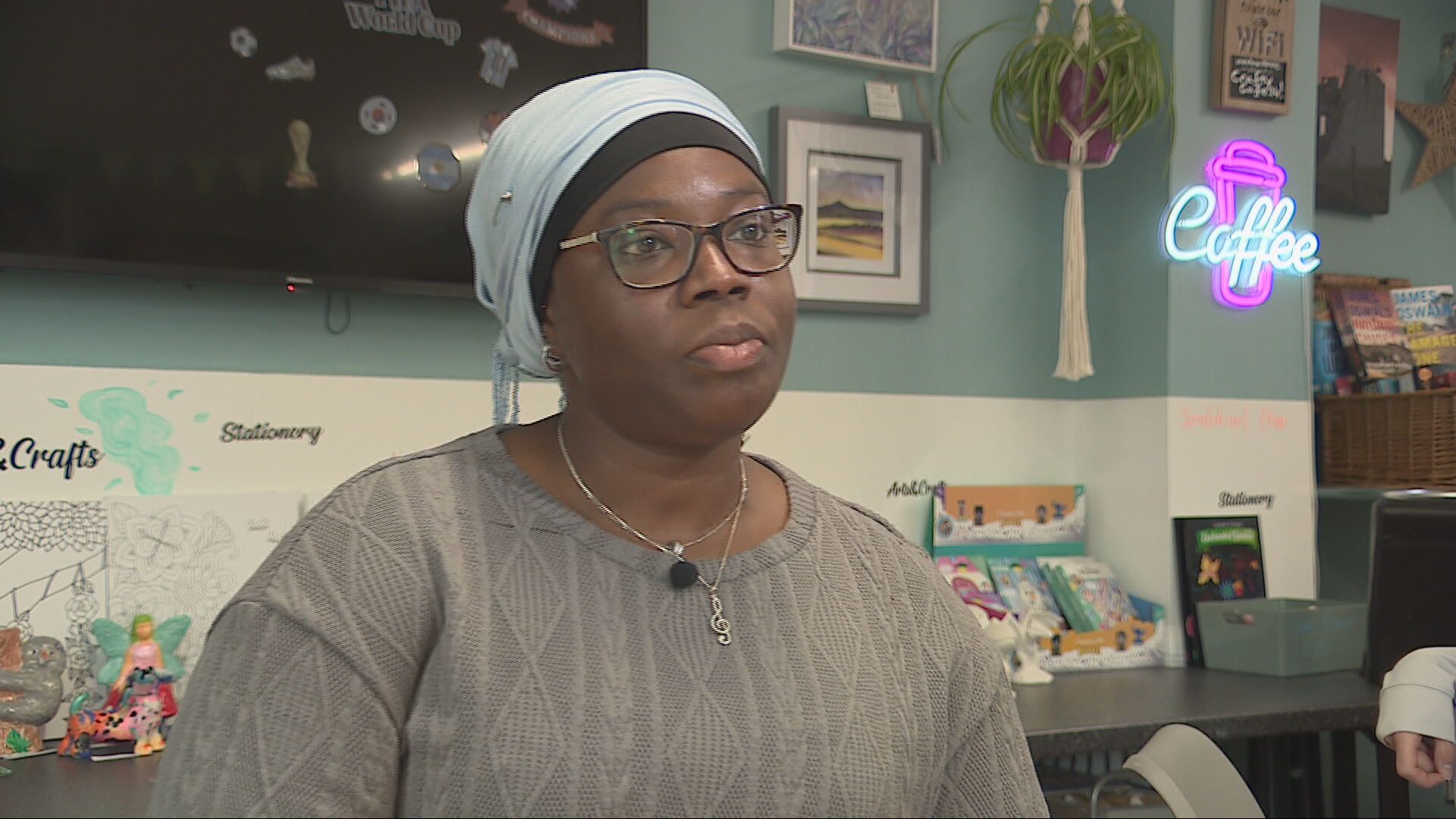
Aberdeen councillor Fatima Joji said much of the abuse she receives is racist in nature.
“If I look at some of the comments I saw only yesterday, it was more ‘you’re not even Scottish. How can you speak about what our country needs?'”
She said attitudes towards abuse directed at women in politics are changing.
 STV News
“In the past, I used to say, ‘oh, you need to have a really thick skin and just take it on the chin’. But I think these days – and I think inspired by other women as well – is, ‘no, you know, we’re human’.
“We have to call it out. We have to put an end to it because it’s really putting some women off.
“I think there’s an increasing number of women asking us these questions about online abuse, about feeling safe, about being put off from standing because of what they see online, because of the way we’re targeted online as well.”
Despite the abuse, she insists it will not stop her from serving her community.
“It was the Scotland I was born and brought up in. Scotland is home, and there are so many positive things I can say so that sort of abuse will never ever deter me from doing anything positive for my community.”
‘I’ve got a panic alarm’
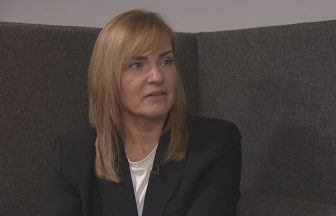
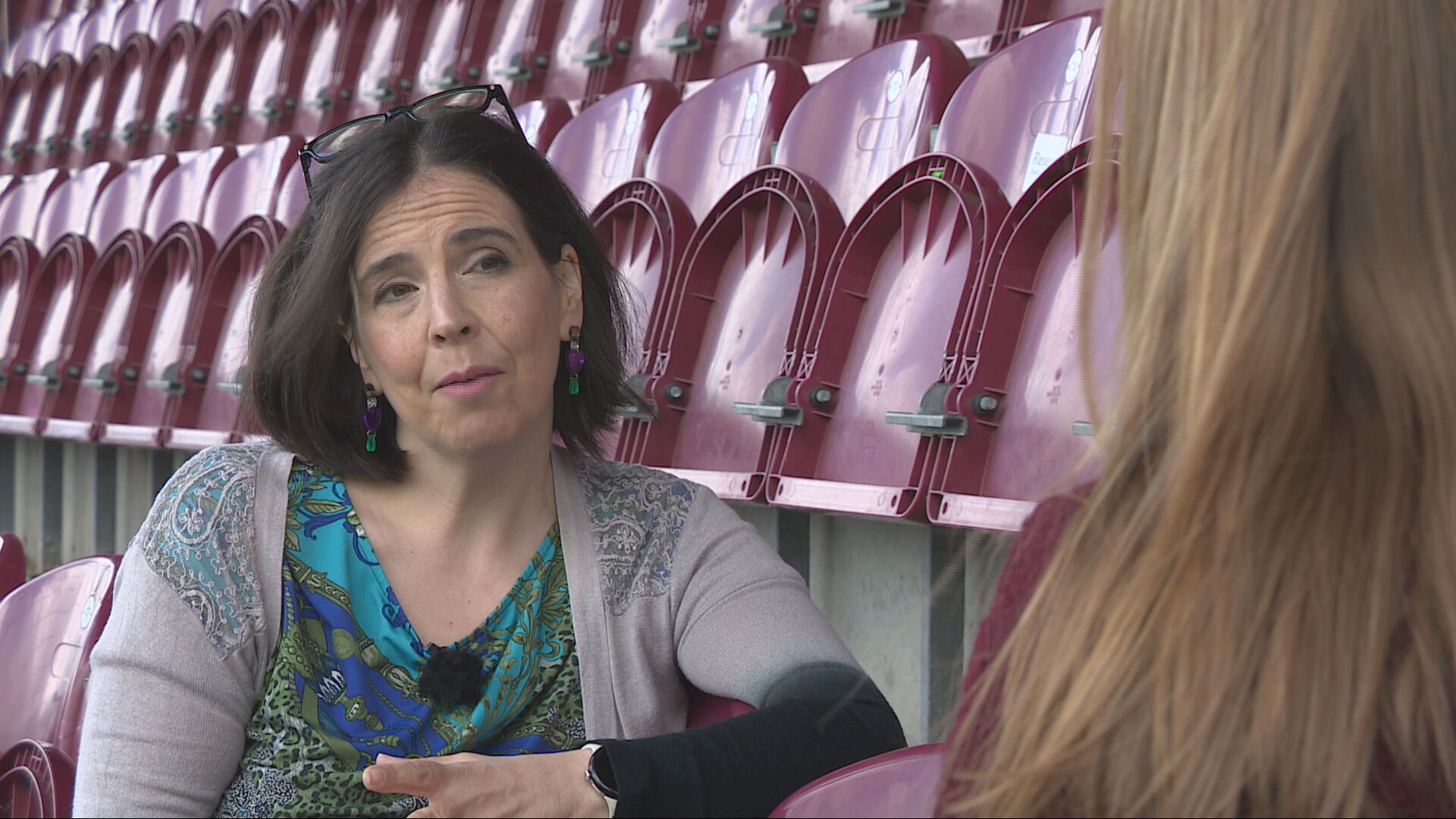
Falkirk councillor Laura Murtagh also described years of intimidation and threats.
“Every form of b***h, s**t, traitor, you know, the C-word, everything, with every adjective behind it,” she told STV News. “Things like ‘we know where you live’, ‘you better think about your security, the security of you and your daughters’ and things like that.”
She said police had intervened on several occasions when threats became serious.
 STV News
“I have reported things when I’ve thought there’s an actual threat, and the police have been around many times, and they’ve put things in place to try and help with security.
“I’ve got a panic alarm the council gave me that will go straight to the call centre.
“There was a council meeting in October where I was aware that there were protesters outside that were specifically looking for me, and they had banners they’d prepared.
“They were trying to cover all these entrances, and I had to come in a completely different entrance just to make sure that I wasn’t exposed to that sort of thing.
These are the things that happen, and you find ways (to deal with them). I had a lot of support from officers and from fellow colleagues around that time because I’m not gonna be bullied out of doing my job.”
Campaigners say abuse directed at women in politics has too often been dismissed as part of the job.
Councillors face unacceptable behaviour from the public and colleagues
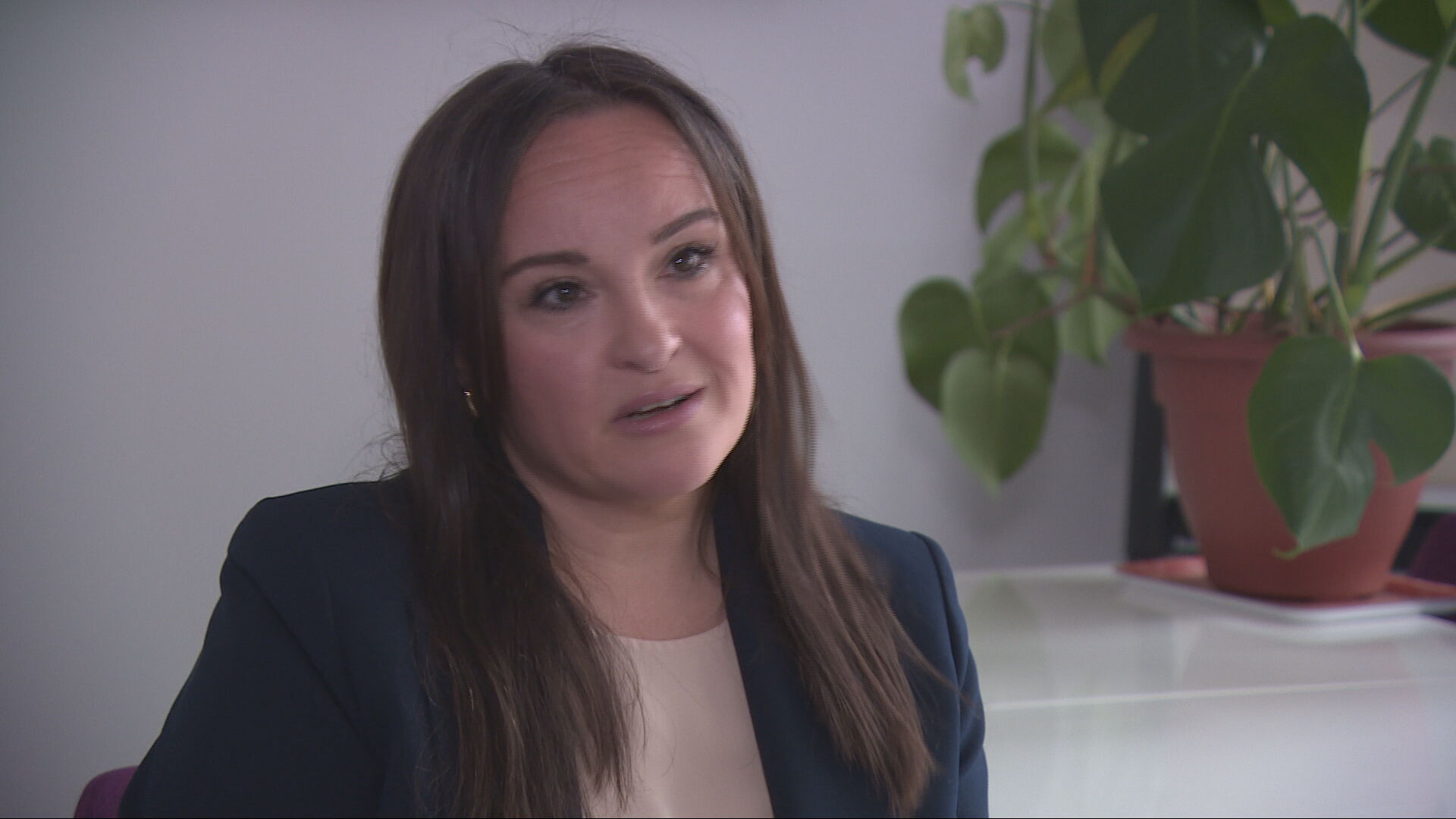
Catherine Murphy of Engender said women councillors frequently face unacceptable behaviour from both members of the public and colleagues.
“Because they were working in politics, the expectation was that they just needed to toughen up and get on with it, and that’s the job.
 STV News
“And that was a very common phrasing that was used, that you know, it’s just the job, it’s just politics.
“But the reality is that there’s no other job in the employment sphere where being subjected every day to abuse and violence – not only from people who are members of the general public, but very routinely, most commonly within the council itself, from other councillors, from staff – there’s no other job in the country where that would be tolerated or seen as reasonable.”
The report’s authors have called for stronger action to tackle abuse against women in local government and improve confidence in reporting systems, warning that failure to do so risks discouraging future generations of women from standing for public office.
What is COSLA’s response?
Councillor Shona Morrison, president of COSLA, said: “COSLA recognises the experiences of sexism, misogyny and violence reported in Engender’s report, and it is not acceptable that this is something our women councillors face.
“No one should feel unsafe because of the role they play in their community. Hate, violence and intimidation have no place in our political discourse or our communities and serve only to silence voices, deter participation, and erode trust in our democratic institutions.
“COSLA continues to work closely with Police Scotland through Operation Ford to protect local elected members and candidates from harassment, intimidation and threats and would always encourage Elected Members to report these incidents when they happen.
“Political leaders at every level must set the standard. They must create an appropriate tone, call out unacceptable behaviour wherever they see it and refuse to tolerate language or actions that incite division, fear or harm.
“COSLA’s adoption of the Civility Charter in March 2026 is a clear statement of intent and makes it clear that robust debate must never cross into personal abuse or threats. Respect is fundamental to a healthy democracy.
“Local Government Elected Members should be representative of those living in our communities. That means we need a diverse range of voices and experiences standing for Elected Office.
“We all have a role to play in creating environments for healthy, respectful debate, free of sexism, misogyny and violence, and it should not be tolerated in public life online or in our communities.”
Follow STV News on WhatsApp
Scan the QR code on your mobile device for all the latest news from around the country