Key Points
-
 The Scottish Child Payment will be increased to £40 per week for families with a child under one-year-old from next year
 - Mansion tax will be introduced on homes worth more than £1m
- Plans for an airport departure tax and private jet tax for Scotland unveiled
- Basic and intermediate rates of income tax to increase by 7.4%, pushing more people into the lower bands
- Scottish Government recommits to dualling A9 by 2035 with £200m
- Funding for local government to increase by 2% in real terms as councillors urged to take ‘reasonable decisions’ on council tax
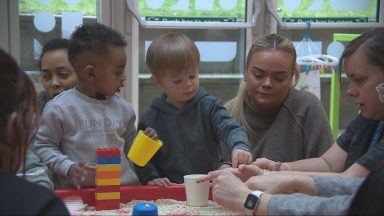
Families with babies are set to get £40 a week from next year as part of plans outlined in the Scottish Budget.
Other measures include higher council tax for anyone who owns a home worth more than £1m and a tax on private jets.
The Scottish Child Payment – payable to parents in receipt of certain benefits – will be increased to £40 per week for families with a child under one-year-old.
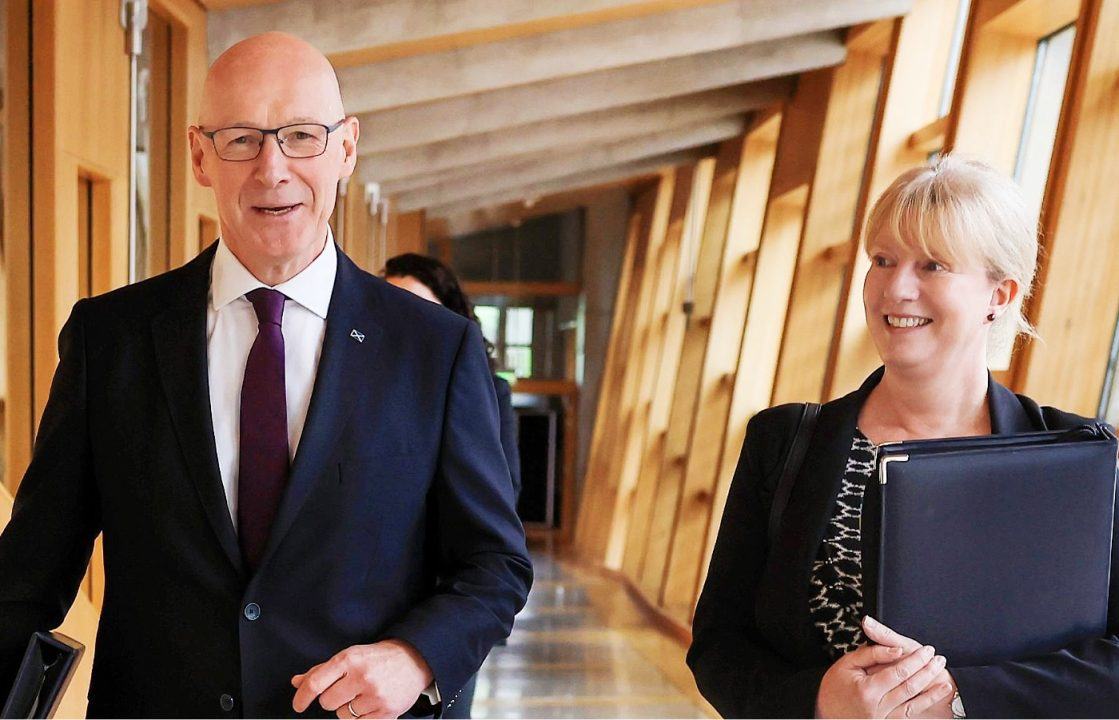
The change will come in at the beginning of the 2027-28 year and “speaks to who we are as a Government”, finance secretary Shona Robison said.
The child payment will also rise by inflation this year.
“The first year of a baby’s life is one of the most exciting times for any family, but we know this time can bring extra stress and costs too, and that is why this Government is delivering the strongest package of support for families with young children anywhere in the UK,” she said.
“From the baby box to Best Start Payments and, of course, our game-changing Scottish Child Payment, that support for mums and dads will help them through that critical first year of their child’s life, delivering the best start in life for children and families.”
The Scottish Government will also introduce a mansion tax and a private jet tax, policies proposed by the Scottish Greens.
Robison announced that two new council tax bands would be brought in for homes worth more than £1m, as well as an updated valuation by April 2028.
“That measure will bring greater fairness as well as increased revenues to councils,” she said.
An airport departure tax will also be introduced by April next year, with a consultation on a potential exemption for the Highlands and Islands, while the private jet tax is expected to be implemented at a later date.
“I say to those who choose to travel by private jet in Scotland, you will pay and pay a fair share for that privilege and, in doing so, will be making Scotland a fairer nation,” Robison said.
Income tax has been cut in the Scottish Budget. The two lower tax bands in Scotland have been increased by 7.4% – meaning earners will pay slightly less tax.
“That is an increase in these thresholds of almost 11% in two years and, as a result, even more people in Scotland can expect to pay less tax than if they lived in England, Northern Ireland or Wales,” the finance secretary said.
“That is over 55% of Scots set to pay less income tax because they live in Scotland and have a Government led by the SNP.”
Funding for local governments is set to increase by 2% in real terms in the coming year, prompting the finance secretary to urge local government to make “reasonable decisions” about council tax.
“Overall funding for local government will increase by 2% in real terms comparing budget to budget, a settlement which is fair and which recognises the important role of local government in the delivery of key services,” the finance secretary said.
“Decisions on council tax rates will, of course, be taken locally, however, this is a reasonable deal and given the cost-of-living pressures that we all recognise, I urge local authorities to translate the settlement into reasonable decisions on council tax.”
The Scottish Government has also recommitted to dualling the A9, which has been much delayed, by 2035 with an additional £200m in the coming year.
Following concerns from the business community, the finance secretary also announced that she will reduce property rates for businesses, as well as provide £184m in relief over the next three years for businesses impacted by the recent revaluation.
The small business bonus scheme will continue for at least the next three years, while 15% rate relief will be provided for the same period for leisure, hospitality and retail firms, capped at £110,000 annually. Similar businesses on Scotland’s islands will be given 100% rate relief.
If Westminster decides to lower business rates for pubs, Robison assured MSPs, that “further support” would also be made available in Scotland.
Scottish Labour: ‘Budget does not meet the aspirations of the people’
Scottish Labour has criticised the budget for “not meeting the aspirations of the people of Scotland or recognising their need for real change”.
The party’s finance spokesperson, Michael Marra, said: “The positive measures in this budget are simply the SNP desperately trying to fix a few of their own mistakes.
“When I have asked SNP Ministers what their plan is for desperately needed change in our hospitals, our schools, our colleges and universities, change for our businesses, for families across Scotland, it is apparent that they do not even understand the question, let alone have the answers.
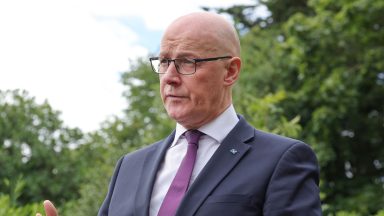
“No one is buying the pretence that a 19th John Swinney budget will deliver a change in direction.”
Scottish Labour members are expected to effectively allow the Budget to pass, with Scottish Labour leader Anas Sarwar instead focused on May’s election.
The minority SNP Government usually needs to find support from other parties for its plans to be approved, but with Labour’s promised abstention, the proposals are guaranteed to be approved.
Marra added: “The real opportunity for change will be on May 7, when we can finally kick out this knackered SNP government and choose a new direction for Scotland with Scottish Labour.”


Follow STV News on WhatsApp
Scan the QR code on your mobile device for all the latest news from around the country