
The miners’ strike of the mid-eighties was described as a political watershed in 20th-century Britain.
The then-government’s refusal to heed the concerns of miners led to thousands of job losses, while thriving mining towns were stricken by unemployment and poverty.
Warnings issued by trade unions of “close a pit, kill a community” were vindicated. Now, oil and gas workers are issuing similar warnings about the state of the energy industry in Scotland.
The push for a “just transition” amid a backdrop of warnings about the use of fossil fuels and their impact on the environment is something understood by energy industry workers.
They believe the transition to renewables – shaped by the previous Conservative government’s 78% energy profits levy and by Labour and the SNP’s stance against new oil and gas licences – is pushing the industry towards collapse before the promised green jobs exist.
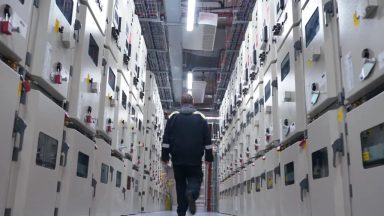
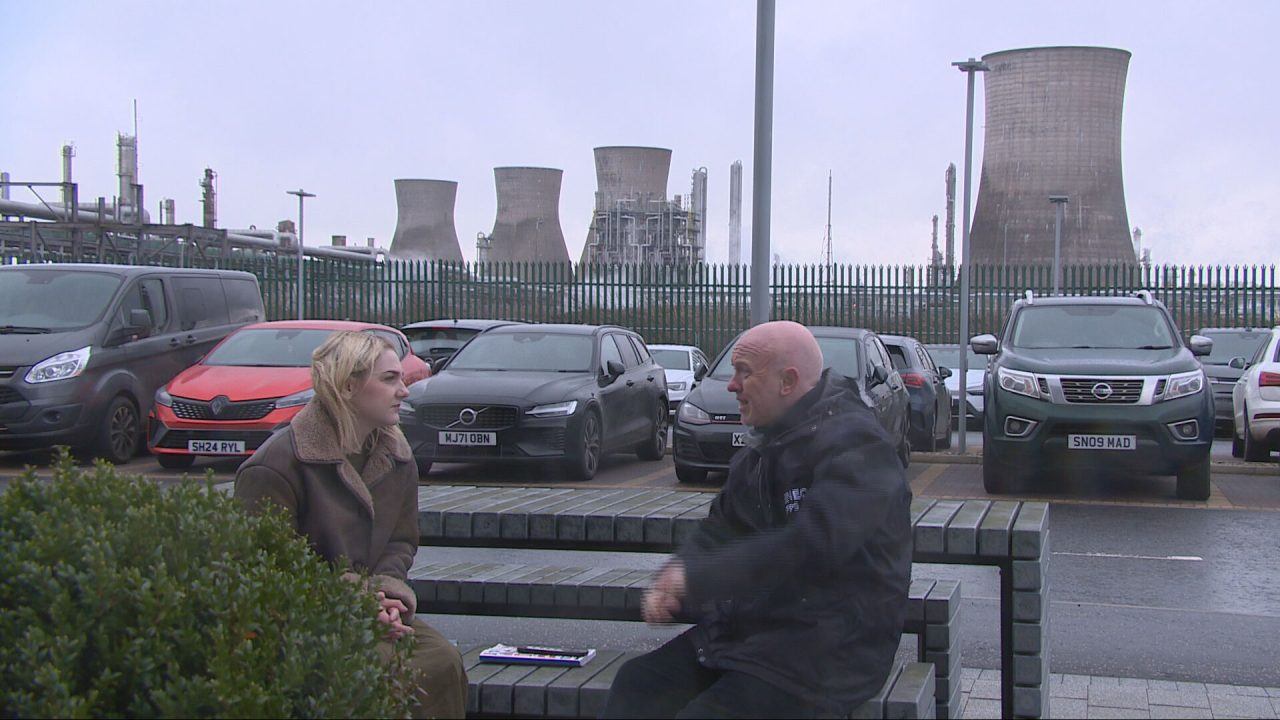
“They’re starting to get angry about it because what we’re seeing is an unjust transition,” energy worker and Unite rep Cliff Bowen told Scotland Tonight.
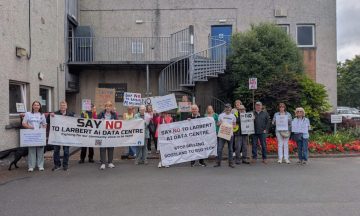
Last year, more than 400 jobs were lost when Scotland’s last oil refinery in Grangemouth ceased production of crude oil after Petroineos shut it down.
The Chinese-backed firm claimed the site was loss-making, while a Project Willow report commissioned by the UK government found it could have transitioned into a green site to produce sustainable products – a move that would have required £3.5bn of investment.
Production also stopped at the Mossmorran chemical plant in Fife earlier this month, leaving hundreds of jobs at risk.
Meanwhile, in the North Sea, Offshore Energies UK claims 1,000 jobs are being lost each month. “That figure just rolls off politicians’ tongues,” said Bowen.
“It’s 1,000 families, workers losing their jobs, communities devastated – and no one seems to want to do anything about that.”
Now the UK is importing more oil and gas than ever, while highly-skilled workers are taking their trade to places like Norway and the Middle East.
Reform UK and the Conservatives are both taking a Trump-like “drill, baby, drill” approach, promising to invest in North Sea fossil fuels. Will this entice voters in areas like Grangemouth?
“Regardless of what colour the rosette is on anybody’s lapel, if parties are saying things that working-class communities need to hear, then they’re going to vote for that,” said Bowen.
Oil and gas workers aren’t the only ones losing faith in traditional political parties. Hospitality businesses based in rural Scotland fear they may soon face closure as it becomes more difficult to keep staff.
Anne Macdonald, owner of the Old Manse of Blair, tells me that a lack of rural housing means it’s left up to employers to provide accommodation for their workers.
Transport is another stumbling block, with widespread frustration at the watering down of the commitment to dual the entire A9. “It was great to see the Tay to Ballanluig section getting underway, but where are we with the rest of it?” posited Macdonald.
Overseas workers prop up bars and restaurants across Scotland, but changes to immigration policy and visa requirements could pose problems down the line.
And while immigration is a policy area reserved to the UK Government, the housing of asylum seekers in Scottish hotels saw mass protests last year.
The Scottish Government’s housing bill has made Scotland a more attractive place for refugees, who are considered equally for social housing as a family of four.
Namatullah, who fled Afghanistan during the rise of the Taliban and has since been granted refugee status, says that he has noticed a “concerning” change in people’s views towards immigrants in recent years.
As long as access to basic necessities like housing and functioning transport routes is impeded, community tensions are likely to continue to grow.
Follow STV News on WhatsApp
Scan the QR code on your mobile device for all the latest news from around the country