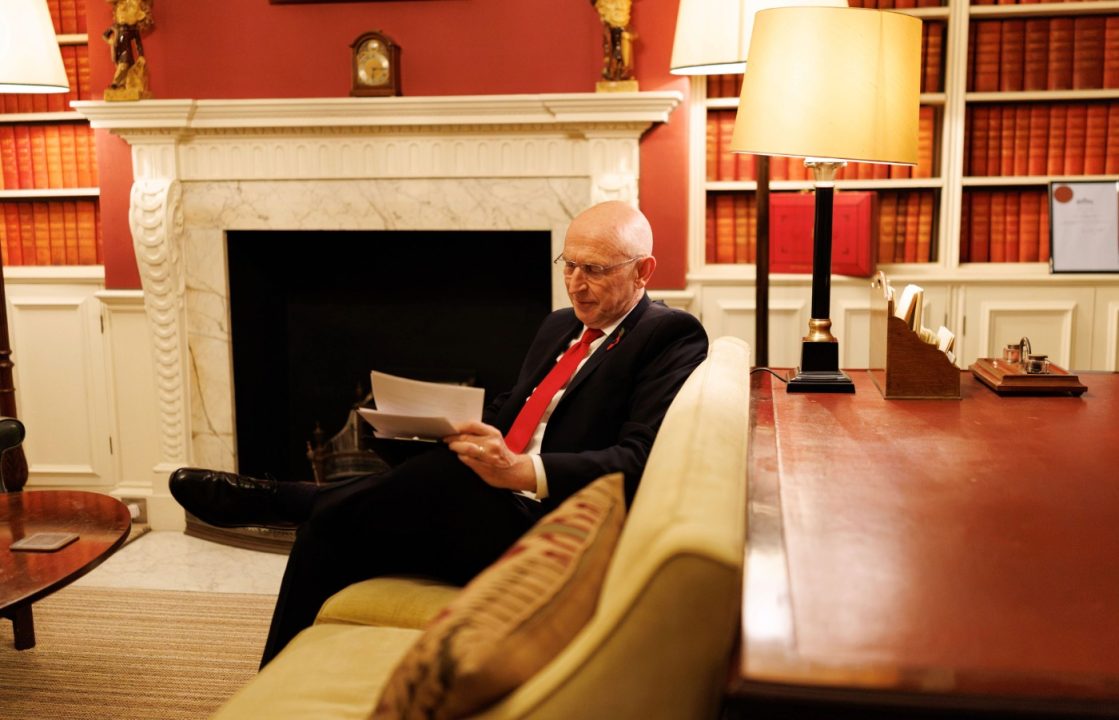
John Healey will outline the UK Government’s tax and spending plans when he unveils the first Budget of Andy Burnham’s premiership on Wednesday afternoon.
The chancellor has said he hopes the Autumn Budget, to be announced at 12.30pm, gives households “breathing space” amid the ongoing high cost of living.
Policies aimed at easing financial pressures are expected to feature heavily in the statement.
The Treasury has already announced that standing charges on gas bills will be scrapped from next year for around 23 million homes.
Healey is also reportedly planning to reverse the decision to slash the annual ISA allowance from £20,000 to £12,000.
ISAs, or individual savings accounts, are exempt from tax on interest, capital gains, and income, and are the most popular savings product in the UK.
The chancellor has promised to use his first Budget to cut energy bills “for good” as the Government seeks to ease surging costs for households and businesses.
Elsewhere, ministers are expected to set out a series of “everyday fixes” to help people with the cost of living crisis.
They also plan to make a higher tax-free mileage allowance of 55p permanent, and to slash tariffs on a range of popular foods, including chocolate, beans and gherkins, to make them cheaper for shoppers.
The tariff cut is also aimed at bringing down the price of fertiliser for farmers, and kerosene for households which use the fuel for heating.
Plans to extend parental pay to more than 150,000 parents each year, including self-employed fathers who had previously missed out, are also to be announced.
Changes will be made ‘responsibly’
In a message ahead of the autumn statement, chancellor Healey acknowledged the country was facing a “difficult moment” and promised changes would be made “responsibly”.
He said: “Breathing space for today and fresh hope for the future. That’s what today’s Budget will deliver.
“The world’s a highly uncertain place. Conflicts abroad are pushing up energy prices, and the cost of living here at home is piling pressure on families, on businesses, and on our public finances.
“But Britain’s economy is showing real signs of resilience: investments up, productivity is growing, and we had the joint fastest growth in the G7 in the first half of this year.
“This Budget is designed to give households breathing space from some of the everyday costs, provide targeted support for businesses and self-employed people, and to start the long-term action needed to get energy costs down for good.”
Changes expected to be announced in the 2026 Budget
- Standing charges on gas bills to be scrapped from next year for around 23 million homes.
- Reverse the decision to slash the annual ISA allowance from £20,000 to £12,000.
- Extend parental pay to more than 150,000 parents each year.
- Cancelling January’s planned increase in fuel duty, keeping the rate of the levy frozen for the 16th year at 52p per litre.
- Making a higher tax-free mileage allowance of 55p permanent, and slashing tariffs on a range of popular foods, including chocolate, beans and gherkins.
- A rise in the minimum wage by nearly 4%, while ending the trend of hiking the national minimum wage for those aged 18 to 20 by more than the rate for older workers, raising it instead roughly in line with the rate for over 21-year-olds.
- Ending the Carers’ Allowance cliff edge, which has penalised unpaid carers for going over their earnings limit, even by as little as a few pence per week.
Follow STV News on WhatsApp
Scan the QR code on your mobile device for all the latest news from around the country