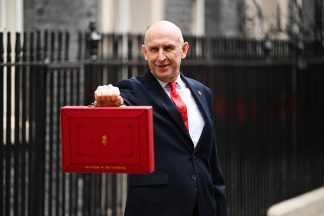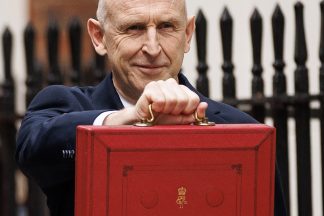
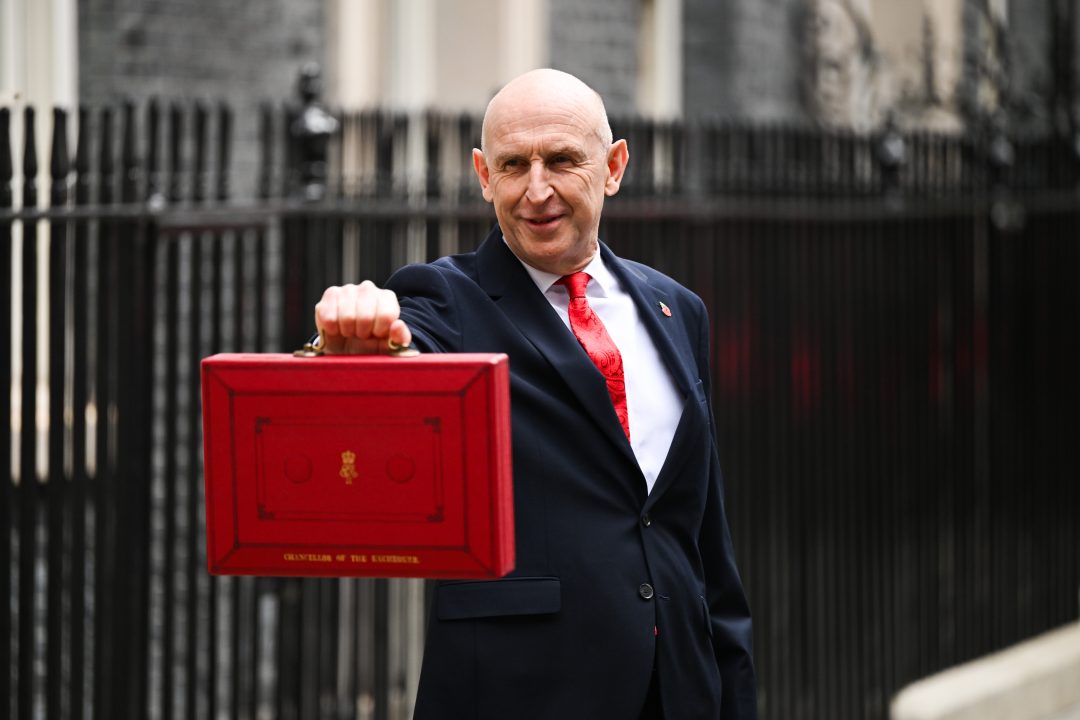
Chancellor John Healey has announced the UK Government’s tax and spending plans in the House of Commons.
Addressing MPs, he described it as a Budget for the “working people of Britain”, saying that it was built on fiscal discipline and would give the country some “breathing space”.
STV News takes a look at the key announcements and what they mean for your money.
Energy bills
 iStock
Around 20 million households will get £100 from the UK Government this winter to help with energy bills.
The chancellor said households in council tax bands A to D in England will get the payments into their bank accounts, with the support costing £2.6bn.
Healey said money would be given to devolved administrations in Scotland, Wales and Northern Ireland, as he called on them to “do the same and give people of all nations in the UK breathing space on their energy bills this winter”.
STV News understands the Scottish Government will pass on the £100 payment to lower-income households in Scotland.
The chancellor also referenced the removal of the gas standing charge announced earlier, which will come into effect “from next year”.
Gas standing charges will be scrapped next year, saving £27 on a typical bill although those with larger homes who use more energy will pay more.
But households not on benefits will bear the full brunt of the rise in January, when bills are due to go up by 27% to an average of £2,192.
Healey also announced the cut to VAT on electricity will be extended to July, taking £50 off the annual price cap.
Fuel duty
 iStock
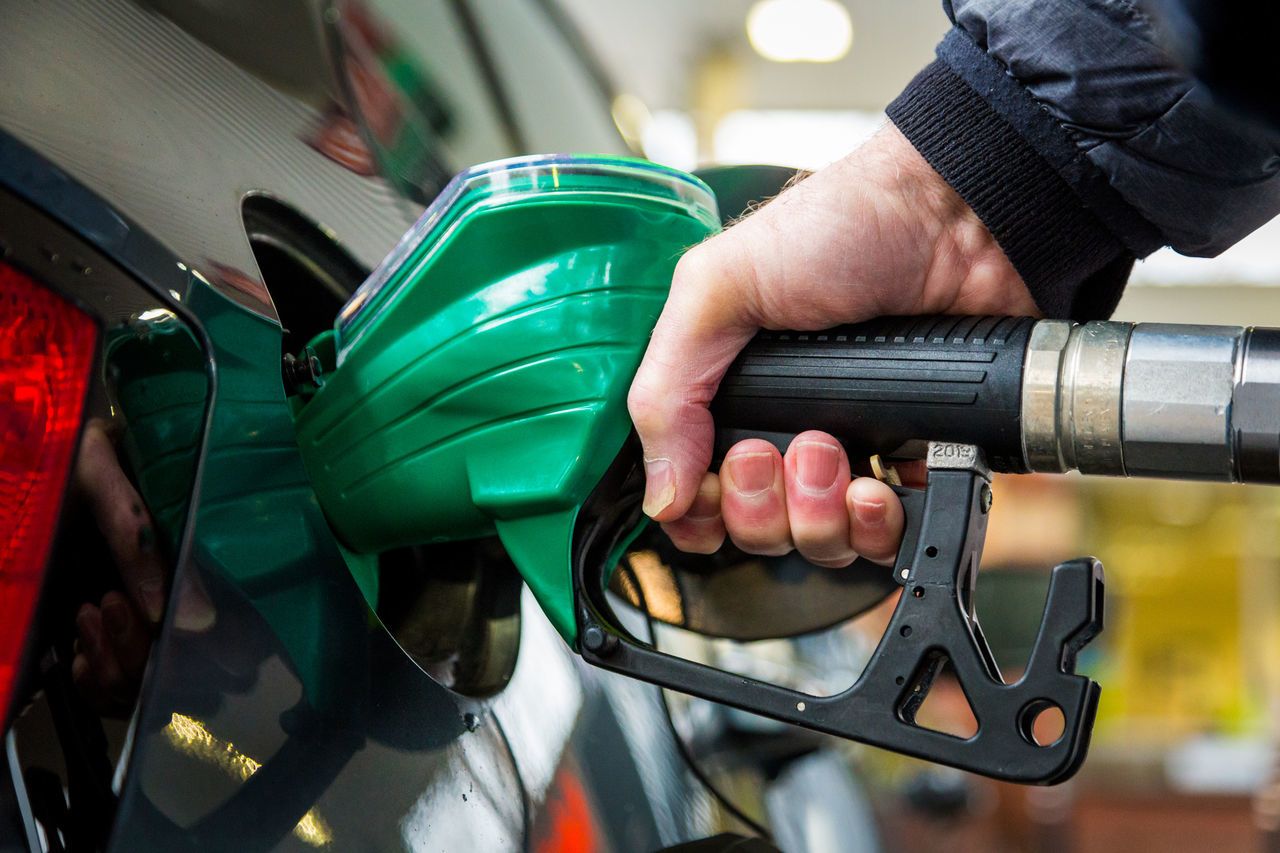
The fuel duty freeze – which was due to end in January – will be extended until July 2027 to help with soaring prices at the pumps.
It marks the 16th consecutive year that fuel duty has been frozen.
But the price of a litre of diesel has recently nudged past the record £2 a litre mark, some 56.5p higher than at the outbreak of the war between the US and Iran.
Healey also said he’s increasing the higher mileage rate from 25p to 35p per mile and making permanent the increase to the standard mileage rate.
Business rates
 iStock
Thousands of high-street shops, cafes, pubs and hairdressers will no longer have to pay business rates in England.
Healey announced an increase in the threshold for small business rate relief for retail, hospitality and leisure businesses from £12,000 to £18,000.
The chancellor said the move – funded by raising taxes on gambling – means that 70,000 businesses will be taken out of paying business rates altogether.
But the move doesn’t apply to businesses in Scotland. Business rates are devolved to all three devolved nations and there is no obligation for any of the devolved governments to replicate the measures announced by Healey in his Budget.
The chancellor also announced plans to devolve tax revenues, calling it a “roadmap to fiscal devolution”.
He said that “100% of business rates will be retained locally by the end of the decade”.
“From next year, 20% of business rates revenue will go to mayors,” he told MPs, and from 2028 “a share of income tax receipts will go to mayors as well”.
Adult gaming centres and vape shops will not qualify for business rates relief.
Minimum wage and savings
 iStock
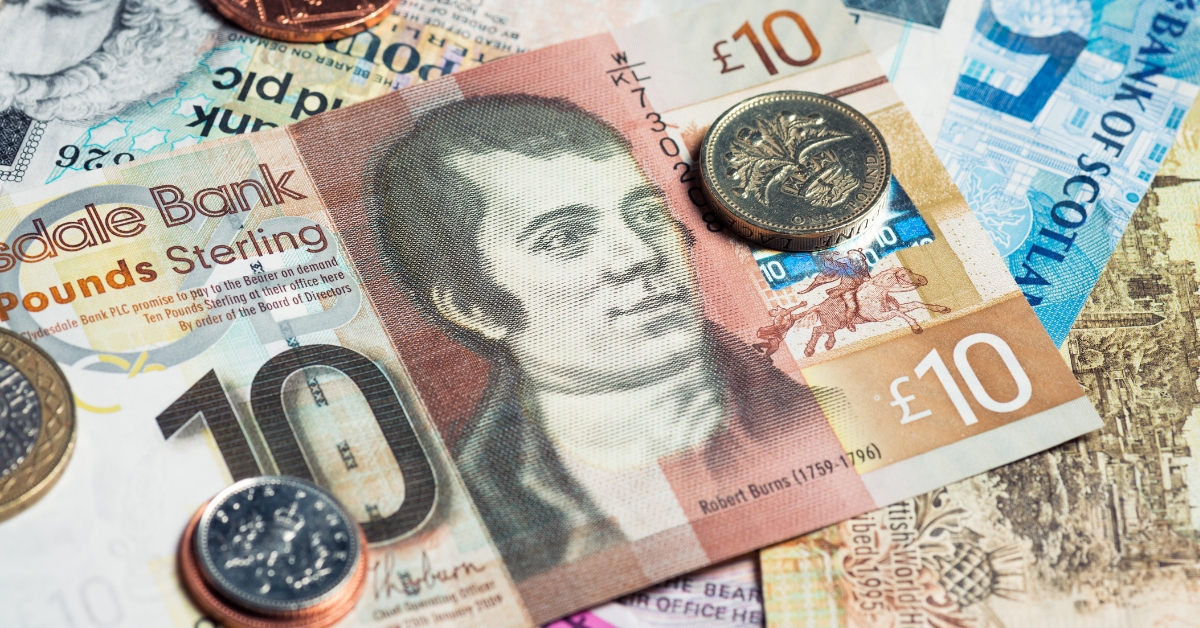
The living wage, paid to older workers, and the national minimum wage, paid to those aged 18 to 21, will increase by 3.9%.
Healey has chosen to stop the huge rises in the minimum wage amid concerns it was pricing young people out of work.
Healey also confirmed he will not go ahead with the cut to the tax-free amount that people can put into a cash ISA – it will remain at £20,000 annually.
The chancellor says he will also work with the sector on a new “Starter ISA” to help make investment more accessible.
Tara Evans, personal finance expert at Confused.com, said: ““Keeping the Cash ISA allowance at £20,000 will come as a relief to savers, after a year of uncertainty over whether the limit would be cut.
“It means you keep a full tax-free allowance each year to grow a safety net or plan ahead for future costs. That’s especially handy while rates are still relatively high, as there’s more interest to shelter from tax.”
Pensions
 iStock
Healey confirmed that pensioners on low incomes will be shielded from income tax.
The full, flat-rate state pension is expected to increase by 3.9% to £13,036.40 a year from April. That would take the payment above the £12,570 personal tax allowance and, therefore, be liable for income tax if no changes are made.
But Healey confirmed that the UK Government will raise the tax-free allowance for low-income pensioners to match the full new state pension, ensuring those who rely solely on their state pension do not pay income tax this parliament.
Data centres
Healey pledged £140m to back British AI firms, saying the UK must stay in control of its own technology and stop relying on overseas competitors.
The cash will be channelled through a new sovereign AI unit designed to support strategically important homegrown companies.
He also unveiled a new “British data centre covenant”, with tech giants told they must create local jobs, invest in communities and protect water supplies if they want government support.
In return, ministers will help fast-track power connections for key data centres and, where needed, let them generate their own electricity while waiting to connect to the grid.
Devolved funding
 iStock
Healey promised funding for the devolved administrations.
He said: “Devolved governments will receive equivalent funding for the measures in this Budget and today I’m also investing directly in high-growth industries in Scotland, Wales and Northern Ireland.”
He announced £18m for advanced chip design led by Edinburgh University and £6m for Glasgow’s Scottish Event Campus.
Defence spending
 iStock
Healey said he will set out the UK Government’s plan to spend 3.5% of GDP on defence by 2035 at the spending review next year.
He told the Commons: “This year our defence budget is £14bn higher than it was in the Conservatives’ last year, and at the spending review next year, I confirm that I will set out the details of how we will meet our Nato commitment to spend 3.5% of GDP on defence by 2035, with a target date for 3% in 2030.”
GMB Scotland, one of the biggest unions in the defence sector, welcomed the Chancellor’s promise that more contracts will stay in the UK.
Rhea Wolfson, GMB Scotland secretary, said: “This budget can be a watershed moment when increased defence spending kick-starts the reindustrialisation of Scotland.
“For years, the UK has exported contracts worth billions of pounds to support skilled jobs and apprenticeships everywhere but here.
“The world has become a more uncertain place and our country can no longer afford to export our industrial capability.
“We need to spend more on defence and that investment must support our world-class workforce and train our young people in the skills needed for well-paid jobs and long careers.”
Separately, Healey announced that Britain will commit £10bn of additional economic and military support to Ukraine, and half a billion in urgent military funding this winter.
Other key announcements
- Import taxes will be removed from more than 100 food products, including gherkins and marmalade, as well as kerosene and fertilisers.
- Surcharge banks pay on their profits to rise from 3% to 6% for 15 months, starting in January.
- Requirements for online marketplaces like Amazon, eBay and Temu to be strengthened to prevent sellers using their platforms avoiding paying VAT.
- £10m of annual alcohol duty relief for small British brewers and cider makers.
Follow STV News on WhatsApp
Scan the QR code on your mobile device for all the latest news from around the country