Scientists in Dundee are spearheading a new drug that could revolutionise treatment for people with Parkinson’s disease.
For decades, treatments for the progressive brain disorder, have focused on managing symptoms rather than slowing progression of the disease.
Researchers at the University of Dundee are now participating in an international clinical trial exploring whether a more personalised approach which identifies and treats patients based on the underlying biology driving their disease, could help change that.
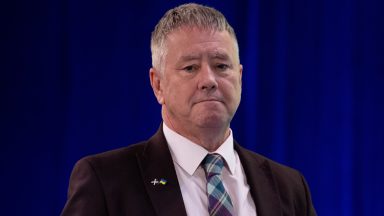
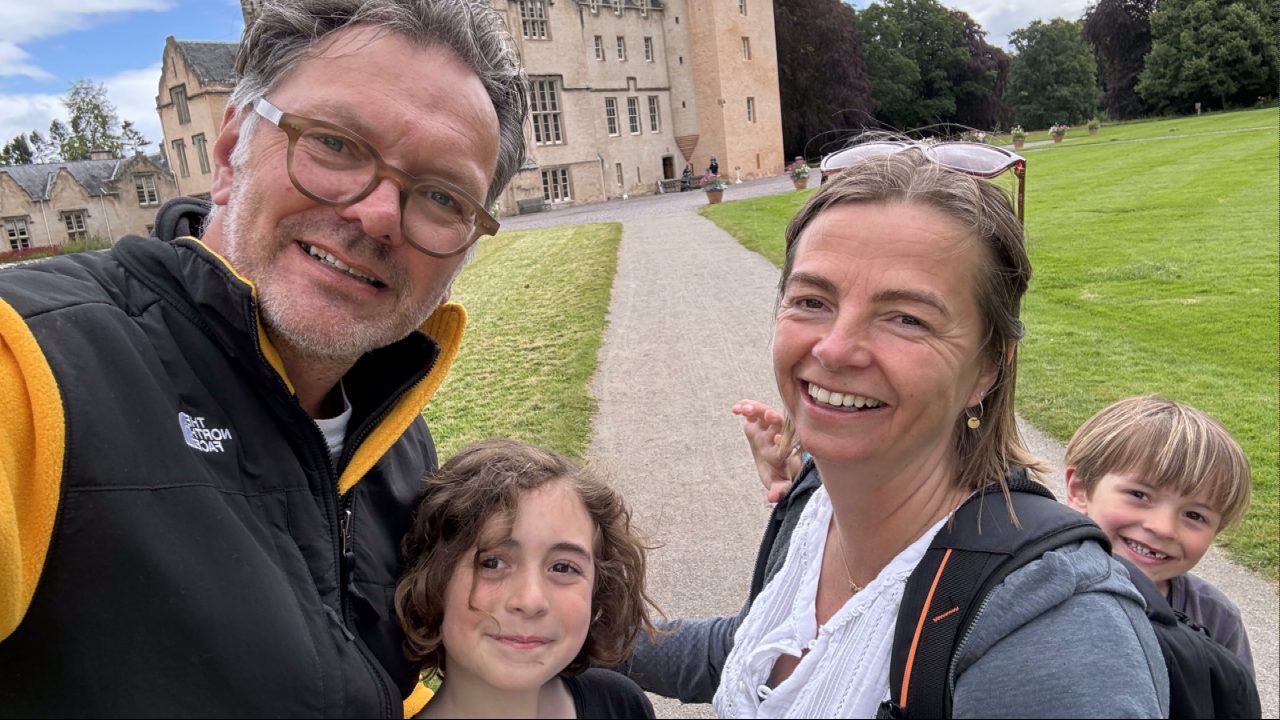
Tony Hindhaugh, who lives in Ullapool, was diagnosed with Parkinson’s in 2025 at the age of 55.
After undergoing a series of genetic testing to determine his eligibility, he is now taking part in the global clinical trial of NEULARK.
“The reason I wanted to get involved with this trial is that it is specific, very direct and very targeted,” he said. “I understand everything about it with regards to how the targeted medication could be a lot better to my specific problem.
“My Parkinson’s symptoms are very mild. At present, the tremor is the only thing that gives it away. But while it hasn’t interrupted anything in my life at the minute, it has made me think and slow down a bit.
 STV News
“I’m not taking Levodopa yet. I know it’s seen as the standard medication for many, but I see that as something that is way down the track for me. I don’t want to take a medication that covers up my symptoms and allows me to carry on blindly for the time being.
“I’m a logical person and this trial appeals to me because there are some very educated academics behind trying to look at the nuances in Parkinson’s and address those.
“Overall, this trial gives me hope. I’m not unrealistic – I know my Parkinson’s is not going to be cured – but I fully understand that a targeted medication could be a lot better to a specific problem.
“Anything that could try and control something which is a clear, known and defined deficiency has merit, and that is why I am fully committed to this process.”
The trial is evaluating the precision medicine approach in people with LRRK2-driven Parkinson’s disease. Mutations in the gene are the most frequent cause of inherited Parkinson’s disease, triggering cellular dysfunction that leads to the disease.
Unlike traditional “one-size-fits-all” approaches, the trial is enrolling participants whose genetics suggest they may be more likely to benefit from treatment.
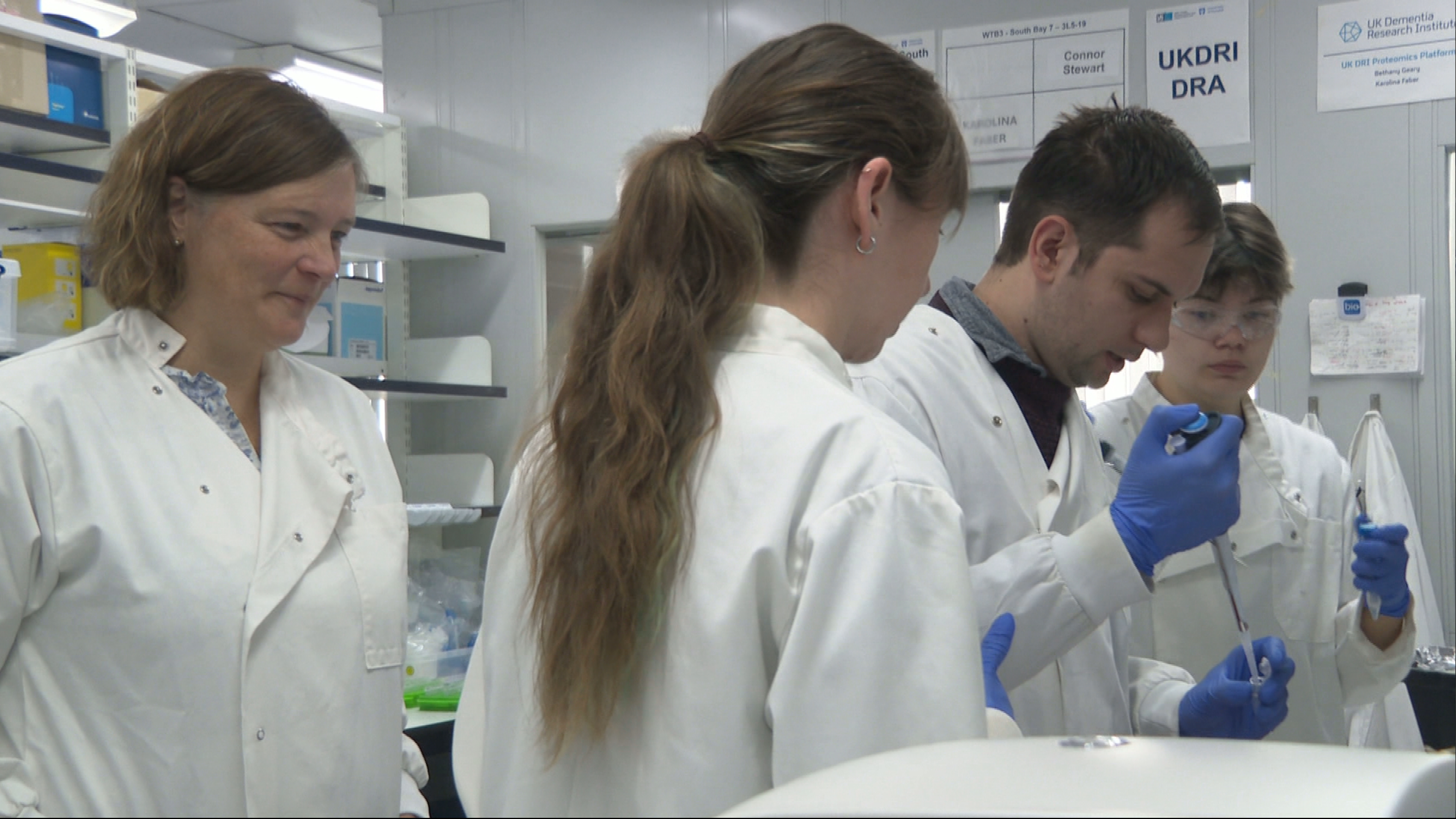
Researchers at the Dundee Medical Research Council Protein Phosphorylation and Ubiquitylation Unit are among a select group of international sites participating in the study.
People aged between 40 and 80 years old, who have early Parkinson’s disease could be eligible.
Professor Dario Alessi from Dundee University is an internationally recognised expert in LRRK2 biology and has dedicated his life to researching Parkinson’s disease.
“We managed to uncover a whole new pathway that seems to play a really important role in triggering Parkinson’s, said Professor Alessi.
“Interestingly the research suggests that the pathway becomes over switched on when you have Parkinson’s and that led to new ideas for drug companies to come in and develop new drugs that would counteract this over switched on enzyme.
 STV News
“Even slowing the disease down would be huge because it would buy patients a lot more time to continue doing the things they enjoy doing. That would be the first step, if we can slow it down, then you can slow it down better, then you can stop it, then you can reverse it and then you can maybe prevent it from happening in the future.”
Dr Esther Sammler is the Principal Investigator of the Dundee NEULARK clinical trial site.
“You may already be familiar with the concept of personalised medicine or precision medicine from all other fields of medicine, from cancer for example, where matching the right participant with the right intervention is key to success. This is now more and more explored in neurodegenerative diseases and Parkinson’s disease.”
More than 150,000 people in the UK are living with Parkinson’s disease, yet there are currently no approved therapies that slow disease progression.
The NEULARK trial, sponsored by Neuron23, is evaluating whether targeting the LRRK2 pathway in patients with evidence of LRRK2 overactivity may offer a more personalised approach than has historically been possible.
More information can be found on the NEULARK trial website.
Follow STV News on WhatsApp
Scan the QR code on your mobile device for all the latest news from around the country