 Adobe Stock
A tour boat operator has lost his bid to have his conviction quashed after being found guilty of breaching conservation regulations following a trial at Aberdeen Sheriff Court.
Richard Greenhowe, 52, was fined £2,575 by Sheriff James Hastie following proceedings in which he had denied wrongdoing.
Greenhowe, of Blackdog, Bridge of Don, had denied a series of charges during his trial but was convicted of two offences.
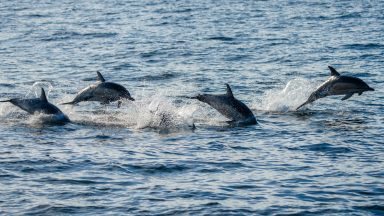
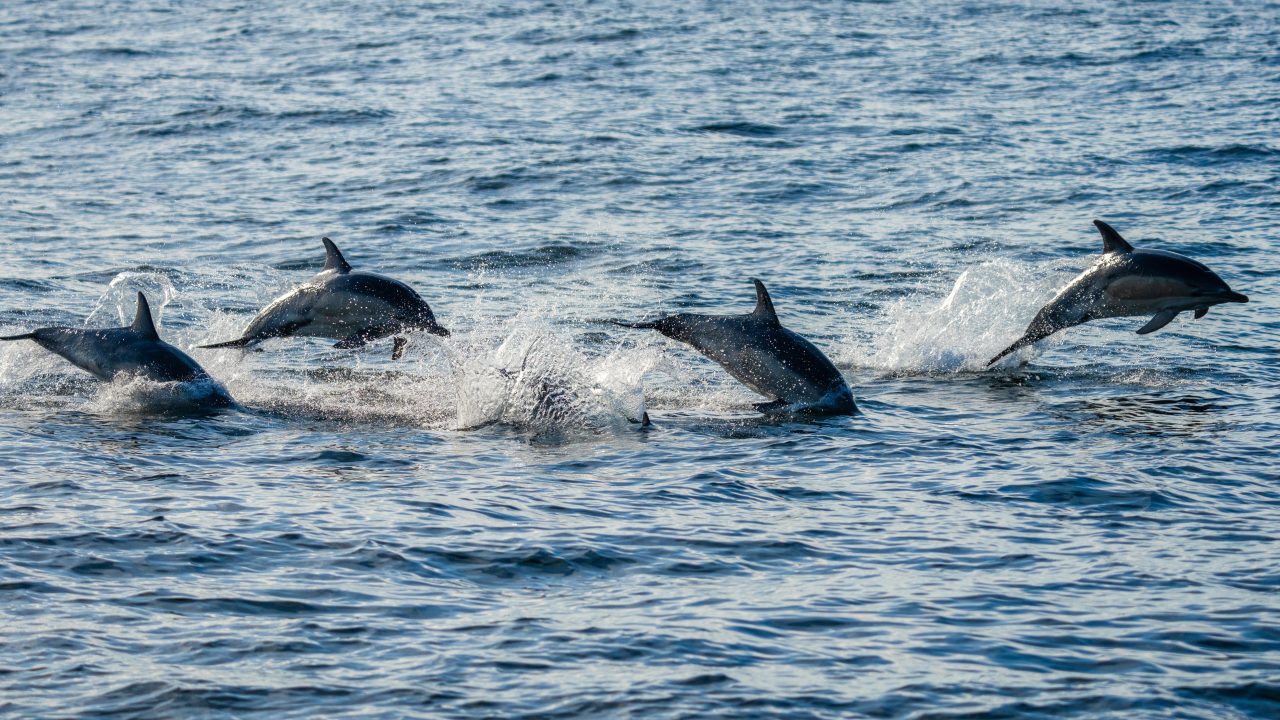
As the skipper and master of the Seacab, he deliberately or recklessly disturbed a dolphin by driving through and over the top of a pod of the sea mammals at Torry Battery, Aberdeen, on July 22, 2023.
Eight days later, he deliberately or recklessly disturbed a pod of pilot whales by going close to the group of animals and splitting the pod in the Aberdeen harbour area at Torry.
He was prosecuted for breaching a regulation under The Conservation (Natural Habitats &c) Regulations 1994.
However, lawyers for Greenhowe argued that Sheriff Hastie didn’t properly apply the correct meaning of the word ‘disturb’.
Earlier this year, Gareth Reid, counsel for Greenhowe, told the appeal court: “This is an unusual case. The crux of the appeal lies in how the word ‘disturb’ falls to be interpreted.”
He said the word can encompass anything from the most trivial to the most serious.
The appeal sheriffs who heard the case told Mr Reid they wanted time to consider their decision.
On Tuesday, they decided that they disagreed with Mr Reid’s argument about the meaning of the word ‘disturb’.
Sheriff Principal Gillian Wade KC, who gave the opinion of the court, wrote: “The focus of the verb “disturb” in the regulation and consequently the charge is on what the appellant did and whether that could be assessed as deliberate or reckless.
“The legislation is directed at criminalising the conduct of the appellant by reference to his actions and his state of mind.
“It is not focussed on the effect of that conduct on the mammals concerned.
“On that basis the sheriff as fact finder and indeed any non-expert observer such as the witnesses on whose evidence the sheriff relied are well placed to determine the issue and expert opinion is not required.
“Taking that approach, the sheriff was correct to ascribe the ordinary English meaning to the word ‘disturb’ rather than looking to a scientific meaning of what may or may not amount to a “disturbance” of marine mammals.
“The sheriff was assessing whether the actions of the appellant in driving the boat in the manner libelled disturbed them and whether his actions were at least reckless.
“Accordingly the appeal is refused.”
During proceedings earlier this year, Mr Reid said there was also an issue over the use of expert evidence in the case.
Michael Mcintosh, for the Crown, said the trial sheriff was entirely correct to adopt the ordinary English dictionary meaning of the word ‘disturb’.
He submitted that there was ample evidence before the sheriff from different sources which justified him in coming to the conclusions that he did.
Sheriff Principal Wade and her colleagues agreed with Mr Mcintosh’s submissions.
Follow STV News on WhatsApp
Scan the QR code on your mobile device for all the latest news from around the country