A mum who was left with a permanent colostomy after the traumatic birth of her first child says more must be done to improve maternal support in Scotland’s hospitals.
Complaints about maternity services have risen by more than a third in a year, with more than 830 submitted in Scotland; 230 more than the previous year.
Freedom of Information figures obtained by STV News reveal concerns around consent, women feeling ignored, and birth trauma among the issues raised.
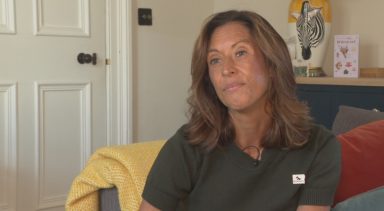
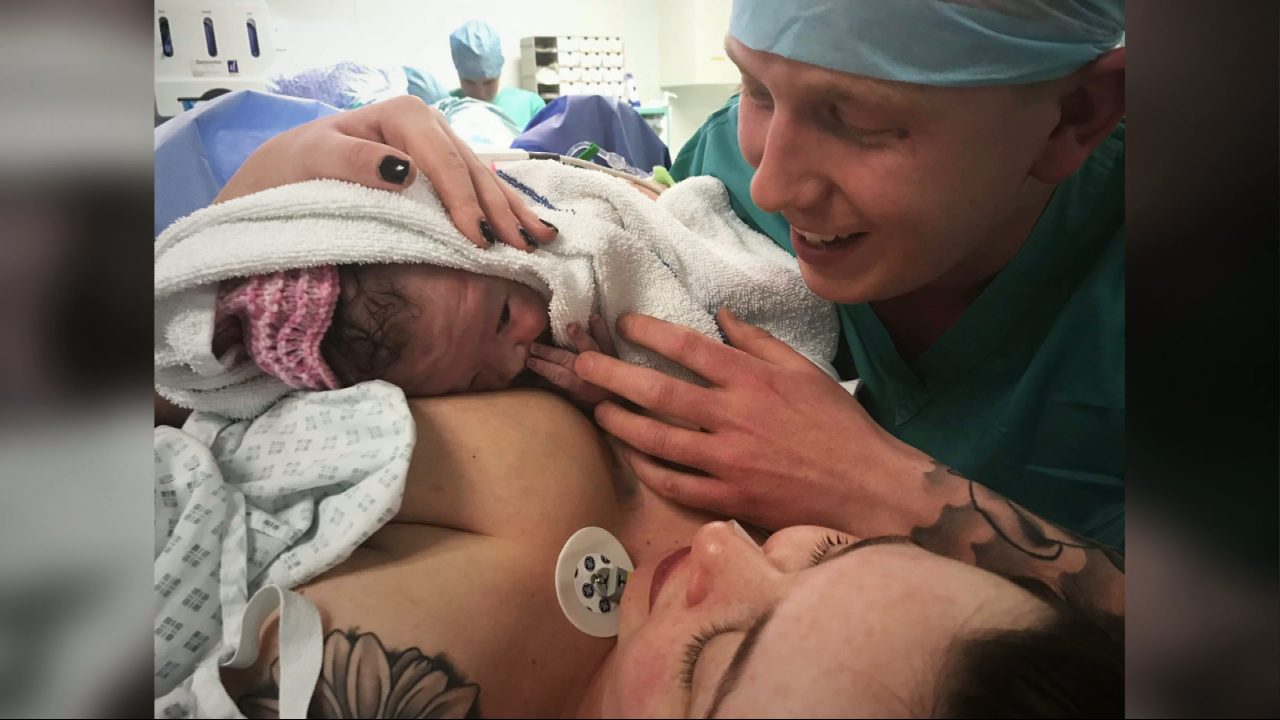
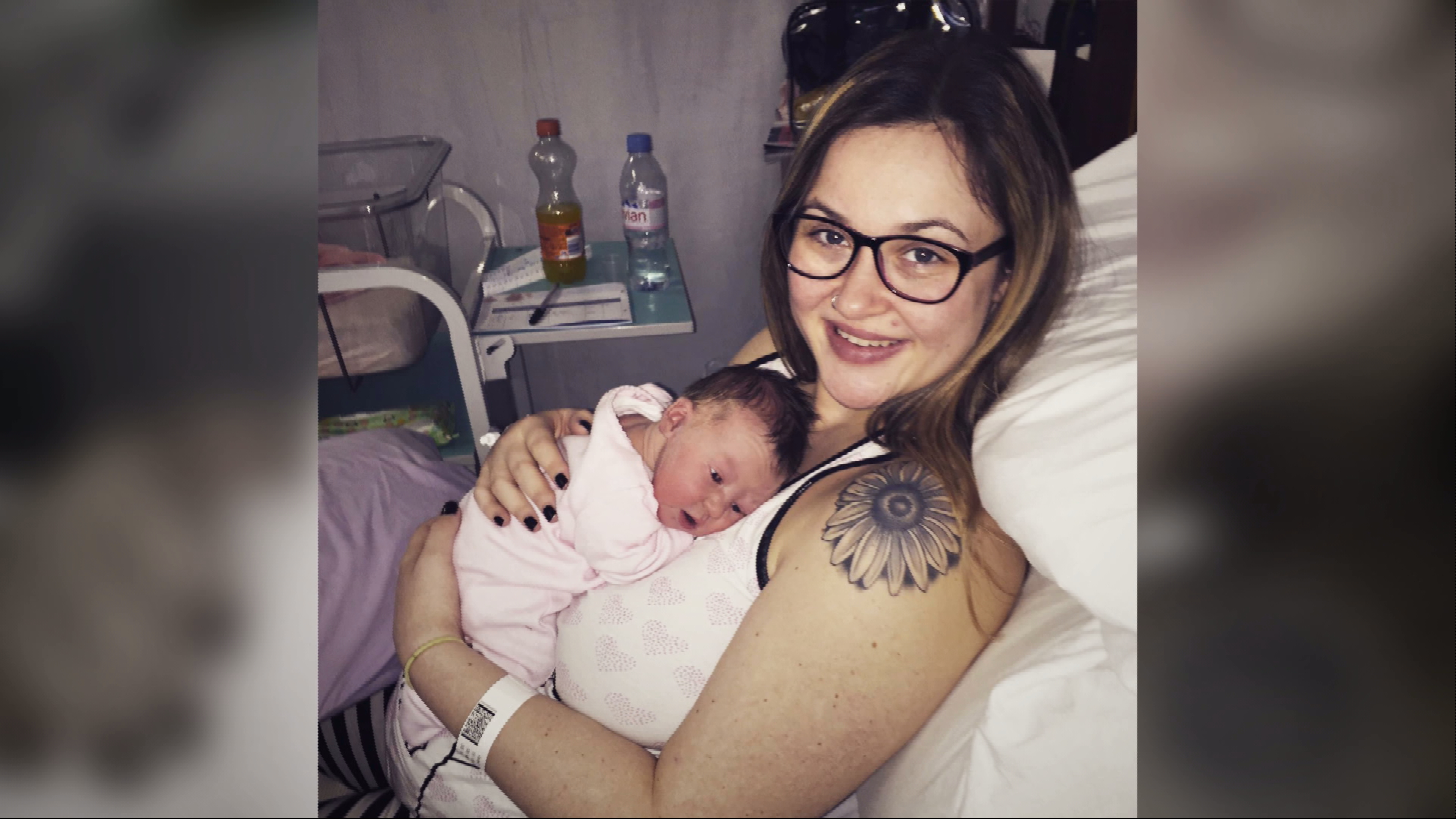
Mum-of-three Rachel Moir was 23 when she had her first daughter Mara in 2017.
What she hoped would be a joyous experience left her with a permanent colostomy and lasting mental scars nearly a decade on.
‘No words can describe how scared I was’
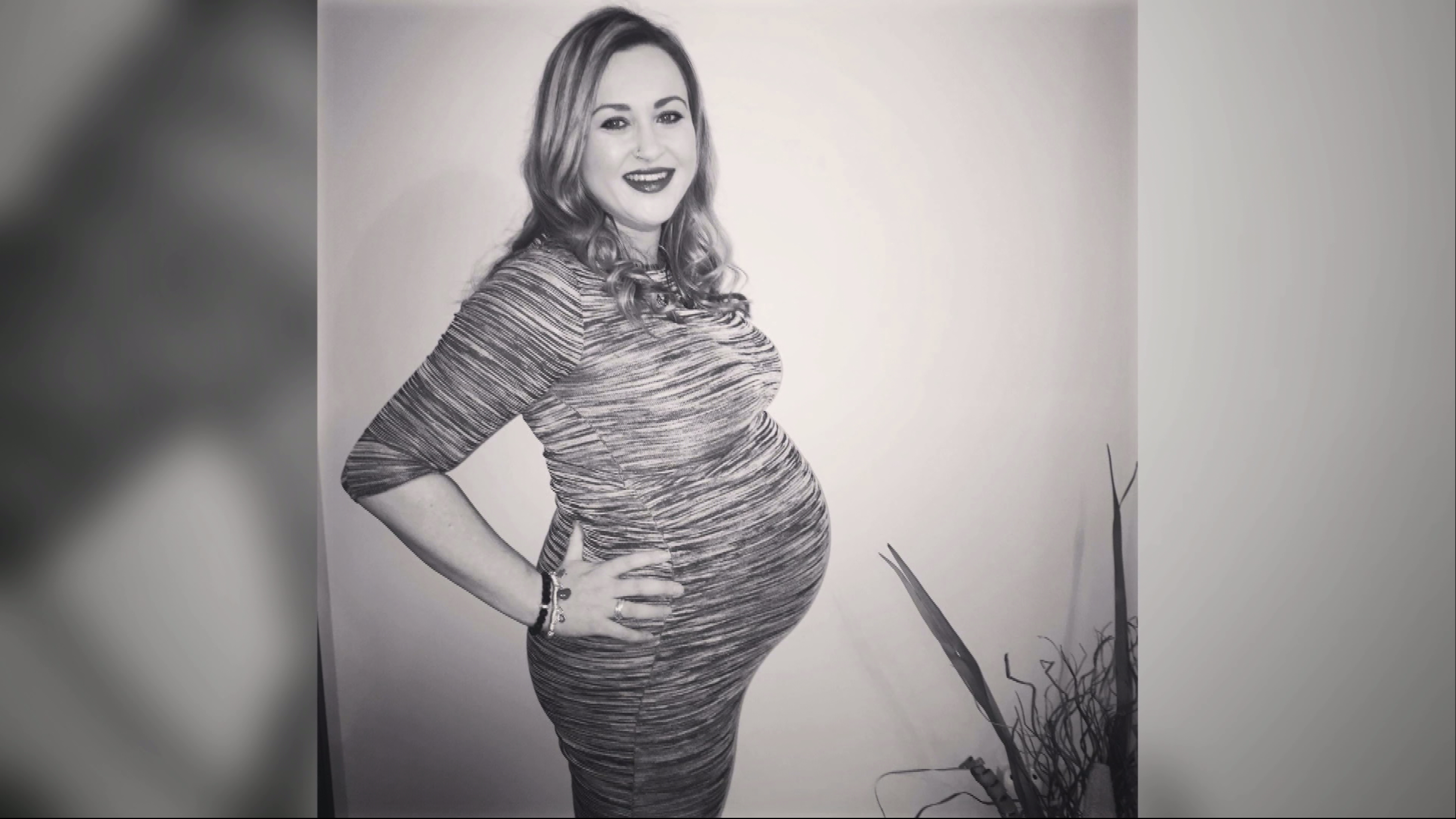 Rachel Moir
During a prolonged labour, Rachel suffered a rare buttonhole tear that developed into a rectovaginal fistula. The injury went untreated for nearly three weeks, leaving her passing waste through her vagina.
“I was in so much pain I couldn’t see,” the 32-year-old told STV News.
“Trying to describe how scary it was, I feel like there’s just not a word for it.”
Rachel’s story comes as complaints about maternity services continue to rise.
Freedom of Information figures obtained by STV News reveal maternity complaints rose by more than a third last year to 833, bringing the total to over 3,000 since 2020.
Throughout her ordeal, Rachel said she felt repeatedly dismissed by medical staff. Prepared for a C-section in the operating theatre, a shift change led staff to alter the plan and send her back to push on the ward. She eventually underwent a painful delivery using Kielland’s forceps.
“I signed the paperwork, and we were ready to go. By this point I was fully dilated, so the decision changed that I would remain on the ward and try to push on the ward.
“When I was told this, I really broke down. I was really, really upset. I had been awake for 48 hours.
“I was then told ‘it’s much better for you to try on the ward.’ I felt it came across like ‘we know best’. I felt quite embarrassed at the time for questioning it.”
‘I’ve had no answers’
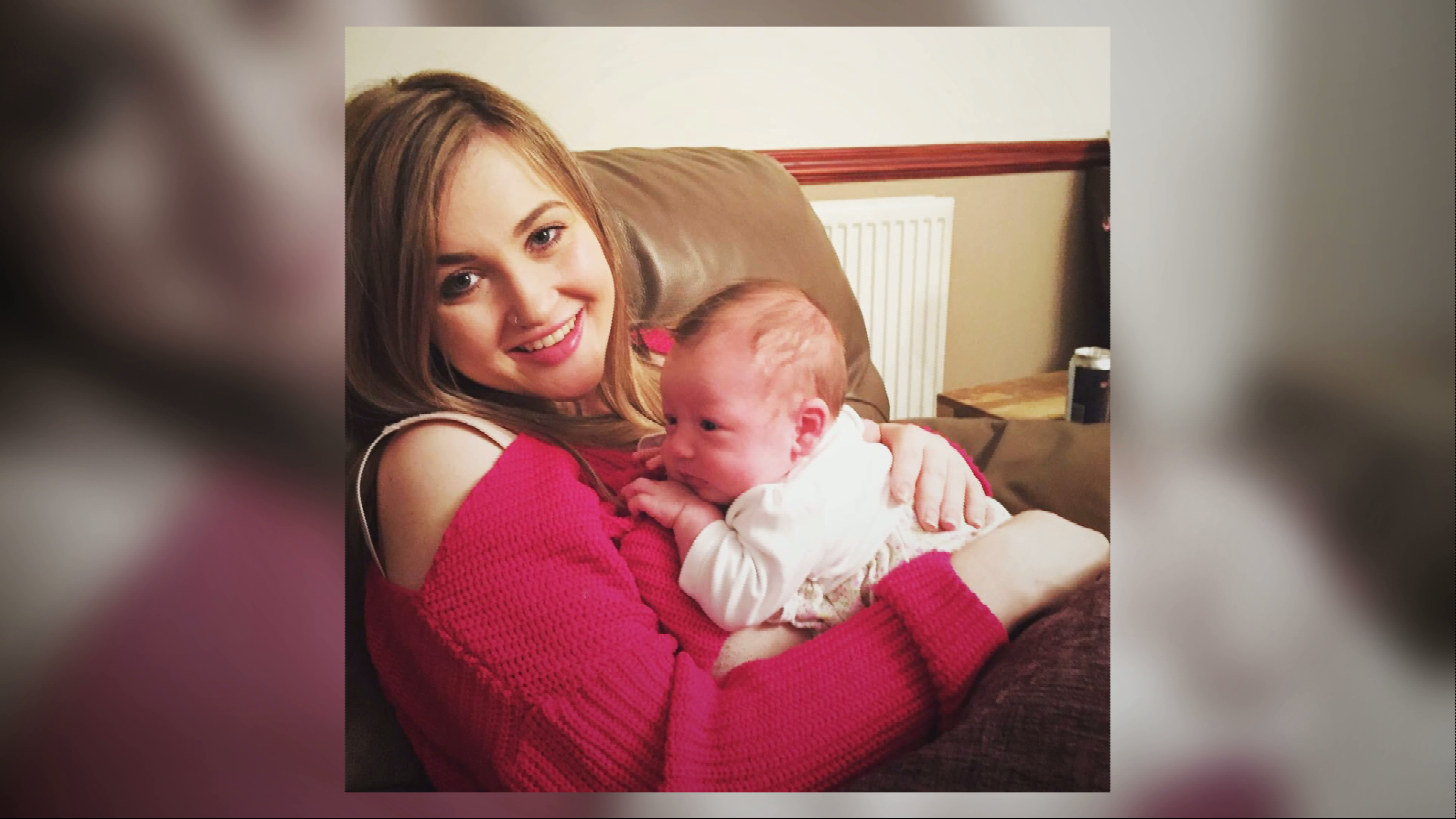 Rachel Moir
Severe pain in her arms meant Rachel could not hold her newborn daughter without supervision while using gas and air. With the unit understaffed and no one available to monitor her, she was forced to choose between pain relief and holding her baby.
Days after returning home, her condition worsened. She sought help from a consultant, who confirmed the diagnosis and advised her to return to hospital. When she got there, she was later told she did not qualify as an emergency and was sent home.
“I ended up running a shallow bath and sitting in it to let my bowels move because it was less painful to clean. At one point, I remember rolling up a towel and putting that between my legs. I could hear my baby crying, and I couldn’t do anything.
“I was getting infections and I was in so much pain. It was horrific.”
Nine years on, Rachel still questions how she ended up in her condition.
“One of the things I’ve found really difficult to deal with is how it happened. What happened with me specifically? Was it because of the Kielland’s forceps? Was it the long labour?
“For me, I know that the repair either wasn’t done properly or it failed very, very quickly – nobody can give me a definite answer.
“It was just awful to have been left like that, with no support. Even when you’re going and getting support, no one has the answers, and you think, ‘Am I the only person who’s ever gone through this?'”
 Rachel Moir
Rachel believes she could have benefited from perinatal mental health support, but says she fell outside the service’s eligibility window.
“I felt really lonely. You had to be within a certain time post-birth. When you hit a year mark, that’s it you get discharged.
“But the trauma doesn’t just stop at a year, especially when you’re still living with the physical injuries.”
Rachel went on to have two more children, but says the trauma of her first labour continued to shape her experiences of pregnancy and childbirth.
During her second pregnancy, Rachel went more than four weeks beyond her due date before going into labour naturally.
“I was classed as full term, but there was kind of an attitude of, ‘Oh, we don’t want to make any decisions too quickly, labour might stop in even a couple of days.’ I was kind of sitting there again with that feeling: no one’s listening to me.”
The experience led Rachel to create a highly detailed birth plan for her youngest child.
“The third time round, it was a lovely experience. I got my nice planned C-section, and it was really healing for both of us.”
Rachel is calling for greater awareness of birth injuries, improved trauma-informed maternity care, and better long-term support for women affected by the lasting physical and emotional impact of difficult births.
Nearly a decade on, she says the emotional and physical toll lingers.
“Mara’s nine and I’m quite embarrassed to say that it still has a huge impact,” she said. “Her birthday is really difficult.
“I think especially because there’s a a physical side that still isn’t fixed. I’m still waiting for another surgery.”
Other mums who have endured birth trauma share similar concerns.
‘Motherhood can be really isolating’
 STV News
At a birthing class in Aberdeen, mums are learning hypnobirthing, breathing techniques, and community singing to help them manage fear and recover from birth trauma.
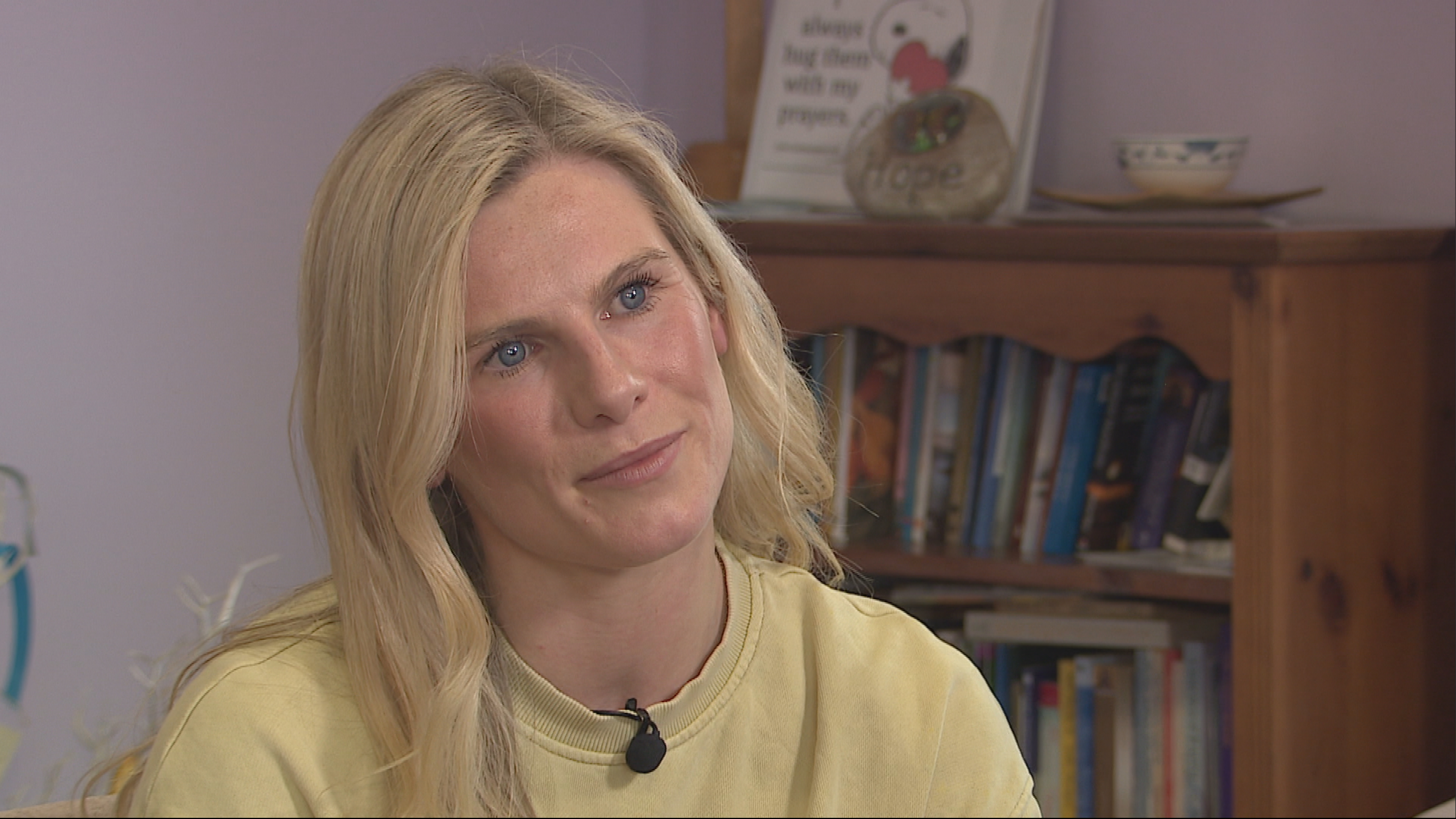
Eilidh Cartwright, who attends the sessions, said: “This birth experience has been healing for me. I needed it the third time round.
“If you’re given tools to maintain a positive attitude, it changes the whole experience.
“We went into labour and birth feeling much more in control and empowered this time, and that really helped the whole process.”
Midwife and educator Faye Walker said: “I want people to look forward to their birth, not see it as an event that has to be feared.
“I can’t eliminate fear and I can’t stop traumatic birth, but I can give families a chance to reduce that risk.
“Motherhood can be really isolating, regardless of birth. If you’re coming to classes and have an opportunity to chat to other mums who resonate with you, it can make you feel a bit less alone.”
Meanwhile, maternity staff and unions warn that healthcare workers are reaching breaking point.
 STV News
Some working on the ground says a “transformational overhaul” of the system is needed.
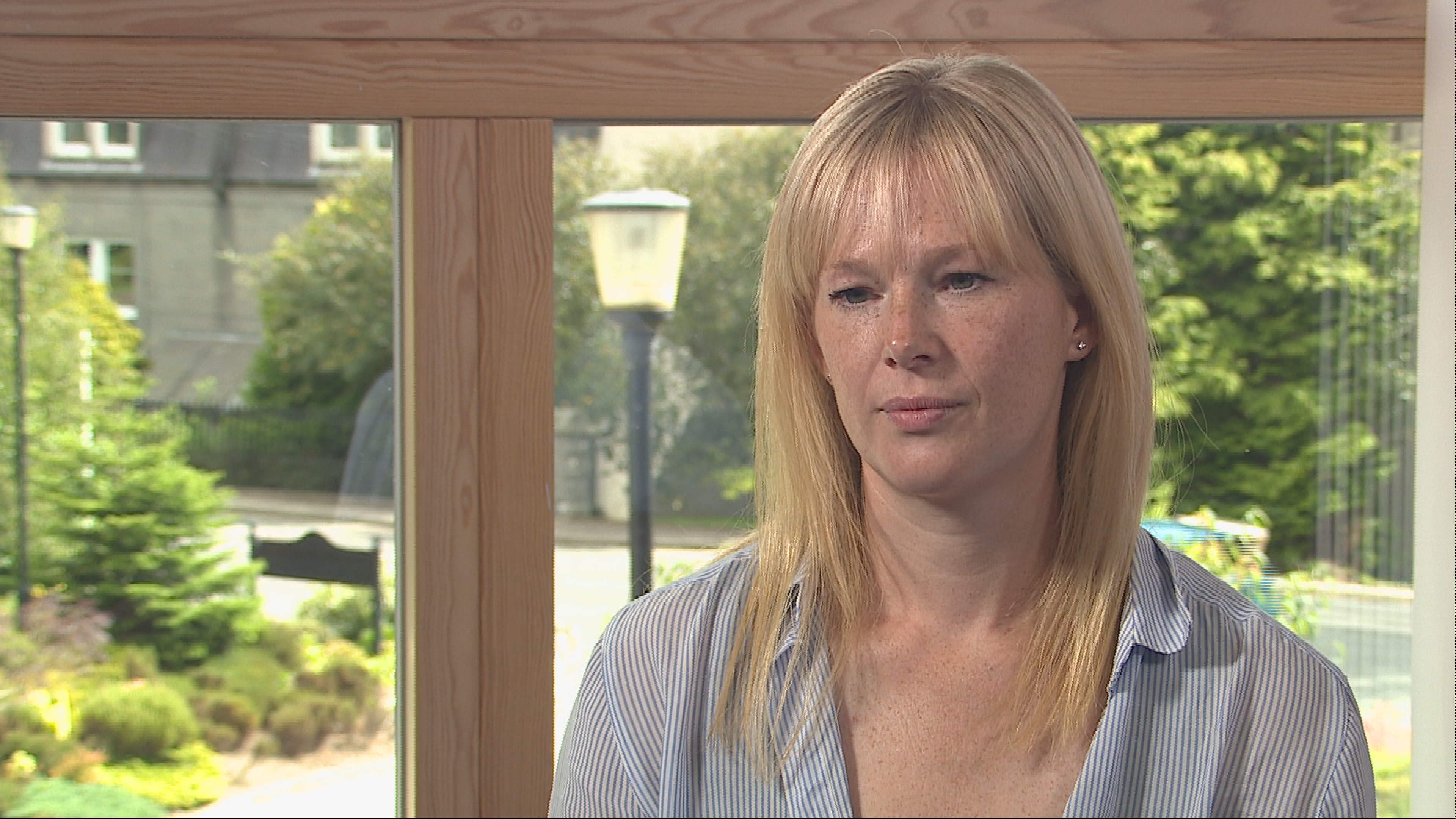
Leah Hazard, midwife and author, says recruiting and retaining staff is like “pouring into a leaky bucket.”
“The Scottish Government is finally paying some attention to maternity care and waking up to the fact we do have a crisis.
“The pressures maternity services have faced have had a real effect on staff morale.
“Staff do really try to go above and beyond to do a good job. Quite often there are issues beyond their control preventing them from doing that.
“I’m happy to see inspections, investigations and taskforces, but the pace of change is still far too slow. Many staff are not seeing that impetus for change reflected in their day-to-day clinical environment.”
A union representing midwives say staff are working hard to provide the best possible care – but that staff shortages and high workload is piling on the pressure.
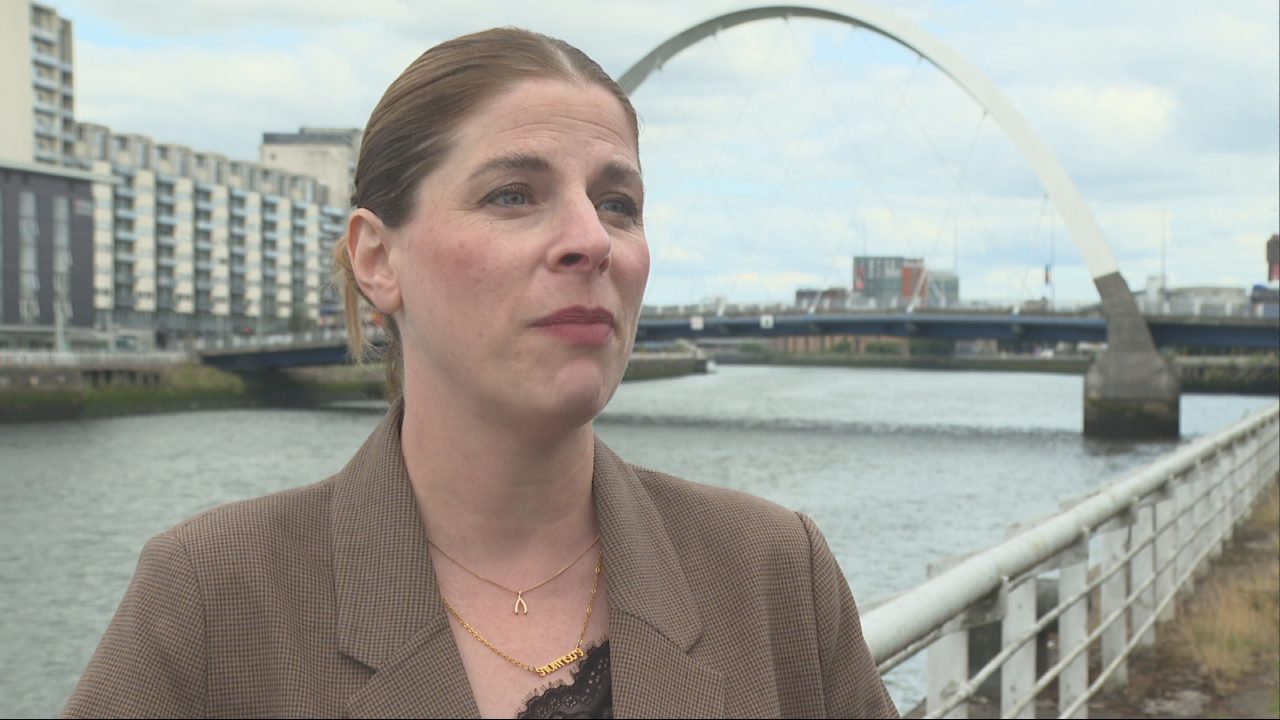
Jaki Lambert, RCM Scotland Director said: “If we want to improve women’s experiences and make maternity care safer, we must ensure services have the right number of staff, with the right skills, in the right place. That does not happen by accident, it requires planning and sustained investment.
“The inspections of maternity care in Scotland have all reflected that there is good care and compassion but that across Scotland there is a lack of staff, skill mix and resources invested in maternity care.”
The Scottish Government says a number of measures are already under way to improve maternity services.
Healthcare Improvement Scotland (HIS) has been carrying out inspections of maternity units across the country, with 13 of Scotland’s 18 acute maternity units inspected so far.
A national midwifery taskforce has also been established to address recurring issues identified through inspections, while new national maternity standards published earlier this year will be incorporated into future inspections from September.
Maree Todd, minister for public health, said: “It’s really important we make it clear we believe every woman in Scotland deserves safe, compassionate maternity care, and we’re working to deliver that.
“There undoubtedly have been a series of concerns raised about maternity services. The Scottish Government has responded to those concerns.
“What we’re doing is acting on what we’re finding as we’re finding it.
“Whilst it’s really disappointing that people have had cause to complain about maternity services, I am confident we’re making progress and improvements, and listening to what women and families say is important to how we improve services.
“I’m confident we have in place the right ingredients for improvement and I would hope what we’ll see is improvement in the quality of care and fewer safety concerns being flagged in future.”
Follow STV News on WhatsApp
Scan the QR code on your mobile device for all the latest news from around the country