Key Points
-
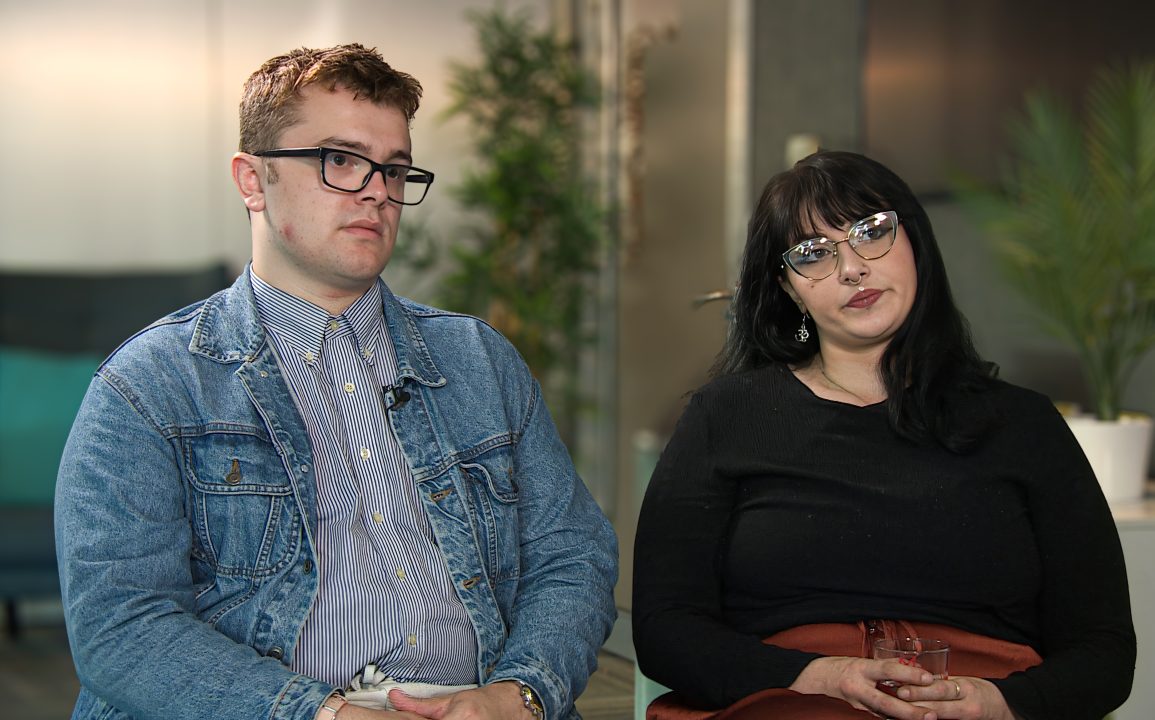
 William and Meaghann Murphy told a jury they suffered years of brutal physical and psychological abuse at the hands of their mother and grandmother
 - The siblings said they were terrorised by tales of a ghostly child killer named “Charlotte”, who they were told was constantly watching them
- Knives left under pillows and other intimidation tactics deepened the fear and trauma they carried into adulthood
- Their evidence helped secure the convictions of Shirley Freeman and Julia Stephen more than 20 years after the abuse began
William and Meaghann Murphy were only children when they became trapped in what court proceedings would later describe as a “house of terrors”, where years of abuse unfolded behind closed doors.
Along with their younger sister Rebekah, they were subjected to cruel and unnatural treatment at the hands of their mother, Shirley Freeman, and grandmother, Julia Stephen, for years behind closed doors.
More than two decades later, William and Meaghann gave evidence that helped secure convictions against their mother and grandmother.
A third accused, David McColl, had pleaded guilty before the trial to three charges of cruel and unnatural treatment of the children.
They were all handed non-custodial sentences at Aberdeen Sheriff Court on Monday.
What did the siblings tell the jury?
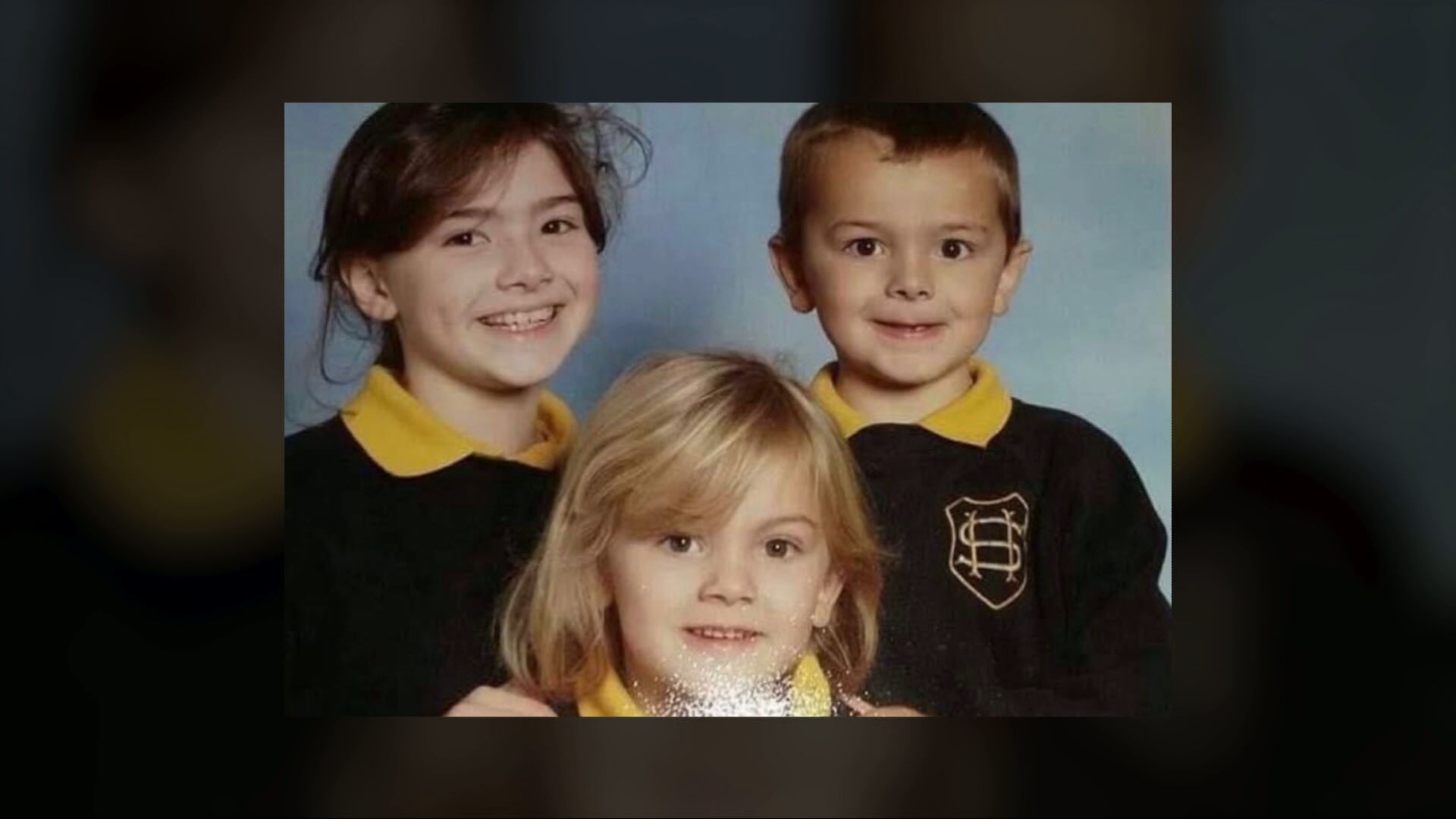
Jurors heard that the abuse took place at homes in Balloch and Aberdeen and affected all three siblings.
William, now 25, told the court he had been subjected to regular beatings with belts and pinned by the neck.
“All I remember is being followed around the room, being hit,” he said. “I was resisting, but I gave up at one point.”
Meaghann, now 28, told jurors she had carried guilt for years because she was the eldest child and felt unable to protect her younger brother and sister.
“I harbour a lot of guilt from being the oldest sibling, and I couldn’t protect them from so much,” she said.
The ‘Charlotte’ story
One of the most shocking aspects of the evidence involved a story the children said was used to terrorise them.
William and Meaghann said their grandmother claimed to have met a woman called “Charlotte” in prison. According to the children’s account, they were told Charlotte had drowned and dismembered her five children and was now a ghost who watched them constantly.
William said they were led to believe adults in the household could communicate telepathically with the dead child killer.
“We were led to believe that Charlotte was watching at all times,” he said.
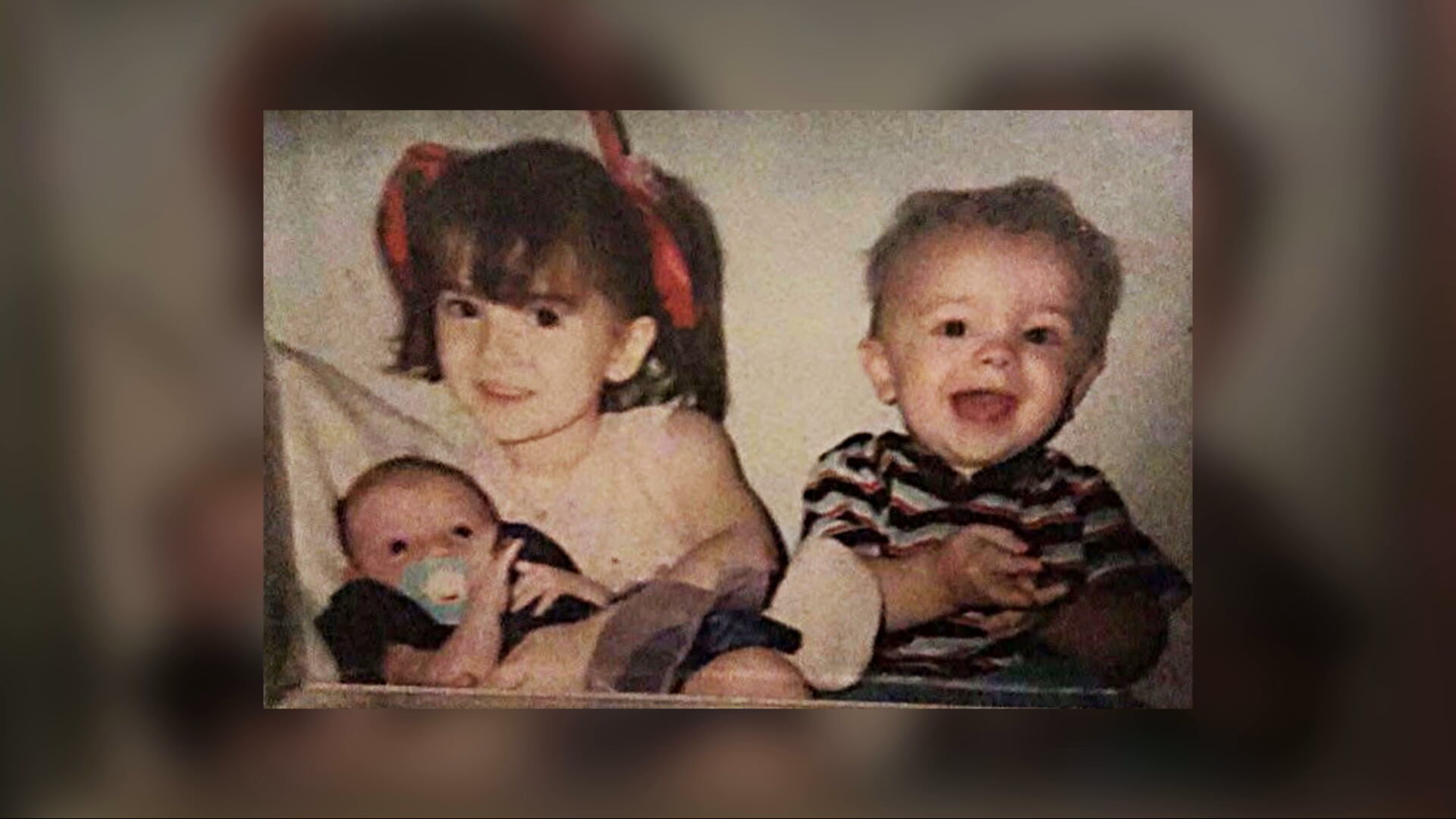
The court heard that knives were sometimes used to reinforce the fear. Both siblings said blades had been left under their pillows, and Meaghann said she once woke to find a meat cleaver in her bed.
William said the experience had left a lasting impact.
“I remember being expelled from school, for example, and I came home, and there were bin bags and knives everywhere,” he explained.
“I’ve still got a scar on my hand from it. I can’t sleep with my hand under a pillow anymore, because I went to do just that, and there was a knife under my pillow.
“We were led to believe that Charlotte was watching at all times.”
What were the convictions?
A jury found Stephen guilty of three charges involving the siblings, including striking one of the girls with a metal-studded belt and using the story of “Charlotte” to frighten the children.
Freeman was convicted of three charges, including depriving the children of food, leaving them outside on a cold veranda while undressed and repeatedly striking them with a belt and belt buckle.
A third accused, David McColl, had pleaded guilty before the trial to three charges of cruel and unnatural treatment of the children.
The jury returned majority guilty verdicts after almost six hours of deliberations.
McColl was sentenced to 220 hours of unpaid work, 18 months of probation, and an 11-month restriction of liberty order, as a direct alternative to custody.
Stephen was ordered to carry out 150 hours of unpaid work and given 18 months’ probation.
And Freeman was sentenced to 18 months’ probation, 240 hours of unpaid work, and a 12-month restriction of liberty order, as a direct alternative to custody.
Questions over social work involvement
The case also raised questions about the family’s contact with social work services.
William said records showed the family’s case in West Dunbartonshire was closed after they moved to Aberdeen.
“The real reason was to evade social work,” he said, adding that the children had been told to say they were moving to be closer to relatives.
William added: “Through reading my own records, our social workers made an entry saying ‘family have left to go to Aberdeen, case closed’.
“This was after Meaghann’s nose was burst open, all these incidents from Balloch and West Dunbartonshire Council closed the case because the family were not engaging.
“We were told to tell people that we were going to Aberdeen to be closer to her aunt and uncle, who stayed in Newburgh, that was the reason. If anyone asks – teacher or social worker – we tell them Aberdeen. The real reason was to evade social work.”
West Dunbartonshire Council said the children were known to social work from 2007 and that information was shared with Aberdeen when the family moved.
The local authority said concerns about the children’s welfare had been investigated in line with legislation and local procedures in place at the time.
A spokesperson for the council said: “All concerns and risks that the Council were aware of were investigated in line with legislation and local procedures at the time.
“The children were known to social work from 2007, and when the family moved to Aberdeen, information was shared with the local authority.
“There are no records of child protection alerts for Julia Stephen in 2012 or at any other time.
“Concerns for Shirley Freeman’s children’s welfare were raised by partner agencies in 2008, 2009 and 2010. On each of these occasions, social work services assessed and took appropriate action.”
Why did they speak publicly?
After the verdicts, Meaghann said she wanted other survivors of abuse to understand that abuse can occur within families and that speaking out is important.
“Silence protects abusers,” she told STV News. “It protected ours for the longest time.”
Meanwhile, William said the trial had forced him to confront memories he still lives with.
“I still hear me screaming for my mum in my head,” he said.
This is not the first time the family has had to seek justice. In 2022, the youngest sister, Rebekah Simpson, spoke to STV News after her stepfather, James Freeman, was jailed for raping her and multiple sexual assault charges.
She said: “I tried to say no. I tried to stop him but I couldn’t move my arms, they were tied above my head.
“My mum got home after a short time, and it was almost like nothing had happened. Every single day, something would happen, but the severe things he would do were when no one was around, so he could make sure I wasn’t able to get help. I wasn’t able to tell anybody”.
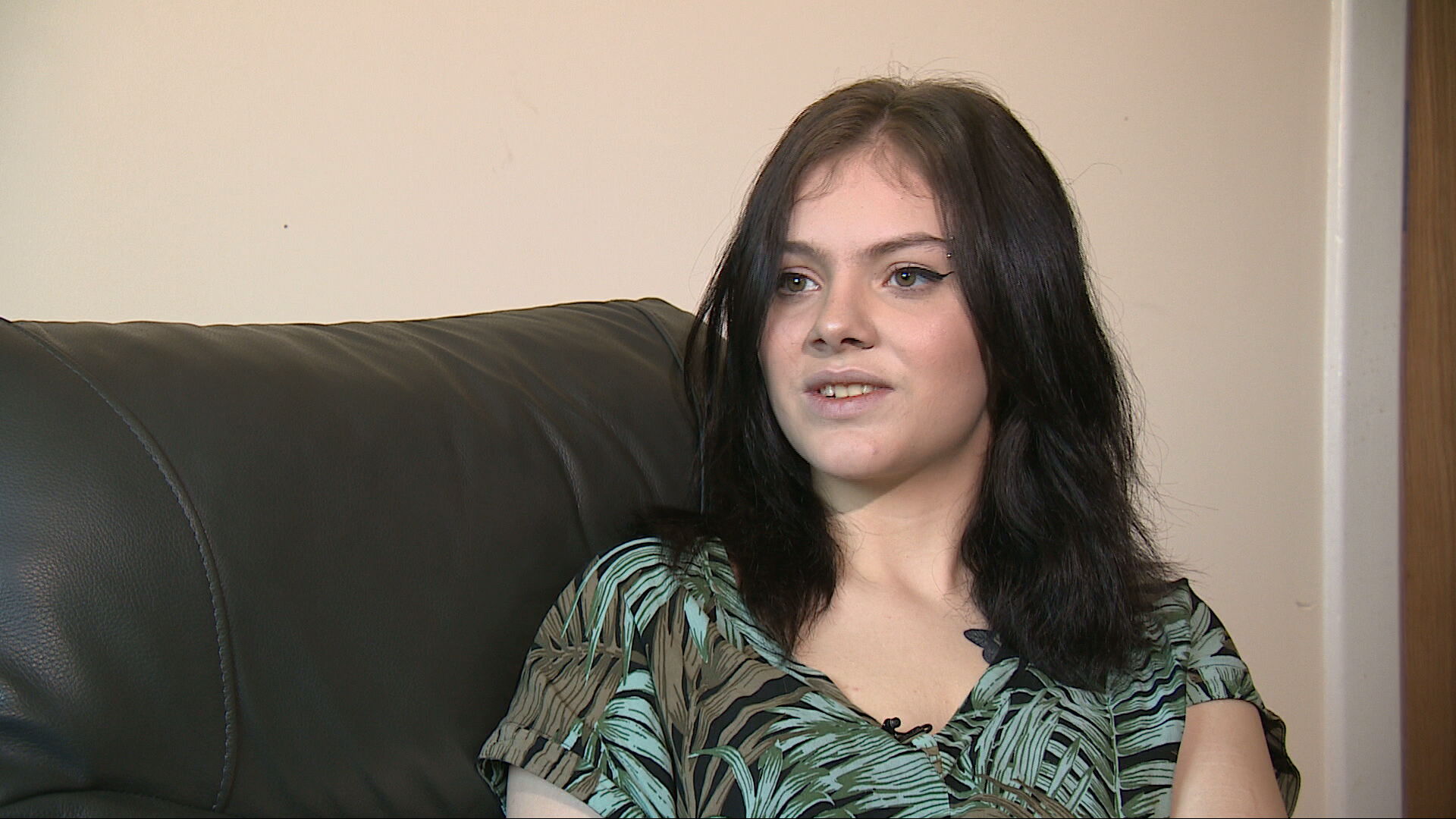 STV News
Police: Siblings were brave in giving evidence
Police praised the three siblings for their courage in giving evidence, saying their testimony had been central to bringing those responsible to justice after years of abuse.
Detective inspector Kerry McCombie said: “Freeman, Stephen and McColl subjected the three children, who were within their care, to prolonged abuse, affecting them both physically and mentally.
“The abuse spanned across the childhood years of the victims, and I’d like to pay tribute to them for their bravery to bring this case before the courts.
“Their assistance and cooperation played a vital part in ensuring the trio has been held to account for their actions.”
Follow STV News on WhatsApp
Scan the QR code on your mobile device for all the latest news from around the country