A homeowner in Aberdeen has paid to remove potentially dangerous concrete from the roof of his property – despite the council’s plans to demolish 500 homes.
While the local authority’s proposal to flatten and rebuild properties in Balnagask could cost millions, David Porter’s roof replacement came in at around £20,000. He claims much of the estate could be saved at a fraction of the cost.
Around 3,000 properties across Scotland – including parts of Aberdeen, Dundee, and Tillicoultry – have been found to contain RAAC (Reinforced Autoclaved Aerated Concrete).
Last year, the Scottish Government agreed a £10m funding deal with Aberdeen, which is now moving forward with full demolition following the evacuation of more than 350 council tenants.
‘The council says two years – I had this done in two weeks’
 STV News
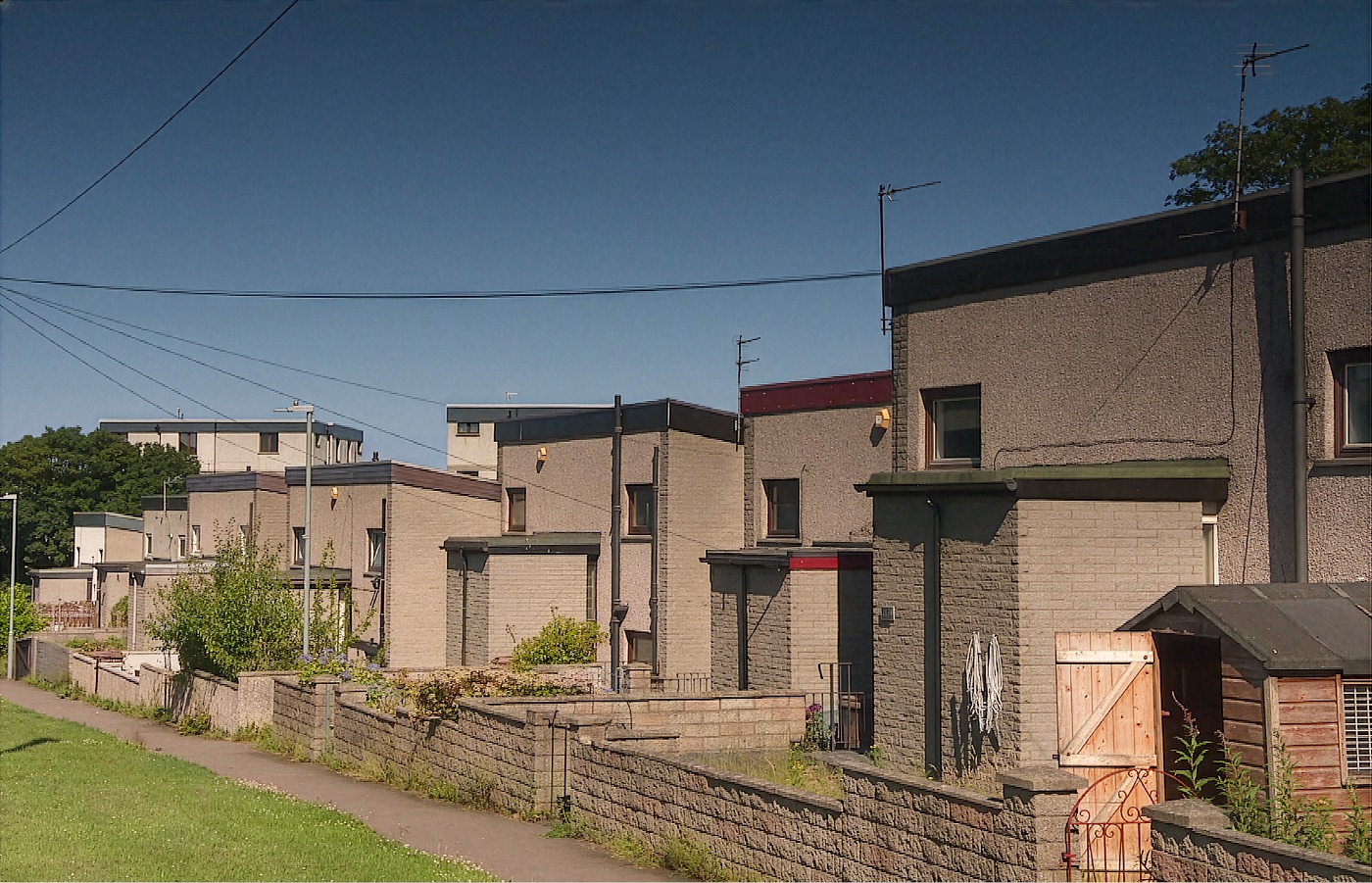
The Balnagask area of Torry has been described as a ghost town since many residents, primarily council tenants, left their homes.
But some have chosen to remain, with private homeowners in particular saying they simply won’t get the money that their properties are worth.
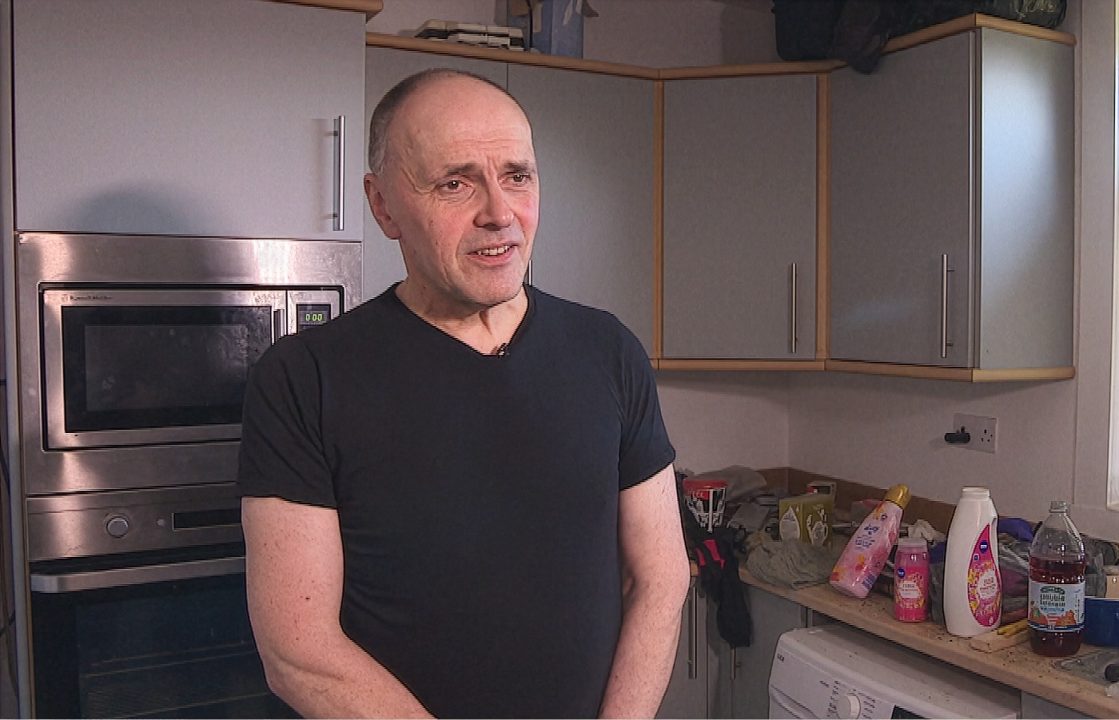
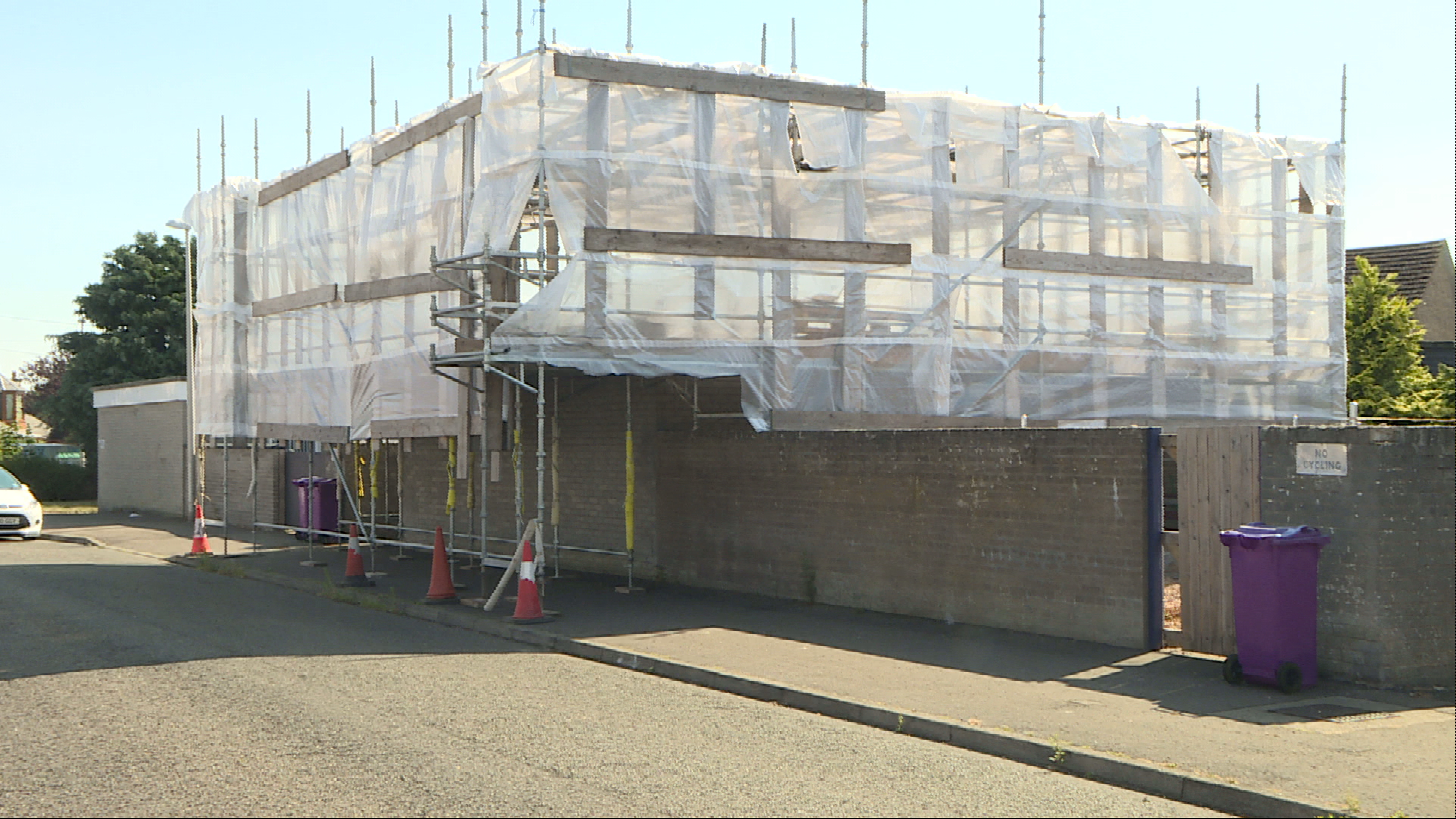
One of those is Mr Porter, the only person in the community to successfully replace the RAAC-stricken roof of his four-bed property, paying £20,000 out of his own pocket.
 STV News
He believes his two-week fix could halt the entire demolition phase.
“To replace these properties would cost a lot more than what is offered for them, and a lot more than they are technically worth as a valuation,” he told STV News.
“When we got a price, it was well below what the council offered us as a subsidised price, so it was basically an easy decision to go for the re-roofing.
“It’s all the structural engineers producing surveys and reports, but these are hands-on guys. Rather than talking for two years, they come in and do it in two weeks.”
 STV News
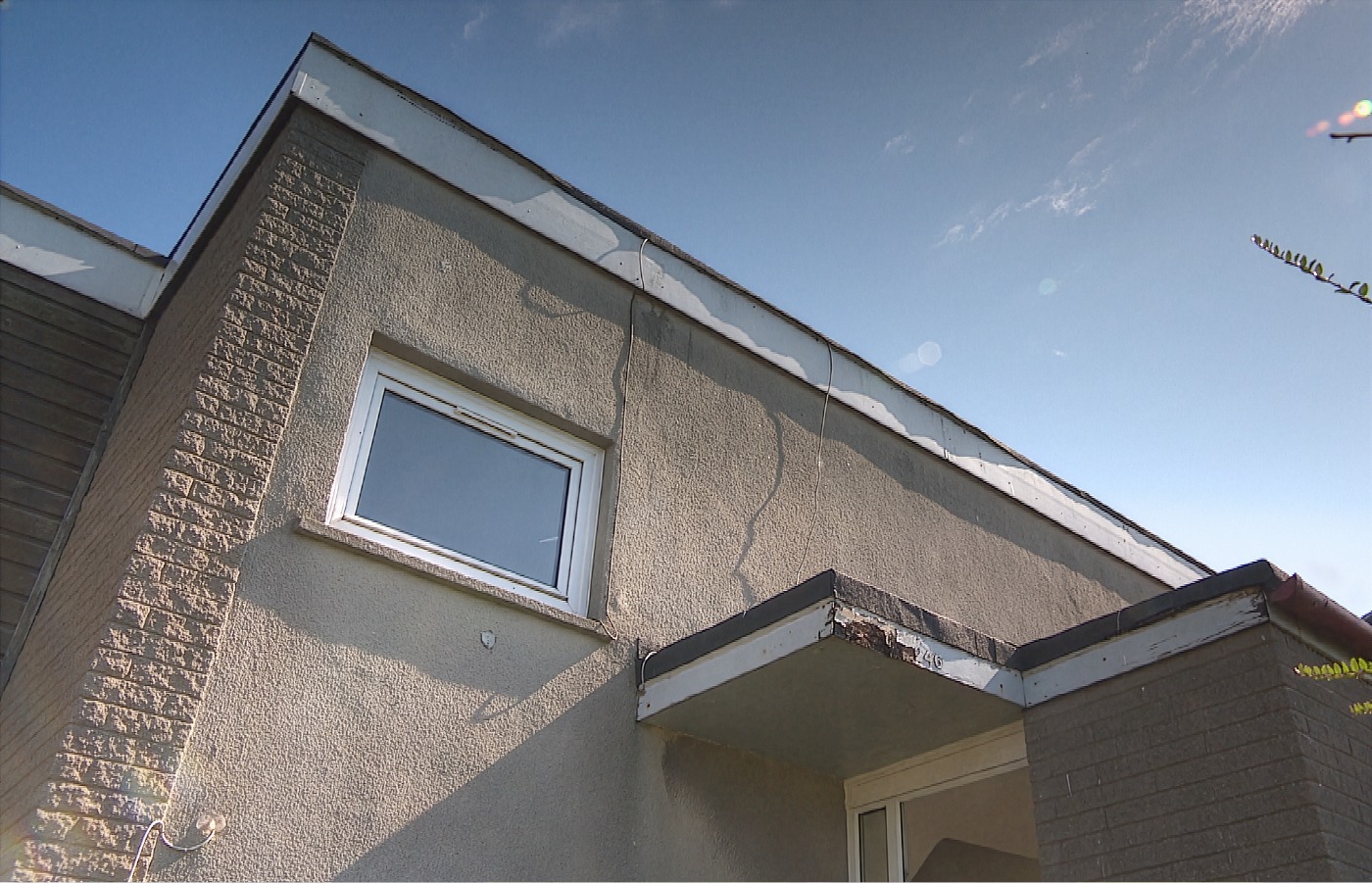
A total of 138 private properties and 366 council homes in the area were found to have RAAC in their roof panels in 2023.
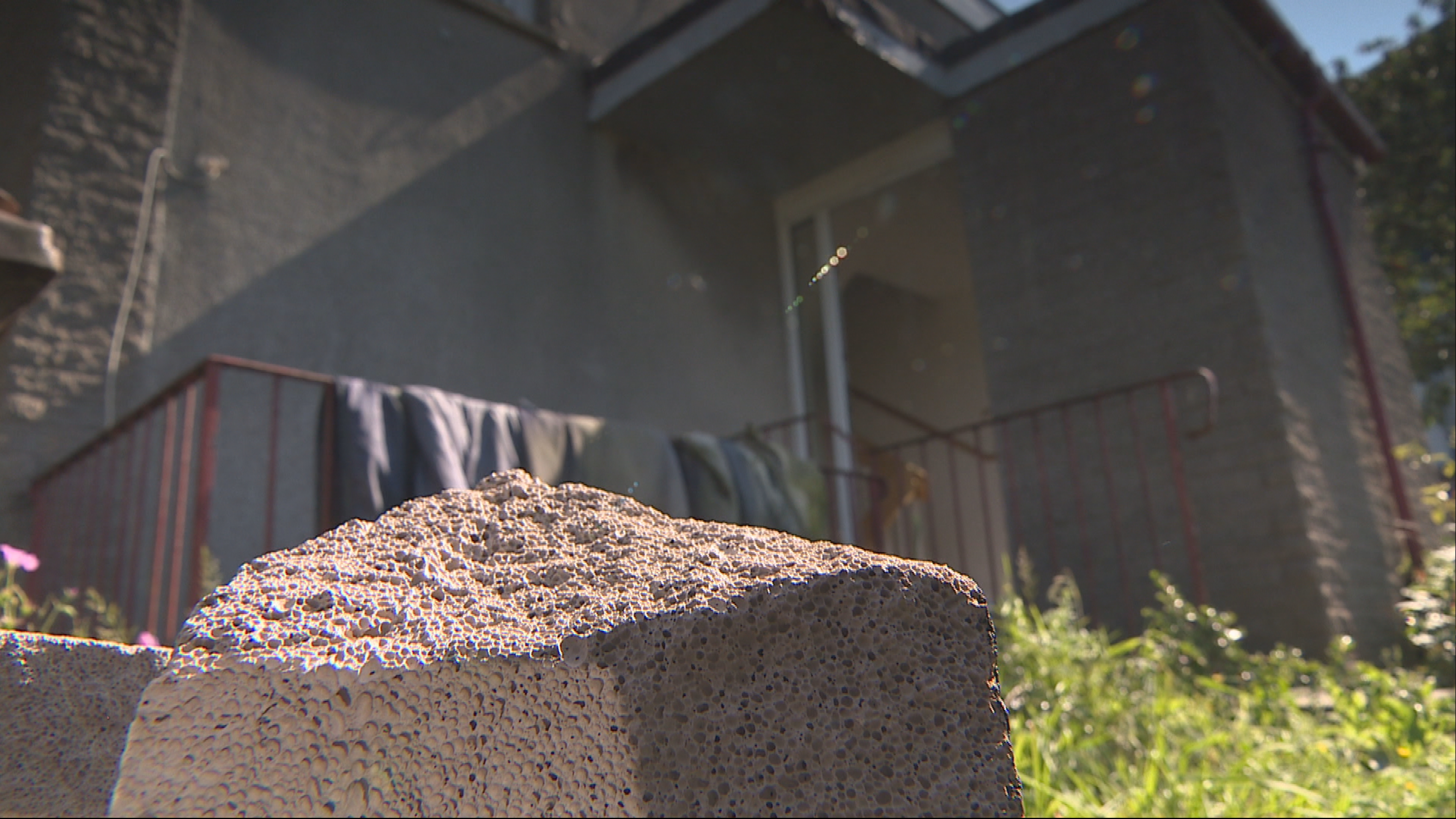
Bubbly and lightweight, RAAC was used from the 1950s to the 1990s in thousands of homes and buildings across Scotland.
But because it has exceeded its intended 30-year lifespan, it’s now potentially dangerous due to its risk of sudden collapse when exposed to moisture.
Because of this risk, many lenders will not mortgage RAAC-affected homes, leaving owners unable to sell except at drastically reduced prices.
Councils say they are legally responsible for the safety of their tenants, but private homeowners face potentially ruinous personal costs.
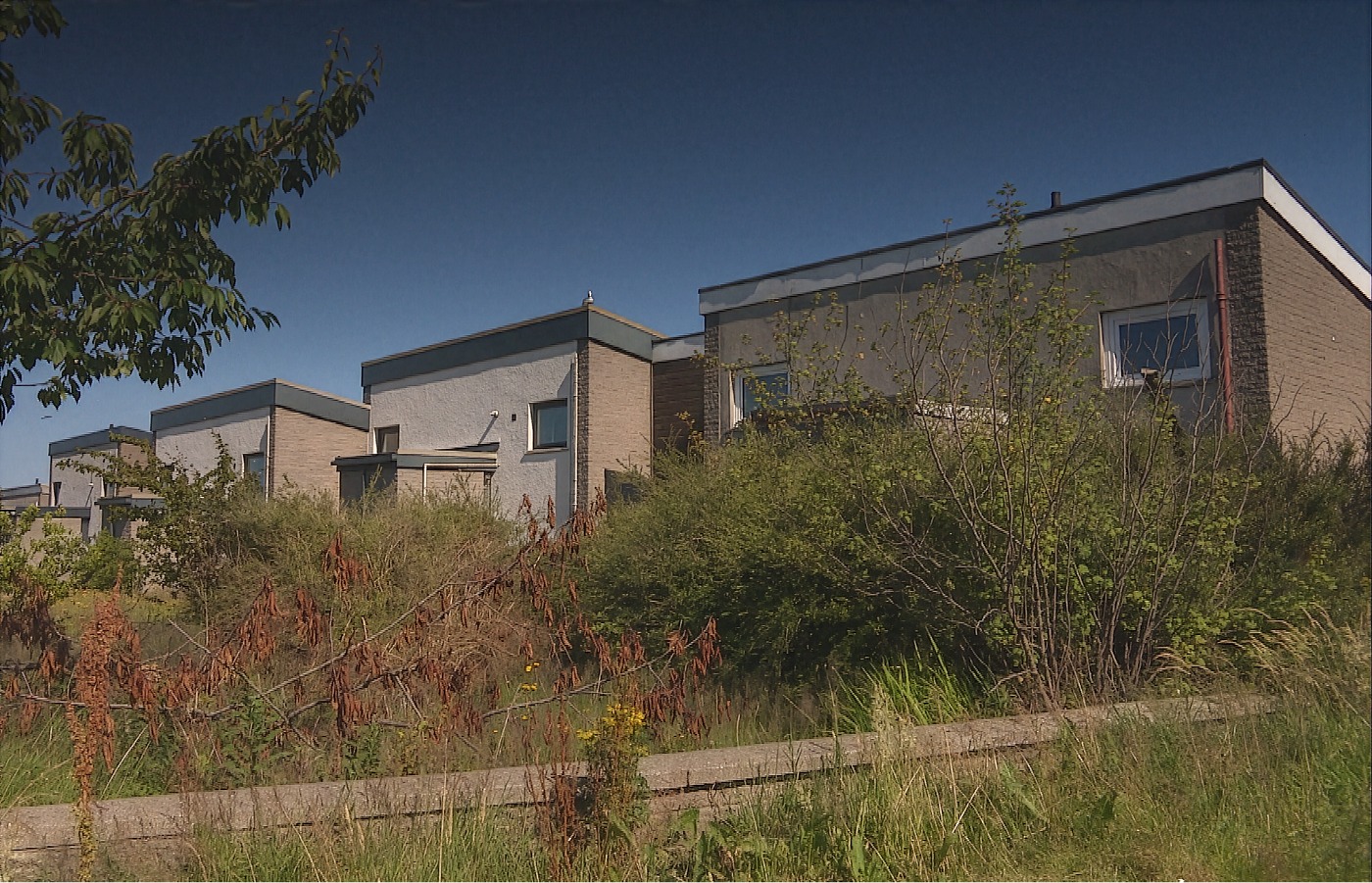
Preparatory demolition works have already begun and Mr Porter’s home is attached to another RAAC property in a row of six.
 STV News
He’s hopeful that the whole block could be saved.
He argues that the economics of demolition do not add up for homeowners, pointing to the gap between repair costs and the loss in property value.
Mr Porter points to examples of three-bedroom homes that would typically be worth around £120,000, but have been valued at closer to £60,000 due to RAAC – a 50% reduction in value.
The estimated cost of re-roofing is around a third of that figure, which comes in at around £20,000.
“It’s a massive saving,” Mr Porter said.
“You also prevent the destruction of a community, the dust and upheaval.”
Similar debates are ongoing in other communities affected by RAAC.
Struggles across Scotland
In Tillicoultry, Clackmannanshire, some residents have been out of their homes for nearly three years.
Funding has been secured from the Scottish Government, but families have previously been critical of the lack of a timeframe for repairs.
Meanwhile, in Monifieth, in Angus just outside Dundee, a pilot project is under way to explore the best method to fully remove the RAAC and are rebuilding with a timber-framed roof.
But Dundee RAAC Campaign Group vice-chair Yvette Hoskins says the scheme has hit an expensive snag after asbestos was discovered during works.
In mid-century builds, RAAC panels were frequently paired with toxic asbestos insulation.
“Residents are now even more stressed and worried,” she told STV News.
“People are now having the air quality of their properties assessed due to asbestos fibres, as well as dealing with RAAC.”
 STV News
Ms Hoskins says campaigners have reached out to the contractor who carried out the work on Mr Porter’s home to inquire about pricing.
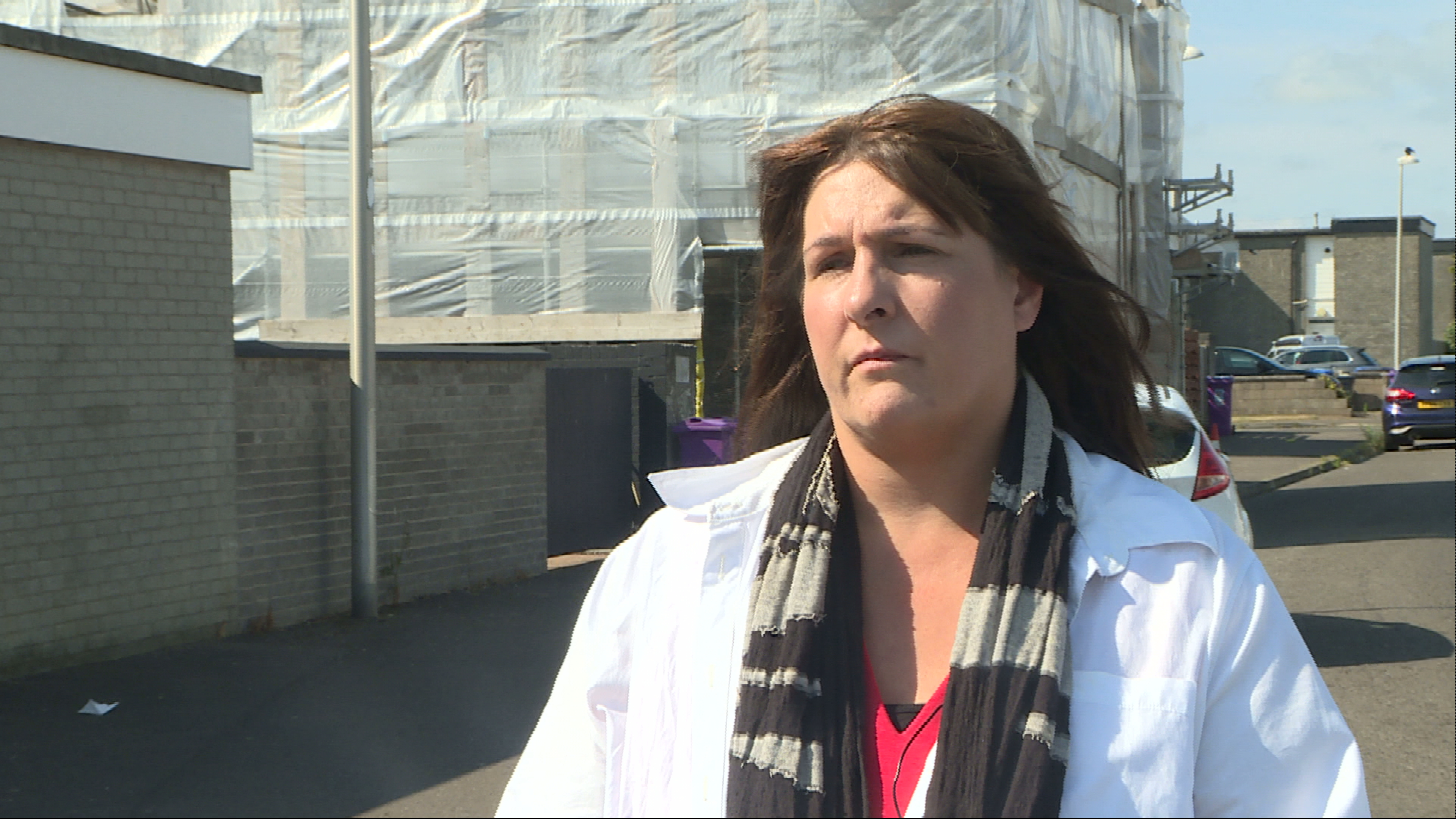
She argued that using a single contractor to carry out all of the required works, as was done in Torry, could be more cost-effective than employing multiple companies, with the council’s building warrant fee alone standing at £54,000.
“The council’s scheme is exceptionally more costly than the recent company that did the works on the gentleman’s house in Torry,” Ms Hoskins said.
“If they go through the right processes, they can get the cost lower. It was one company covering the whole planned works in Aberdeen. Here, it’s two or three doing the planned works, which may increase the cost.”
 STV News
The campaigner is calling for the council to cover the cost of the works for residents, many of whom are elderly.
“We feel that works should come at no cost to the homeowners because, unfortunately, they were put in this position,” Ms Hoskins said.
“It’s key that it’s dealt with from a much higher level or a local authority level.
“Residents are nervous. People cannot stay in their homes, so where do they go? How do they finance being relocated and belongings going into storage, when they can’t remotely finance RAAC removal in the first place?
“It’s a very difficult and complex position to be in. Everything about it is just so unfair.”
Angus Council says it aims to complete the pilot project by the end of the summer and are engaging with all residents regularly to keep them up to date with progress.
An Aberdeen City Council spokesperson said: “Aberdeen City Council remains willing to work with private owners in relation to RAAC roofs and will consider any reasonable proposals that may assist in progressing a solution.
“However, to date, the council has not received any proposals or formal contact from owners on roof replacement as an alternative approach.
“We would encourage anyone considering roof replacement option to contact the Council’s Building Standards team for advice on the statutory requirements.
“For clarity, there is nothing preventing private owners from replacing their roofs if statutory requirements are met.”
Follow STV News on WhatsApp
Scan the QR code on your mobile device for all the latest news from around the country