 STV News
A whistleblower at NHS Grampian has told STV News that management at the health board are “working in silos” and failing to listen to clinicians.
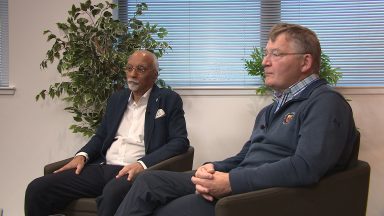
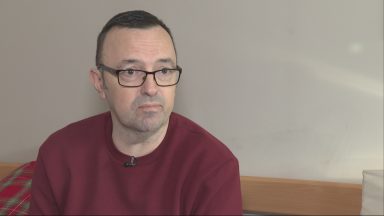
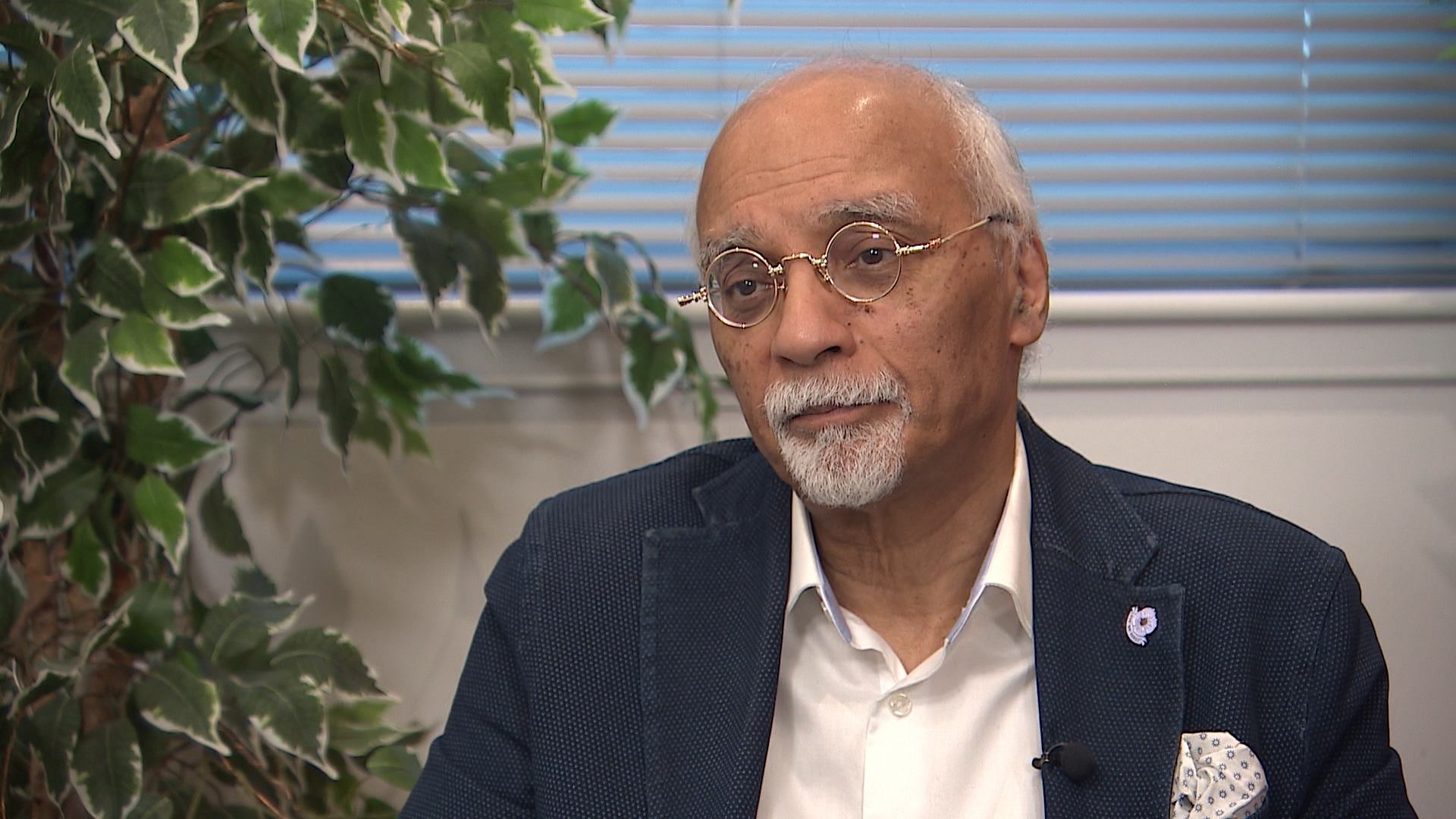
Dr Izhar Khan, who is a senior clinician at NHS Grampian, says there is a disconnect between leadership at the health board and doctors on the ward.
Dr Khan said: “It’s very important that NHS Grampian senior management, and I hope they will, listen to the clinicians’ concerns. The disengagement between NHS Grampian senior management and clinicians, like myself and the advisory structure, I think, is at the root of the findings and, to be honest, the mess that we are in.”
He has spoken to STV News after a damning Healthcare Improvement Scotland report last week found “serious concerns” about patient safety, leadership and clinical governance at NHS Grampian over several years.
He said: “Management should stop working in silos, and management has worked in silos, with edicts sent down that ‘you must do this’, ‘these are the service changes, the plans’, without any consultation with us, because in the end they expect us to deliver those services.
 STV News
“But isn’t it important that they should consult the clinicians who are supposed to deliver those changes?”
‘It’s become like an assembly line’
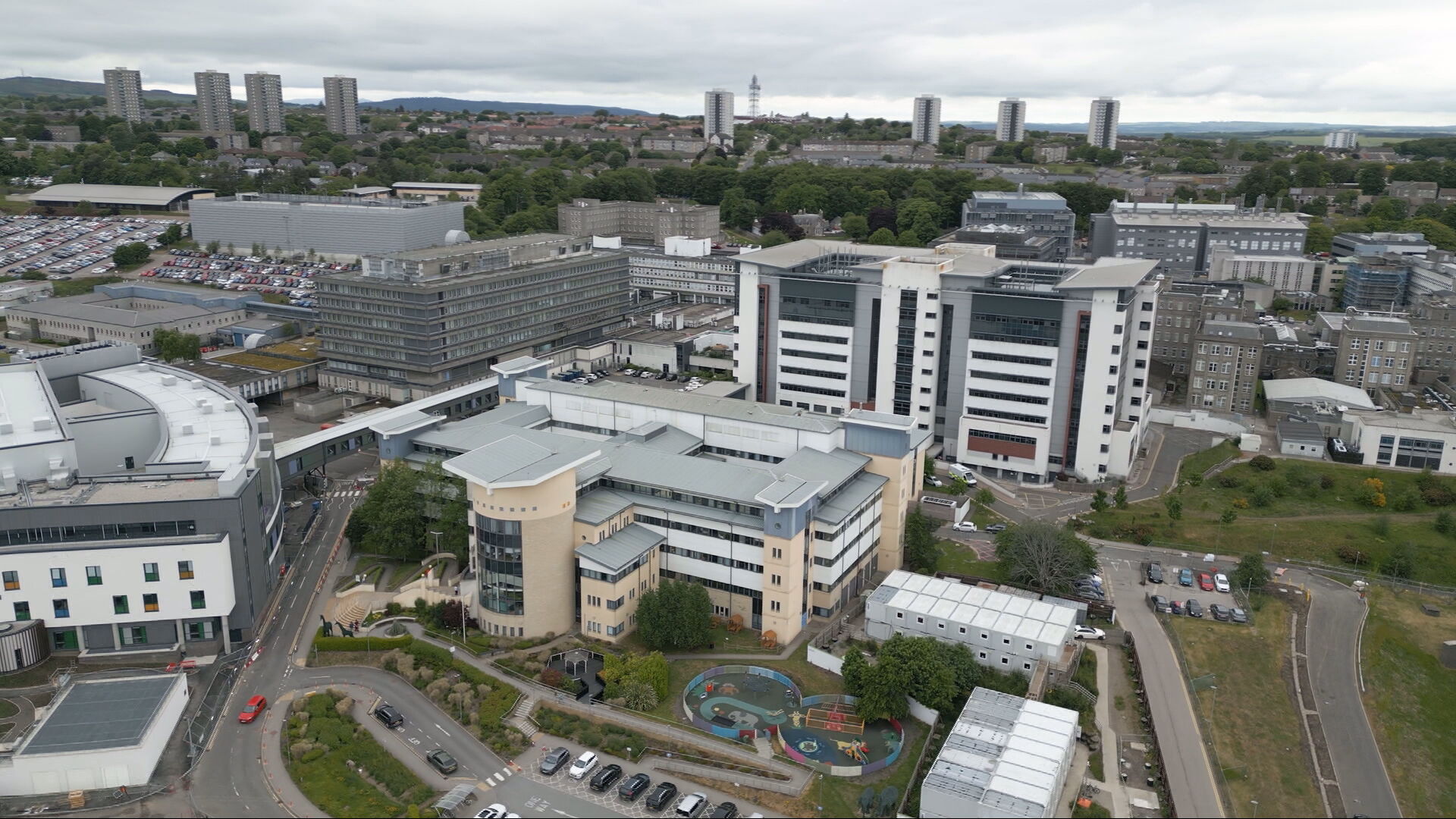
Dr Khan, a kidney specialist, says he believes patients at Aberdeen Royal Infirmary are often being placed in wards he considers unsuitable for the treatment and care they need.
He said: “Nobody discusses with me who should come to the ward or not.
“I turn up at the ward in the morning, and I find a man with a broken arm, or a patient with a broken arm, I’m not an orthopaedic surgeon, lying in a corridor.
“So it makes it very difficult for us to deliver safe care, because I am a kidney specialist. If I have a kidney problem, I would like to go to a kidney ward. If I have a gallbladder problem, I would like to go to a hepatobiliary ward, but that’s not happening.”
Asked if he feels his concerns are being listened to by management at NHS Grampian, Dr Kahn responded: “Let me put it this way, when I have asked not to be sent patients who are not a speciality in my ward, the answer is ‘sadly not yet’. I have not been listened to.”
He also warned the pressure to get patients out of hospital to free up bed and ward space is putting patient safety at risk.
Dr Kahn said: “It becomes like an assembly line. Patients are brought in, and the first thing that goes through the mind of those who allocate patients to different wards is that ‘we’ve got to get this patient out of this place into some other place’.
“As soon as the patient arrives, we’re then asked ‘when is the patient going home?’
“We need time to look after patients in a safe manner, and to be pressurised that within 12 hours we have to now we’ve been told, decide what the patient’s expected date of discharge is.
“Our ward rounds are now interrupted by a meeting at noon to decide who is ready to go home or not, and that, you see, takes time and distracts us from doing our job.
“I know colleagues who have given up acute ward work because the pressures are too much.”
 STV News
Dr Khan said he raised issues in December 2024 and called for an external review of the health board.
After the findings of the Healthcare Improvement Scotland (HIS) report were published on Thursday, the Scottish Government said it expected ‘urgent’ and ‘decisive’ action.
However, concerns were raised more than a decade ago at the health board about issues regarding patient safety and leadership.
In 2014, another HIS report identified issues similar to those raised in this latest report.
‘Management merry-go-round’
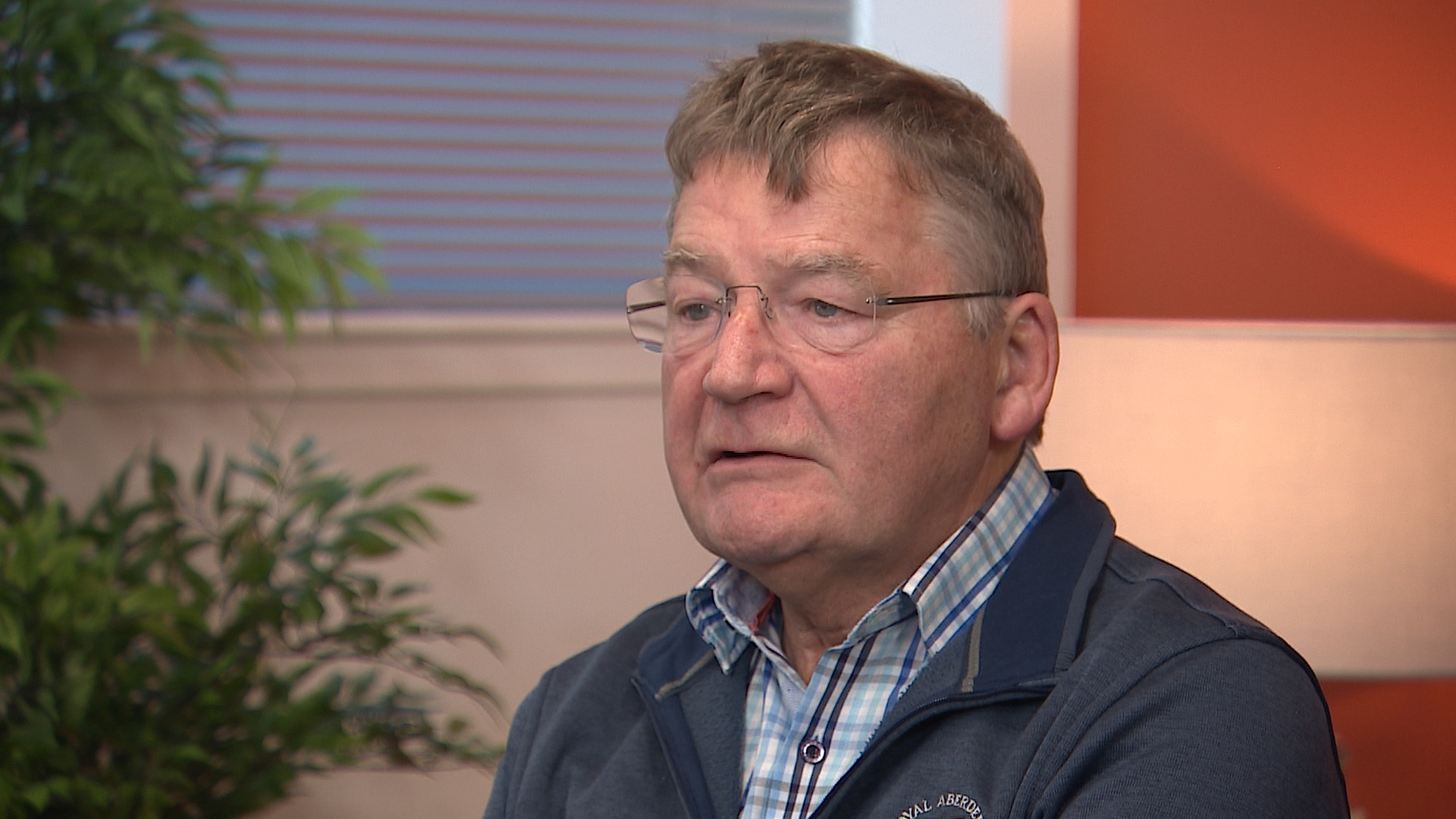
Professor Zygmunt Krukowski was a senior surgeon at NHS Grampian and a surgeon to the Queen at the time and raised concerns.
He told STV News: “Deeply depressing that very little has changed. I mean, there has been the usual merry-go-round amongst senior management over the last ten or 15 years. The response is always ‘lessons will be learned’. It’s manifestly not the case, so lessons aren’t learned.
“Either they get moved on, or they don’t stay to see the consequences of their actions.
“This mantra that lessons will be learned. Well, they can’t be learned, because if you look at the disasters reported in this report from the surgical area, they clearly have not been learned, and this is ten years or more that these concerns have been aired.”
He added: “It’s disastrous for the public and patients in Grampian; the issues are just the same. It’s hard to understand why this continues.”
 STV News
Dr Kahn says he has seen some changes but not nearly enough: “The problem is this change is piecemeal.
“Corridor patients. When I first saw a patient in the corridor in my ward, I was on the verge of tears. No dignity, no privacy, no wash basins, yet there was somebody watching me how I’m washing my hands.
“So, somebody is employed to watch me, how my team and I are washing our hands and whether we are doing it properly, and yet I am looking after a patient in a corridor who does not have access to a toilet.”
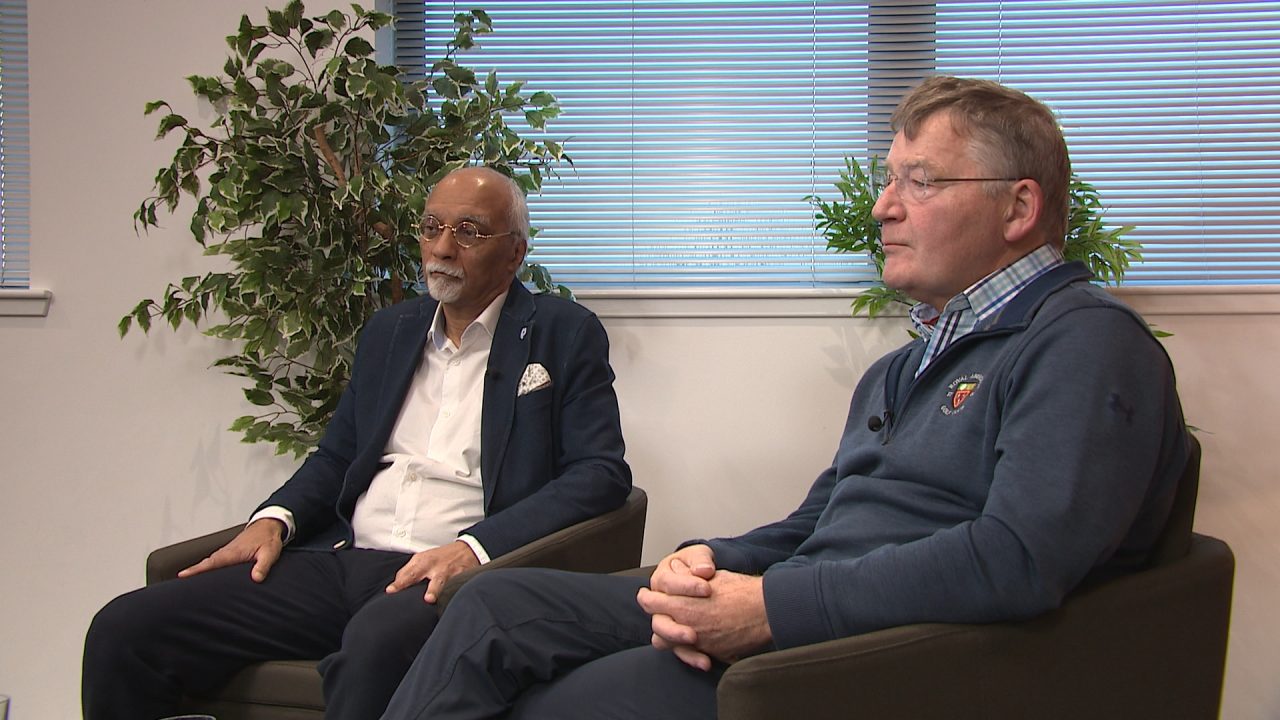
Both medical professionals say they decided to speak to STV News because they’ve become frustrated with what they believe is a lack of action to address issues.
Professor Krukowski said: “These recommendations that come out, there have been many, many reviews not just locally but nationally and they come up with 40 or 50 recommendations, and very few of them are actually implemented. They’re just filed away, and nothing really changes. We can see nothing is changing, or we wouldn’t be here today.”
Dr Khan says he is worried that if changes are not made, then more issues around patient safety will continue.
He said: “I expect NHS Grampian senior management to engage with clinicians and to listen to our voices, otherwise we’ll be sitting here in a few years going through the same process again.”
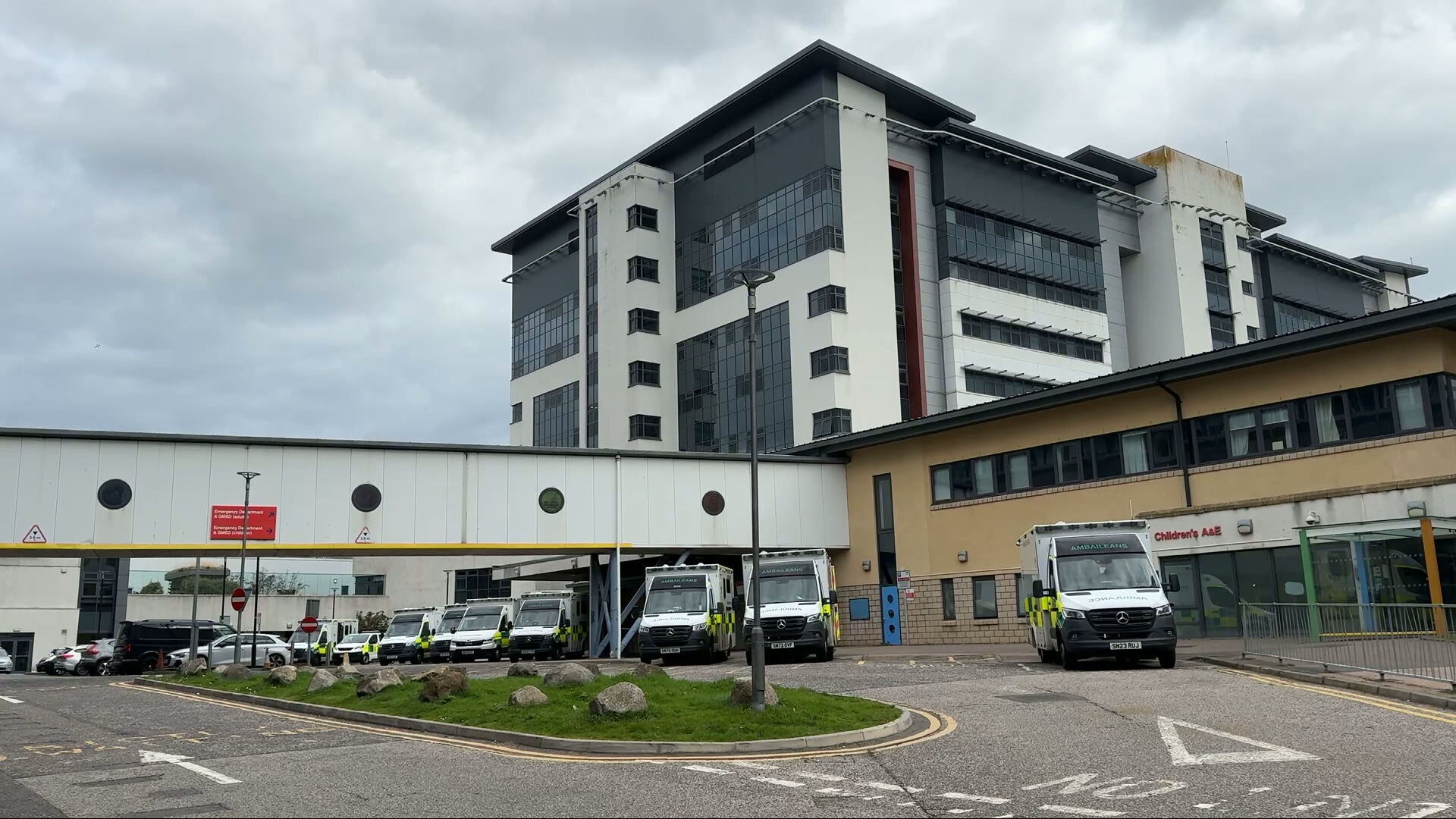
In response to the HIS report, NHS Grampian has already apologised to patients and staff.
 STV News
On the issue regarding claims around the disconnect between senior management and clinicians, one chief said they accept the findings and apologise to patients and staff.
Laura Skaife-Knight, NHS Grampian chief executive, said: “Too many staff have been raising concerns for too long without always seeing the action they should have.
“One of the reasons I commissioned this independent review was to understand why longstanding issues have persisted and what needs to change to address them once and for all.
“As a Board, we recognise the seriousness of the findings in the Diagnostic Report. We own them, accept the findings and apologise to our patients and staff for letting them down.
“We are determined to put things right and have already made some immediate changes in response. These include changes to senior medical leadership arrangements and Executive oversight of Significant Adverse Events Reviews.
“Our staff, including clinical colleagues, have been sharing their ideas for what needs to be different moving forward. We have committed to involving our staff, Area Clinical Forum, Grampian Area Partnership Forum and our clinical advisory groups in the process from the start.
“We are also giving careful thought to how we ensure there is a strong patient voice and input into our response, which must lead to meaningful action and lasting improvement that the people of Grampian deserve.”
Follow STV News on WhatsApp
Scan the QR code on your mobile device for all the latest news from around the country