People with severe learning disabilities are among the most vulnerable and socially excluded members of society, and are significantly more likely to die from treatable conditions.
For years, studies have highlighted the health inequalities they face.
It’s an issue acknowledged by government through the rollout of annual health checks, but families and campaigners fear too many people are still waiting too long for treatment.
Many are unable to communicate their pain or symptoms themselves.
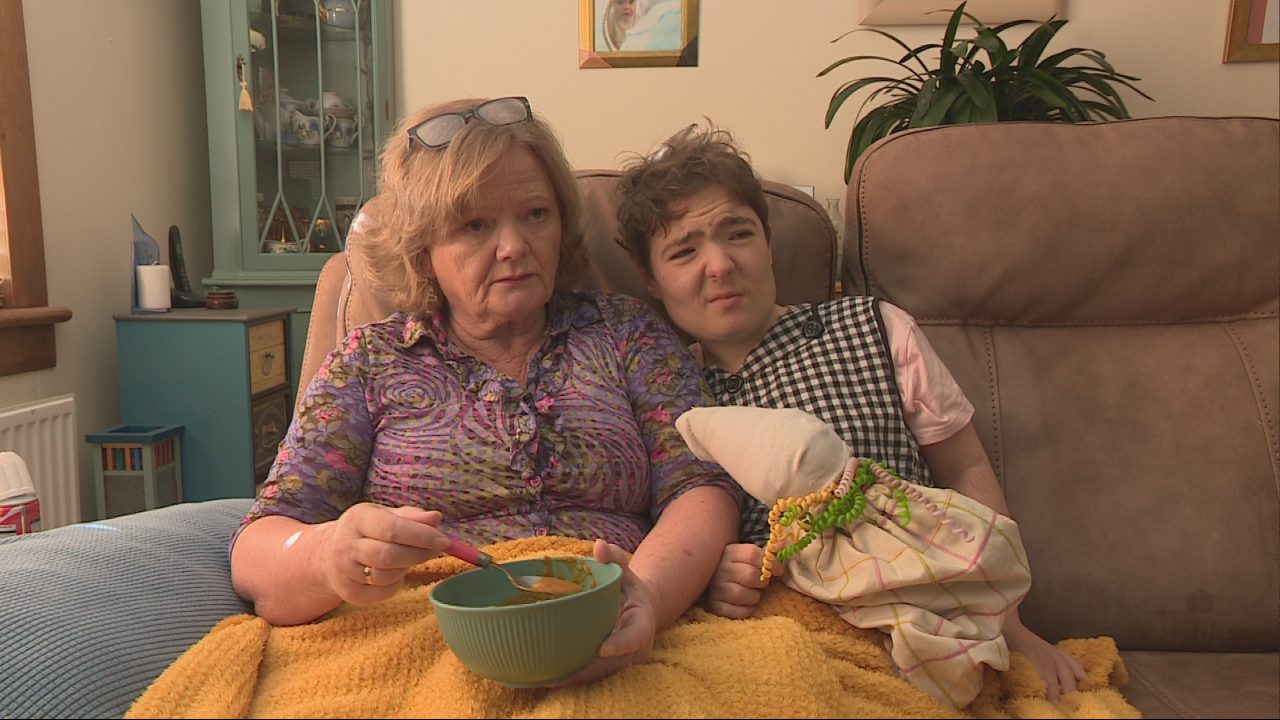
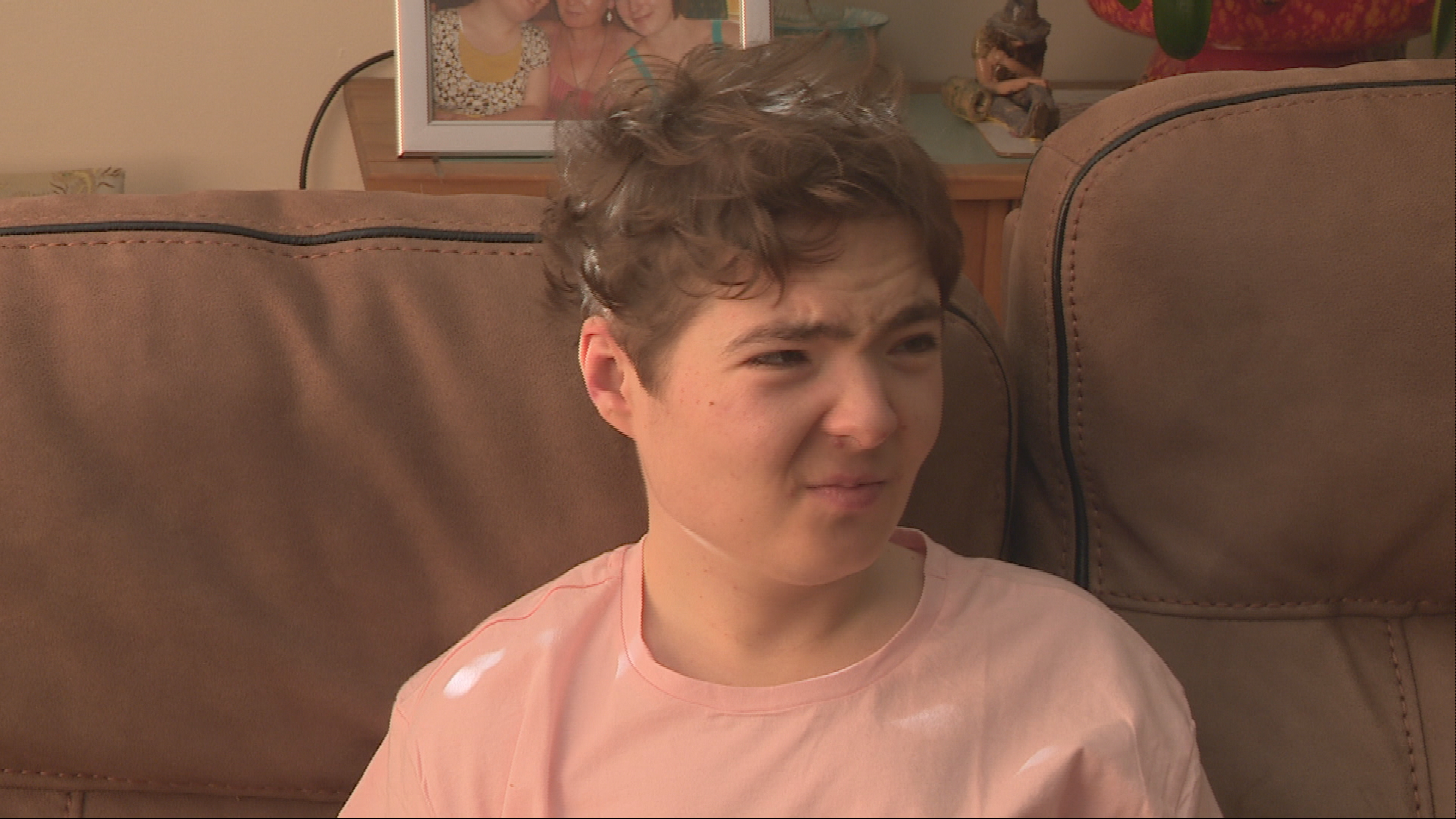
Laura Sanger is one of them.
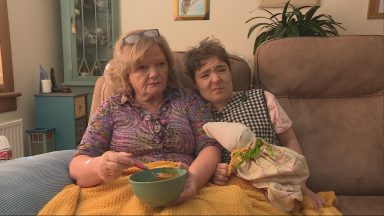
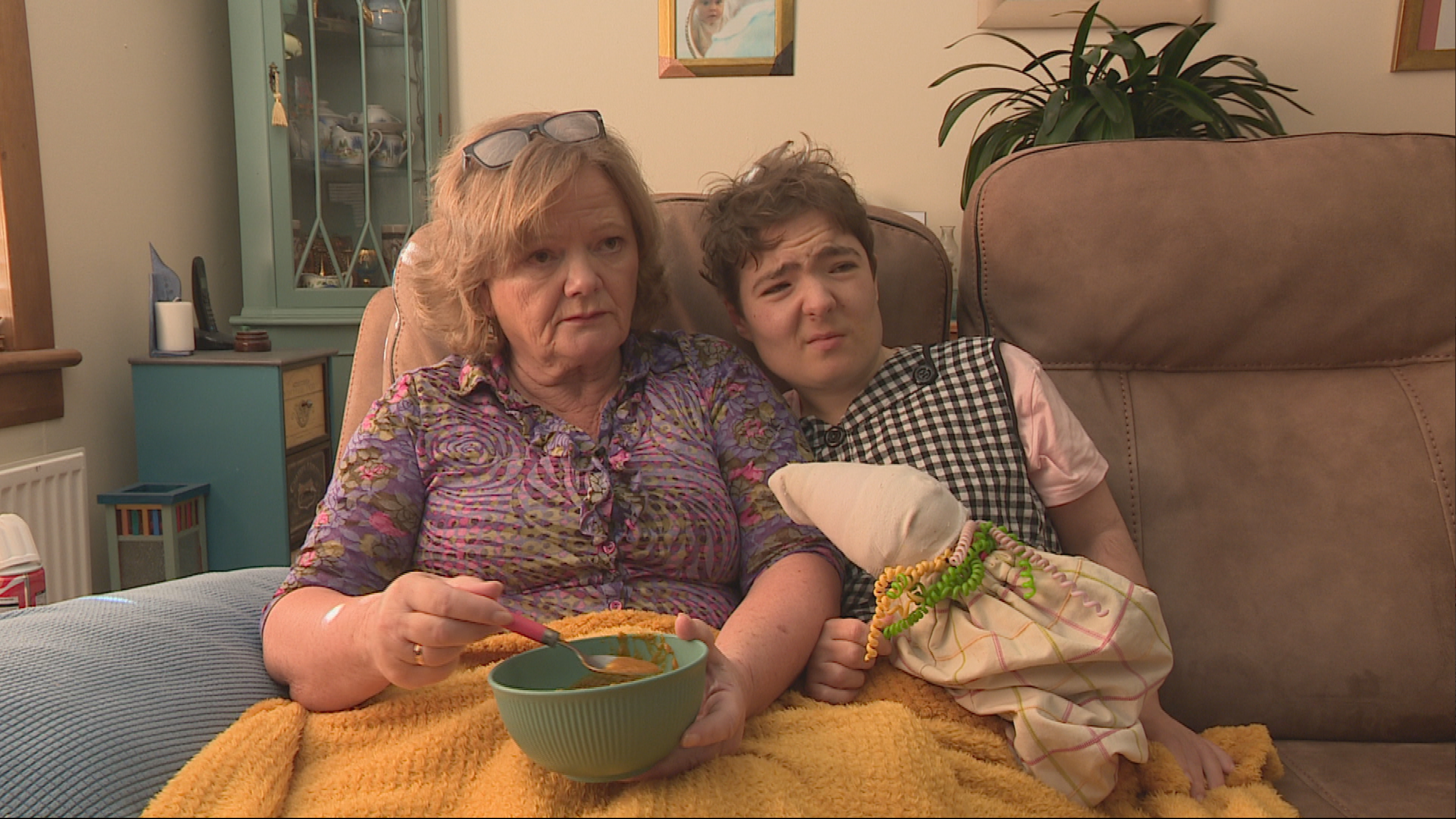
The 34-year-old from Pitlochry has a rare genetic condition which affects her nervous system. She has a developmental age of a toddler and requires round-the-clock care from her family.
Laura is currently waiting for an MRI scan on her lower back and is spending much of her day in pain and confined to bed.
 STV News
Her mum Kate describes the situation as “nothing short of a nightmare.”
“It’s almost like she doesn’t warrant treatment, like she doesn’t warrant a diagnostic scan to see what was going on and that we should just go away and forget all about it.
“It’s been nothing short of a nightmare. I can’t describe it in any other way. This is probably the worst experience I’ve ever had.”
The situation became so distressing that her mum, Kate, decided to document one particularly difficult day and share the video online.
Asked what it’s like to listen back to it, Kate said: “It’s actually torture, to be honest with you.
“This is probably only the third time I’ve listened to it because I find it so upsetting.
“I’m the person responsible for easing her pain and looking after her.
“I’m trying to tell her I’m doing my best, but sadly my best is not good enough in this situation.”
“She normally likes to be up chatting, go outside, and now all she wants to do is spend time in bed.
“Every day she is crying in pain. To listen to her say ‘help me mummy, it’s sore’ tears me apart.”
 STV News
She added: “If I had a pet dog, I could take it to the vet, get the test done and treatment within 24 hours. Yet I’m having to fight to get Laura’s pain looked at.
“The way Laura’s human rights didn’t seem to matter, or she wasn’t really worthwhile to do any diagnostic test on. I’m horrified at what’s happened.”
Kate’s concerns are well founded.
Research shows young adults with severe learning disabilities are around nine times more likely to die from treatable conditions than people without learning disabilities.
As many as two in five of those deaths may be avoidable.
Campaigners say delays in diagnosis and treatment are part of the problem.
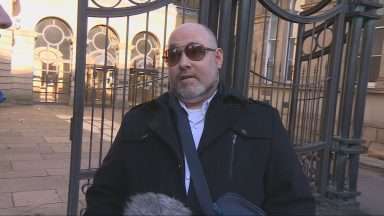
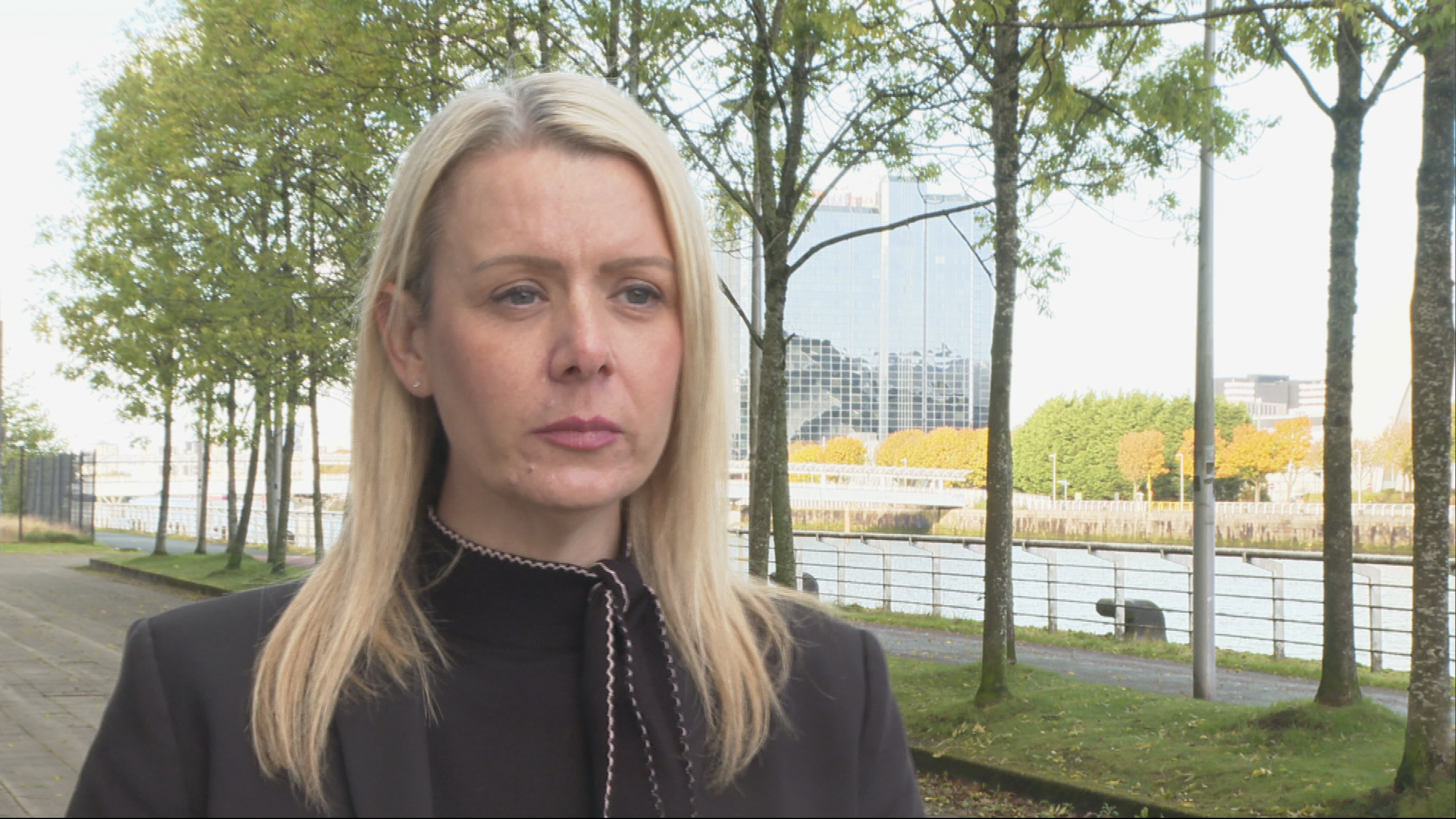
Professor Deborah Cairns, director of the Scottish Learning Disabilities Observatory, says it’s a huge problem.
We need to make reasonable adjustments for people with learning disabilities, such as longer slots for GP appointments and hospital appointments.
“If they’re unable to communicate clearly what the problem is, it’s important healthcare professionals listen to family carers who are experts and can identify changes in behaviour.”
“If we don’t do that, we’re seeing unnecessary suffering and earlier mortality for such a vulnerable population.
“People are dying from conditions which could have been prevented. They’re dying unnecessarily and there needs to be a change.”
 STV News
Four years ago, annual health checks were introduced for adults with severe learning disabilities across Scotland.
In Laura’s case, one of those appointments helped identify a problem with her lower back.
Six months later, she is still waiting for further investigations.
Kate believes Laura’s regular check-up may have made the difference.
“The nurse said to me, ‘You’re a good advocate for Laura, Mrs Sanger.’
“I thought, ‘What about all the Lauras that don’t have an advocate?’
“I thought ‘they’re probably dead.'”
Laura is now due to receive an MRI scan at the end of next month. Her family hope it will finally provide answers to the pain she has been living with.
Answers they feel should already have come.
NHS Tayside said it could not comment on individual cases. However, it said MRI scans requiring a general anaesthetic can take longer than routine scans because they depend on specialist anaesthetic support.
Minister for Community Care Alison Thewliss said: “We are committed to tackling the long-standing health inequalities experienced by people with learning disabilities, and I am deeply disappointed to hear about the issues faced by Laura and her family in accessing the right care and support.
“It is vital that NHS Boards deliver the care, support and reasonable adjustments needed to help people like Laura access the right services at the right time.
“We expect Boards to prioritise and strengthen approaches that improve health outcomes, prevent avoidable deaths, and support people with learning disabilities to live fulfilling and safe lives in their own communities.”
Follow STV News on WhatsApp
Scan the QR code on your mobile device for all the latest news from around the country