
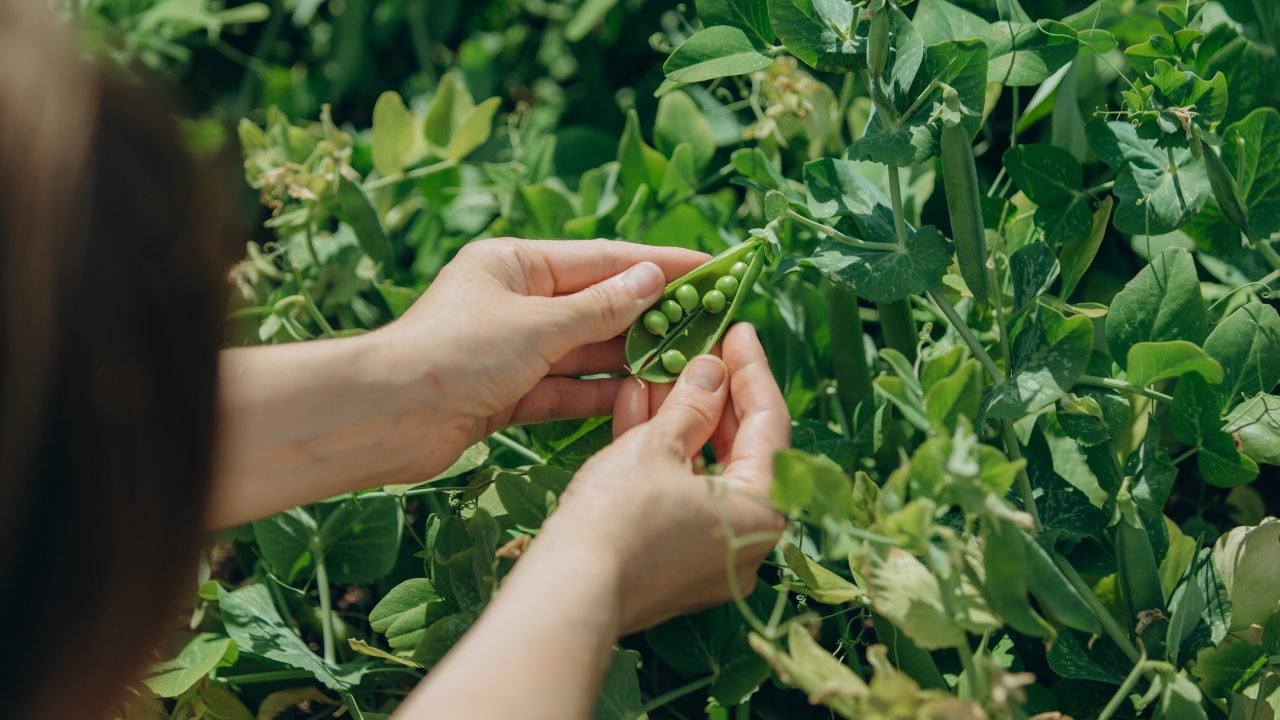
Farmers are trialling new ways to grow peas and beans in a bid to insulate the agricultural sector from soaring fuel and fertiliser costs.
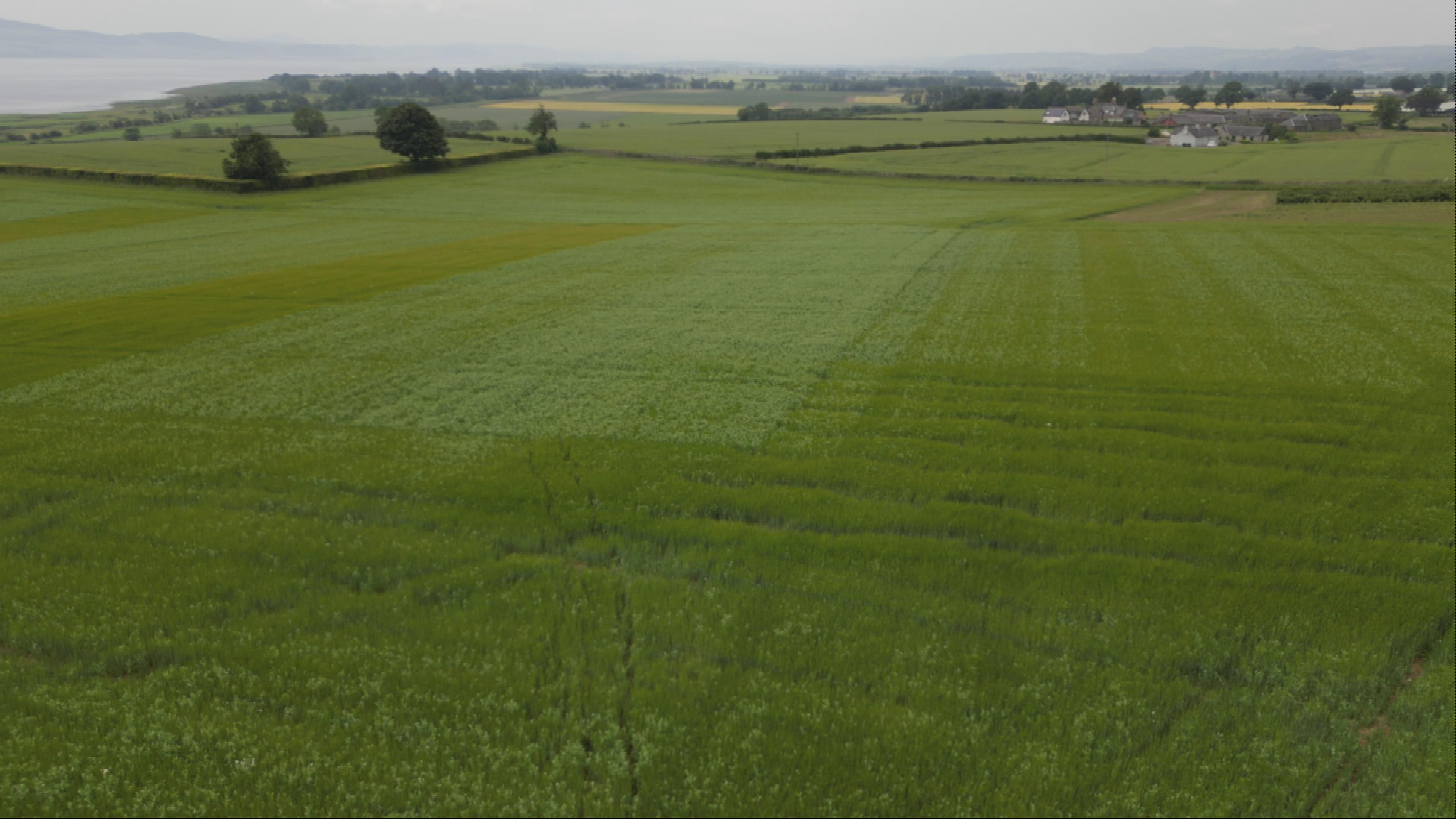
Scientists at the James Hutton Institute in Perthshire are working alongside farmers to put more nitrogen into their soils with minimal fertilisers.
Growing more legumes, a group of plants that includes beans, peas, lentils and clovers, could play a major role in transforming UK agriculture.
Rich in protein and central to healthy diets, legumes also improve soil quality, support pollinators and other beneficial insects, and reduce pollution entering rivers and waterways.
Experts say practices like these could become even more important for farmers amid rising costs and climate change.
 STV News
“Legumes are hidden in plain sight,” said the Hutton’s Professor Pete Iannetta, a founding member of the UKLRC and head of the conference organising committee.
“These are chemically diverse crops, and they’re changing the way the soil works into a more natural soil system.
“They offer solutions to some of the biggest challenges we face, from climate change to food security, but they’re still not widely used.”
Legumes have a unique ability to work with naturally occurring soil bacteria to capture nitrogen from the air and convert it into plant nutrients.
This allows farmers to reduce, or even avoid altogether, using synthetic nitrogen fertilisers, cutting their overheads and greenhouse gas emissions.
 STV News
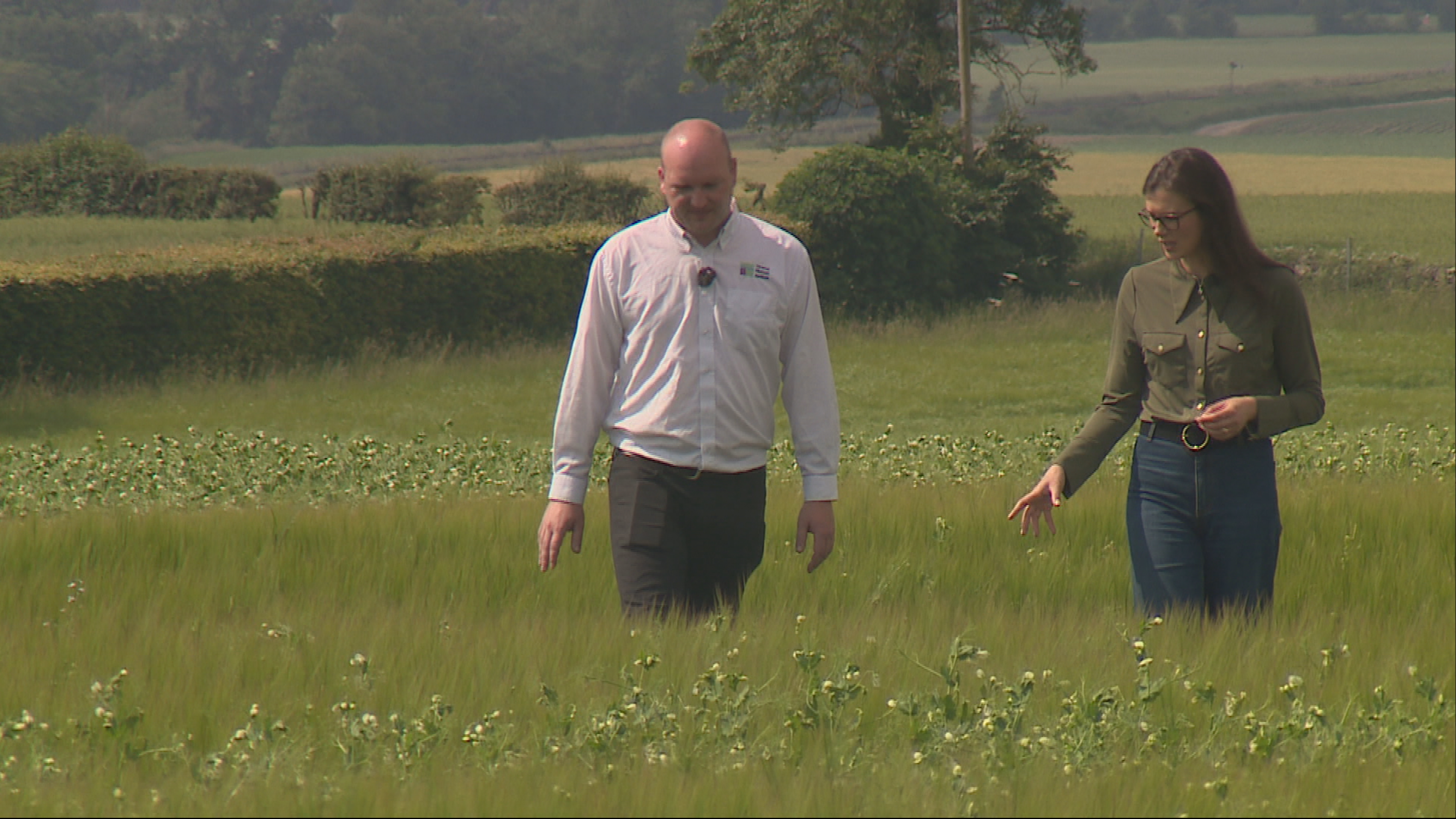
At one trial field in Perthshire, peas are being grown alongside barley, a key crop for Scottish farmers.
Agronomist Andrew Christie, who manages the field, said: “You don’t see this very often, but farmers sometimes use this because the peas grow really well alongside barley.
“It’s one thing that insulates us from price shocks, especially with the supply chain issues at the moment.
“We can reduce our fertiliser levels by up to 60%, with the aim of producing good quality barley and for peas.”
Andrew said growing them together also helps boost crop health.
“There’s less disease because there’s more diversity; that’s one of the benefits of putting them together, rather than separate.
“We’re creating more resilient crops, and a more resilient farming system overall.”
 STV News
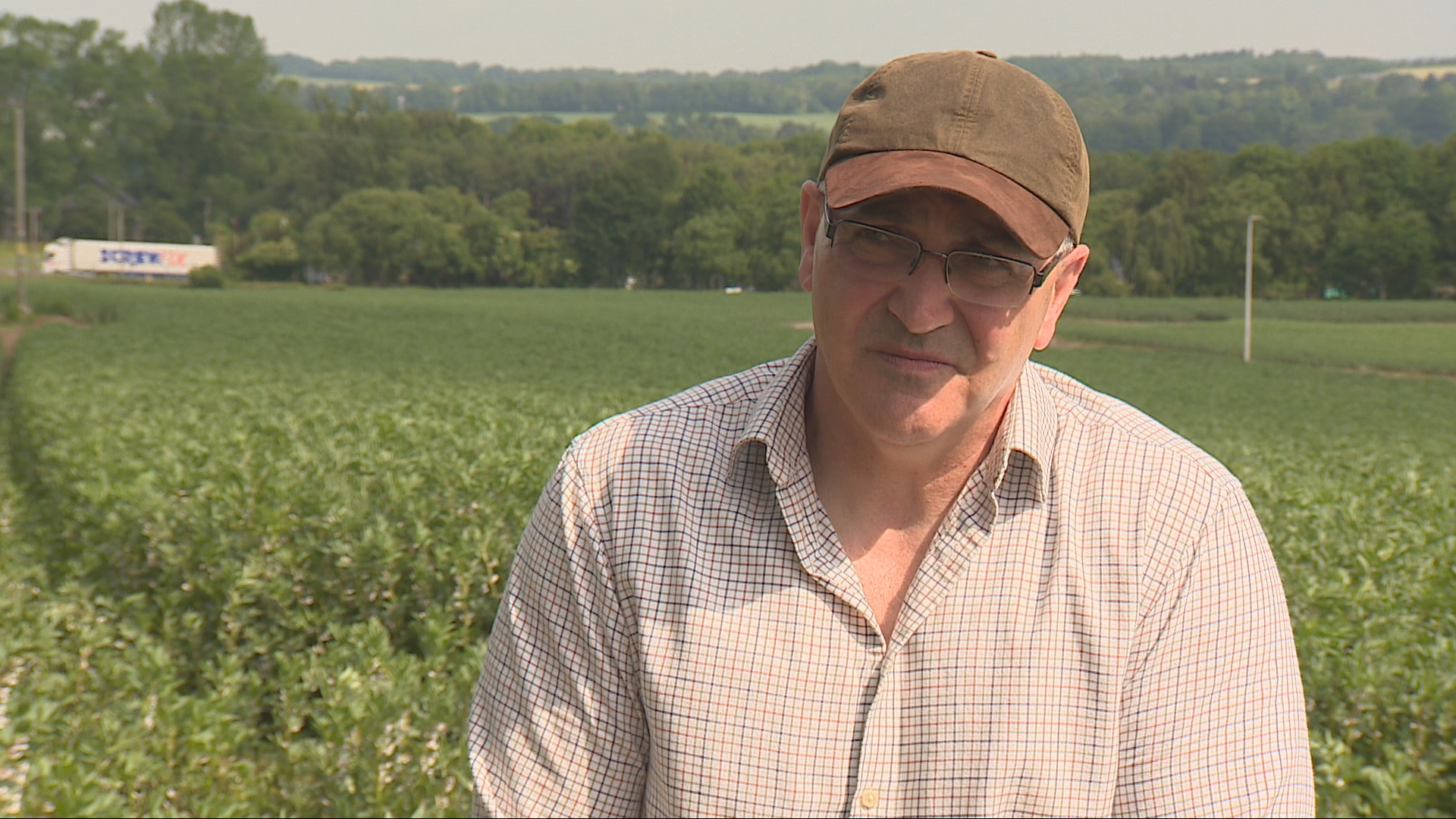
The James Hutton Institute has been growing different varieties of the crop on its site to look closer at their different properties, including their potential for animal feed.
Currently, around 5% of land in the UK grows them, dropping to 1% in Scotland.
Professor Ianetta said: “If we could increase the pea cover to around 20% in the UK, we could just about wipe out commercial dependency on imports.
“Because we’re not growing it, the environmental benefits are also being forfeited.”
But challenges remain. Despite their wide range of uses, peas and beans struggle to compete with dominant global markets like wheat and barley.
“The battleground is in the markets,” Professor Ianetta admitted. “They’re not sufficiently profitable compared with barley or wheat.
“We need to show fava bean can compete with imported soybean that comes in cheaply from abroad for feed rations, for example. We know we can displace around 35-40% of the diet for hens or pigs.”
Next year, it’s hoped the trials will be expanded further.
Follow STV News on WhatsApp
Scan the QR code on your mobile device for all the latest news from around the country