 iStock
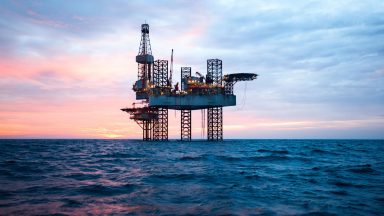
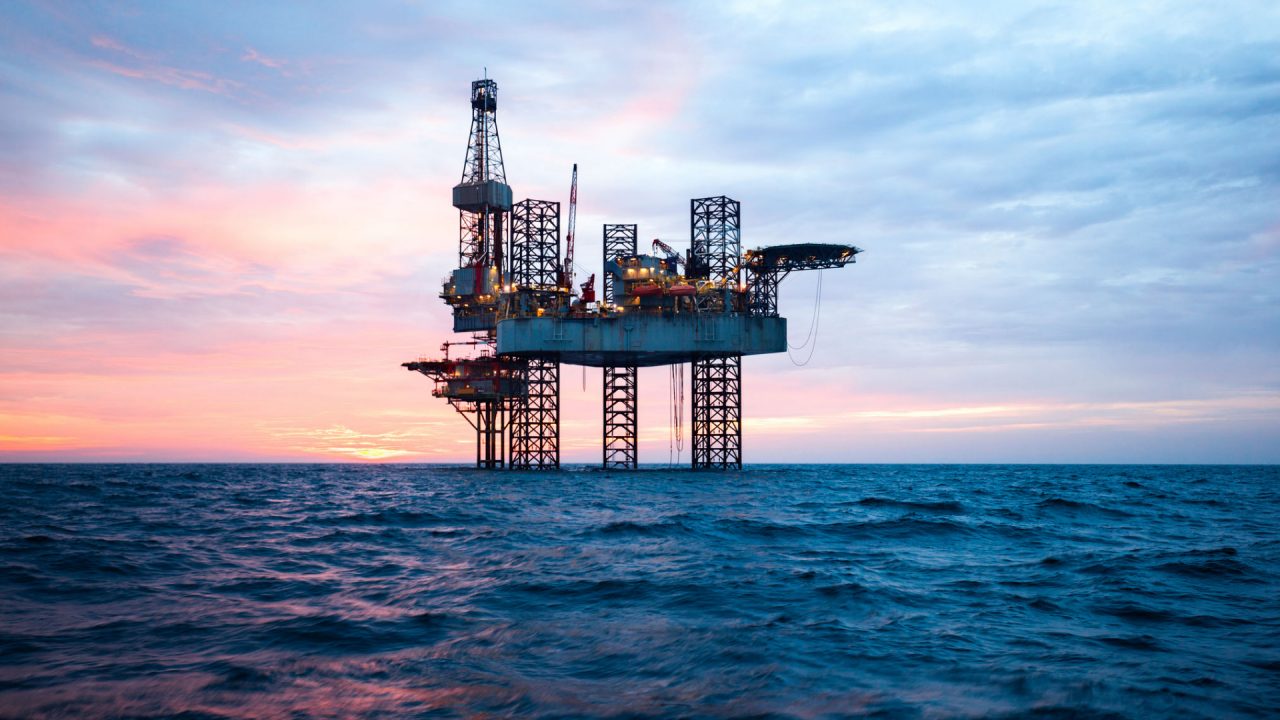
A decision on whether to give the green light to the Jackdaw gas field in the North Sea is “imminent”, Energy Secretary Miatta Fahnbulleh has said.
But a decision on Rosebank, the largest untapped oil field in the North Sea, will take “a bit longer”, the minister told the Energy UK annual conference in London on Wednesday.
The UK Government is considering whether to grant permission for the two projects, which were initially approved by the previous Conservative administration before the courts ruled the full environmental impacts of the fossil fuels drilled should be taken in account.
While Labour had promised a ban on new drilling in the North Sea in its 2024 election manifesto, Prime Minister Andy Burnham has vowed to take a “pragmatic” approach to such decisions.
The industry, Tories and Reform are calling for the fields to be given the go-ahead to boost energy security and economic growth, but environmental campaigners and analysts warn they will harm climate action, do nothing to bring down bills, and security is better served with renewables.
While Ms Fahnbulleh would not be drawn on what the decision on either project would be, she told delegates at the Energy UK conference: “We have got all the information on Jackdaw and my department has gone through that, so there is a decision that will be imminent.
“Rosebank will take a little bit longer,” she said, adding her first two months in the job had been dominated by the question and she wanted to make the decisions as quickly as possible.
But Ms Fahnbulleh also warned that, while oil and gas would be used for decades to come, the need for the transition to clean energy sources was “real and urgent”, pointing to the past summer of record heatwaves, droughts and wildfires as evidence of the need to tackle climate change.
And amid reports that ministers were looking to cut the budget for homes to make clean energy and efficiency upgrades under the “warm homes plan” to pay for defence spending, Ms Fahnbulleh insisted that the Government was “crystal clear” on the importance of the scheme.
It was not moving at the pace the Government wanted it to, with discussions now about how regional government could play a more central role in delivery.
The Energy Secretary said electrification of energy, shifting to renewables, heat pumps and electric vehicles, was key to affordability of energy.
Home upgrades were the route to lowering bills, with homes that have solar, insulation and batteries potentially saving hundreds of pounds on bills, she said.
“If you’re a family in fuel poverty, if you’re a low-income household, this is something we can do tangibly and quickly, and that is why it’s an absolute imperative – and the job for government, candidly, is to get on with it and do it at pace.”
The Energy Secretary also addressed the North Sea decision when questioned by MPs on the Commons select committee for energy later in the day.
Asked what practical and pragmatic steps is she taking to ensure the UK stays in the North Sea and protects jobs for another 20 to 30 years, Ms Fahnbulleh said she is putting “quite a lot of urgency in terms of just making a decision” on Jackdaw and Rosebank.
On jobs, the minister said the Government have been “really clear” that oil and gas are part of the UK’s energy mix in the transition.
“Therefore we do need to make sure that we’re securing jobs that we can,” she said.
Citing that the North Sea is a declining basin, she said: “The question for me is: ‘What is our plan for oil and gas workers, not just in the north east of Scotland but also across the piece?’”
The minister said Government needed to put a “proper plan” for energy jobs in place a decade ago, arguing that 75,000 jobs were lost before Labour came into power.
“My commitment is to make sure we have a plan for the workers because I think it’s unforgivable that there hasn’t been one,” she said, adding that both a North Sea jobs taskforce and the plan will be coming out “imminently”.
It comes as the UK faces numerous challenges with the energy transition, including balancing supply from intermittent renewable sources, affordability with gas prices frequently setting electricity prices, and growing demand for connecting new sources and users to the network.
In June, the electricity grid operator National Energy System Operator (NESO) faced challenges managing severe grid strain during extreme heat, with high temperatures causing a drop in renewable energy efficiency and demand surging because of factors such as increased air con use.
Answering questions at Energy UK’s conference, Fintan Slye, Neso’s chief executive, said there will be “lessons to be learned” coming out of a review into that period that regulator Ofgem is currently undertaking.
Asked how he thought Neso handled the situation, Mr Slye said: “Through that period, no customers were disconnected (and) frequencies stayed within statutory limits.
“But undoubtedly, it was a really challenging period for the system and right across Europe we saw power systems … under stain.
“I think the control room and teams that were in it did an absolutely superb job managing what was a really difficult situation through the week.”
Follow STV News on WhatsApp
Scan the QR code on your mobile device for all the latest news from around the country