 STV News
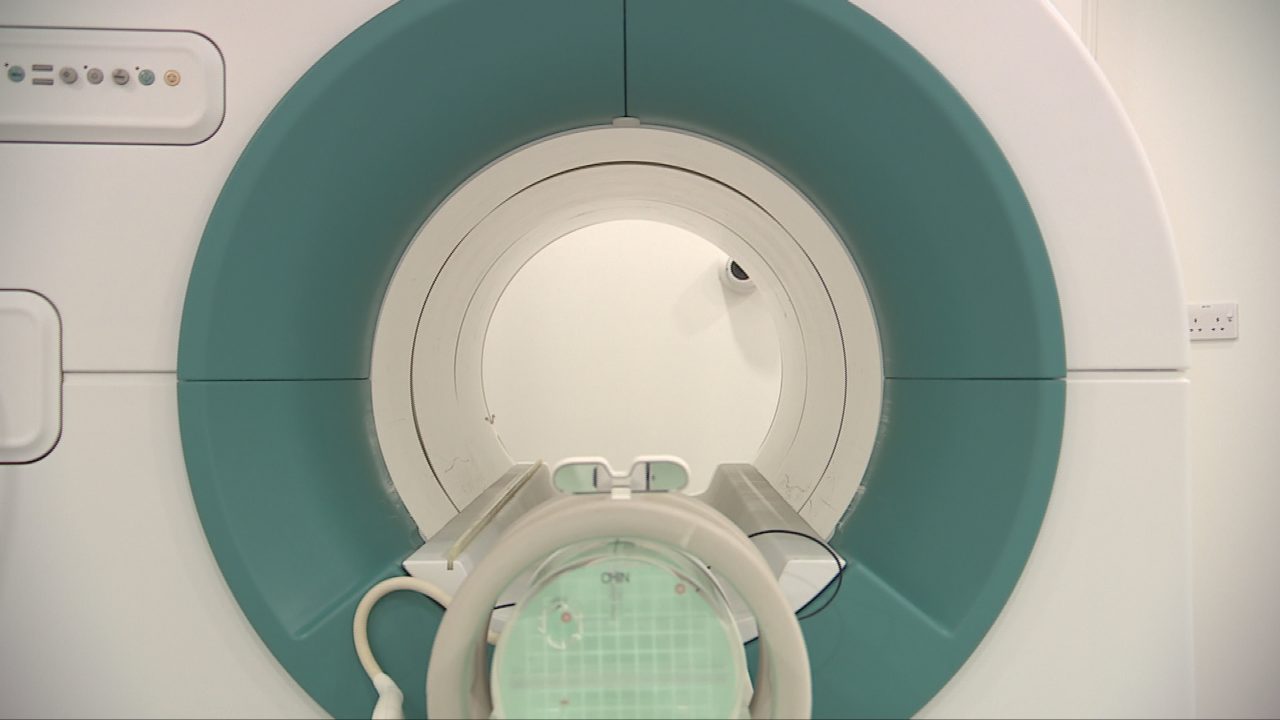
Scientists in Aberdeen have developed a new type of medical scanner that could improve how doctors diagnose diseases and track patient treatments.
The technology, known as Fast Field-Cycling Imaging (FCI), helps distinguish tumour material from healthy tissue with more accuracy than current Magnetic Resonance Imaging (MRI).
Researchers say the new FCI system can help identify previously undetectable disease and provides additional diagnostic information that existing scanners cannot capture.
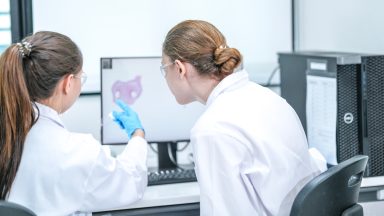
Project lead Dr Lionel Broche says it’s a “big step forward” in the medical imaging field.
“The quality of image we’ll have, the capacity; it’s a very powerful tool for research. It’s going to be a big game-changer for us.”
The FCI system builds on the city’s history of medical innovation.
In 1980, a team at the University of Aberdeen built the world’s first clinical Magnetic Resonance Imaging (MRI) scanner.
Traditional MRI scanners rely on large, powerful superconducting magnets to produce images.
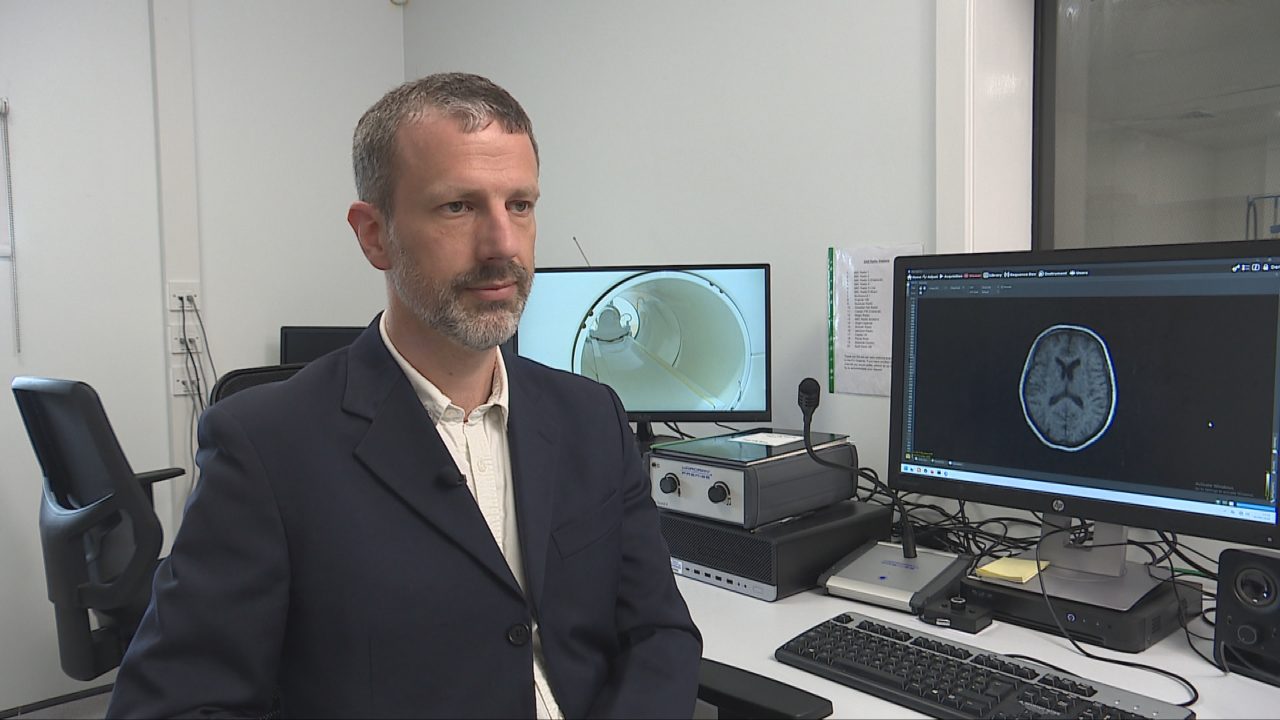
The FCI system uses ultra-low magnetic fields generated by lighter copper reels.
By rapidly changing the magnetic field during a scan, the system extracts different types of information from human tissue.
Dr Broche said: “It’s not so much about going into more detail, it’s about focusing on what the image tells you, what the particular contrast is telling you. What we’re aiming for is, ‘is this tumour an aggressive one?’ These questions are not well answered by MRI.
“When you change magnetic fields, you don’t have the same information. It’s not about what replacing what exists, it’s what we can add to the list of information to have better treatments and better explain what happens.”
A new study could now transform how clinicians detect the earliest signs of declining brain health.
The FCI scanner has already been shown to be highly effective in producing previously unattainable imaging following stroke, identifying cancer spread and brain tumours.
Between 50 and 100 patient scans have been completed so far, with international research groups now using the Aberdeen data to develop secondary technologies.
 STV News
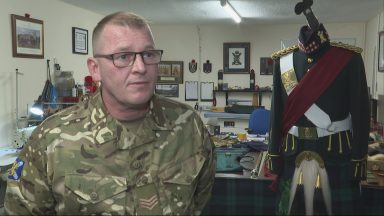
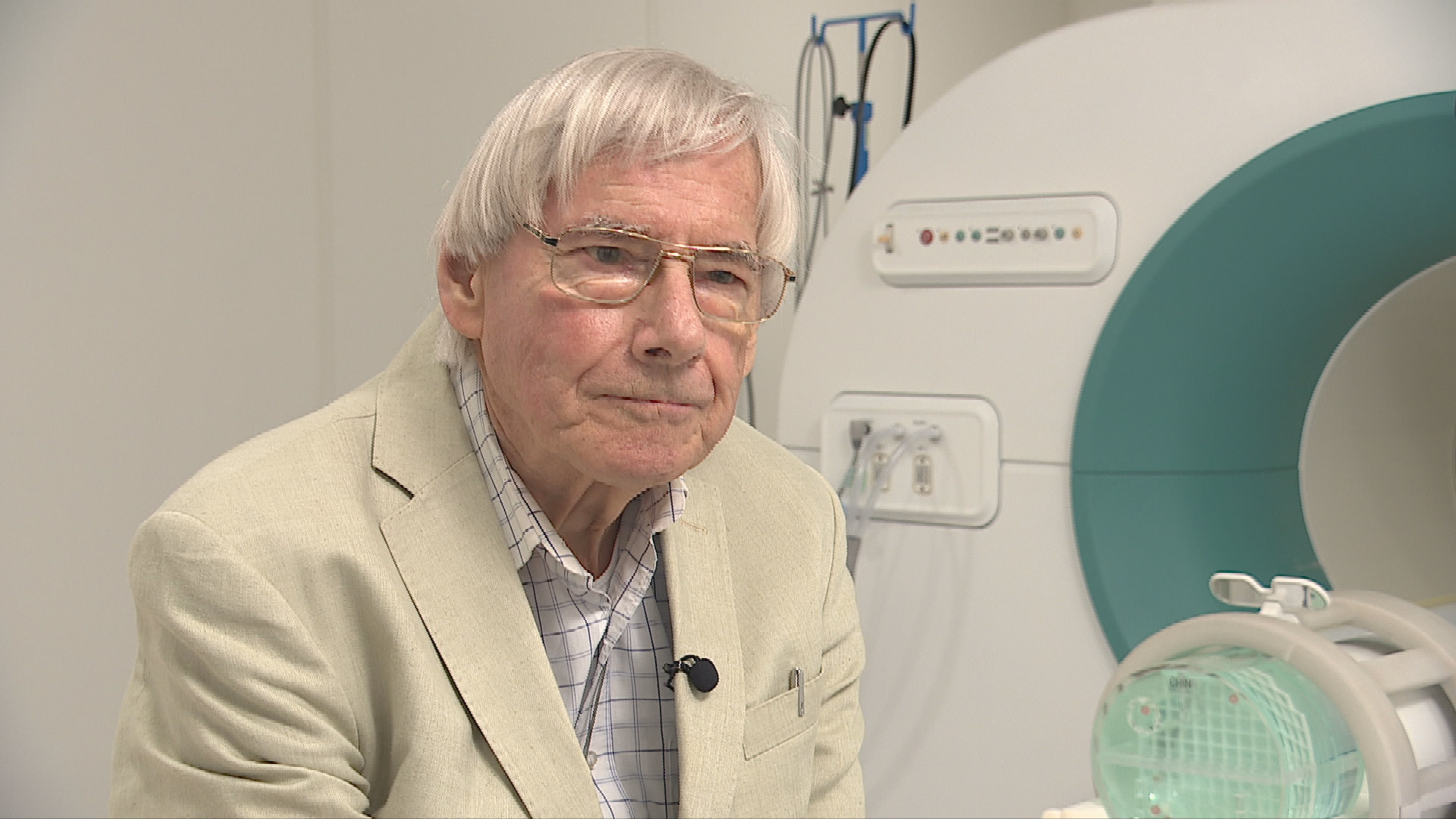
Among the early trial participants was retired university professor Dr Richard Johnson, who was asked to take part in the project while recovering from a stroke in 2017.
The trial marked a personal milestone for Dr Johnson, who had previously worked alongside the late Professor John Mallard, the pioneer of Aberdeen’s original MRI scanner.
Dr Johnson said he was excited to be a “guinea pig” for the technology.
“Dr Mallard came to our department in Aberdeen, as they thought they could use the lenses in an old electron microscope for the new scanner they were designing. It turns out they couldn’t, but the outcome was they invited me up to see what they were doing.
“The old one I was in was a monument to human ingenuity and persistence. It’s really an achievement.
“This thing is magic. I thought, ‘golly gosh’, when I heard what it was. It’s a wonderful thing to be a part of.”
 STV News
Dr Johnson described the moment he stepped into the new scanner.
“They made me remove my false teeth and climb in.
“It was rather scary at first. I thought, ‘what about my fillings – are they going to get hot?’
“I felt there was a sort of flashing behind my eyes in a weird sort of way. Otherwise, it was comfortable.”
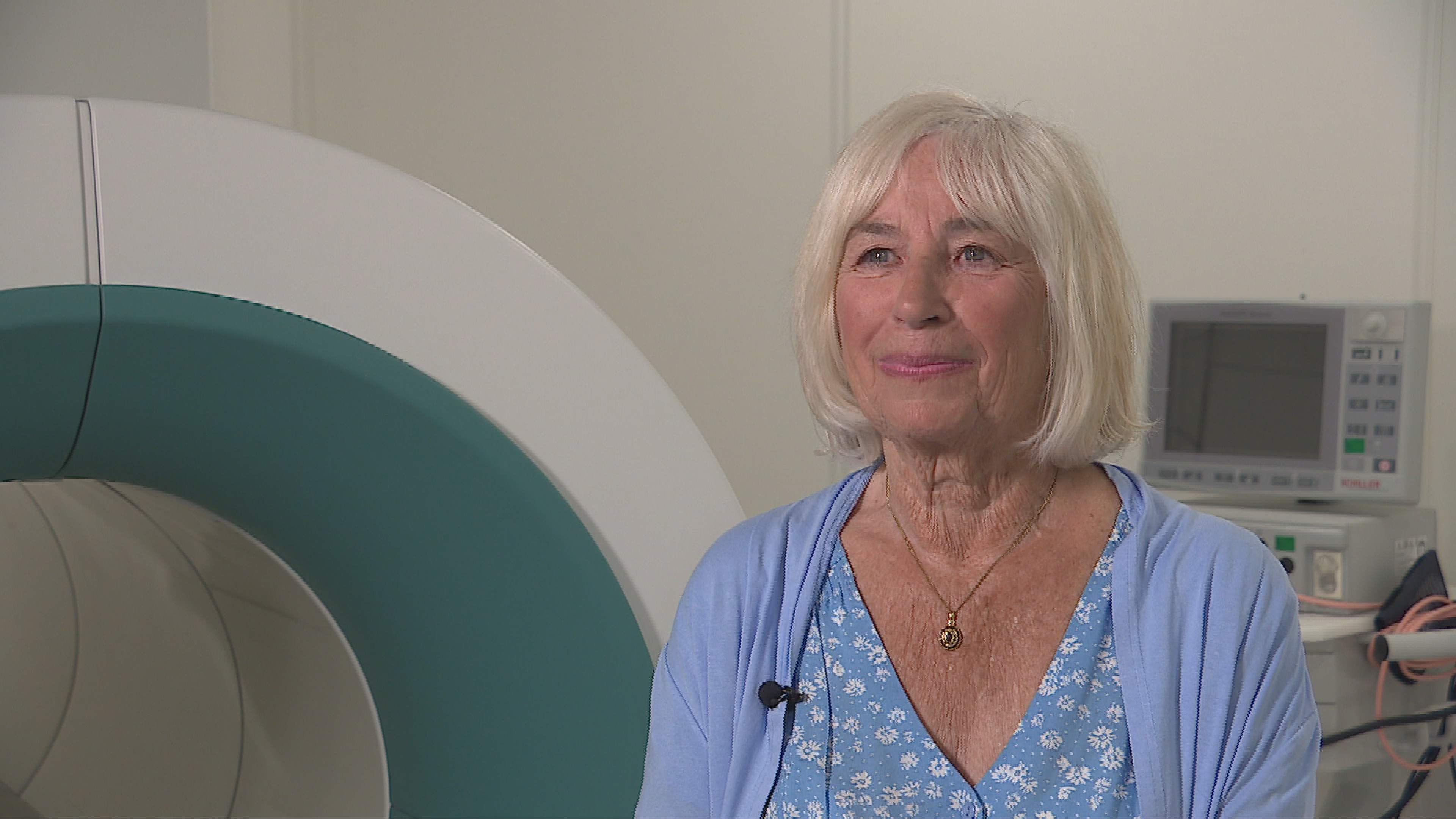
Another stroke patient, Norma, who was among the first to be scanned, described the process as straightforward.
“The people doing the scanning were always checking on me, making sure I was fine,” she said.
“When you have a stroke, you want to get mobile quickly. If you’re lying flat on your back, you’ve got music and reassurance from people behind the scenes. It’s not much of a problem.”
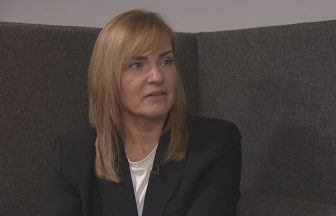
Lisa Duthie, NHS Grampian charity lead, said: “This innovative research has the potential to transform how changes in brain health are detected, which could have significant implications in the diagnosis and treatment of conditions like stroke and dementia in future.
“We’re proud to support the research team to carry out this work, and we are very grateful to all the volunteers whose participation is absolutely vital in making research like this possible.
“This study has real potential to make a lasting difference to people here in Grampian, and further afield, who are at risk of cerebral small vessel disease and the conditions it contributes to.”
Follow STV News on WhatsApp
Scan the QR code on your mobile device for all the latest news from around the country