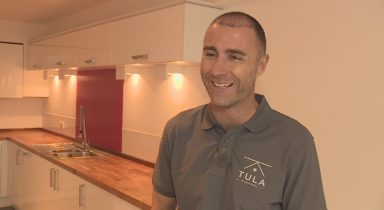
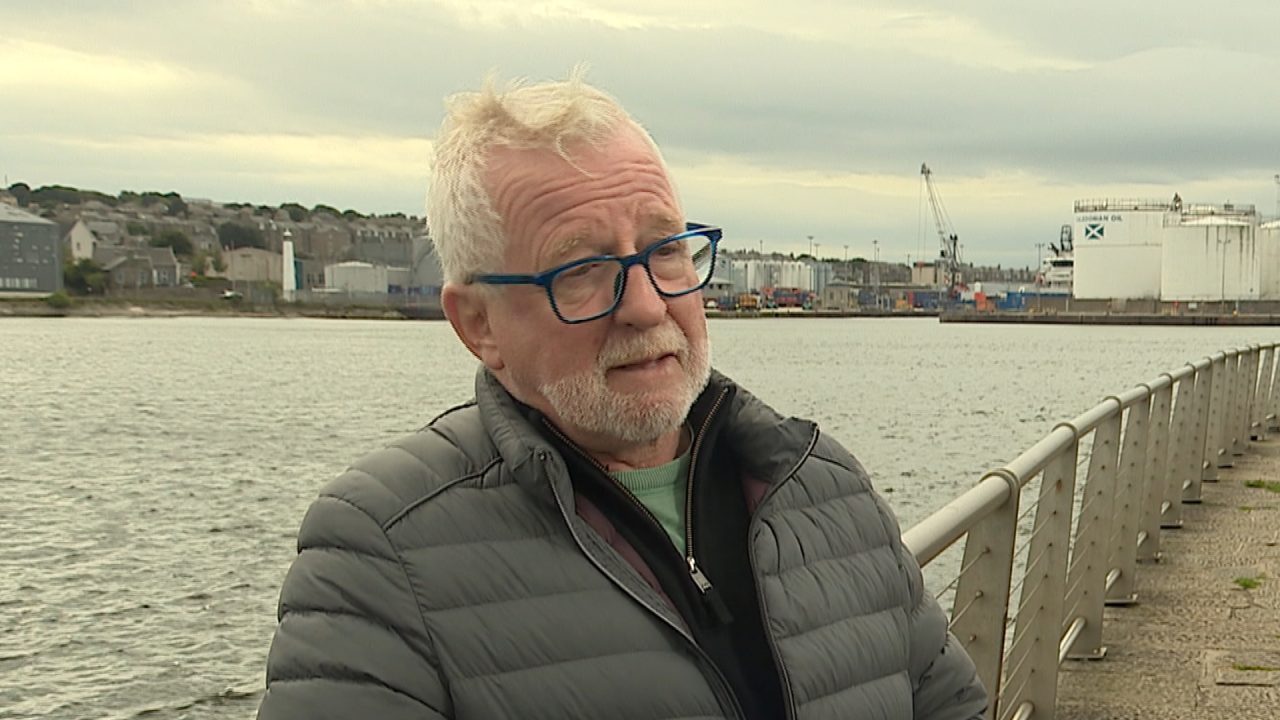
When Paul Ranton moved to Aberdeen in the 1980s, it was a spur-of-the-moment decision which would change his life.
Arriving in Aberdeen on a Friday, he was offshore by Wednesday.
“It was great, Aberdeen was bouncing,” he recalls.
For decades, workers like Paul have headed offshore from Aberdeen in the hope of good wages and in search of black gold.
He said: “The money was great”.
When it came to food on the rigs, he added, “you could get lobster, you could get steaks for your breakfast.
“And the chef had no problem, if you got up at six in the morning, you wanted the steak for your breakfast, he’d slap me a steak on.”
‘It’s went downhill drastically’
The food is not the only thing that has changed when it comes to the oil industry and the impact on Aberdeen.
Paul added: “Aberdeen’s went downhill drastically, just in the past 15 years.
“It’s went downhill drastically.”
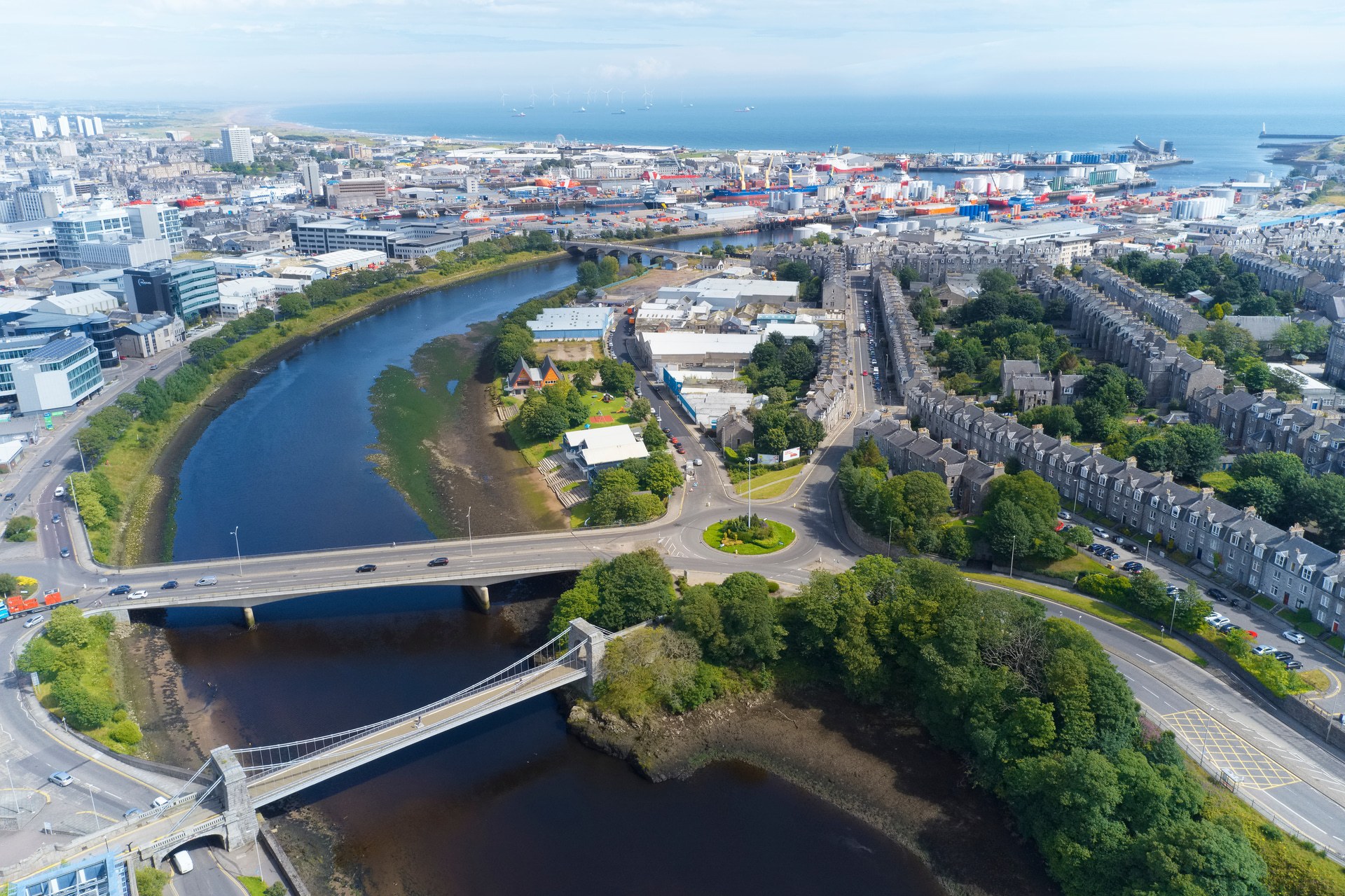
It’s a city which now sits at a crossroads, and the centre of a national debate about where we get our energy from.
Political decisions and an increasing tax regime have been partly blamed for the thousands of jobs which have gone from the sector in recent years.
Decisions about Jackdaw gas field off Aberdeen and Rosebank oil field off Shetland are still to be made by the UK Government.
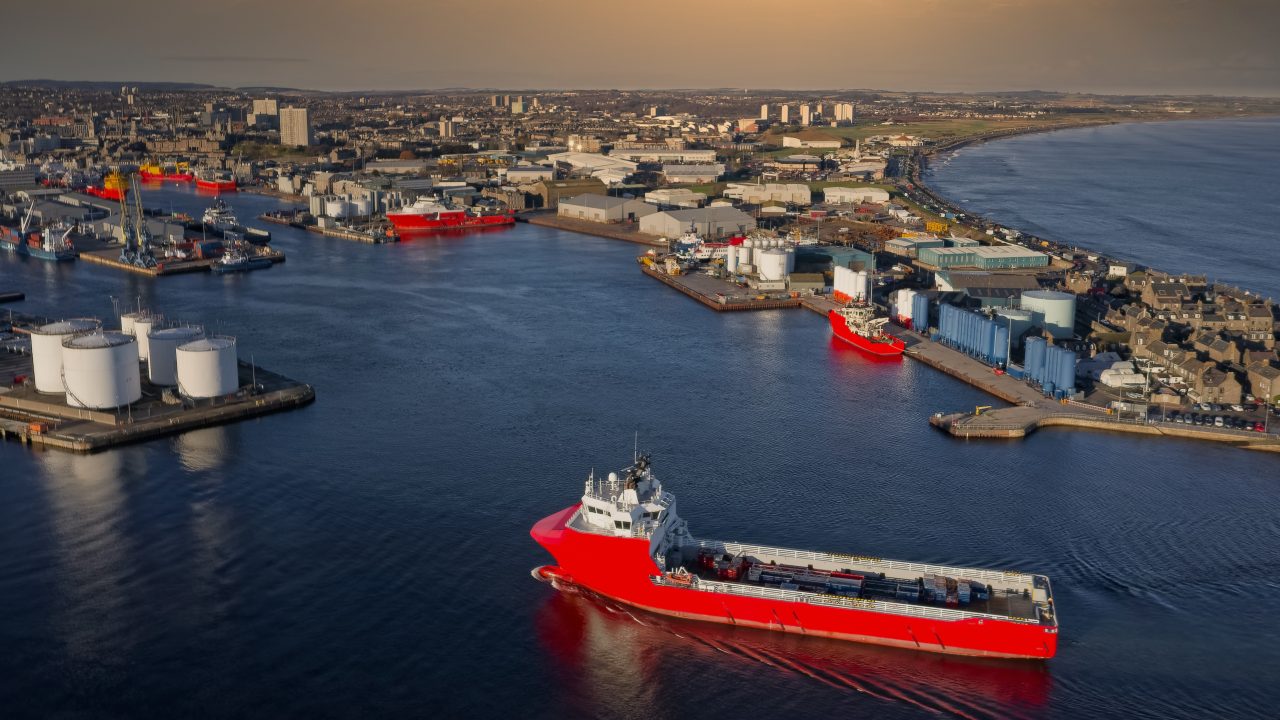
When oil was discovered in the North Sea, the world came knocking, now it feels like many are leaving.
Known as the oil capital of Europe, investment poured in and there were jobs for thousands of people.
‘Job losses will impact transition to green energy’
 STV News
Oil though has always had ups and downs.
‘Downturns’ is a euphemism for job cuts and right now the sector in Scotland might be facing its toughest downturn yet.
BP, the company once heavily backed by the UK government, whose North Sea oil flow was personally switched on by Queen Elizabeth II in the 1970s, now wants out.
It was perhaps the most symbolic move yet in the most recent ‘downturn’.
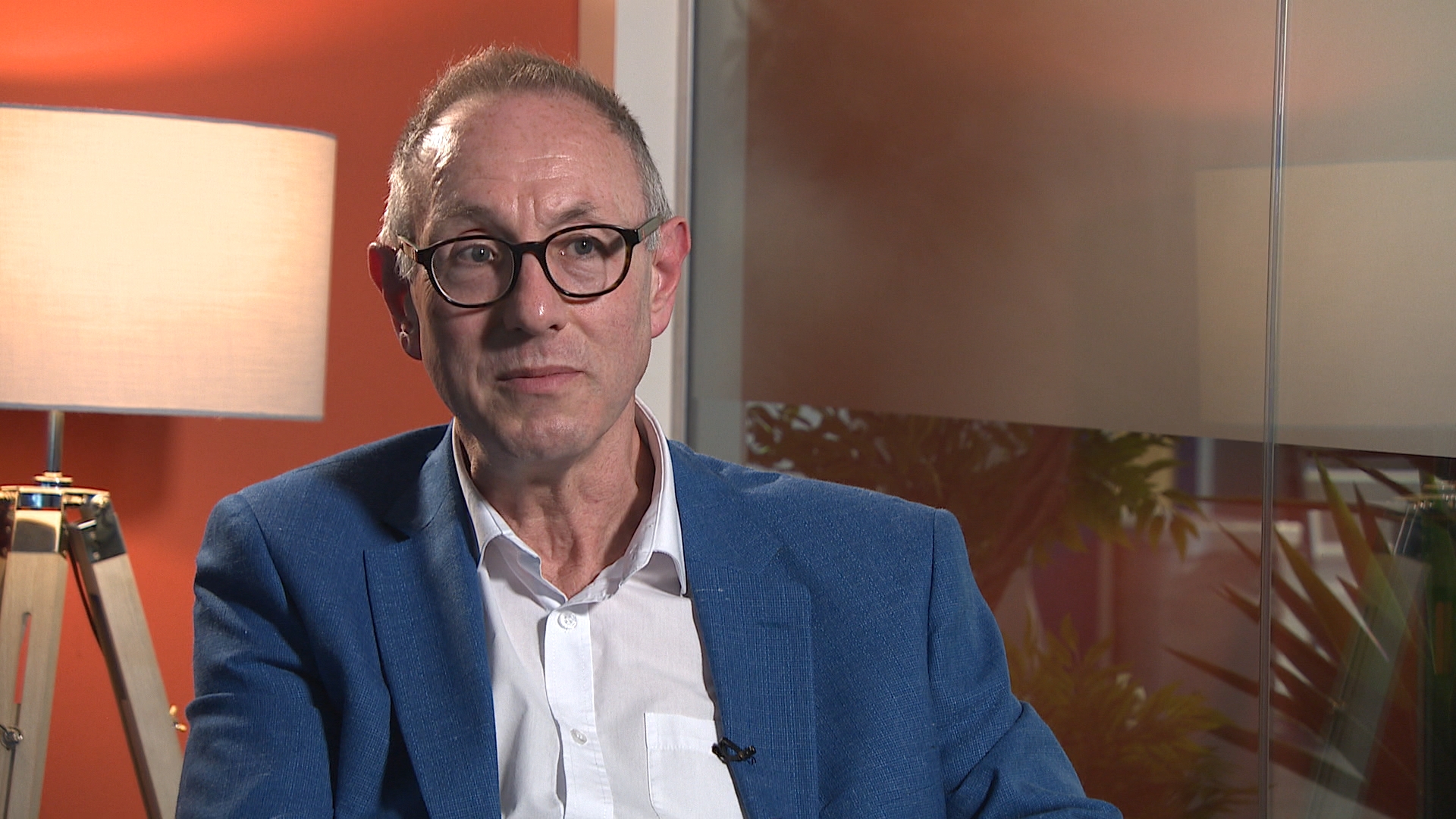
Professor Paul de Leeuw from Robert Gordon University Energy Transition Institute says there could be more job losses in the North East if the transition is not well managed.
He said: “We have lost about 18,000 jobs over the last ten years. And we’re going to lose another 18,000 in the coming ten years.”
His concern is that those skills from the oil industry, which will help build the renewables sector of the future, will be lost.
He added: “We actually need the supply chain and we need these people to build the renewables agenda.
“So, losing them to the ecosystem is actually going to set us back in accelerating the energy future of the country.
“So, it’s a real big implication.”
‘Aberdeen is on the way back’
 STV News
The ripple effect is already being felt across the city and the region.
House prices have declined in the past decade, businesses have struggled and shops have closed.
It would, however, be unfair to put all that at the feet of the oil industry’s decline.
Covid, cost of living and changing shopping habits have all impacted the city, like others.
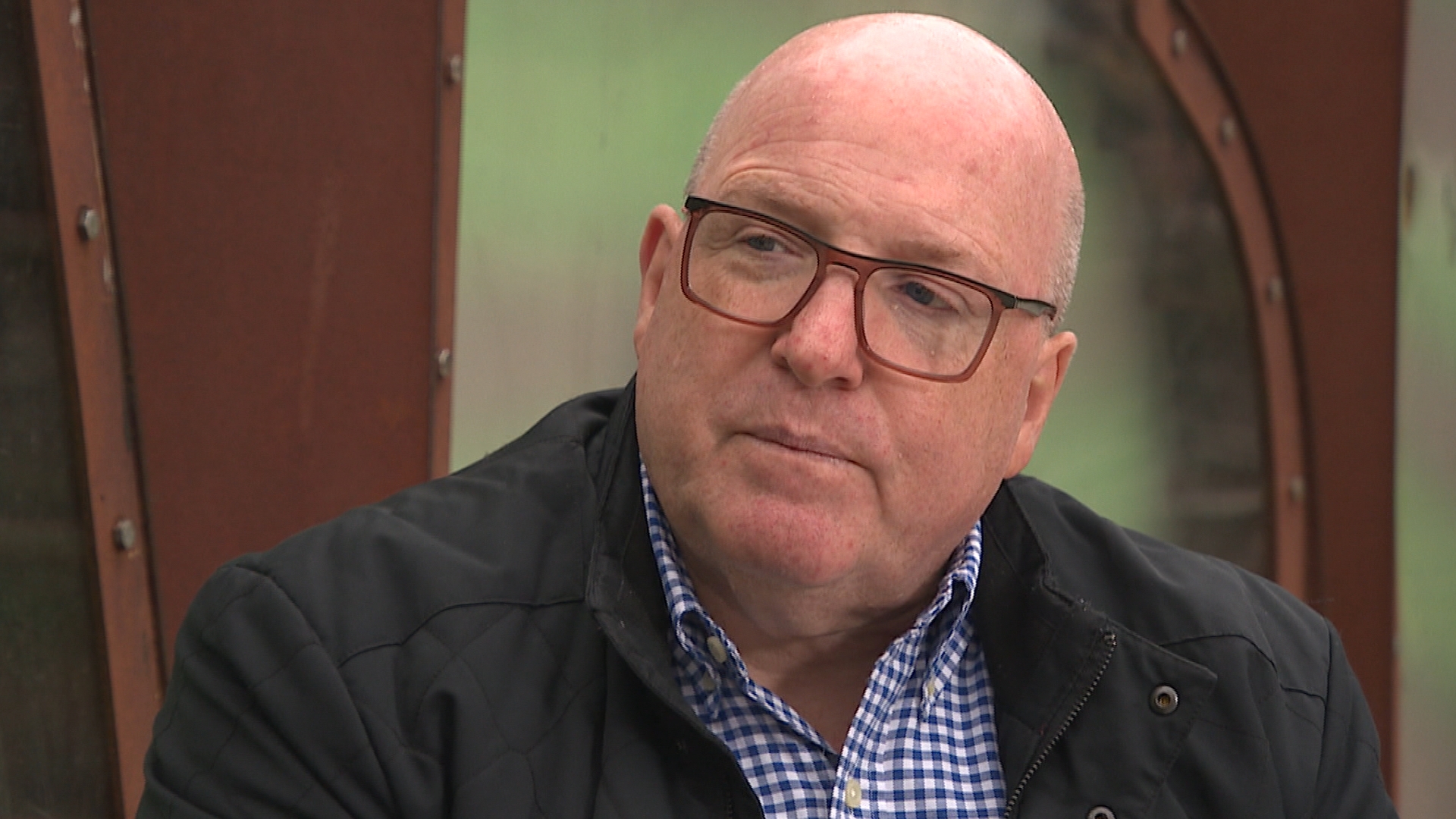
Bob Keiller was an oil executive and remembers when Aberdeen felt far busier.
He said: “Lots of people, a busy airport, busy hotels and lots of things happening here.
“Aberdeen was a busy place back then.”
There are plenty of people who look at the oil sector, look at the job losses, the closed shops and believe Aberdeen doesn’t have much of a future.
That is not a view Bob, who now chairs Our Union Street, shares.
He said: “I’ve been to some towns in the UK recently, I’m thinking, my goodness, this is really on the bottom of the curve.
“We’re far from that.
“I would say two or three years ago, you go down Union Street, you would think, oh my goodness.
“But now the investment that’s taking place, the work that’s taking place, the number of new businesses that have come into the street, all these things together give me confidence that we’re on the way back.”
 Adobe Stock
There is a feeling though that at times the city and the region can be forgotten about.
Ryan Crighton, from Aberdeen and Grampian Chambers of Commerce, said: “I think when we see 300, 400 jobs disappearing from factories in England, we’re very quick to see the chancellor or senior minister appear at the door.
“We’ve been having that here every month for well over a year.
“There’s been very little attention paid to it by Westminster.
“That’s how it feels.”
And for the workforce in the city, the job losses are more than just numbers.
There are stories behind each one.
‘There were times I spoke to no-one for 48 hours’
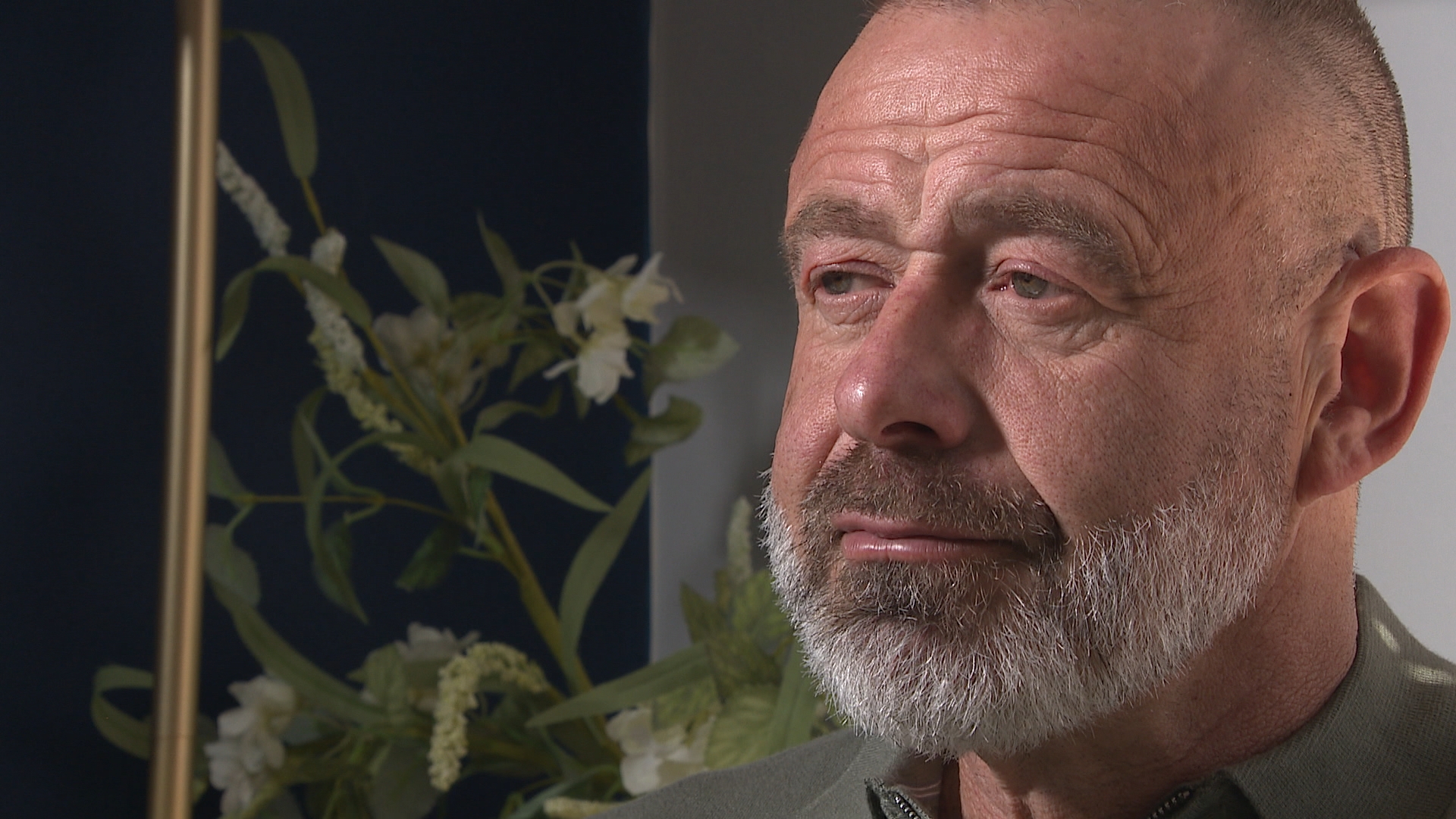
Owain Pedrog was out of work for around nine months after being made redundant last year.
That, along with the search for a new role in an industry making cuts, took its toll on his mental health.
He said: “It was very isolating, not having that routine, not having that reason to wake up in the morning, not having purpose.
“There were days when I wouldn’t speak to anyone for 24, 48 hours and that was very isolating, especially when you’re left with your own thoughts and feelings.”
And there was the financial toll too.
Owain added: “There’s mortgages to pay, there’s kids going to university to pay for, there’s cars to pay for, so all these things you have in your life you need to pay for, all of a sudden that is put at jeopardy.
“It’s difficult to see then how to carry on financially.”
It’s estimated around 70,000 oil and gas jobs have been lost in the past decade.
 STV News
The Just Transition is meant to help ease that pain in a city like Aberdeen.
The idea is to create jobs in renewables which will replace those jobs in oil and gas and give workers a chance of a new, ‘green’ career.
Aberdeen and the North East has the most to gain but also the most to lose.
Robert Gordon University estimates that around one in six workers in the region is engaged either directly or indirectly in offshore energy.
The issue is, right now there are not enough new jobs to keep pace with the number being lost and so people are having to look far beyond Aberdeen’s shores for work.
But at the city’s college, there are new courses designed to bridge the skills gaps between oil and gas and renewables.
The new intake at North East of Scotland College are confident they have a future in the energy sector.
Austin Mair is one of those studying there. He said: “I think there will be plenty of jobs, especially right now when it’s on the way up.
“I think there will be plenty of opportunity in the future and there’s not going to be a noticeable slowdown.”
Aberdeen is far more than just oil and gas, there are other industries already established or coming through – life sciences, tourism, food and drink.
However, energy will continue to shape its future, for good or for bad.
In the late 1960s and early 70s, the main quarry in the city closed, and the fishing industry was declining – oil was found just at the right time.
That tale has provided hope for some for the future of this city, determined that Aberdeen has reinvented itself before and determined to prove it can do it again.
Follow STV News on WhatsApp
Scan the QR code on your mobile device for all the latest news from around the country