A Shetland fisherman has recalled the terrifying moment a boat he was on sank in just over two minutes.
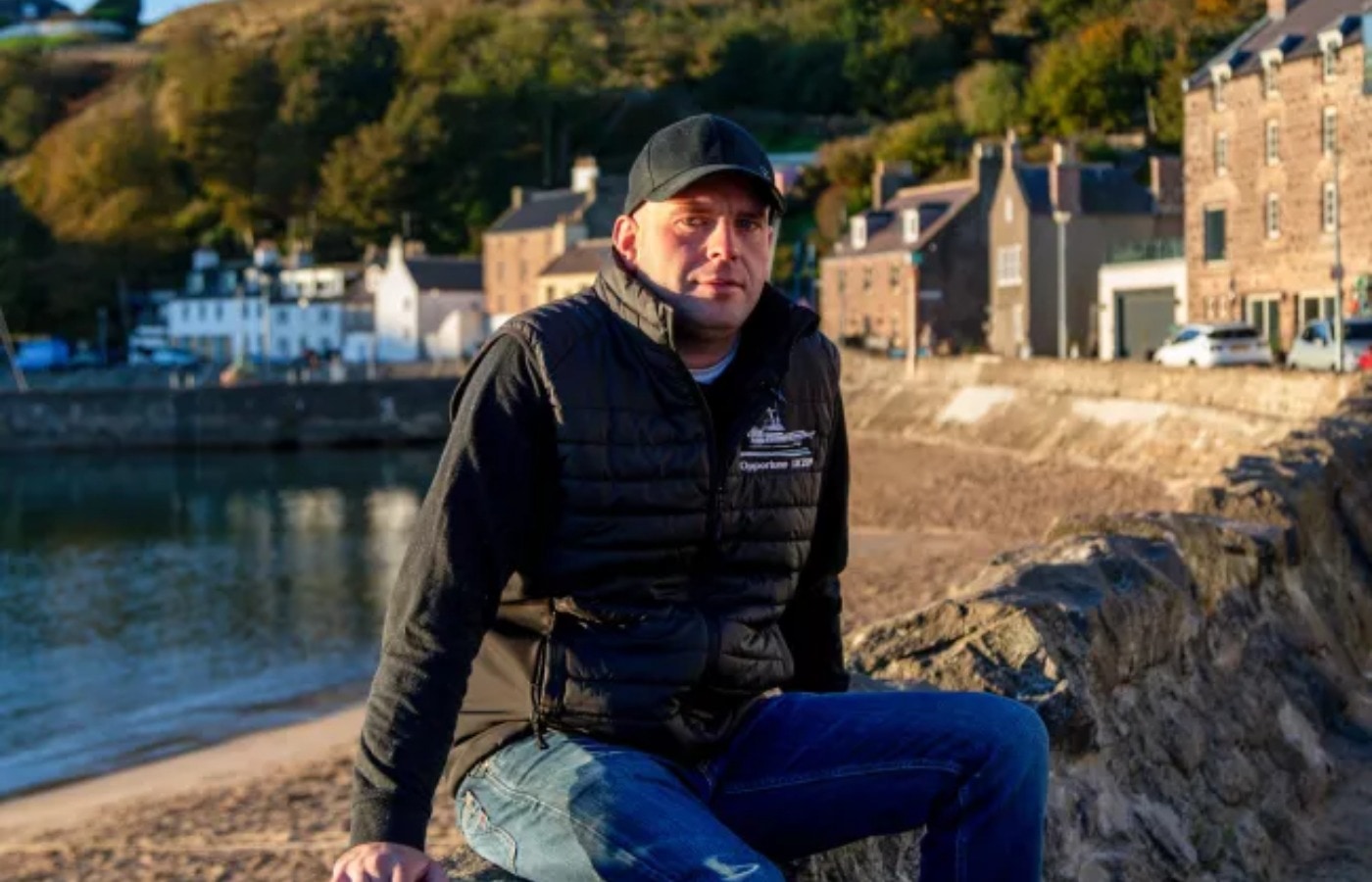
Sam Young, from the island, was a crewman on board the fishing trawler Opportune when he sent out an emergency mayday.
The 33-year-old was on watch duty on March 24, 2024 more than 35 nautical miles off the Scottish coast when alarms sounded in the vessel’s wheelhouse amid rough seas and seven metre waves.
Just after 5am, the fisherman found the vessel’s engine room rapidly flooding with seawater.
He raced back to wake his seven fellow crew members, who were sleeping below deck.
 HM Coastguard
He said: “I was just standing on watch while the boys slept downstairs in their beds when alarms started going off on deck. I went to have a look in the engine room and water was covering the gearbox with spray firing up towards the roof.
“I knew right away that it was too much to handle and I called the coastguard.
“In the last ten years in Shetland, one boat left the call for help too long and nearly lost their lives, and another had been a bit quicker, but the vessel was still lost.”
RNLI Sumburgh lifeboat and an HM Coastguard rescue helicopter were rapidly dispatched, alongside a nearby Norwegian Coast Guard helicopter.
Sam described the chaotic scenes as he woke the crew and got them into life jackets and a life raft, as there were no other nearby vessels to call upon for help.
He added: “The boat was going up and down and the life raft’s tethering rope was running through my hands.
“One of the crew was worried about some of his belongings on board, but I told him to get straight into the life raft with the five others.
“My blood must’ve been fast running back to my heart because I couldn’t feel my hands. The first life raft broke away, and it was just me and the skipper running on borrowed time on deck.
“We put out another mayday and then got into our second life raft. In less than two and a half minutes, she was gone. It happened so fast.”
Bobbing around in the North Sea, Sam and his crew felt like hours had passed until rescuers arrived on scene.
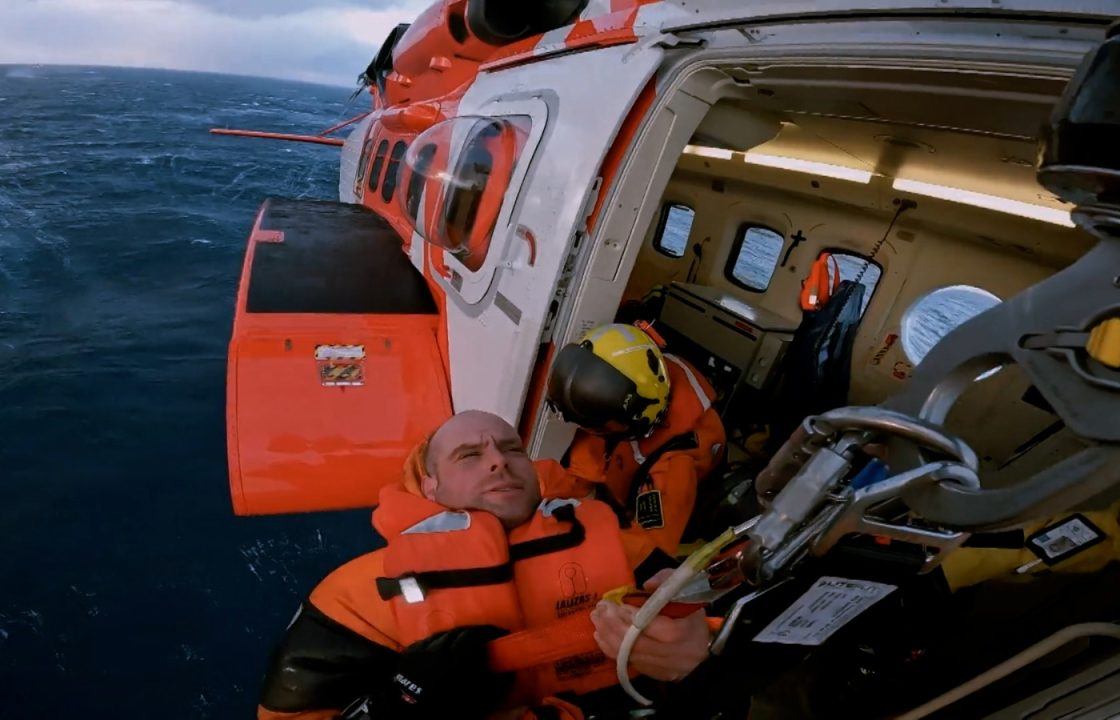
But in 20 minutes, both helicopters had reached the scene and plucked the crew to safety.
He added: “When I was pulled up on a winch wire by the helicopter and dangling over the side, I was like, ‘Get me inside!’
“We got dropped at Sumburgh and I got back to my car in wet clothes, filled up with petrol and drove home. It was a shaky drive, but the only thing I cared about at that time was that everyone had got home safe.”
He continued: “Never leave it too late to make that decision,” he warns. “Don’t worry about the boat, worry about yourselves first.
“Someone did ask me whether I’d go to sea the next day, but if you knew what was round the corner, you wouldn’t go anywhere, would you?”
The Marine Accidents Investigation Branch said the source of the flood could not be established but that the most likely cause was a failure of the vessel’s seawater pipework, parts of which were ferrous, over 20 years old and difficult to inspect.
Corrosion might have gone unnoticed, investigators said.
A report released in January stated: “The crew were unable to control the flood because seawater inlet valves were not easily accessible and electric bilge pumps could not be operated from outside the space.
“Faced with a rapidly sinking vessel, the skipper raised the alarm, and the crew abandoned ship in good time.”
Follow STV News on WhatsApp
Scan the QR code on your mobile device for all the latest news from around the country