 Orkney Native Wildlife Project via Supplied
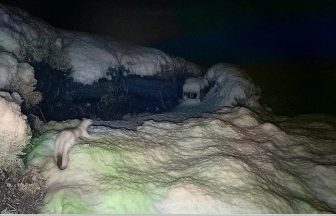
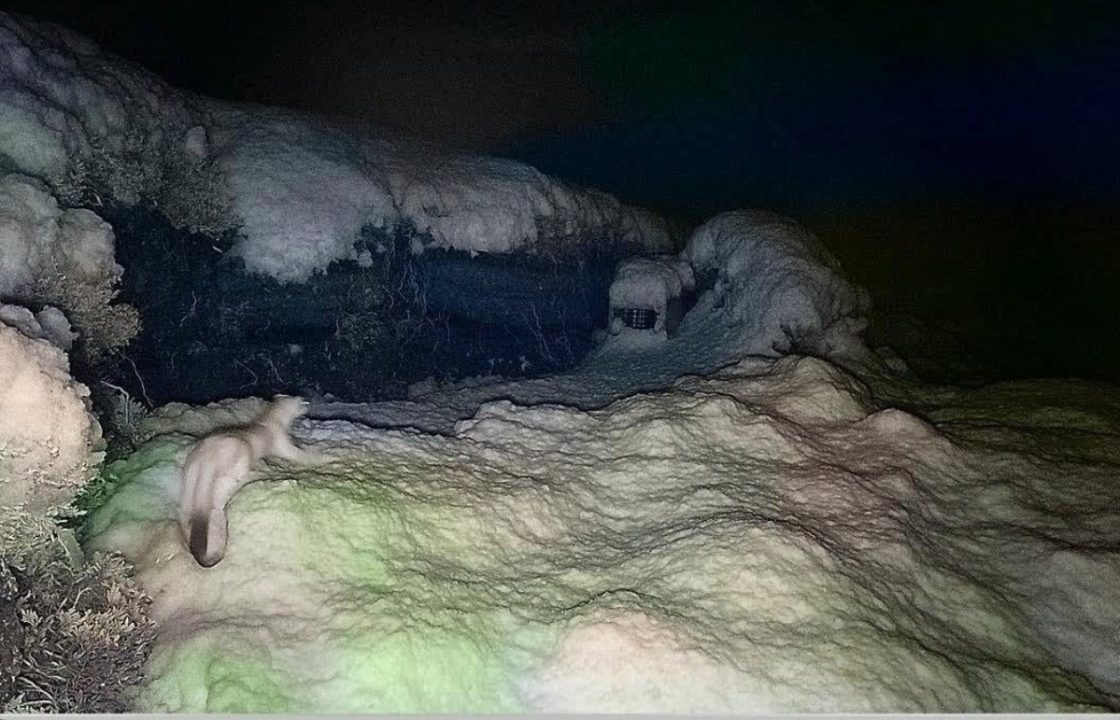
A third invasive stoat has been caught on Rousay, and a fourth has been caught on camera sparking further concerns in Orkney.
The Orkney Native Wildlife Project said stoats are a threat to numerous native species in the islands, including curlews, red-throated divers, hen harriers, short-eared owls and Orkney voles, a unique subspecies found nowhere else in the world.
The first stoat on the island was caught on October 9, near Loch of Loomachun, following a seven-month operation, and a second was caught shortly after.
Last week, the latest animal was caught in the same trap, and a fourth was captured on camera on Wednesday.
Conservationists have described the latest sighting on November 16 as “deeply concerning” and it is unknown how the animals are arriving on the island.
A spokesperson for the Orkney Native Wildlife Project said: “This is concerning news for the island’s native wildlife, and for the whole Rousay community.
“Many important native species in Rousay are placed at risk by invasive non-native stoats – from breeding seabirds to birds of moorland, peatland and lochans like curlews, hen harriers and short-eared owls, to the Orkney vole, a unique subspecies found nowhere else in the world but these islands.
“Fortunately, we are still in a strong place to respond, with a large and expanding monitoring network of traps and cameras in place on the island.
“Using these resources, we’ll be able to track and remove this stoat and identify any others if they should emerge. We also have the support of the fantastic community volunteers in Rousay, and are working with them to catch this invasive stoat as quickly as possible.
“There is still currently no evidence to suggest that there are any female stoats in Rousay, or that stoats are breeding there.
“We are planning to send the stoats we have caught away for further DNA testing to see how closely related they are, which will provide important evidence to help us understand what is happening in Rousay – and to learn how they may have arrived on the island.”
Follow STV News on WhatsApp
Scan the QR code on your mobile device for all the latest news from around the country