 STV News
Wild salmon and whisky production are feared to be at serious risk because of low river levels in the Spey.
Recent hot spells have taken a toll on rivers, the public water supply and even production of Scotland’s national drink.
To help maintain domestic supplies during dry periods, the Scottish Environment Protection Agency (SEPA) authorises the syphoning of water from the Spey to supplement borehole abstractions.
While SEPA and Scottish Water state the overall limit of water extracted has not increased since 2019, the pumping location has recently been moved to Fochabers, causing concern among fishery experts.
 STV News
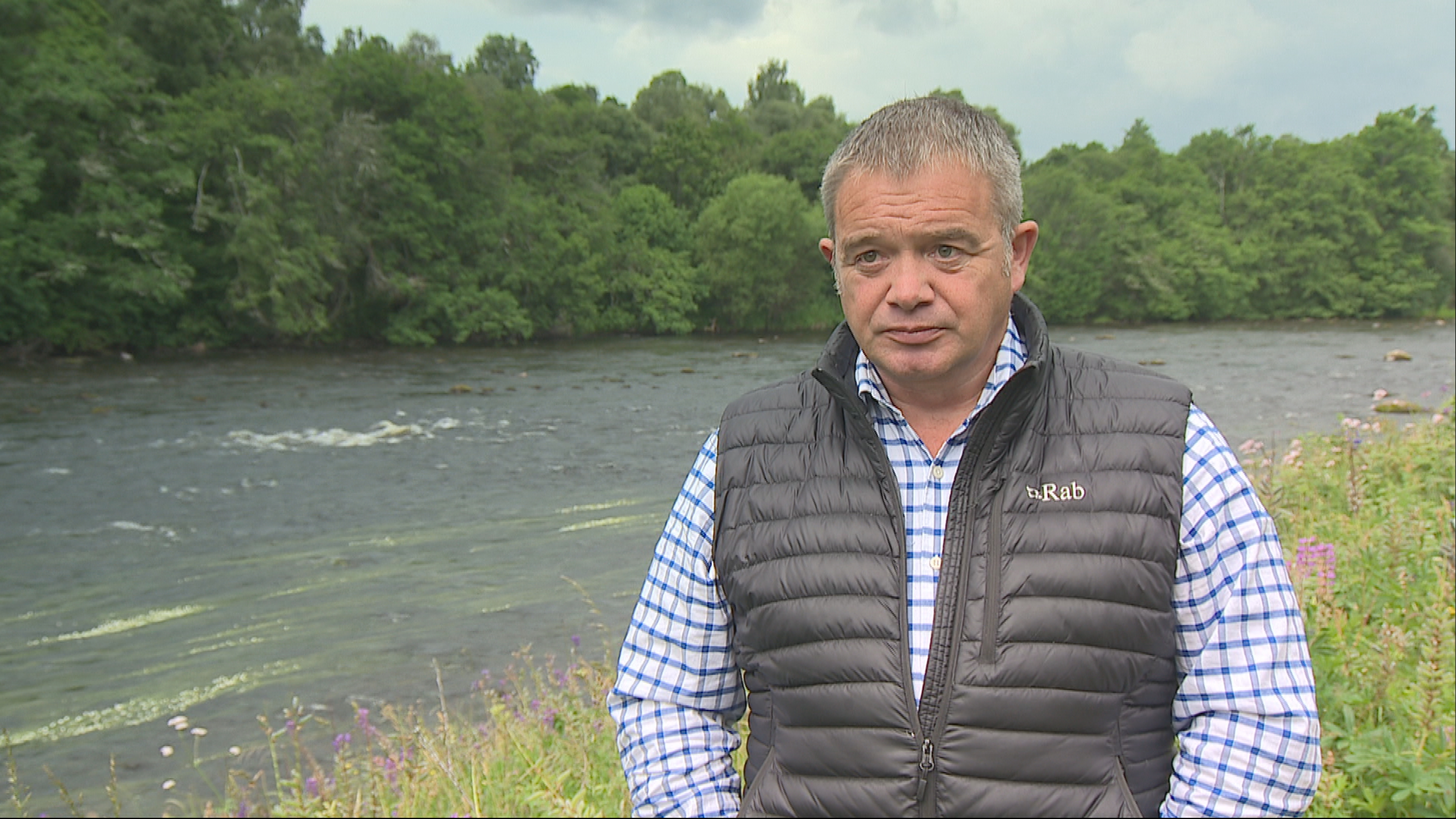
Duncan Ferguson of the Spey Fishery Board warned that the shift in extraction has severely impacted the lower sections of the river.
He told STV News: “It became very apparent last year that the lower river was in severe water scarcity, but the upper river wasn’t. It’s one river.
“This river needs to be managed as a whole, not in sections. It’s crazy that the water from the top has been extracted, and the lower river is in severe water scarcity.
“It just doesn’t make sense in this day and age. We’re dealing with a climate emergency, and yet they’re still doing this practice that’s eight years old.”
 iStock
He added: “Last year was the first year ever that we reached severe water scarcity on the Spey. Salmon fishing’s really suffered. The whisky industry ground to a halt because the water was too warm for the stills.
“We need to have that water back in the upper catchment so we can keep the river running.”
Scottish Water said it had not requested permission beyond its regular permit from SEPA to take more water from the river. The publicly-owned company noted it is licensed to take “small amounts” for domestic supply, and that the abstraction at Fochabers accounts for less than 1% of the total volume it is permitted to take from the Spey.
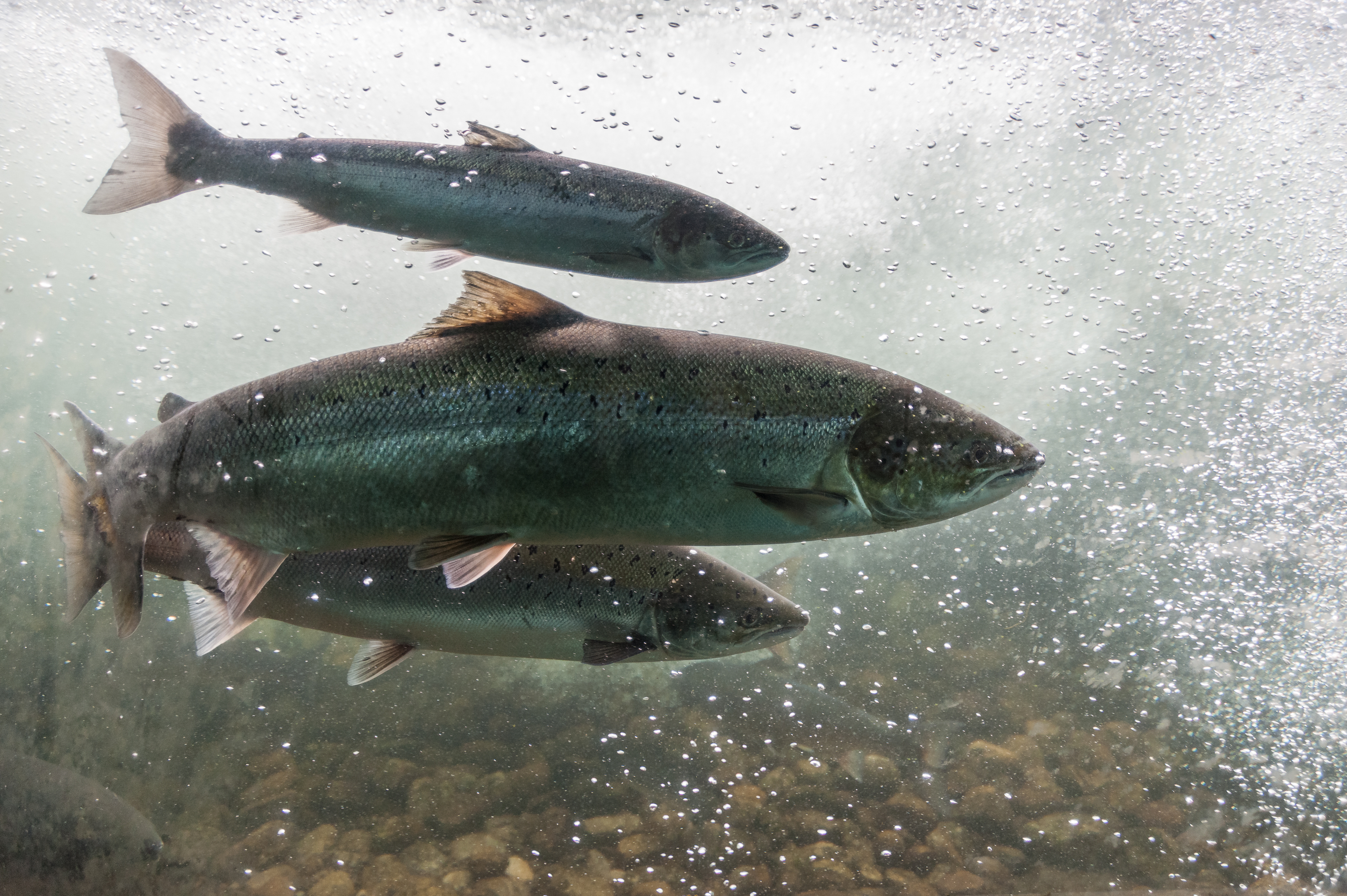
But the switch of water extraction has triggered a wider debate about environmental pressures on the river and its impact on the migration of precious wild Atlantic salmon.
 Adobe Stock
Eilidh Johnston of SEPA said: “I’m aware that the Spey board has concerns about how water is managed throughout the whole Spey. And, as part of that, we are beginning to look at a long-term strategy for water resilience, and we are beginning to engage particularly with stakeholders in the Spey, then taking a collaborative approach to look at extractions throughout the Spey area.”
The scarcity is also being closely monitored by the Scotch Whisky Association (SWA), as water is a crucial component in both the ingredients and the manufacturing process of the spirit.
The SWA said climate change is increasing pressure on water availability, adding that the industry will continue working with SEPA and other regulators to improve water stewardship and ensure water is used responsibly.
Both SEPA and the Spey Fishery Board have committed to working constructively moving forward to help secure a sustainable water supply and a healthy river.
Follow STV News on WhatsApp
Scan the QR code on your mobile device for all the latest news from around the country