 Adobe Stock
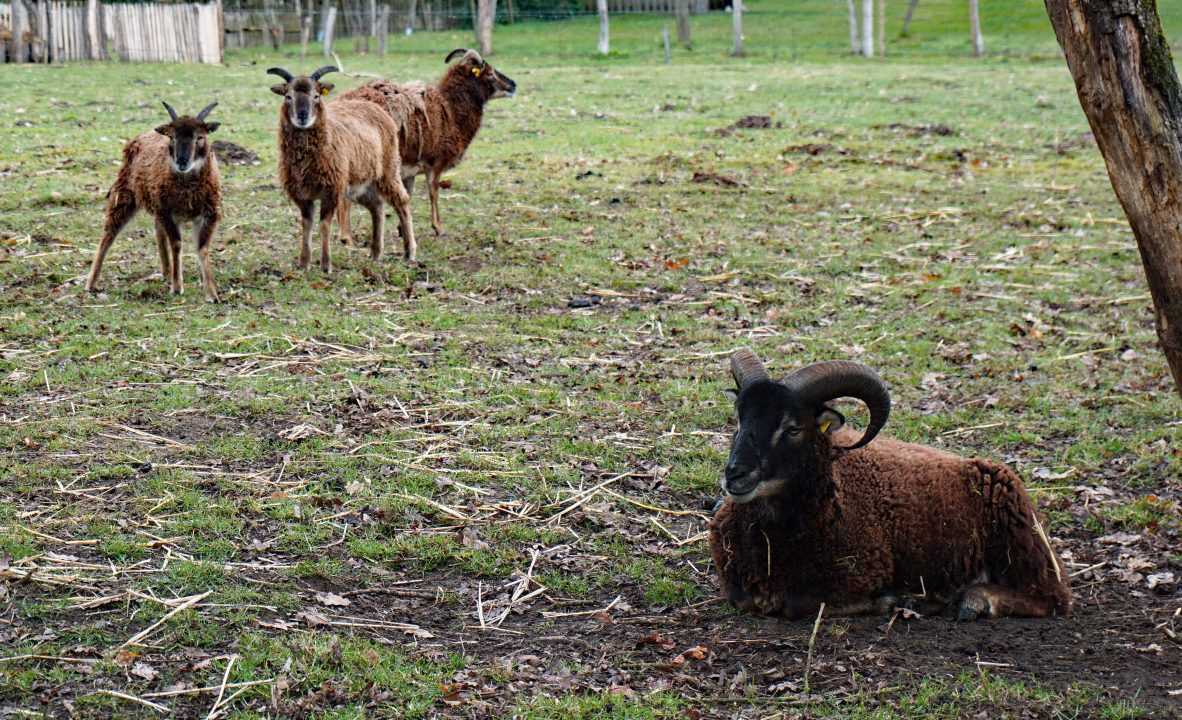
Hundreds of Soay sheep are dying each year because of over-population and lack of winter grazing on the archipelago of St Kilda, west of the Outer Hebrides.
Two vets highlighting the issue are pressing for stronger laws to protect the animals.
The National Trust for Scotland which owns and manages St Kilda and the Scottish Animal Welfare Commission are currently carrying out separate reviews of how the wildlife is managed.
Western Isles vets, David Buckland and Graham Charlesworth found sheep and lambs starving to death on St Kilda, which the human population fled in the 1930s.
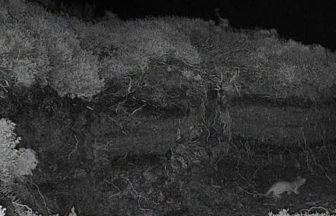
Their recent video footage shows severe suffering of starving sheep, prompting calls for urgent action from the Scottish Government.
The footage includes a lamb attempting to suckle from its dying mother, a starving sheep dying in front of a group of tourists and emaciated sheep.
The pair say it is a snapshot of recurring large-scale losses and “a consequence of the trust’s hands-off management policy of non-intervention”.
Records show that about 600 sheep – 35% of the adult population – die from starvation on the island of Hirta each winter.
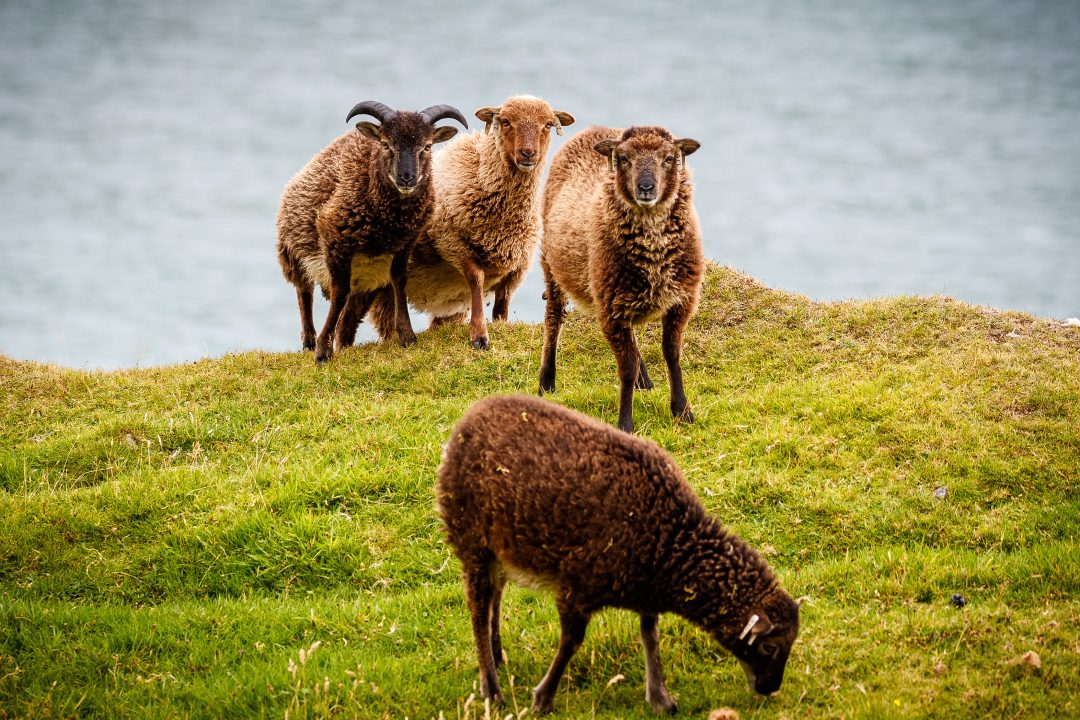
Mr Buckland said: “This is happening every year. It has been doing for a very long time. If you include other sheep on Boreray and Soay, you’ve got in the region of 1,000 animals dying of starvation in similar ways.
“For everybody, it seems to be a case of ‘out of sight, out of mind’ and because nobody sees it nobody seems to care about it.”
The sheep have been the subject of a long-running study by the Soay Sheep Project at the University of Edinburgh.
The vets have called on Scotland’s chief veterinary officer to change her current opinion and accept that the sheep have “protected animal” status under the Animal Health and Welfare (Scotland) 2006 Act.
That would provide a legal safeguard against starvation that is accorded to other sheep in the UK.
Graham Charlesworth, a retired vet, said: “There have been some winters when no male lambs survive.
“What we hadn’t realised was that so many female lambs become pregnant at seven months of age and that most of them die in late pregnancy.”
A spokeswoman for NTS said: “These images are upsetting.
“Over the last 40 years, data has shown the population of sheep is gradually increasing, which demonstrates a healthy flock.
“We are undertaking a comprehensive review of the management including the sheep that takes account of all impacts of management change.
“St Kilda is an internationally important dual world heritage site. The history, archaeology, ecology, seabird populations and the sheep are all part of the mix we need to carefully consider. We understand animal welfare concerns, and these are also being carefully considered.”
A spokeswoman for the Scottish Government said: “The Soay Sheep on St Kilda are treated as wild animals due to their unique history of adopting to life without management over many generations.
“This flock is protected by the Wild Mammals (Protection) Act 1996, the same protection afforded to Scotland’s wild deer population.
“Full details of the upcoming Scottish Animal Welfare Commission report will be published in due course and the government will take its findings into account.”
Follow STV News on WhatsApp
Scan the QR code on your mobile device for all the latest news from around the country