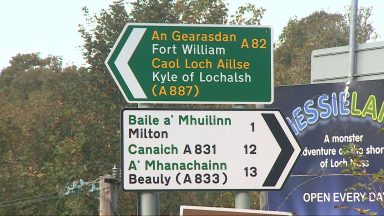
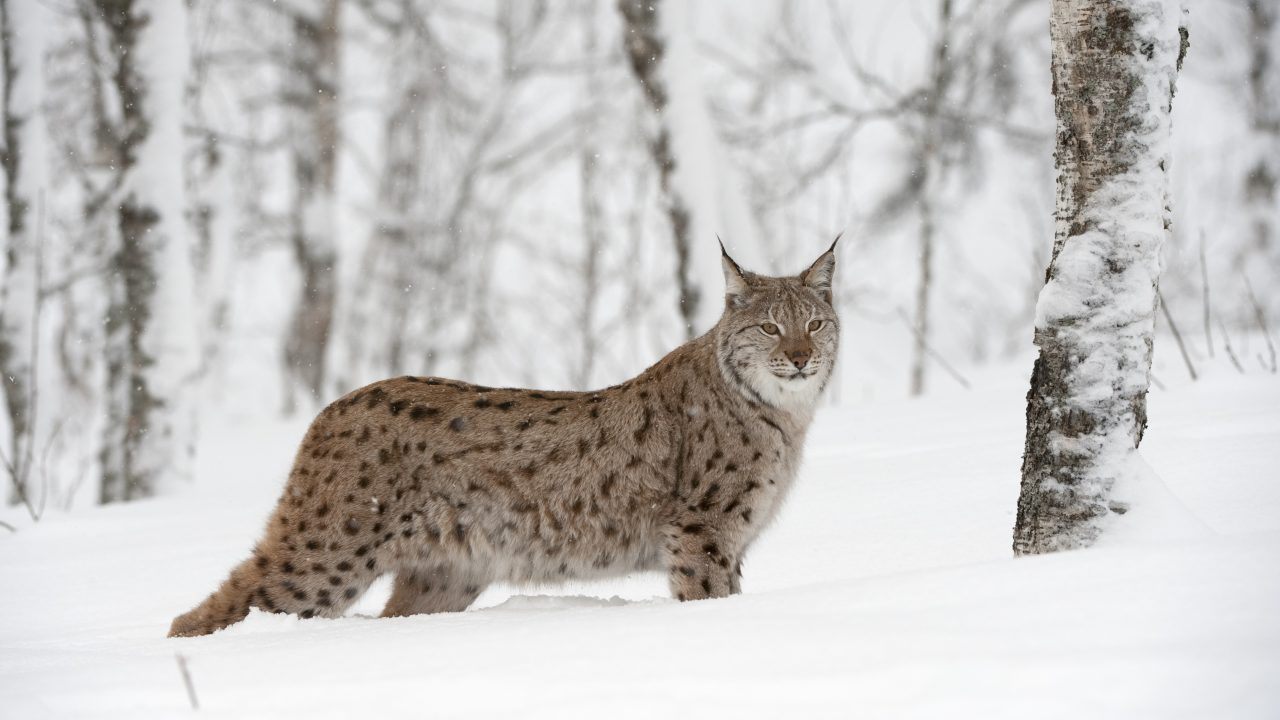
People living in the north of Scotland are being invited to have their say on the potential reintroduction of lynx to the Highlands.
The species could return to the region as part of plans from a group of rewilding charities – with some 89,000 households to receive mail about the proposals in January.
A licence would be required from the government agency NatureScot before it could go ahead.
More than 40 meetings are planned to take place in the Highlands and Moray as part of a programme of public engagement starting on January 26.
The Lynx to Scotland partnership has been assessing how a potential reintroduction scheme could work since 2020.
They say the region could support up to 250 lynx, which are not considered dangerous to humans. The species primarily preys on deer, which experts say would also help boost biodiversity.
Steve Micklewright, chief executive of the charity Trees for Life, said: “Northern Scotland can support a thriving population of lynx, but social acceptance is just as important – so, we are exploring in detail how people feel about bringing back this important missing native species.”
The charity was involved in reintroducing beavers to the Highlands in November and wants to carry out similar schemes for red squirrels and a breed of cattle called the tauros.
Any reintroduction of lynx would begin with about 20 of the cats, before numbers are increased.
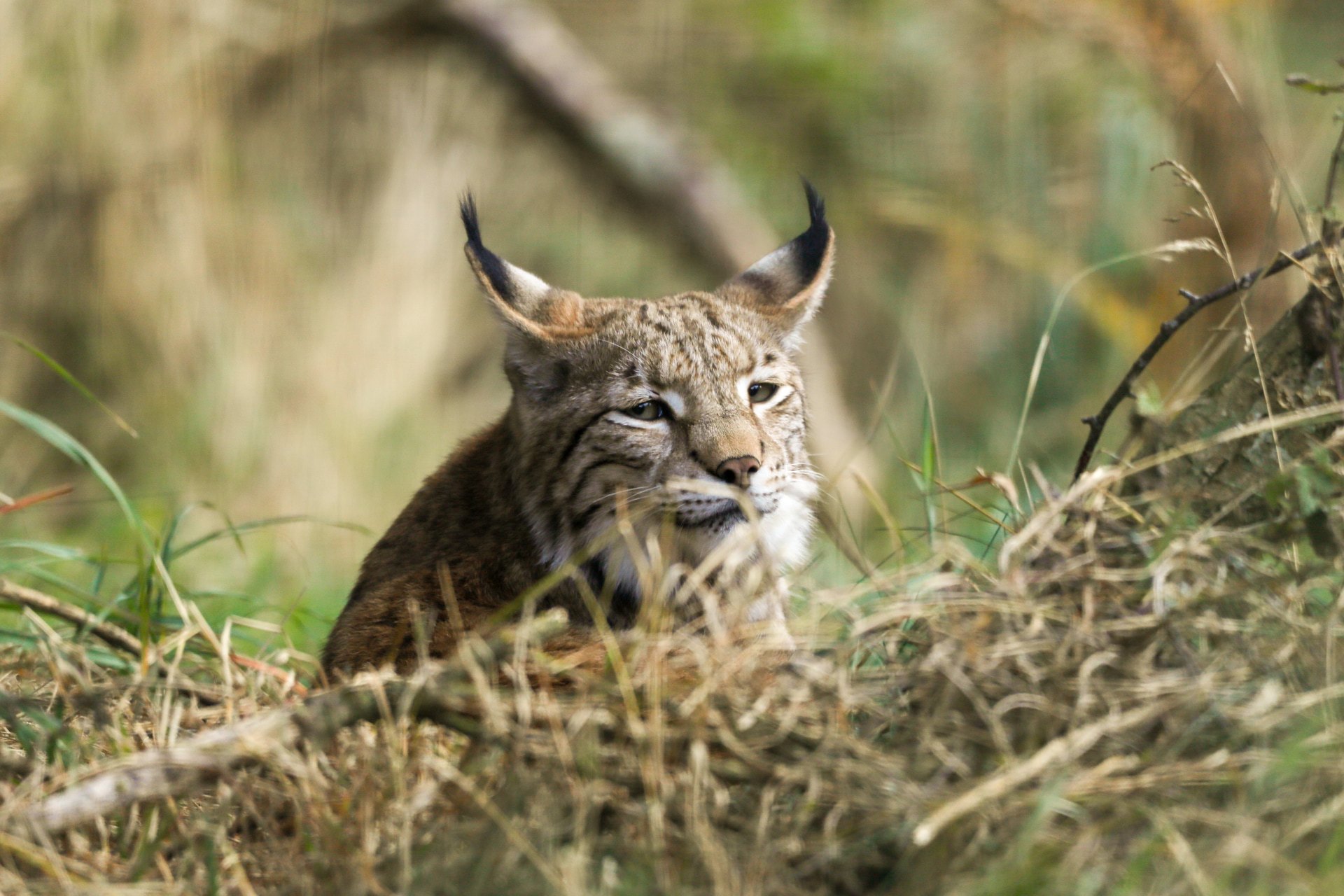 RZSS
RZSSLynx were native to the area but driven to extinction about 1,300 years ago.
Lisa Chilton, chief executive of the charity Scotland: The Big Picture, said: “Scotland has lost more of its native wildlife than almost any other country.
“Reintroducing lynx could help restore balance and breathe new life into Highland and Moray landscapes, but it would be essential to do this in a considered, responsible way that addresses questions and concerns.”
Critics have warned that lynx could prey on livestock, leading to financial hardship for farmers and impact on other wildlife.
The National Farmers’ Union in Scotland said they oppose the plans.
The body’s vice president, Duncan Macalister said: “Such proposals are wholly unacceptable to farmers and crofters and pose serious risks to livestock welfare, business viability and rural communities, with unanswered questions about possible unintended wider consequences and who would ultimately bear the cost of any damage.
“While we acknowledge the importance of public engagement, our members remain deeply concerned about the practical implications of bringing back a predator long absent from Scotland’s landscapes.
“The focus must remain on supporting those already working hard to deliver high-quality food, enhance biodiversity and sustain fragile rural economies rather than introducing new threats to that balance.”
First Minister John Swinney previously said his government would not support the reintroduction of lynx.
A Scottish Government spokesperson said: “We recognise the role that re-introductions of native species can play in nature restoration but any proposed reintroduction would require significant consultation, ensuring the views of those who would be most affected by any species reintroduction are fully taken in to account.
“While we do not intend to reintroduce lynx or any other large carnivores in the foreseeable future, because of the potential for negative impacts on farms and rural communities, we support the targeted reintroduction of beaver populations where appropriate.”
The campaign comes after four illegally released lynx were captured in the Cairngorms in January last year.
The wildcats were rescued by the Royal Zoological Society of Scotland (RZSS), though one died shortly after.
Highland Wildlife Park keepers say the three survivors – Caledonia, Cardrona and Bluebell – have since settled “incredibly well” into their new home.
A police investigation was launched into the incident, which was branded “reckless and irresponsible” by RZSS.
Follow STV News on WhatsApp
Scan the QR code on your mobile device for all the latest news from around the country