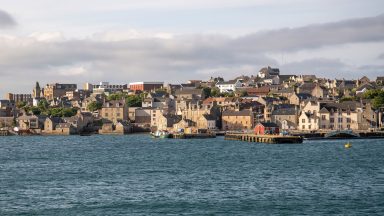
Conservationists say they do not believe the decline of Scotland’s seabirds is inevitable despite plummeting populations.
Rising sea temperatures, food shortages and disease outbreaks such as avian flu are all contributing to declines.
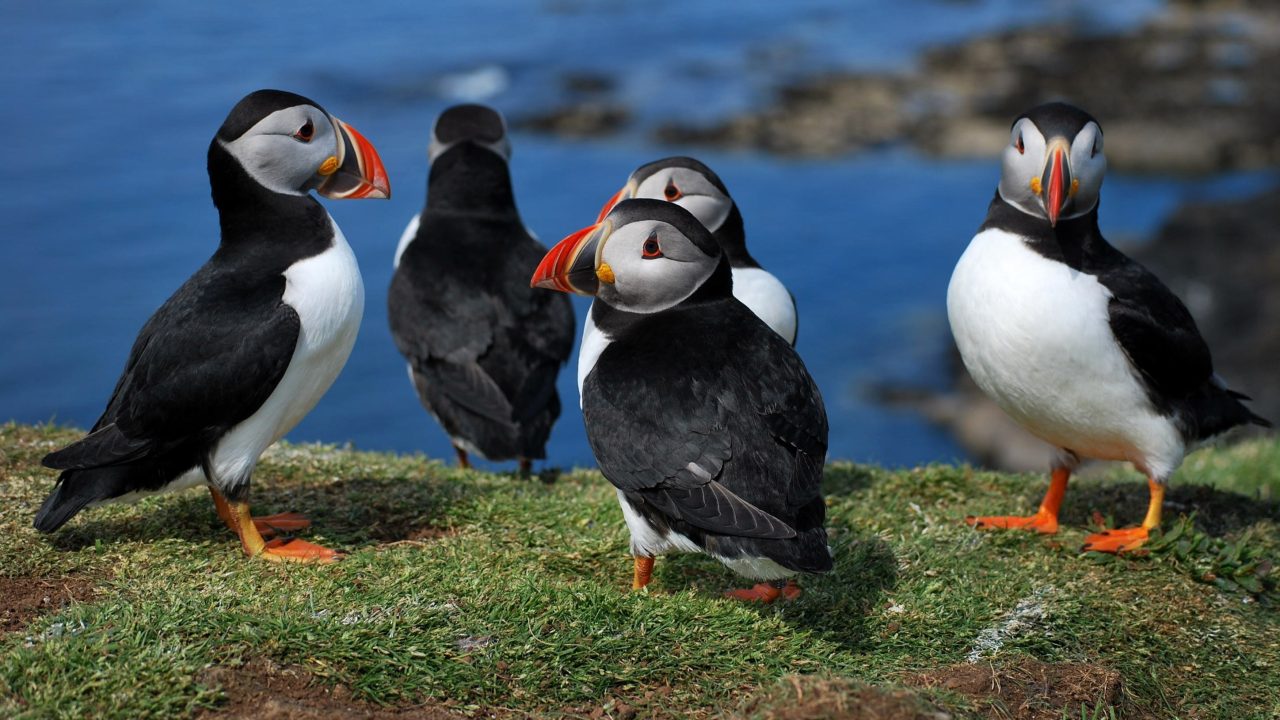
But on the Isle of Lunga in the Inner Hebrides, a growing puffin population is providing some cause for optimism.
The island’s rangers are trying to turn the tide.
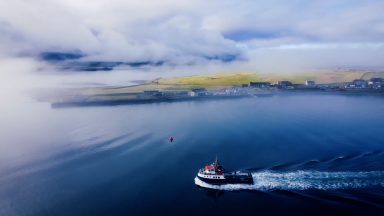
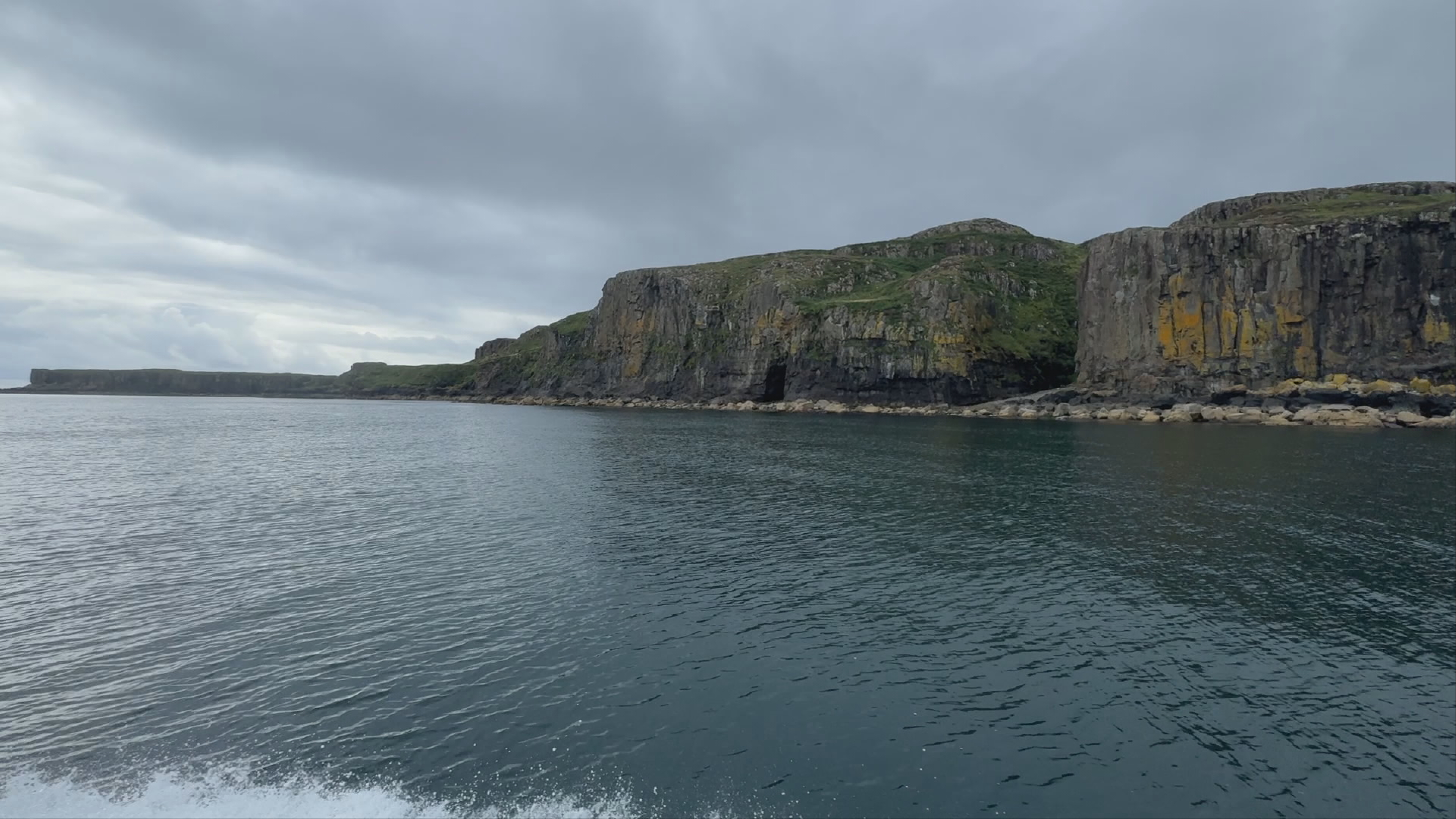
Twelve miles from Tiree, Lunga is the largest island in the Treshnish Isles.
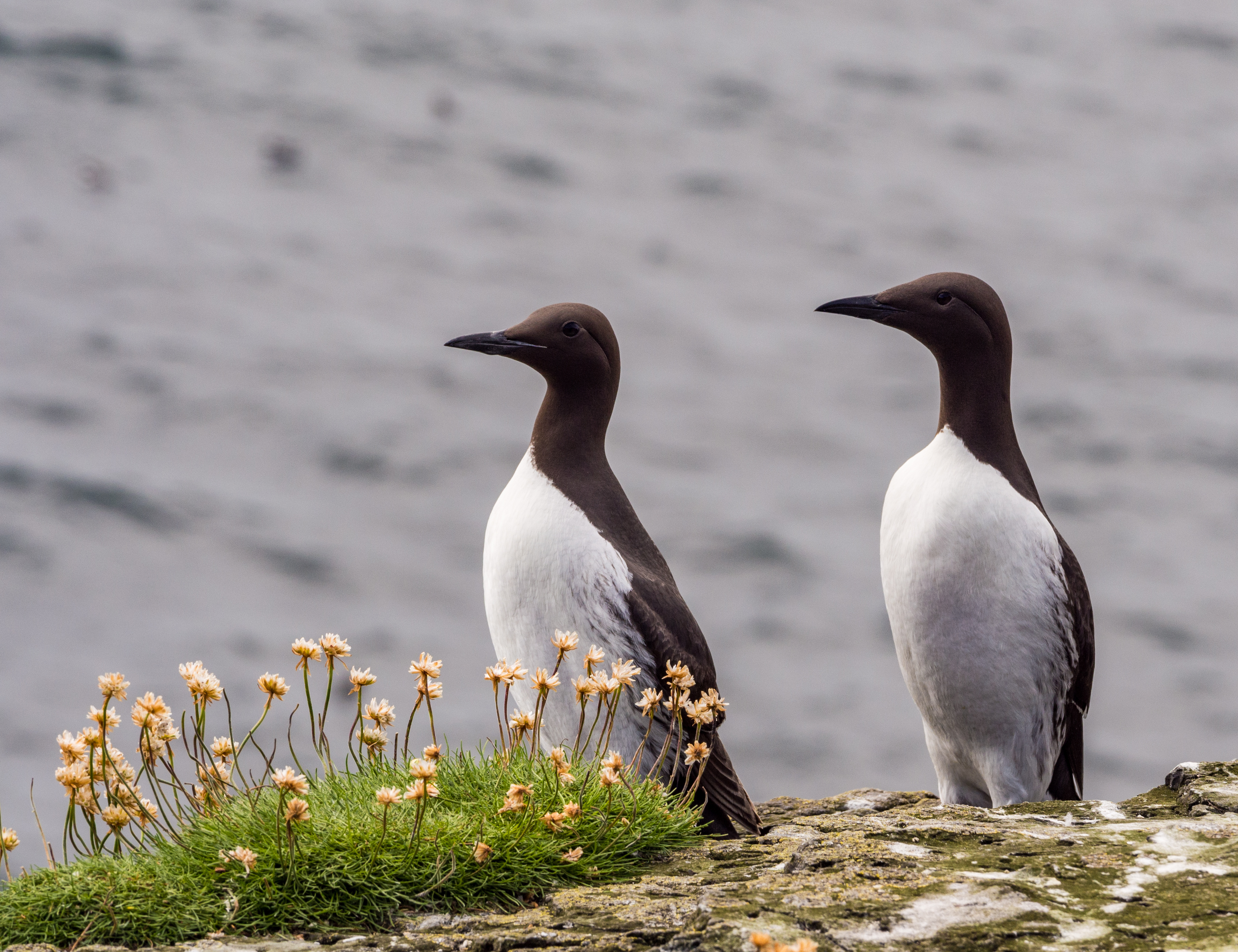
Lunga is a bird reserve where tens of thousands of seabirds nest during the summer months, including puffins. Nearby Harp Rock, a dramatic sea stack, is often described as a seabird city.
 Adobe Stock
Each species has its own niche on the island. Guillemots, shags, razorbills and Manx shearwaters all nest in different habitats.
But this is a sanctuary fighting for survival.
A report published by NatureScot last week found Scotland’s seabirds are in serious decline, with the average population having halved since the 1980s.
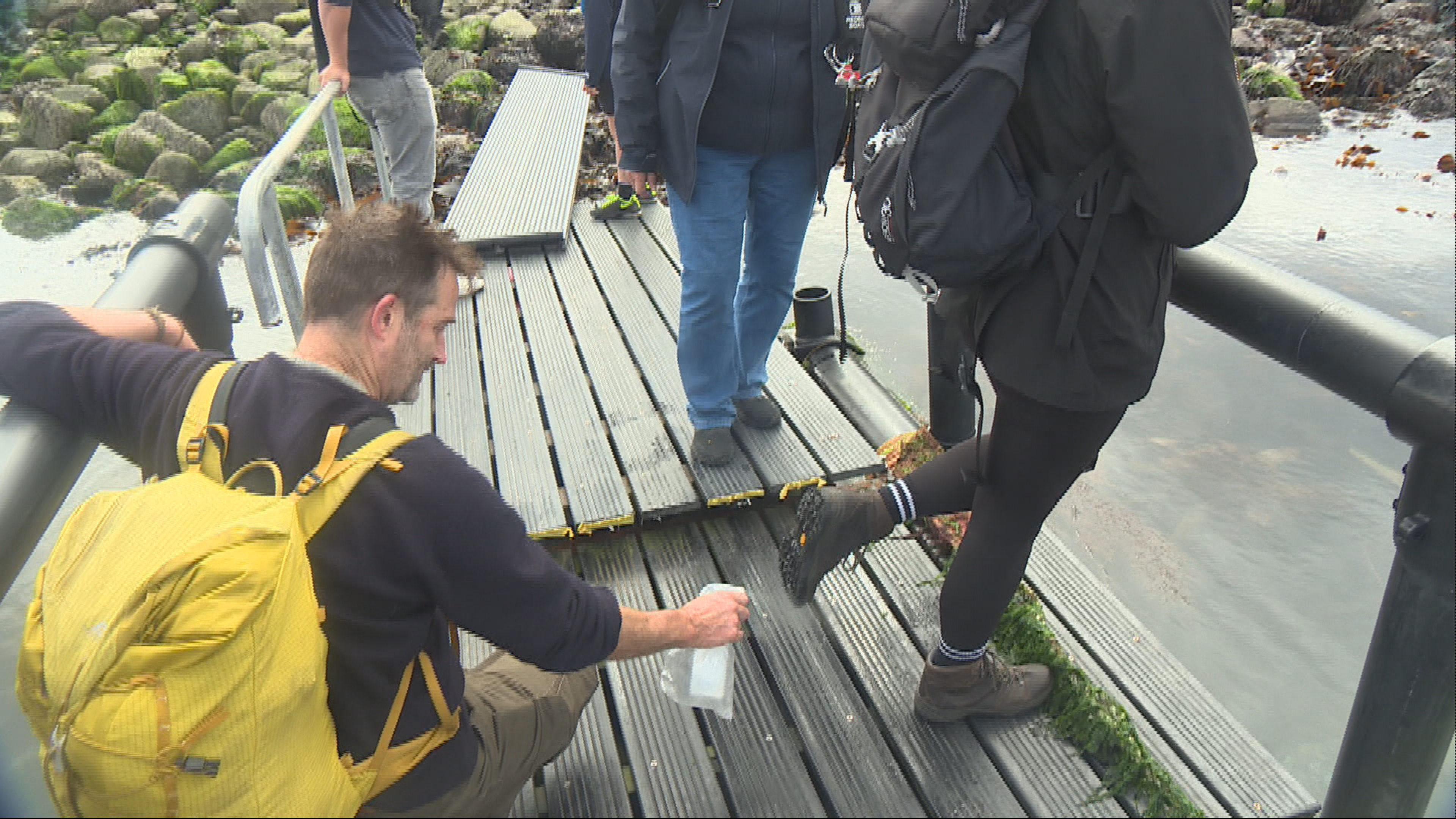
Measures such as disinfecting visitors’ boots to reduce the risk of disease are helping to protect colonies.
Island ranger Emily Wilkins has worked on Lunga for 15 years.
She said: “Every time seabirds waste energy by flying away uneccessarily if they’re alarmed by something, that’s more energy that could be helping them survive.
“Things people can do to help us are not bring their dogs to seabirds islands.
“We’ve also put ropes around the main puffin nesting areas to mark out a safe distance. Puffins are very tolerant of people. We’re glad to have people come and have up-close encounters, but we don’t want people trampling onto the burrows.”
 STV News
There is evidence that measures here are making a difference.
There are now more than 14,000 guillemots on Harp Rock and around 6,500 pairs of puffins on Lunga – around 20 times as many puffins as on nearby Staffa. Corncrakes are also thriving.
The island’s hidden seabirds are harder to track. A 2018 survey recorded around 3,500 pairs of storm petrels and 2,000 pairs of Manx shearwaters, with researchers hoping to repeat the count in 2027.
Other species aren’t faring as well. Fulmars, in line with the national picture, have declined steeply. Researchers monitoring breeding success have found no chicks have fledged in the last two years.
Gulls are also really struggling, with only a handful of nesting gulls remaining.
Emily added: “It’s all about how we treat the sea, how we organise fishing, what we do with plastic and climate change. These are much bigger issues.
“All we can do is make this place as suitable for wildlife as we can.”
 STV News
Recent outbreaks of bird flu in Scotland have had a devastating impact.
While rising sea temperatures, food shortages and plastic pollution are creating a perfect storm.
Harrie Burney is the National Trust for Scotland’s property manager for the inner Hebrides.
“I hope it isn’t inevitable that we are going to lose our seabirds,” she said. “I do believe we can make positive changes.
“I think immediate changes can make a huge difference; even if it’s spraying your boots to make sure we don’t bring anything onto an island – that could potentially save an entire colony.”
“It needs to be looked at from a national level.”
A Scottish Government spokesperson said: “The Scottish Government takes the decline in Scottish seabird populations seriously and remains committed to improving protections not only for our seabirds but our marine environment.
“We are working with partners to deliver the Scottish Seabird Conservation Action Plan which seeks to enhance the conservation prospects of our internationally important seabird populations. The first annual progress report, which will set out progress made in the first year of the plan, will be published in the autumn.
“Partnership working is at the heart of the plan. Only by working together can we address the declines that we are seeing and ensure that Scotland remains a global stronghold for seabirds.”
Follow STV News on WhatsApp
Scan the QR code on your mobile device for all the latest news from around the country