A licence for the annual guga hunt on a remote island has been refused by NatureScot.
Members agreed to refuse the request at a meeting of NatureScot’s board on Monday, members agreed to refuse the request.
The guga hunt has been an annual tradition in Ness, north Lewis, since the 15th century, with ten men setting out for the rocky island of Sula Sgeir 40 miles away.
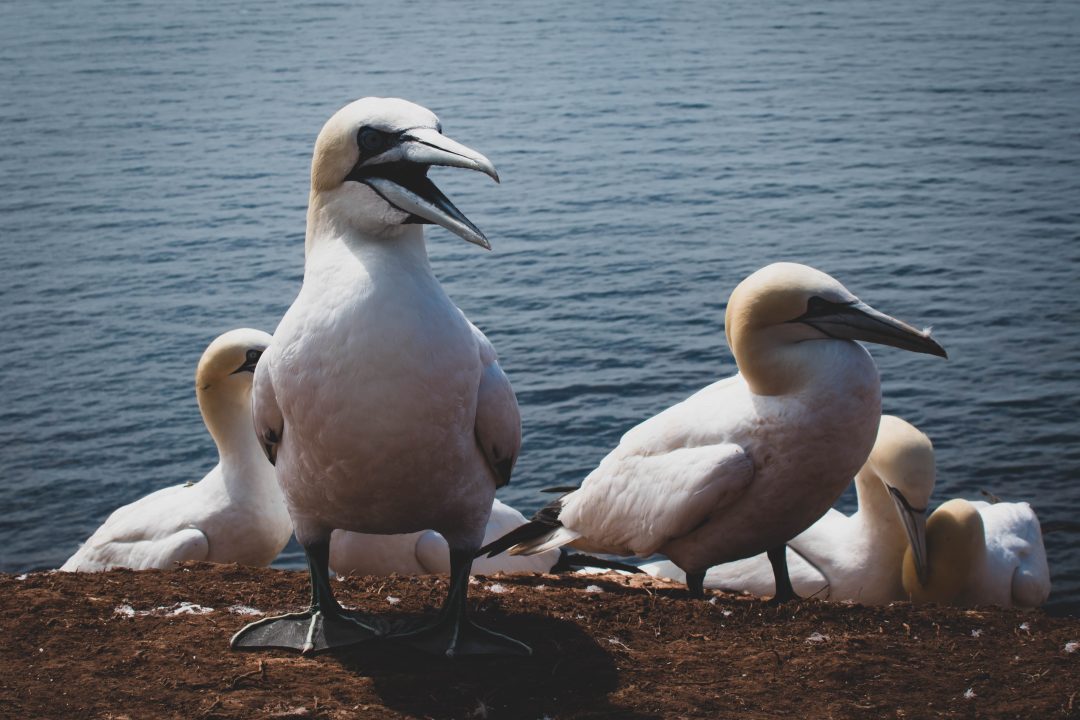
Uninhabited by humans, the island is home to thousands of pairs of breeding gannets, with the men spending two weeks there in August, taking the birds from open cliffs using a pole and noose, before the creatures are gutted, salted and preserved in brine.
Traditionally, the preserved birds are said to have formed an essential part of the winter diet for the people of Ness, but guga is now regarded as a delicacy by some, although it is said to be an “acquired taste”.
At the conclusion of the meeting on Monday, NatureScot said: “We received a licence application from the Men of Ness for a 2026 guga hunt.
“After assessing the application against the legislation and using the most recent scientific evidence, our board’s decision is to refuse a licence.
“We have used the latest information available and commissioned an updated population model to help predict the effect of the guga hunt on the gannet population.
“As a result, we have concluded an adverse impact is possible, both at the applicants’ requested application limit of 2,000 juvenile gannets, and at a reduced limit of 500.
“This decision does not prevent the Men of Ness applying for and obtaining a licence in future years.
“The hunt is recognised in law under the Wildlife and Countryside Act, and NatureScot has a duty to consider any licence application based upon the best available science.”
Responding to the NatureScot decision, OneKind chief executive Jason Rose said: “We are very relieved that the lives of thousands of young gannets will be spared this year, and many more birds won’t bear the emotional toll of disruption to their lives, families and communities.
“OneKind has presented clear evidence about the animal welfare risks of the hunt, and engaged constructively since a licence for it was granted last year, as NatureScot has recognised. We commend NatureScot for its decision and for considering animal welfare as part of that.
“However, as long as the loophole in the law exists, there is a chance the guga hunt could be permitted again in the future. The Scottish Government must change the law so that this outdated practice, which causes so much harm, is ended for good. We will keep working towards a Scotland where every gannet, and all animals, can thrive, free from suffering.”
The Scottish Seabird Centre has welcomed NatureScot’s decision to refuse a licence for the 2026 guga hunt on Sula Sgeir, saying it is an important step towards protecting Scotland’s internationally important gannets.
Emily Burton, conservation manager at Scottish Seabird Centre said: “This is the right decision for Scotland’s seabirds. Gannet populations have suffered significant declines, and many colonies are still recovering from the impacts of avian influenza. At a time when the latest evidence shows a 17% decline across the North-East Atlantic population, every avoidable pressure matters.
“Our report concluded that the evidence no longer supports licensing the hunt, and we welcome NatureScot’s decision to put the recovery of this internationally important colony first. We hope this marks a turning point in securing a future for Scotland’s seabirds.”
Murdo MacRitchie, of the Save Our Guga Harvest group, said: “People in Ness will understandably feel that this recommendation risks rewarding a campaign in which members of a small island community have been bullied and abused and publicly-owned property has been vandalised.
“NatureScot’s board must, of course, consider the scientific advice before it. But it cannot ignore the wider context in which this decision is being taken. Peaceful opposition is entirely legitimate; targeting individuals and damaging publicly-owned property is not.”
“Given the report’s consideration of a 500-bird limit, it is not clear why a licence for a greatly reduced harvest has not been recommended. The population projections in the report are positive, and it is welcome that the advice does not prevent the community applying for and potentially obtaining a licence in future years.”
Follow STV News on WhatsApp
Scan the QR code on your mobile device for all the latest news from around the country