 Adam Hough via Supplied
An invasive stoat has been caught on Rousay after a seven-month operation involving trappers and local volunteers.
The lone male was trapped near the Loch of Loomachun on Friday, October 9, by the Orkney Native Wildlife Project (ONWP).
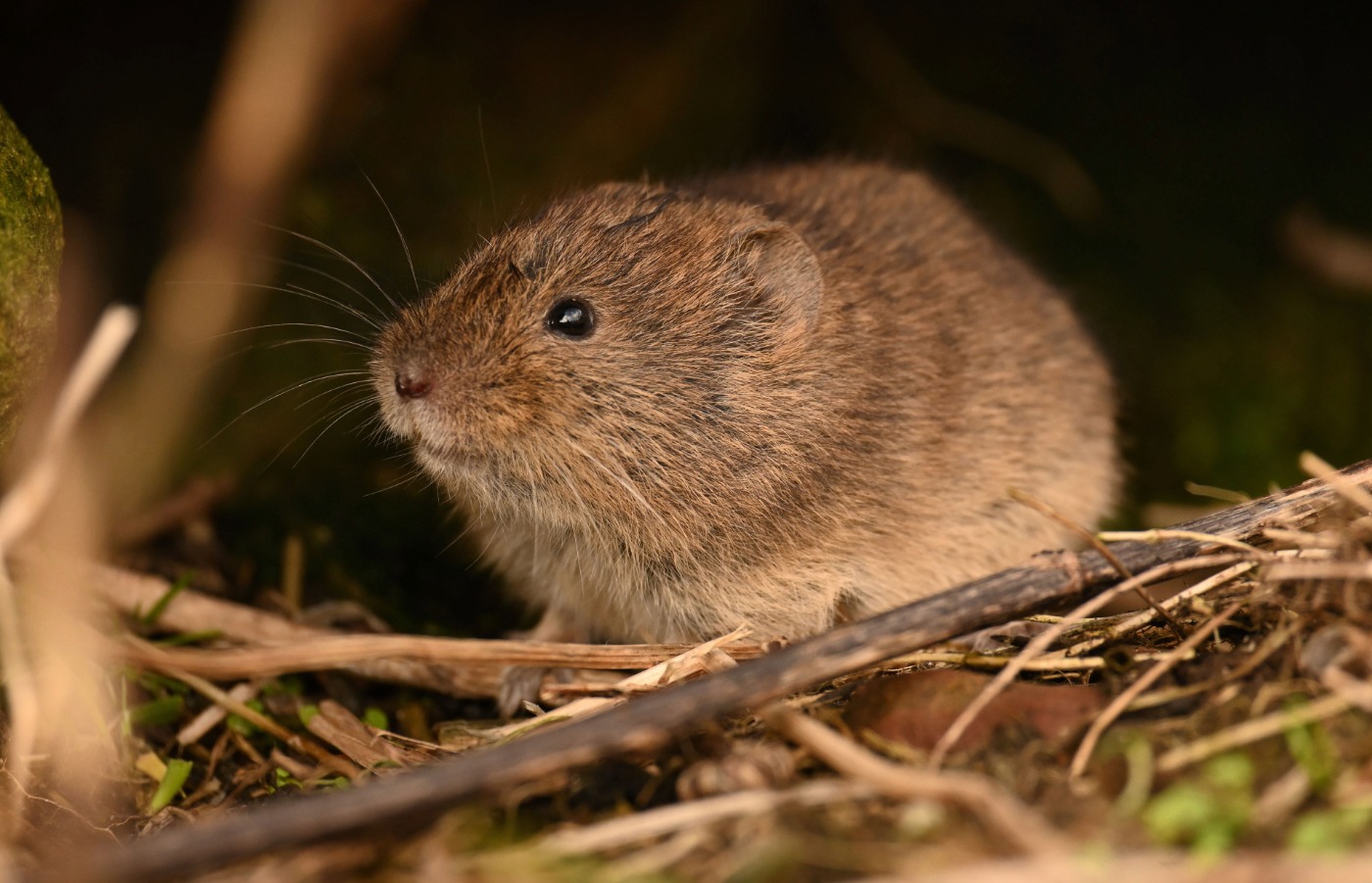
The stoats – first recorded on the islands in 2010 – are an invasive predator which is not native to the islands, posing a threat to the Orkney vole, an endemic species found nowhere else, and to ground-nesting birds.
Since 2019, more than 6,500 stoats have been removed, using humane lethal traps, across the Orkney mainland and island sites, and monitoring has taken place to see how the removal has affected wildlife preyed on by the invasive species.
 Supplied
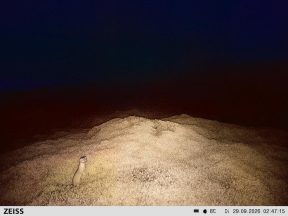
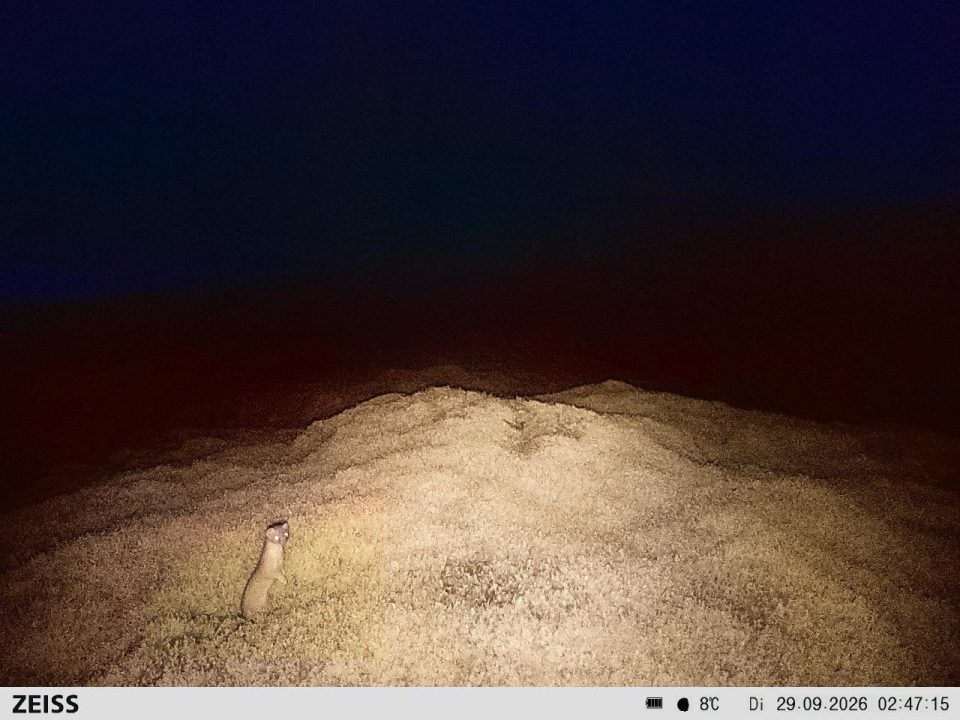
The first reports of a possible stoat on Rousay, north of Orkney Mainland, were made in April, with its presence confirmed by a trail camera in May.
The operation to catch it involved targeted trapping, dog searches, AI-assisted trail cameras and support from trained local volunteers.
DNA analysis of droppings had indicated the animal was male, which was confirmed when it was caught.
The ONWP said there were currently no signs of female stoats breeding on Rousay or a population becoming established on the island.
It added that it was “increasingly confident” the incursion had been limited to a single animal.
Alice Head-Rapson, an ONWP trapper who set the trap that caught the stoat, said the response had tested the team’s skills.
She said: “This incursion response was a test of our skills, but everybody at the project stepped up to meet the moment.
“My teammate, Benjy, and I spent the summer and autumn monitoring as much of Rousay as we can and expanding our trap networks, with a focus on sighting hotspots like the Loch of Loomachun. Our work has certainly paid off! It’s still important we guarantee with complete confidence that the stoat we’ve trapped was the only one, but our achievement here is a big deal and we hope that will help to keep nature safe across all of Orkney.
“Working with the island community has been a privilege, and we’re really grateful for all the support the volunteers there have shown for native wildlife.
“It’s still important we guarantee with complete confidence that the stoat we’ve trapped was the only one, but our achievement here is a big deal and we hope that will help to keep nature safe across all of Orkney.”
The project said monitoring would continue at high intensity over the coming weeks and months to check for any further stoats.
It is not known how the animal reached the island, although stoats are capable of swimming across open water.
The ONWP, a partnership between RSPB Scotland, NatureScot and Orkney Islands Council, is working to eradicate stoats from Orkney as part of a major conservation project.
More than 9,100 stoats have been removed from the islands to date, with the aim of protecting native wildlife, including the Orkney vole, hen harriers, short-eared owls and other ground-nesting birds.
Follow STV News on WhatsApp
Scan the QR code on your mobile device for all the latest news from around the country