 STV News
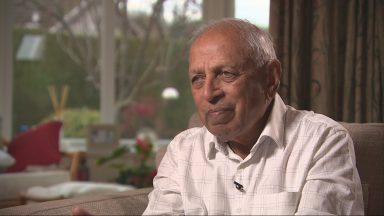
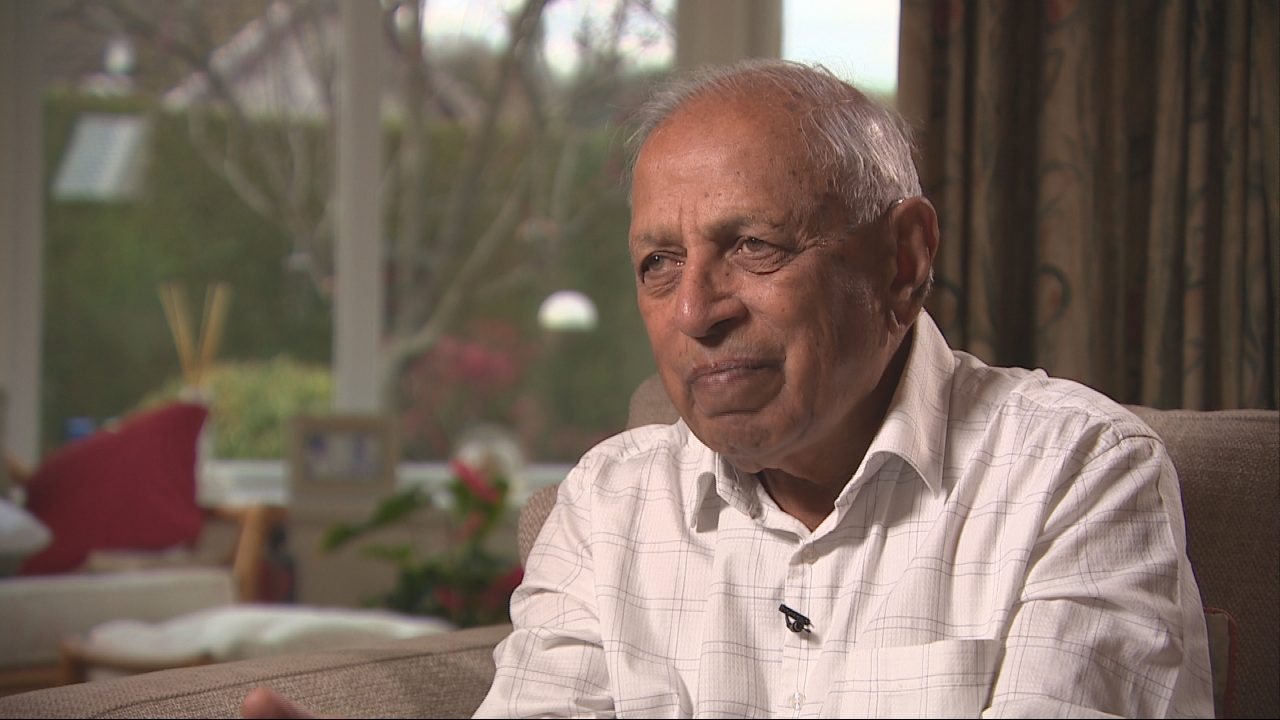
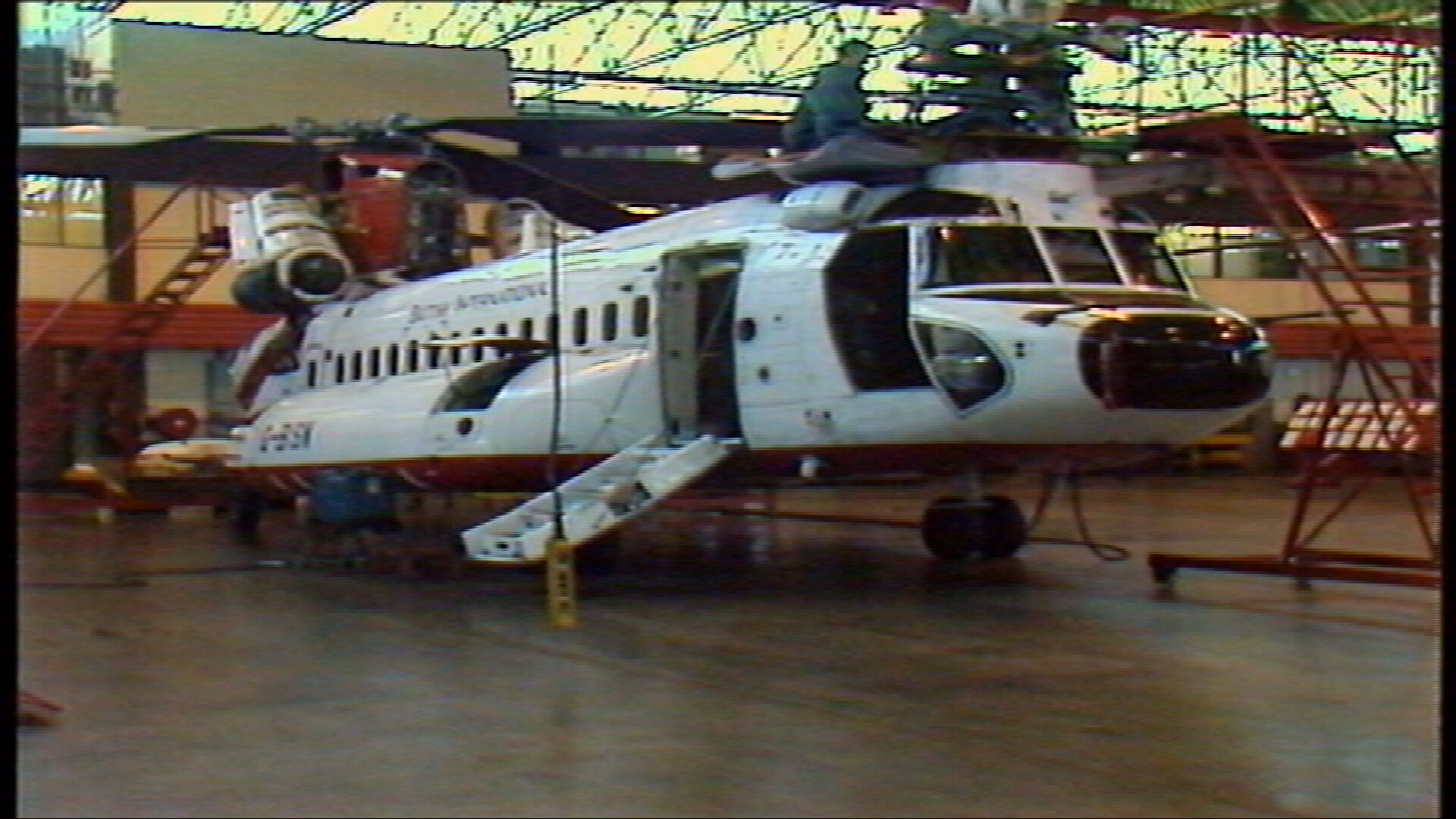
The captain of a Chinook helicopter that crashed into the North Sea 40 years ago, killing 45 people, has spoken of the guilt he felt over being one of only two survivors.
It has been four decades since the UK’s worst helicopter disaster, which claimed the lives of 43 passengers and two crew off the coast of Shetland on November 6 1986.
Relatives, survivors and offshore workers are expected to gather in Aberdeen on Saturday for a special memorial service marking the 40th anniversary of the tragedy.
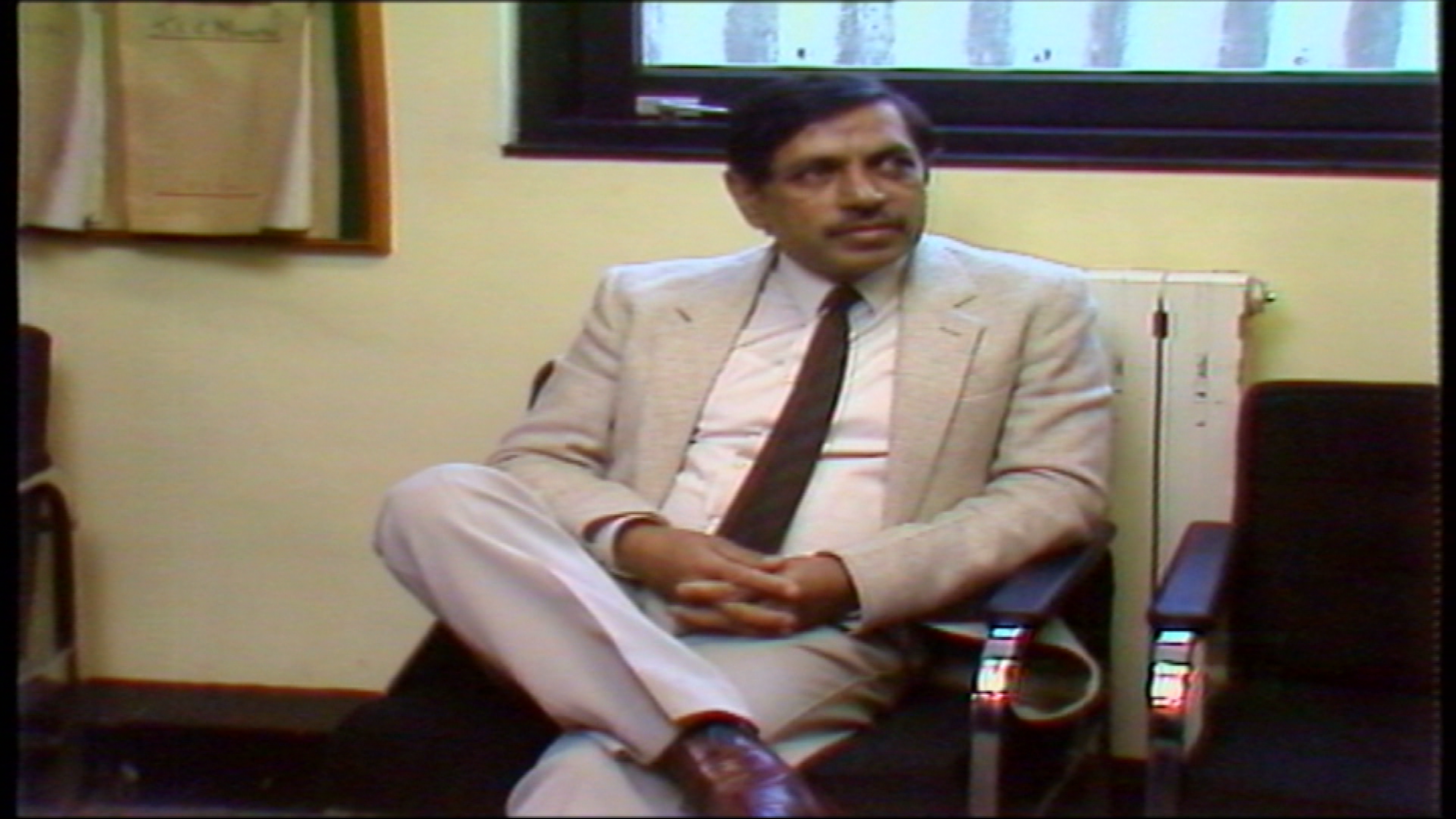
Captain Pushp Vaid, then aged 45, and 20-year-old oil worker Eric Morrans were the only ones who survived.
Mr Vaid was at the controls of the Boeing Vertol Chinook on a return journey from the Brent oilfield to Sumburgh Airport when disaster struck. In a tragic twist of fate, he was flying alongside co-pilot Neville Nixon, who had swapped shifts that morning to gain extra flying time after spending a few years away.
 STV News
He recalled a last-minute stop at Brent Alpha to deliver a package added around ten minutes to the journey.
“If that third landing was not there, it would have been on the ground before the accident happened,” he told STV News.
The crew were only four or five miles from Sumburgh and had descended to around 1,000 feet when they heard a screeching noise coming from the gearbox.
Moments later, they heard what Mr Vaid described as an “almighty bang”.
“The front gearbox broke up and the two rotors were hitting each other,” he said.
 STV News
“I could see the sky. It was as if I was a fighter pilot going vertically up, but we were going vertically backwards.
“Then I pushed the cyclic forward and I could see the sea again.
“I thought the helicopter was behind me, but actually the whole helicopter was still going backwards. Only the cockpit was going forwards.”
When the aircraft hit the water, the main cabin took the brunt of the impact while the cockpit broke away.
“I didn’t feel it. It was like going into the water, like I had just dived from ten feet.”
Mr Vaid escaped the flooding cockpit through a window and surfaced, clinging to wreckage as he waited for others to emerge from the water.
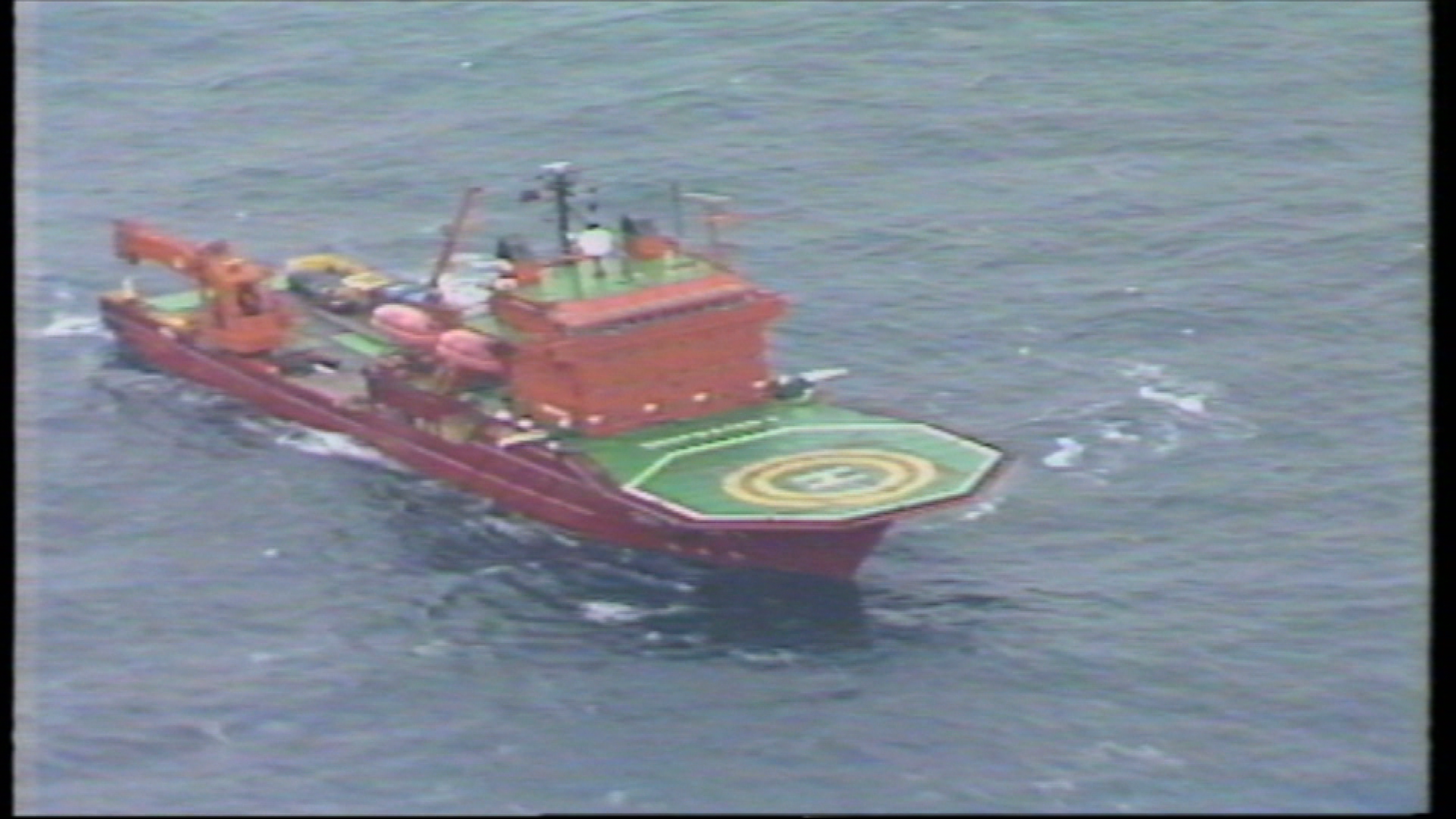
By coincidence, a Coastguard rescue helicopter was taking off from nearby Sumburgh Airport on a training exercise, allowing rescuers to arrive at the scene almost instantly.
 STV News
It was only later at the hospital in Shetland, when Mr Vaid asked doctors if anyone survived, that he was told only two people had made it out alive.
The only other survivor was trainee technician Eric Morrans, who was also winched to safety within ten minutes and is understood to have left the industry to work abroad afterward.
Additional lifeboats and vessels were deployed to the scene, but no other survivors were found.
A major recovery operation was then launched to retrieve the bodies of the 45 victims from the North Sea and salvage the aircraft wreckage from the seabed for the investigation.
Investigators later discovered the helicopter had suffered a catastrophic gear box failure which caused its twin rotors to become desynchronised and collide.
The disaster remains the deadliest helicopter accident in British aviation history and had a profound impact on the offshore oil and gas industry, leading to the withdrawal of Chinooks from offshore passenger operations and prompting wider safety overhauls.
Forty years on, Mr Vaid still struggles with the fact he survived when so many others did not.
 STV News
He said: “I used to feel guilty that I was alive. I was in charge of the whole aircraft as the captain.
“For a year I couldn’t get over it. I still go to church, to temple, wherever God is.”
Despite the trauma of the disaster, Mr Vaid eventually returned to flying after undergoing medical and psychological assessments.
He spent another 20 years flying helicopters and retired after 44 years in aviation.
Asked why he survived, Mr Vaid said he still has no explanation.
“There’s zero reason. Just pure luck.
“There’s absolutely no answer as to how I survived. Nobody can understand how anybody walked out.”
Since the tragedy, he has devoted much of his life to charity work, and is a member of the Westhill Rotary Club.
“I think I’ve been given another chance to be around,” he said. “I may as well help the community.”
The names of those who died are inscribed in the Oil and Gas Industry’s Book of Remembrance housed at the Kirk of St Nicholas in Aberdeen and a memorial near Sumburgh Airport in Shetland.
Follow STV News on WhatsApp
Scan the QR code on your mobile device for all the latest news from around the country