 LDRS
LDRSAn Inverness family faces having to travel more than 230 miles to see their teenage daughter who is in out-of-area residential care.
A Freedom of Information Request (FOI) has revealed that there are currently 26 Highland children living elsewhere in the country due to a lack of suitable residential care provision here.
They can require this level of specialist care for various individual or family circumstances not just for complex or additional needs.
Children have been placed in care facilities in Dumfries and Galloway, East Dunbartonshire, Fife, North Lanarkshire, Perth and Kinross, Renfrewshire, Stirling and West Lothian.
 LDRS
LDRSLast financial year the cost of these placements totalled over £7.4m, with an average annual cost of £166,427 per child.
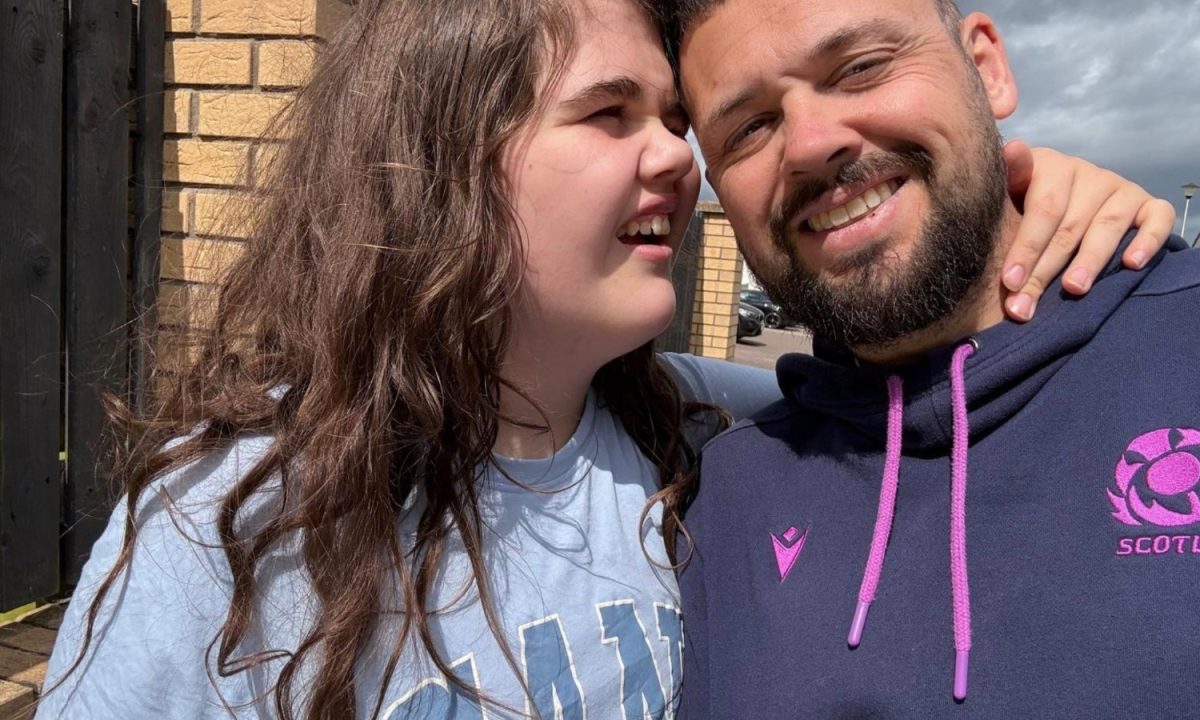
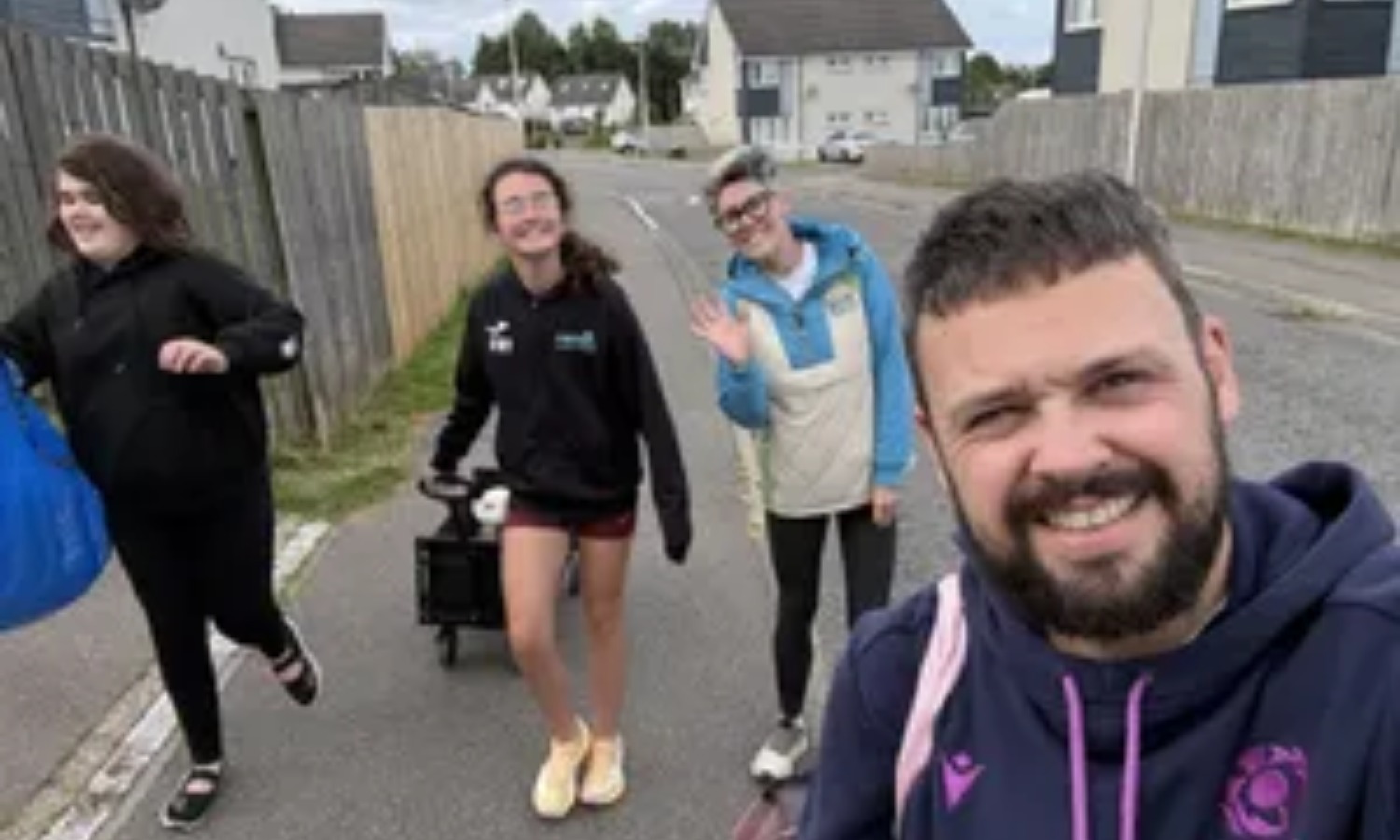
Iain and Jaime McNab along with their daughter Ivy (12) face a regular ten-hour round-trip to visit Sophie (13), who has complex needs and was placed in a full-time residential care facility over 230 miles away in Annan, Dumfries and Galloway during the summer.
Jaime, Sophie’s stepmother, said full-time care became their only option due to a lack of before and after school provision in the Highlands.
She said: “If Sophie hadn’t gone there, the only other option was for one of us to give up work.”
And Iain added: “I mean, we could have said ‘no’, we had that option, but when I say we ‘had the option’, there wasn’t another suitable alternative.”
At the time of speaking, the family were yet to see Sophie after a decision made with carers that this would be best for helping her to settle in.
Due to her being non-verbal, phone calls are also difficult though the family were in the process of trying to set up a video call with her.
Trying to arrange regular visits is something the family is still trying to figure out.
Iain said: “What we don’t want to do is go down so frequently that it upsets her, but equally we don’t want to go down so infrequently that it upsets her.
“We can’t see her as frequently, can’t see her for short spells. It would have to be long weeks, or a week at a time, because it’s essentially a ten-hour round trip in a car, and taking Sophie from there, to take her back a day later is quite long for her.
“We are kind of limited in how often we can see her, and for what duration, factoring in the cost of mileage, and travel, and potentially having to take time off work, whereas if she was local, it would be dead easy to bring her back for a weekend, and we could have much more frequent contact over short spells with her, rather than having to plan a long trip and a week’s holiday essentially.”
Iain and Jaime explained how Sophie can struggle if someone she associates with a certain place is not where she would expect them to be, adding an element of apprehension to any upcoming visit.
Jaime said: “Previously, when we used to drop her off for respite, as soon as she saw that physical building it was time for us to leave because, for her, that building comes with carers.
“We’re not sure how much she’ll actually tolerate us even being in the property where she is, because to her that’s where she is with carers, and we would have her at home.”
Before Sophie moved to full-time care, she would be dropped off for respite, splitting her time between The Orchard in Broom Drive in Inverness and her home in the Leachkin area of the city.
But during most of July – due to a lack of availability – a short-term let had to be rented out as alternative respite.
Iain said: “I think it was about four or five weeks where she split time between our house, a couple of nights a week at The Orchard and then a couple of nights a week at this Airbnb with agency carers, which she managed.
“There wasn’t any major issue, but obviously all those changes were quite unsettling for her.”
The family are incredibly grateful for the staff that care for Sophie – “They’ve been so supportive, they’ve worked really hard to try and get some provision in place,” Iain said – but the challenge of what now lies ahead is taking its toll.
“We all have our moments of being OK and then being less OK,” Iain said.
The family hopes Sophie will be able to come back to Inverness once building work to increase capacity at The Orchard has been completed, but this is set to take up to nine months and Iain said he was not “hugely confident” that timescale would be met.
A spokesperson for Highland Council has said it cannot comment on individual cases but “we do recognise the impact of out-of-authority placements on both children and their parents/carers” as well as the associated cost to the council.
Explaining its aim to increase capacity for care within the region, it said it was working to increase capacity at The Orchard from four to eight beds, with a planned completion date of autumn next year.
“At this time, this is believed to be a realistic timeframe,” they said.
And they added the council’s “shifting the balance of care strategy is designed to significantly reduce use of out-of-authority placements” more widely.
“This is a five-year strategy in recognition of the scale of the project, which includes developments in kinship, fostering, residential and short-break/respite care coupled with early intervention and prevention initiatives to support more children remaining living at home with parents/carers,” they said.
Follow STV News on WhatsApp
Scan the QR code on your mobile device for all the latest news from around the country