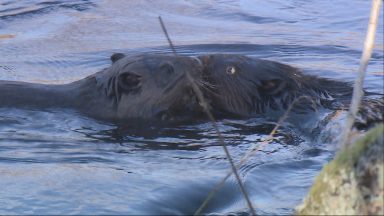
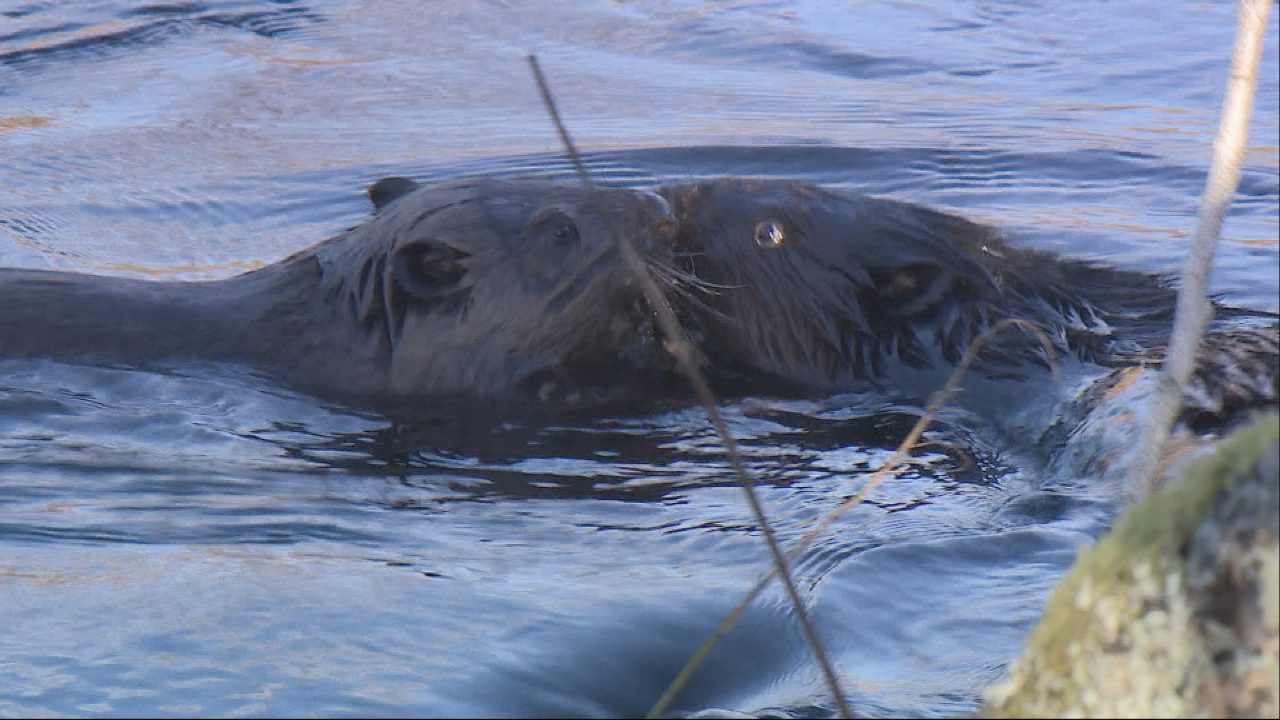
Beavers have returned to waters around Loch Ness 500 years after being locally hunted to extinction.
A family of six has been released in a secluded spot near the loch in the latest of a series of reintroductions in Scotland.
They’re the first beavers in the area for five centuries, with their last recorded sighting dating from 1526 to 1527.
It’s the latest rewilding courtesy of charities, Trees for Life and the Beaver Trust.
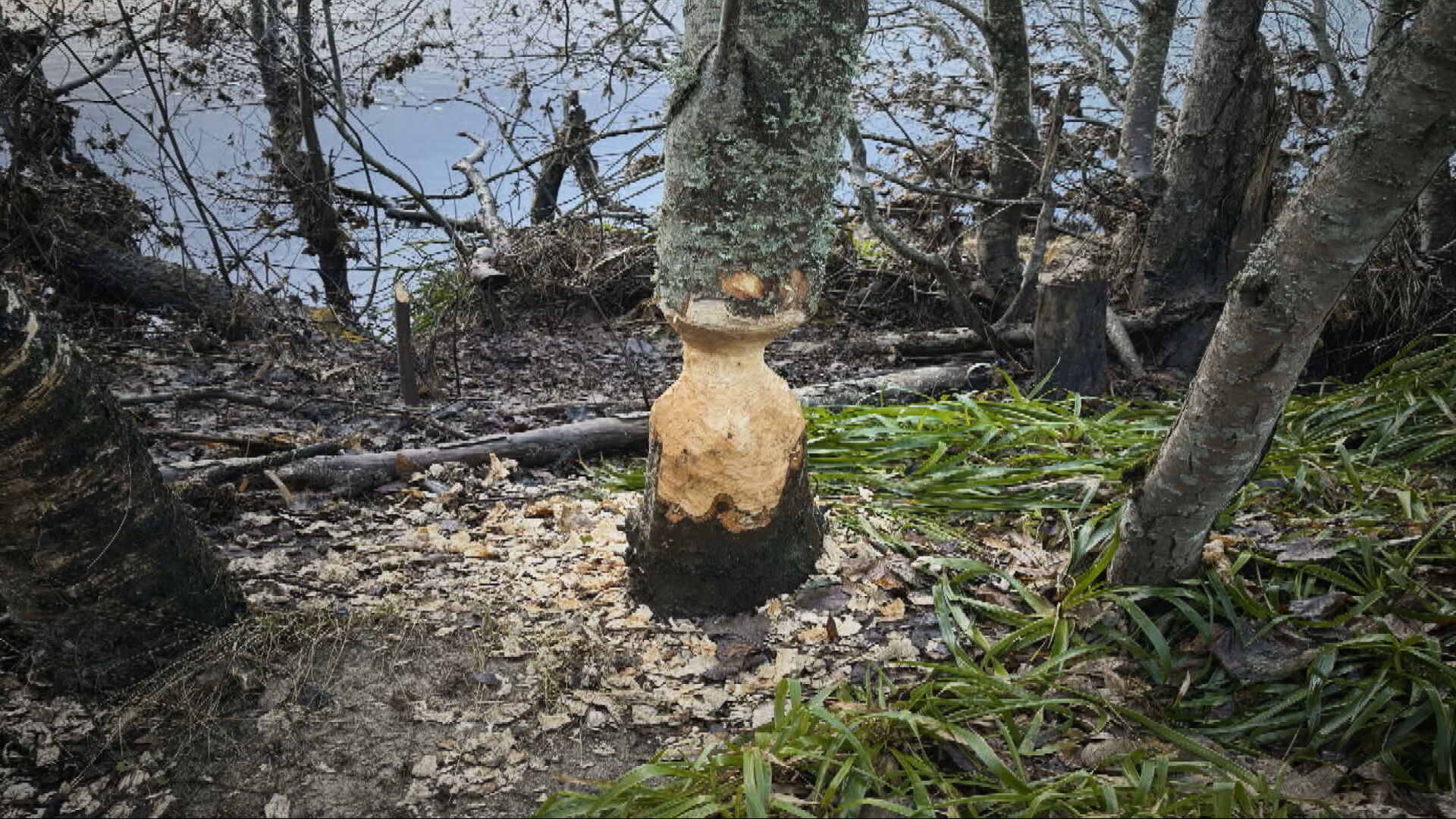
Trees For Life’s head of nature restoration, Alan McDonnell, said: “They generate a lot of benefits for other wildlife and for nature. They put dead wood into the system, they help nutrients flow into the system.
“That comes right down to the basic food chains. And so for those kind of benefits starting with insects they build all the way up into the food chain, so they really help the rest of nature and that’s why their known as keystone species.”
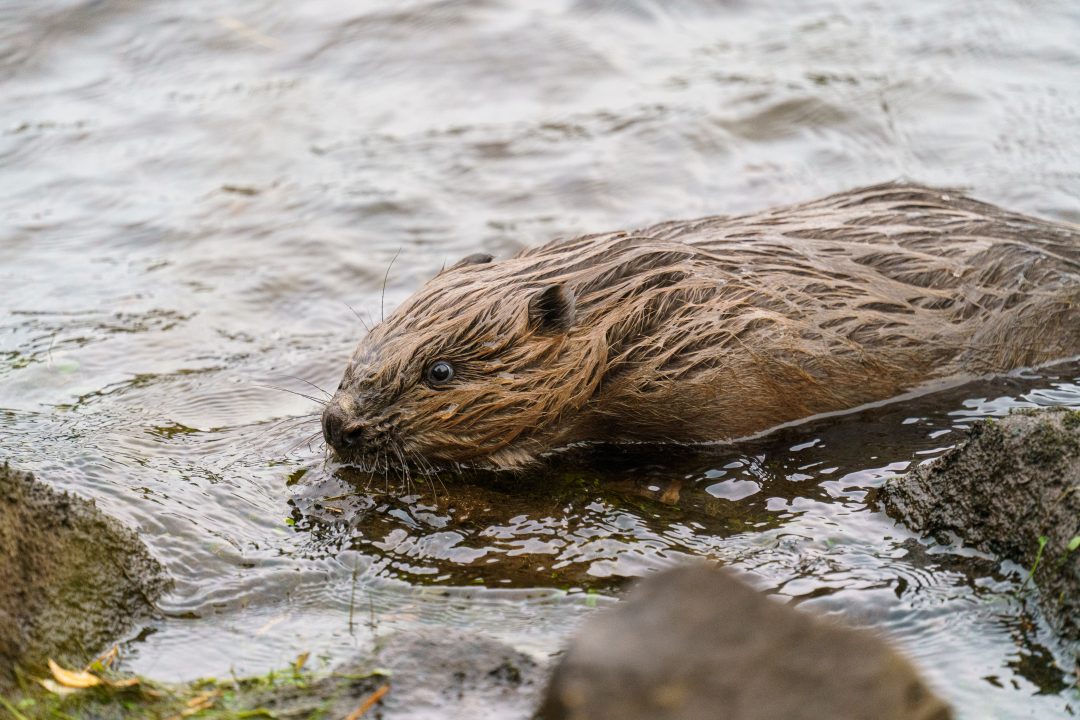
The family consists of a mother beaver, a couple of juveniles that are around two years old, and three young beavers who were born earlier this year.
They are the first of 15 family groups to be introduced to lochs, lochans and rivers within range of Loch Ness over the next three years. The initiative promises to breathe new life into the landscape, boosting biodiversity and eco tourism.
Beavers Trust head of restoration Roisin Campbell-Palmer said: “We couldn’t have picked a better day. This is a lovely quiet spot, loads of food. So, I think it went really well.
“The animals seem relaxed. They’ve been swimming around. They’ve come together and met each other, so I think that’s one of the key things that we want to see.”
 STV News
Amid the excitement, not everyone’s celebrating.
Some farmers and crofters have counted the cost the creatures have had on the landscape.
Robert MacDonald, from National Farmers Union Scotland, said: “I know farmers that are unable to grow high value crops next to the River Tay now because of the risk.
“They can’t stand the risk of the beavers burrowing through the embankment and the fields being overwhelmed with water.”
The charities have promised monitoring and mitigation where necessary.
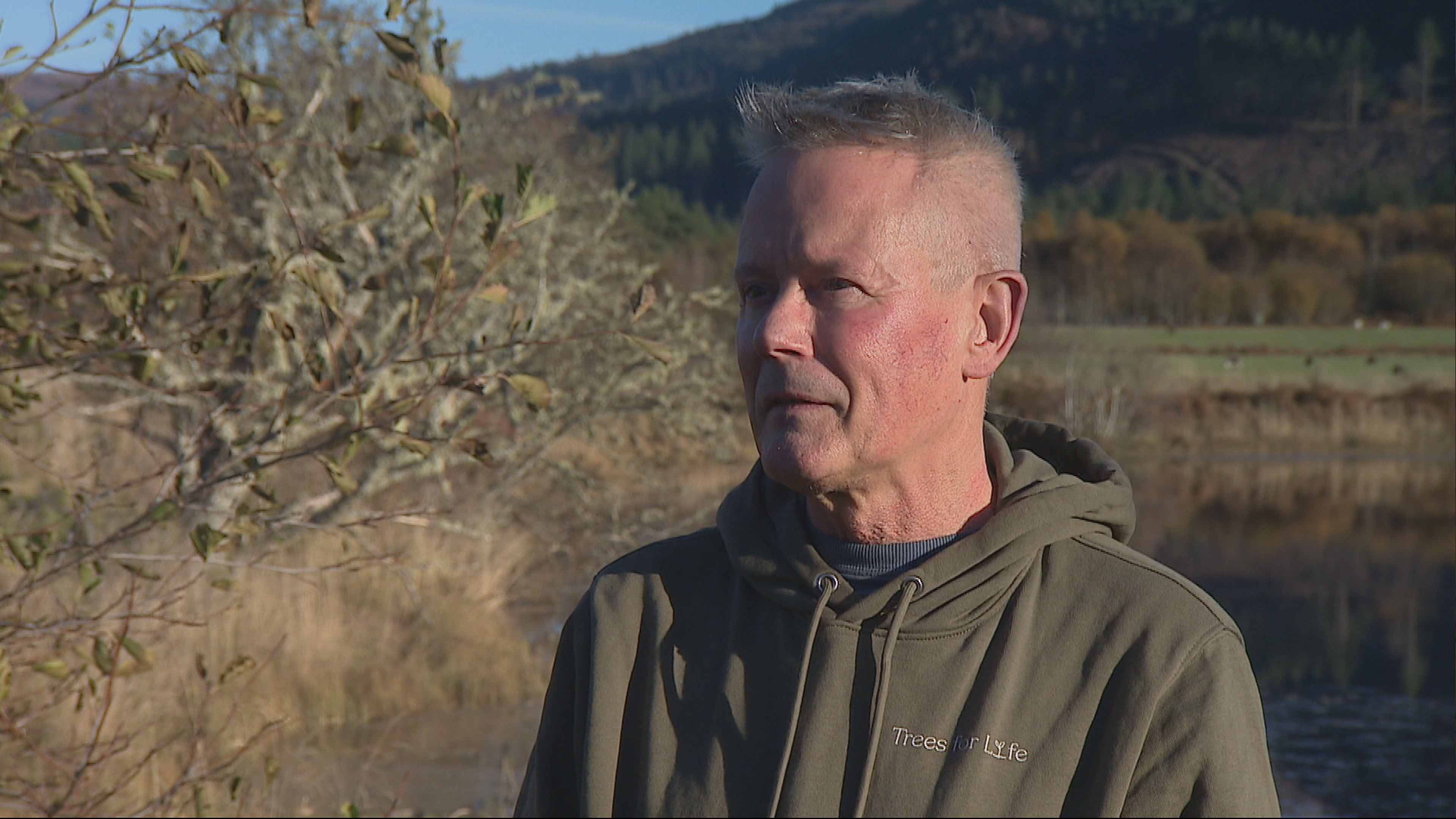
Trees For Life executive chief Steve Micklewright said: “The Cairngorms National Park Authority look after the beaver situation on the Spey and they have committed to be there for the long term.
 STV News
“We’re doing the same in Trees for Life. We’re saying this is something that we have really promoted and it’s our responsibility to make sure that we can learn to co-exist with these animals, so we’re saying that we will be here for the long term as well.”
The charities said future reintroductions will be announced after the animals have been safely released, allowing them to settle into their new homes without disturbance.
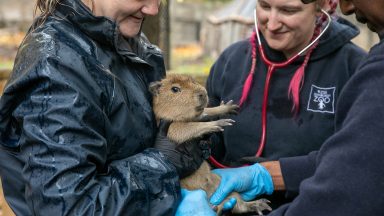
Before release, the animals undergo health checks at the specialist beaver holding facility at Five Sisters Zoo near West Calder.
Gary Curran, collection manager at the zoo, said: “Since Scotland’s first official reintroduction trial in 2009, growing wild populations of beavers have shown what is possible when people work together to restore a lost species.
“The return of beavers to Loch Ness, one of Scotland’s most iconic landscapes, marks a major turning point in this extraordinary national recovery, and we are delighted to be playing a role in this.”
Follow STV News on WhatsApp
Scan the QR code on your mobile device for all the latest news from around the country