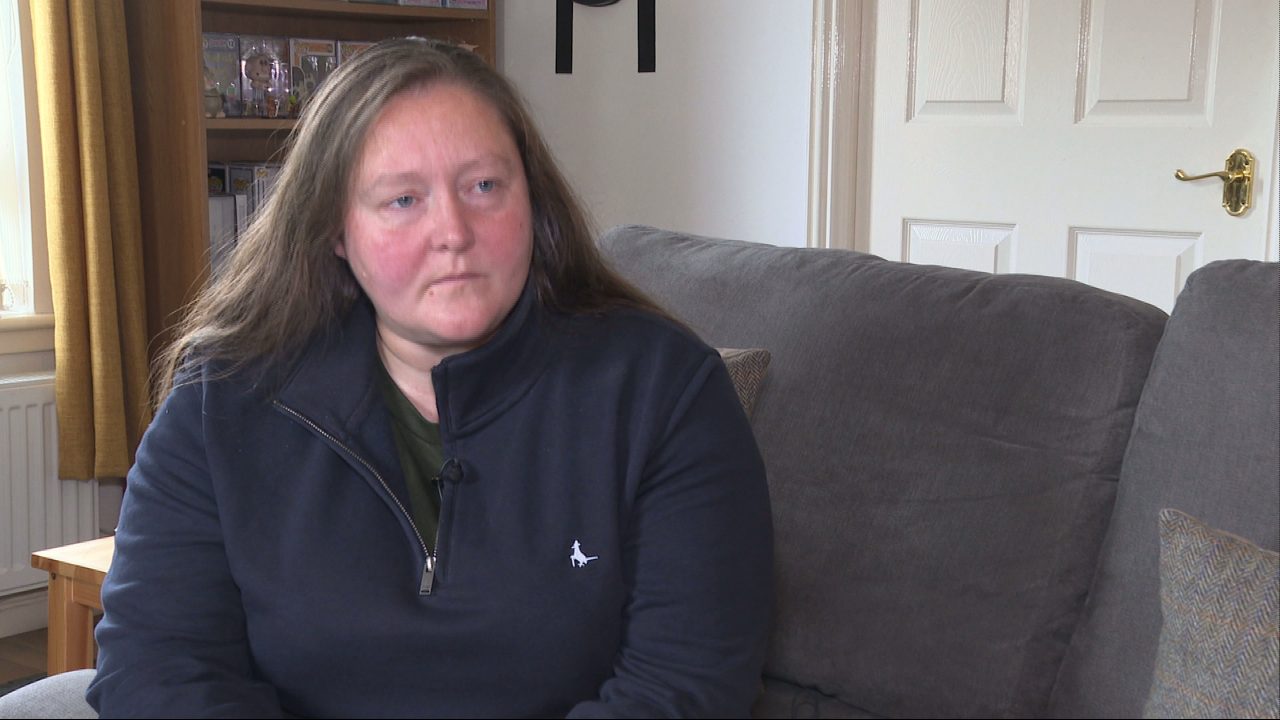
A woman diagnosed with bipolar disorder says new research into whether diet could help treat the condition could give patients more choices.
Natasha Wilson spent years seeking help before being diagnosed last year after moving between services and receiving different treatment.
She is now taking part in a £7.9m clinical trial exploring whether a ketogenic diet could help reduce depressive symptoms in people with bipolar disorder.
The study will investigate whether dietary changes can improve depressive symptoms, as well as looking at potential changes in areas such as brain chemistry.
UK research estimates that it takes an average of 9.5 years from first seeking help for symptoms to receiving a diagnosis of bipolar.
Natasha, a teaching fellow in physical activity and health at the University of Abertay, says she first sought help in 2020.
 STV News
She had experienced poor mental health during the pandemic including phases of hypomania, during which she exhibited “out of character” behaviour and at one point required a hospital stay.
She moved between services in England, Fife and Tayside, receiving different treatment along the way which she described as a “postcode lottery.”
Natasha was diagnosed last year after a five-year NHS wait.
“I felt a bit angry – like my 34 years had been a lie,” she told STV News. “I’d managed without medication all my life. There was also shame and embarrassment, because there’s a stigma around mental health.
“I kind of felt like I lost myself along the way. When you’re being told one thing, ‘you’re this you’re that,’ and I was like ‘I’m a person I’m not just a diagnosis.’
“Nobody was really listening and it was frustrating.”
She says the lack of understanding is one of the worst aspects of having bipolar disorder.
“A lot of people were like ‘Oh, it’s made up.’ Why would someone make up feeling so bad or depressed? It felt like banging your head against a brick wall.”
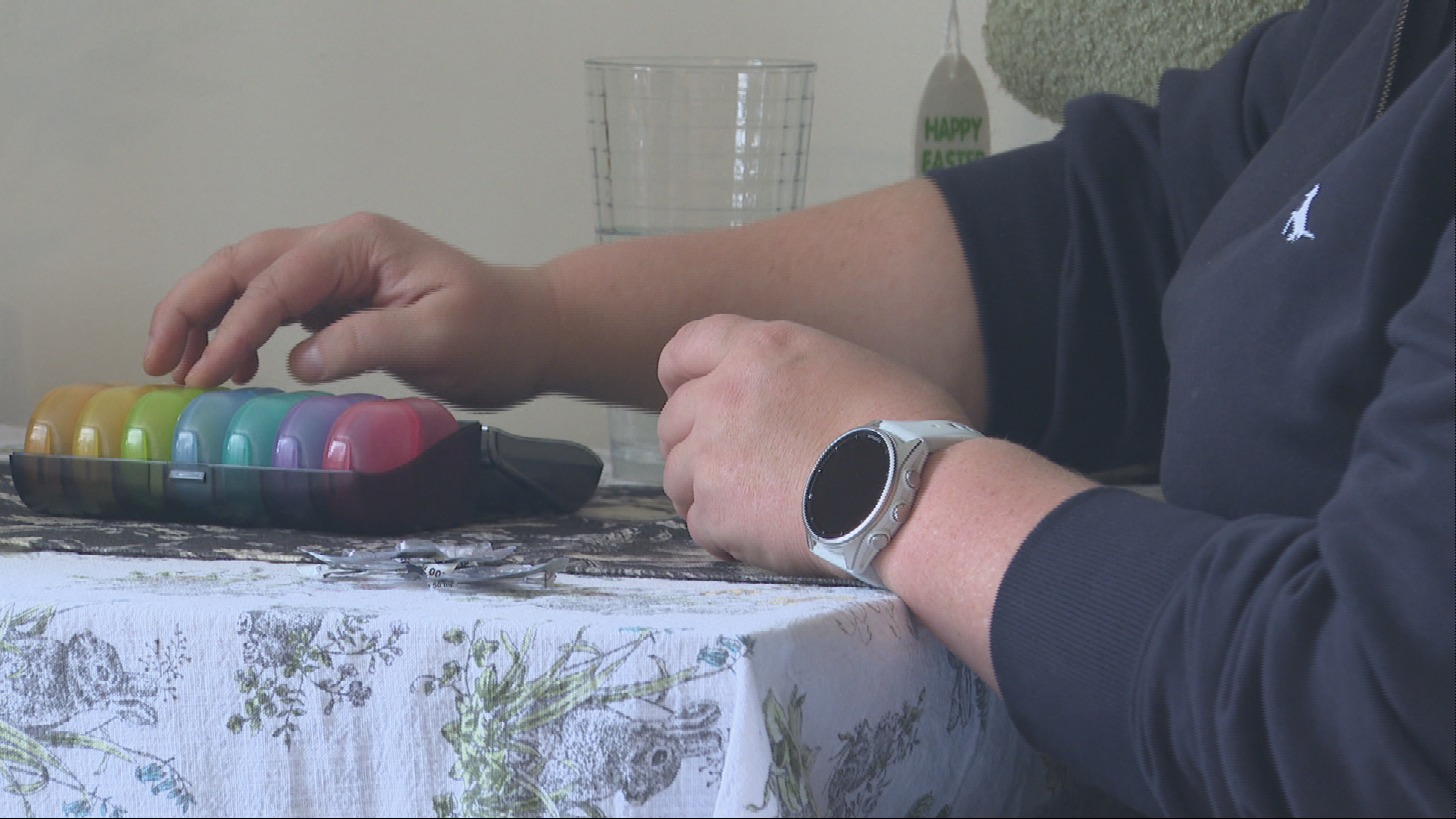
Natasha says she finally found the right medication for her last June. While it gives her brain fog, she finds the side effects are otherwise manageable.
“It’s probably the closest I’ve felt to being myself. I’m not as on the ball as I used to be, but I can go about my day, exercise and feel motivated.”
The ENERGISE-BD study explores whether dietary changes could play a role in mental health and aims to include around 200 participants from a variety of different backgrounds.
Natasha joined up after seeing an advert shared by Bipolar Scotland.
While she has always prioritised nutrition in relation to sports performance, she had not considered its effects on symptoms of her condition.
She hopes it might help identify additional options for people, whether alongside medication or an alternative.
“For me, the big thing is the hope for the future,” she said. “I want to make it better for the next person to get that diagnosis.
“The study itself is something that allows me to play to my strengths and understand it a bit more. Hearing other people’s experiences has made me feel like I’m not alone.
“If we find out dietary changes could work, I will shout it from the rooftops.”
 STV News
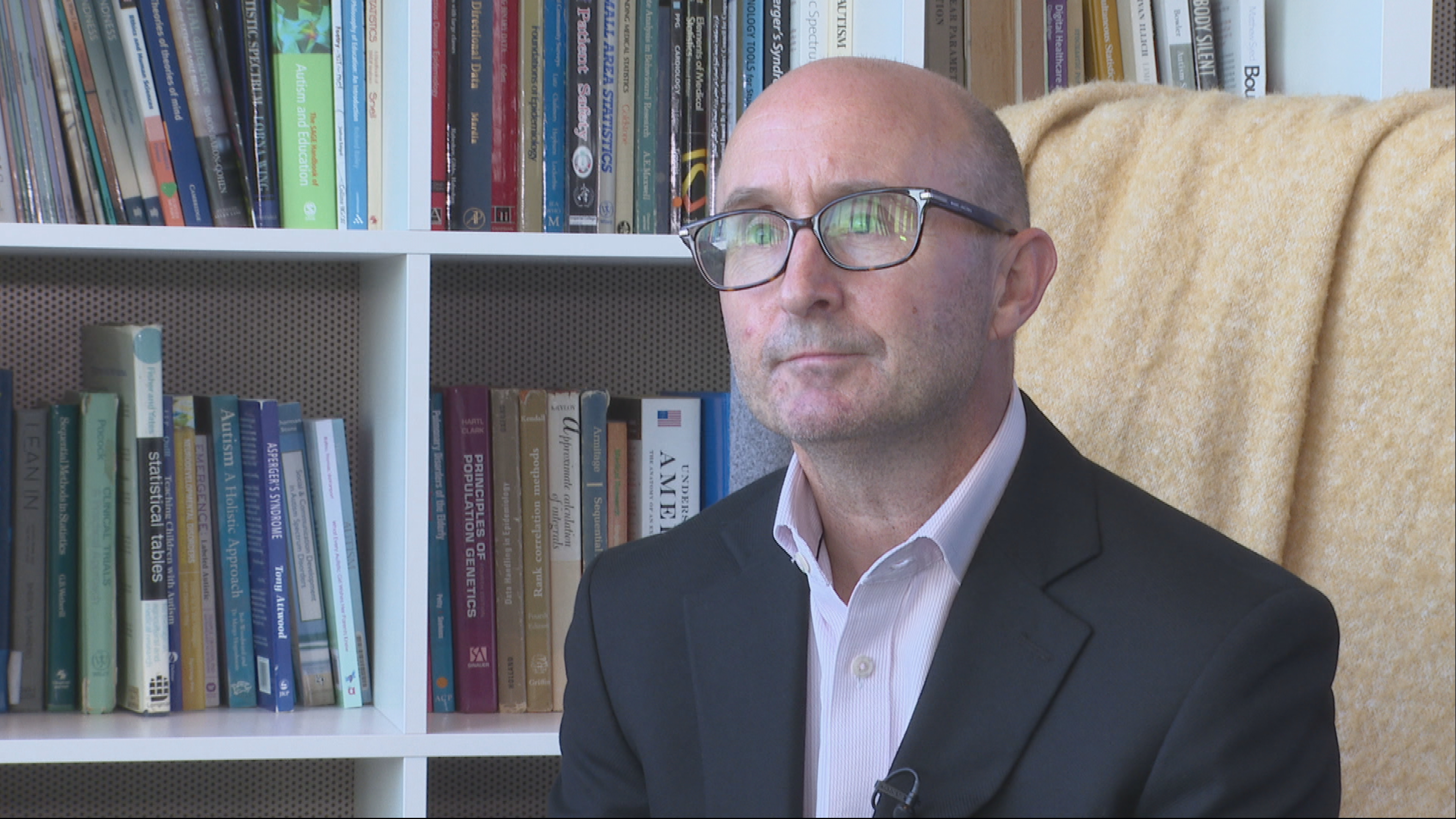
Professor Daniel Smith, Professor of Psychiatry at the University of Edinburgh, explains the randomised controlled trial will compare a ketogenic diet with the NHS Eatwell Guide in people with bipolar disorder experiencing depressive symptoms.
The research follows a smaller feasibility study which found people with bipolar disorder following a ketogenic diet reported improvements in mood.
Professor Smith stressed that while treating mental illness with nutritional approaches is “potentially game-changing,” researchers are not looking at diet as a replacement for medication.
“It’s another potential intervention that may be helpful in some people with bipolar, and we really need the evidence.
“Longer term, there’s growing recognition that diet, exercise and sleep are really important for maintaining mental health in all of us, not just for people with bipolar disorder.
“If it proves one of those interventions is effective compared to the other for depressive symptoms, that’s quite a big result in lots of ways. It changes the way we think about mental health, like bipolar disorder.
“I don’t think it will work for every patient, but it gives more hope about the kinds of treatments available to them and changes the way psychiatrists think about what causes mental illness.
“We need to be more holistic about how we approach treatment.”
‘A ten-year wait for diagnosis is devastating’
 STV News
Bipolar Scotland chief executive Maja Mitchell-Grigorjeva has welcomed the new study.
“To have innovative research happening in Scotland is really exciting. Research can bring awareness and greater understanding for people living with the condition.
“We can’t wait to support it and see what the outcome is.”
She says the ten-year average wait for a diagnosis has a “very real human impact.”
“That’s ten years of relationships affected, careers disrupted, finances and physical health which can be devastating,” she said.
“We don’t think waiting ten years for a diagnosis is inevitable. It feels like something we could work together to change.
“When we’re talking about delay, we also need to think about what comes after. It’s also about making sure that, when people get that diagnosis, people living with bipolar have access to timely, appropriate, person-centred care.”
Follow STV News on WhatsApp
Scan the QR code on your mobile device for all the latest news from around the country