The drownings of a 12-year-old boy and a 39-year-old man during water sports could have been avoided, a joint Fatal Accident Inquiry (FAI) has found.
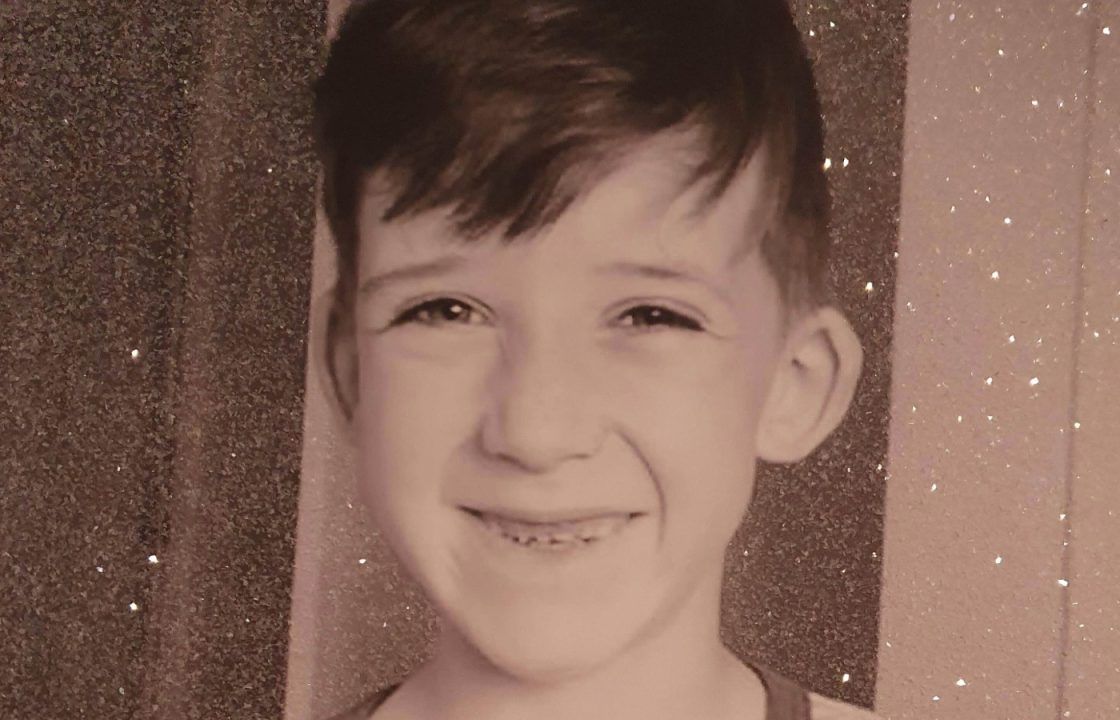
Kayden Walker, 12, from Bridgeton, died after becoming trapped on the upstream side of a weir while on a day trip with the Church House community group.
He was separated from his board during a riverboarding session on the River Tay, near the village of Stanley in Perth and Kinross, on July 28, 2019.
After being pulled from the water, he was airlifted to Ninewells Hospital in Dundee and was then transferred to the Royal Hospital for Children in Glasgow, where he died on July 29.
 COPFS
The FAI at Falkirk Sheriff Court followed the prosecution of Outdoor Pursuits Scotland Ltd in October 2024 for a contravention of health and safety legislation, which led to Kayden’s death.
The company was fined £10,000.
Ruaridh Stevenson, 39, from Cupar, Fife, also drowned after trying to help a client who experienced difficulties in the waters flowing through Dollar Glen, Clackmannanshire, on April 13, 2024.
Mr Stevenson was a director of a company which offered “canyoning” experiences on Scottish rivers.
Prosecutors have said the deaths of the two individuals took place in similar circumstances, as they were both taking part in water-based outdoor activities.
What did the joint inquiry find?
In his determination, Sheriff Keith O’Mahony identified precautions which might realistically have prevented both deaths and made recommendations aimed at improving safety in adventure water activities.
These include consideration of whether commercial riverboarding activities involving children should be brought within the adventure activities licensing regime and the development of additional guidance for activity providers.
In relation to Kayden’s death, the Sheriff found that the hazards associated with Stanley Weir could have been avoided by leaving the river and bypassing the weir.
He also found that the operator’s risk assessment did not adequately identify and address the risk of entrapment at the weir or establish an appropriate system of work to manage that risk.
He further found that maintaining one instructor above the weir and one below it until all participants had passed safely was a reasonable precaution which might realistically have avoided the accident.
“This would have provided supervision and rescue cover on both sides of the hazard. That formation would have materially reduced the risk at the weir,” the inquiry found.
Kayden’s limited swimming ability was known to Church House and to those responsible for delivering the riverboarding activity at Outdoor Pursuits Ltd, the inquiry found.
The inquiry noted: “Kayden had previously taken part in several organised water-based activities, including kayaking, paddleboarding and whitewater rafting. Although he had limited swimming ability, those who observed him during previous activities described him as enjoying water sports and as being confident in the water. That previous experience appears to have been one of the factors relied upon in assessing him as suitable to participate in the event which ultimately led to his tragic death.”
Sheriff O’Mahony found that once an emergency was identified, “all that reasonably could be done to rescue and resuscitate Kayden was done”.
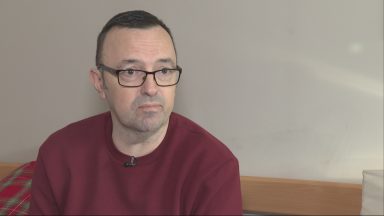
Ruaridh Stevenson
In relation to Mr Stevenson’s death, the Sheriff found that the canyoning trip should not have entered the “Witches Cauldron” or the “Devil’s Cauldron” in the prevailing conditions.
Mr Stevenson entered the plunge pool to assist a client he was guiding who had become caught in the turbulent water beneath the waterfall.
He was described as an “experienced and qualified” guide.
 Adobe Stock
Mr Stevenson had attended the Glen the day prior, following several days of heavy rainfall, to assess the conditions. He decided to proceed with the tour.
The Sheriff noted: “The excursion could have been postponed, relocated to another suitable venue, or conducted by a route which omitted the cauldron.”
He also found that the availability of an effective bank-based rescue system, such as a reach pole or pre-rigged throw line, was a precaution which might realistically have avoided the death.
Sheriff O’Mahony also recommended strengthened site-specific risk assessment and further safety measures at Dollar Glen.
The purpose of a Fatal Accident Inquiry (FAI) is to establish the circumstances of the death and to consider what steps, if any, may be taken to prevent other deaths in similar circumstances.
Unlike criminal proceedings, FAIs are inquisitorial in nature, and are used to establish facts rather than apportion blame.
Debbie Carroll of the Crown Office and Procurator Fiscal Service, Scotland’s death investigation authority, said: ”This determination identifies important lessons for the adventure activities sector and those responsible for its regulation and oversight.
“The Sheriff’s findings highlight the importance of robust risk assessment, effective safety controls and careful management of site-specific hazards.
“Our thoughts remain with the families and friends of Kayden Walker and Ruaridh Stevenson.”
A spokesperson for the National Trust for Scotland, which cares for Dollar Glen where the incident involving Mr Stevenson happened, said: “We are aware of the sheriff’s decision in this tragic case. Our sympathies are with everyone affected.”
A Health and Safety Executive spokesperson said: “Our thoughts remain with the families and loved ones of Ruaridh Stevenson and Kayden Walker following their tragic deaths.
“We supported the Fatal Accident Inquiry and will carefully consider the sheriff’s determination and recommendations.
“We are reviewing the findings in detail, including those relating to the scope of the Adventure Activities Licensing scheme and guidance for commercial providers, and will respond fully in due course.”
Follow STV News on WhatsApp
Scan the QR code on your mobile device for all the latest news from around the country