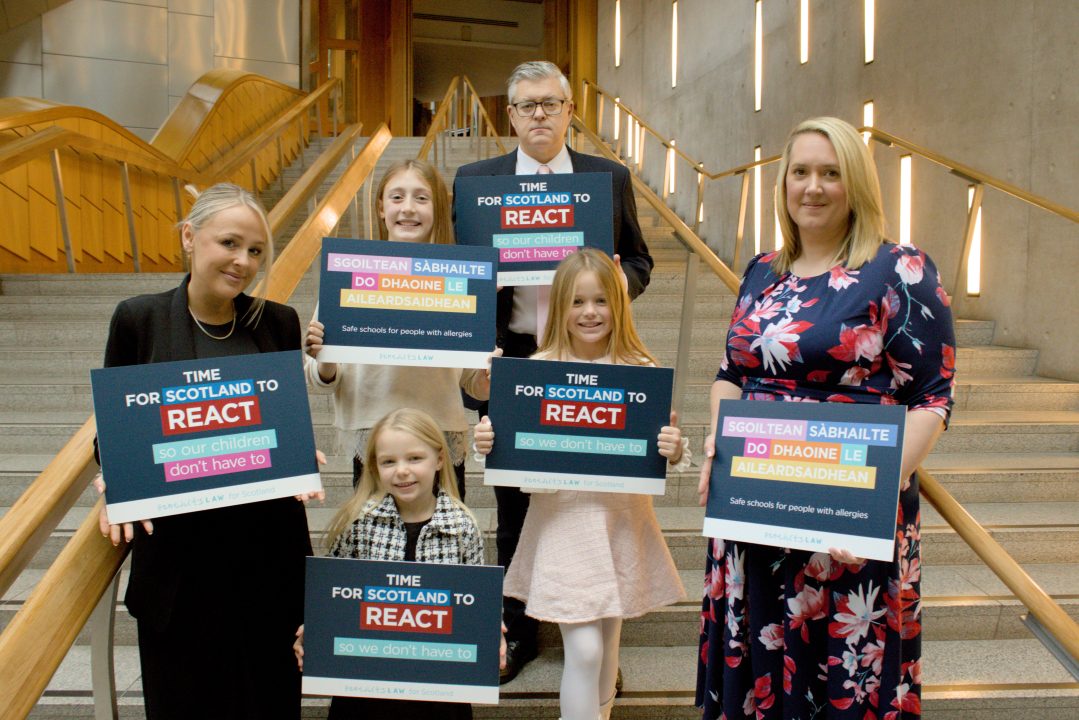
A Midlothian schoolgirl who survived three life-threatening allergic reactions has handed Holyrood a petition backed by thousands for spare emergency EpiPens in Scottish schools.
Eleven-year-old Harriet Harris led calls for strict allergy safeguards and training in line with measures introduced in England under Benedict’s Law in September.
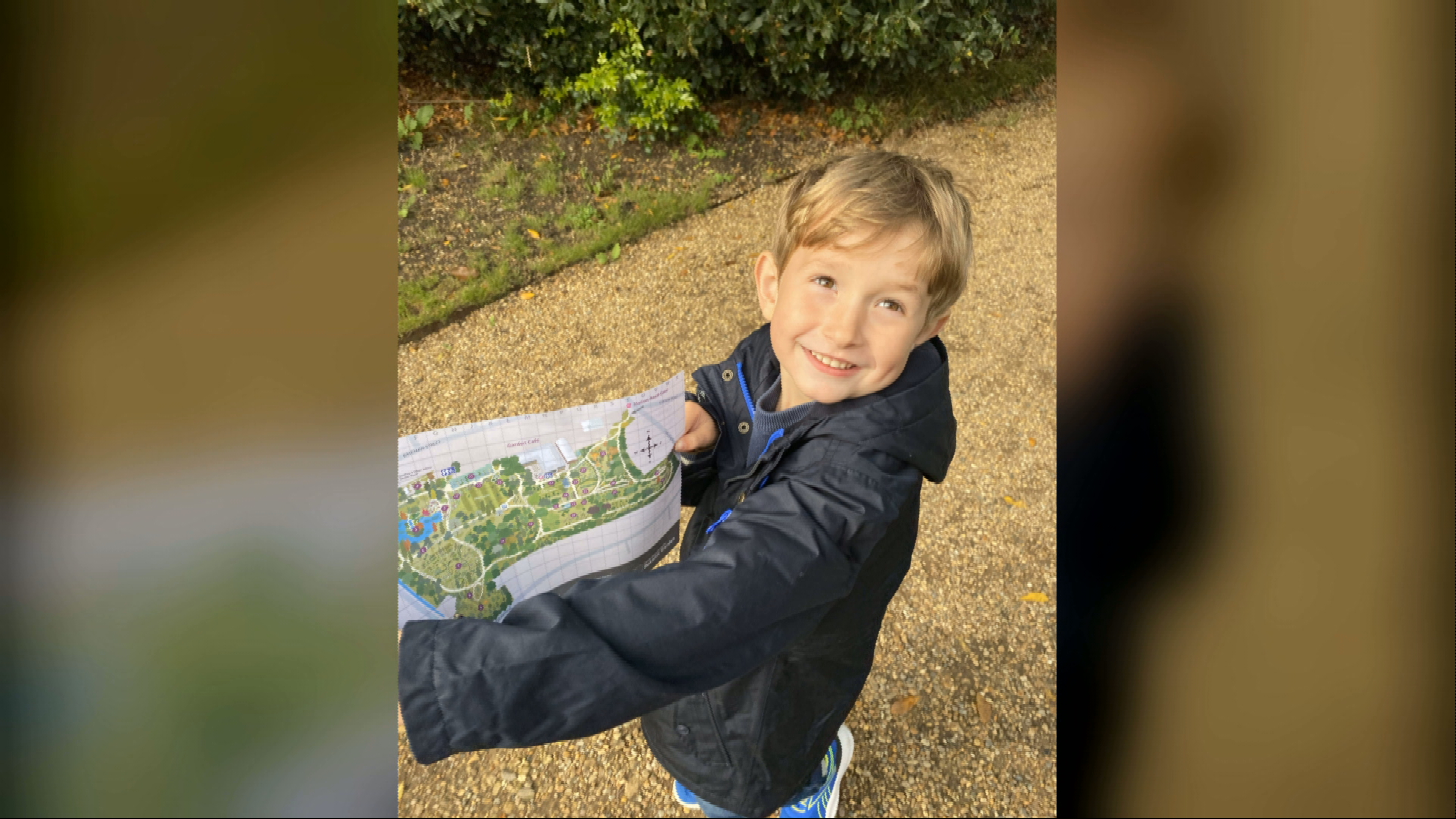
The campaign was born out of tragedy following the 2021 death of five-year-old Benedict Blythe, who died from anaphylaxis after being exposed to cow’s milk protein at school in Lincolnshire.
 Helen Blythe
 STV News
His family established the Benedict Blythe Foundation, partnering with medical professionals, allergy charities, and policymakers to close long-standing safety gaps in schools.
It comes after FOI figures the charity obtained revealed just under half (49%) of schools in Scotland do not have a formal allergy policy, with only 8% stocking a spare EpiPen for emergencies.
“Benedict went to school happy and healthy child, went to an event, and he died a couple of hours later from a severe allergic reaction,” said Benedict’s mum, Helen Blythe.
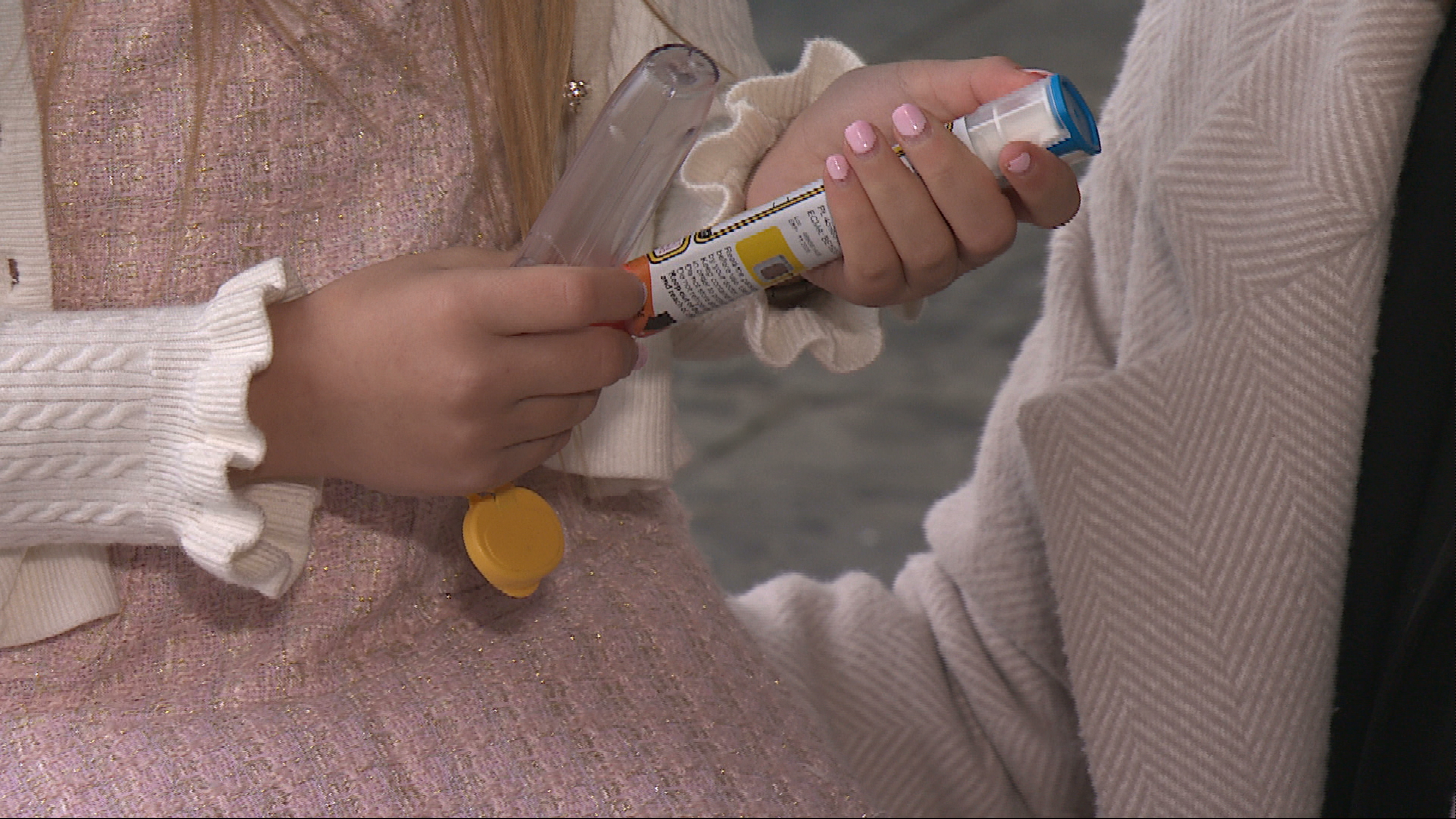
Benedict’s Law requires schools to have allergy policies, staff training, individual healthcare plans and spare adrenaline auto-injectors on site.
“We realised there were no mandatory allergy safeguards in place in schools and that was the gap we wanted to close.
“The need is no less strong in Scotland. Wait times are long, children are not necessarily diagnosed with access to their own allergy medication, which is why having that fallback is so important.
“We want to make sure no other family goes through what we go through.”
 STV News
A quarter of allergic reactions happen in school with no known history, while two children in every classroom in Scotland have an allergy.
The Foundation’s research found that, among the Scottish schools covered:
- Only 4.7% had all four safeguards in place.
- 49% had no whole-school allergy policy.
- 28% did not provide allergy training.
- 18% did not have individual healthcare plans in place for pupils with allergies.
- Only 8% stocked spare adrenaline pens for emergencies.
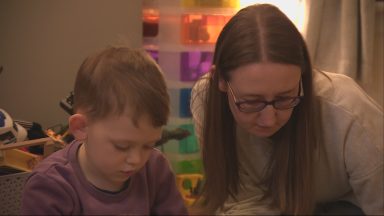
Harriet’s family first discovered she had allergies when she was 18 months old.
She has had three life-threatening allergic reactions – twice at restaurants and another handling bird feed while feeding the ducks.
Their home is kept completely nut-free, meaning Harriet’s sister Verity has never been tested or exposed to nuts at home for Harriet’s safety.
The youngster carries her EpiPens in a small handbag everywhere, obsessively checks menus, and her family sticks to the same trusted restaurants and hotels.
At her primary school, one teacher took it upon herself to undertake EpiPen training so she could support Harriet if needed.
But she moves up to high school next year, which her mum describes as a “scary transition.”
 Amy Harris
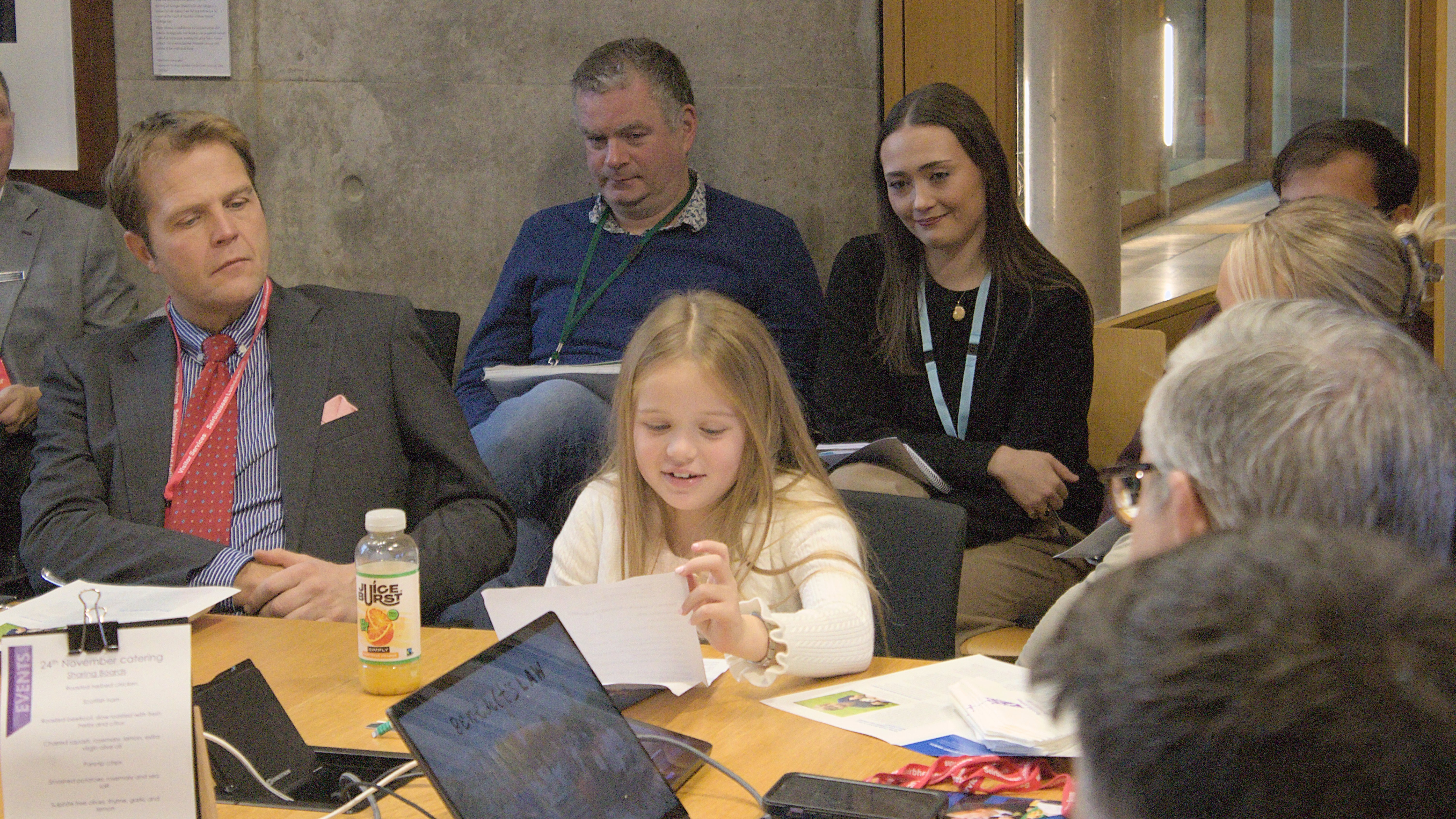
Amy said: “She’s had three close calls, she is so very careful now. She keeps herself in a very safe buffer, which is why we’ve been lucky not to have had another reaction.
“But we worry. Every phone call or email we get from the school, we wonder if it’s an allergic reaction.”
Amy believes the law could save lives, and will reassure parents of children with allergies that they will be safe at school.
“We’d love Benedict’s Law to pass so she’s surrounded by trained adults, not relying on friends to keep her safe. Harriet should feel as safe as anyone else going to school.
“I would ask: look at Benedict’s face, Harriet’s face. Does she has to be a statistic for someone to take notice?”
Harriet said: “I think this is very important, as it can cost somebody their life. They should listen.”
A Scottish Government spokesperson said: “Benedict’s story is a tragedy and Ministers’ thoughts remain with his mother Helen and his family and friends. We take the safeguarding of all children with allergies extremely seriously and we have been looking closely at the steps being taken to deliver Benedict’s Law in England.
“Schools in Scotland already have the power to provide medical support, such as EpiPens, and national guidance is in place to ensure the safety of pupils with food allergies. This guidance also makes clear that schools must arrange specialist training for staff to administer emergency medication like EpiPens.
“We want to ensure that all necessary safeguarding of children is in place, which is backed in Scotland by a suite of legislation. We will be writing to local authorities to remind them of their duties and will review our current guidance on healthcare in schools.”
Follow STV News on WhatsApp
Scan the QR code on your mobile device for all the latest news from around the country