 Church of Scotland
The historic Scottish church which is the final resting place of King Robert the Bruce’s bones could be taken into state care under new plans.
The Abbey Church, in Dunfermline, attracts more than 40,000 visitors a year, according to the Church of Scotland, and has attracted kings, queens and pilgrims from all over the world.
The congregation of what is commonly known as Dunfermline Abbey Church is solely responsible for the upkeep and maintenance of the building, but the Church says this is no longer financially sustainable.
The kirk, which is more than 950 years old, is facing a repair bill of £4m over the next three to five years in order to ensure it stays wind and watertight.
With 413 members, the church has been spending around £60,000 a year to keep the building open to the public.
A development plan to upgrade facilities will cost a further £4m.
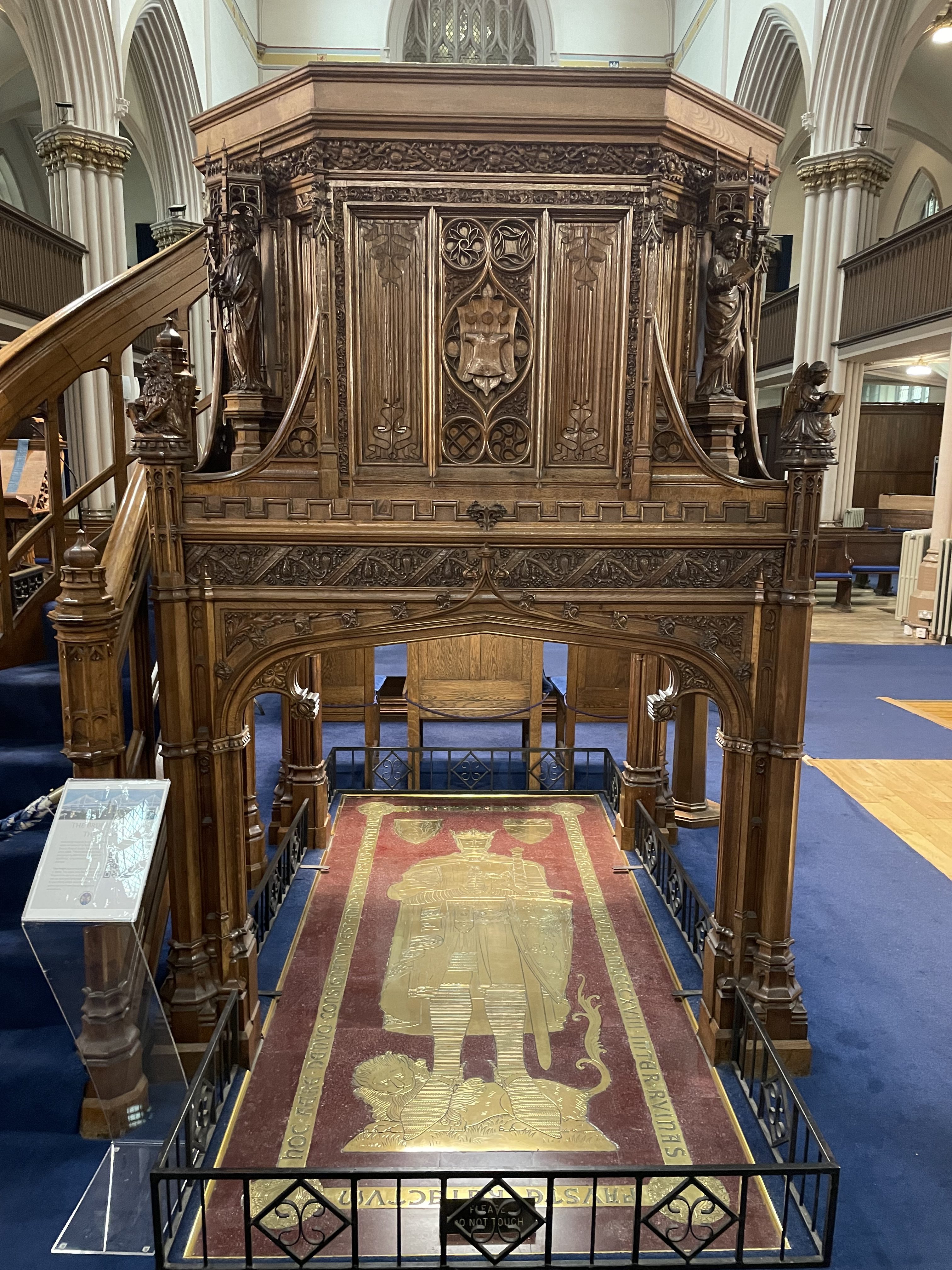 Church of Scotland
The Church of Scotland has asked Historic Environment Scotland (HES) to consider looking after the kirk, which has been described as Scotland’s equivalent of Westminster Abbey.
HES already cares for the surrounding historic abbey complex and the proposal for the church is outlined in a Redevelopment of Dunfermline Abbey report, which was backed by Fife Council’s City of Dunfermline Area Committee.
It sets out an “ambitious” £18m vision to improve and protect the site.
HES is assessing the case and preparing a report to inform the Scottish Government, which makes state care decisions.
If approved, the environment body would assume responsibility for the Abbey Church building alongside its current task of conserving the ruined monastic complex, nave, refectory, chapter house, palace ruins, and grounds.
Parish minister Rev Dr MaryAnn Rennie said: “Dunfermline Abbey has been a home for worship and service for almost a millennium.
“This proposal to move the Abbey Church into state care will help secure its mission and preserve its magnificent built heritage for generations to come.
“However, the current model for looking after the building is unsustainable.”
The Abbey, home to important stained glass by Scottish artists and the Tiffany window commissioned by industrialist Andrew Carnegie, will mark its 900th anniversary in 2028 and the 700th anniversary of Robert the Bruce’s burial takes place the following year.
Under the state care proposal, the congregation would continue to deliver activities in support of the overall vision alongside HES staff and a community group called ‘Friends of Dunfermline Abbey’.
The report notes that the congregation is currently experiencing financial pressures, and a continuation of a ‘business as usual’ approach is not sustainable.
Moving the building into state care has “clear potential to significantly reduce” the burden, it says.
The vision set out in the Dunfermline Abbey Reimagined programme includes new heritage trails and interpretation, new spaces for events, learning and culture and a potential visitor welcome building.
Dr Rennie said: “Our Kirk Session is pleased to be working with the Heart of Dunfermline partnership in shaping this project and is encouraged by the collective intent for an active church community to remain at the heart of the site.
“We are excited by its potential for renewing people’s appreciation of and engagement with the church and abbey.”
David Williams, joint session clerk of the Abbey Church, added: “Dunfermline Abbey holds a special place in the hearts of people across the city and beyond, something that came through very strongly in last year’s public consultation.
“This is a once-in-a-generation opportunity to rethink how people experience Dunfermline Abbey, protecting an extraordinary part of Scotland’s heritage while making much more of its potential as a place for worship, learning, culture and visitors.
“It’s about ensuring this remarkable place remains relevant, accessible and at the heart of Dunfermline for generations to come.”
Follow STV News on WhatsApp
Scan the QR code on your mobile device for all the latest news from around the country