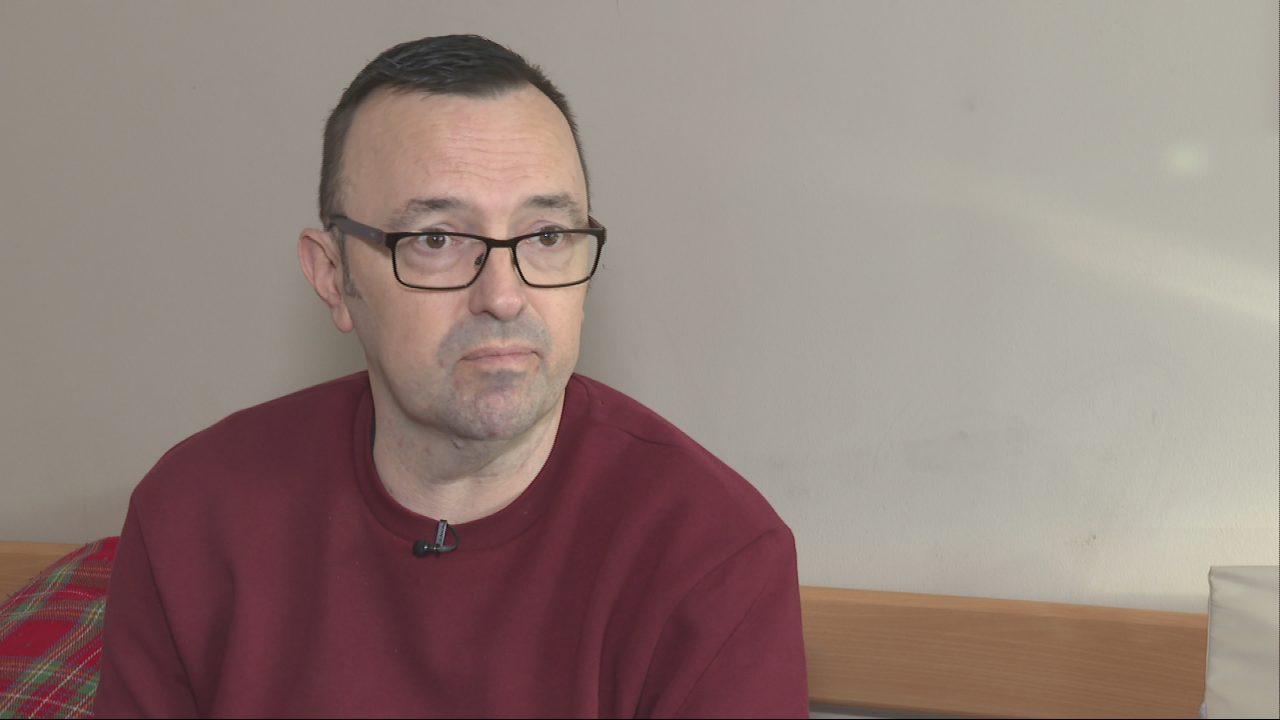
A Livingston dad who got his life back after receiving a kidney has welcomed a new technology network designed to enable more transplant surgeries.
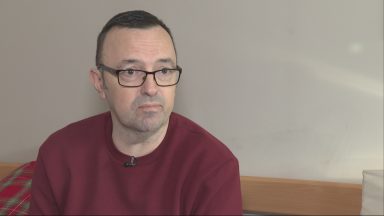
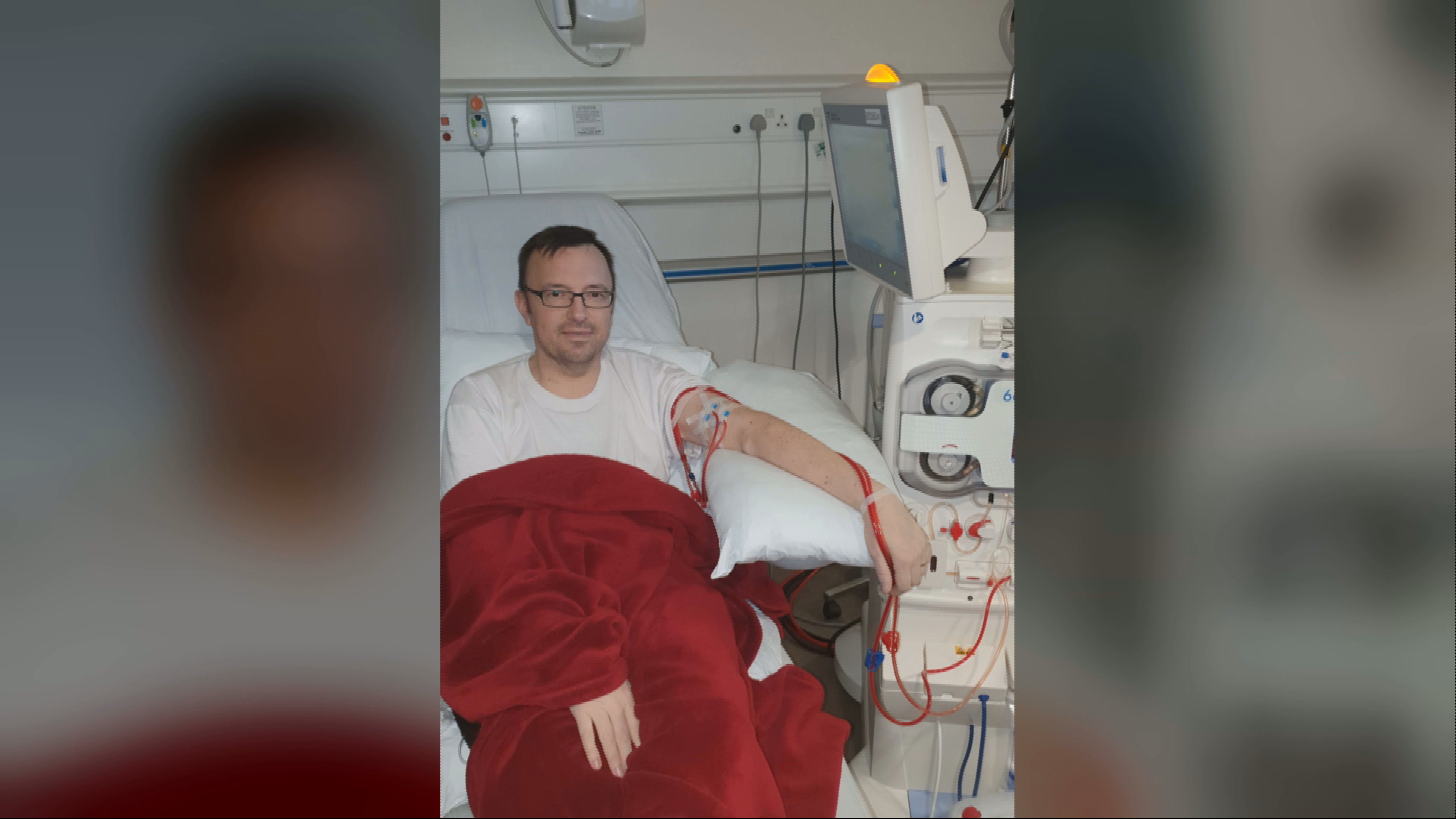
Stuart Rose, 50, spent nearly six years on dialysis after lupus caused his kidneys to fail in 2019.
He is backing a new £5.2m network involving Edinburgh transplant specialists that aims to increase the use of normothermic machine perfusion (NMP), a technique that could allow more donated kidneys to be used for transplant.
Edinburgh clinicians and researchers will join colleagues in Cambridge, London, Oxford and Newcastle in the PERFUSE-UK network, which is funded by Kidney Research UK and the Stoneygate Trust.
The latest NHS figures show almost 500 people in Scotland are waiting for a kidney transplant, a 13% increase on 2024, while six people die every week across the UK waiting for a kidney transplant.
 Stuart Rose
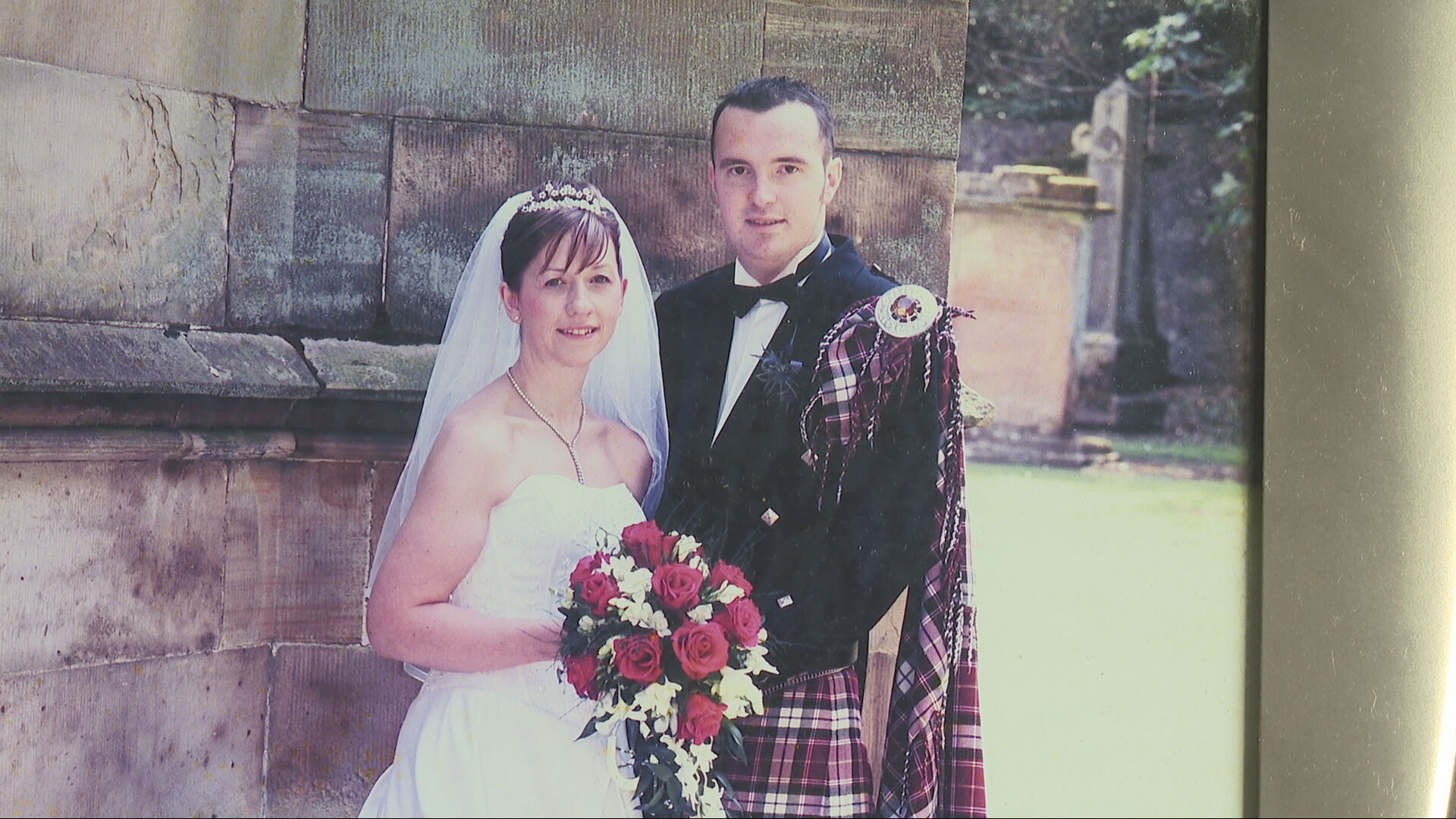
Stuart was diagnosed with lupus, an autoimmune disease attacking his kidneys, in 2003 after he began suffering from severe fluid retention which resulted in swollen fingers, feet, and ankles.
It was kept in remission for 15 years before the condition of his kidneys began deteriorating quickly.
He endured years of treatment, strict limits on travel and the constant anticipation of a phone call that could change his life.
In January 2025, that call finally came.
“It was before 6am – I thought it was my alarm going off, but it was the hospital,” he recalled.
“She asked me to confirm my name and my date of birth.
 Stuart Rose
“Then they said to me, ‘We think we’ve got a kidney for you.’ I haven’t felt anything like it in my life before and I don’t think I ever will.”
His surgery went ahead in the early hours of the following morning. He remembers waking up and being told it had gone well.
“I just started greeting straight away. I still get emotional talking about it.”
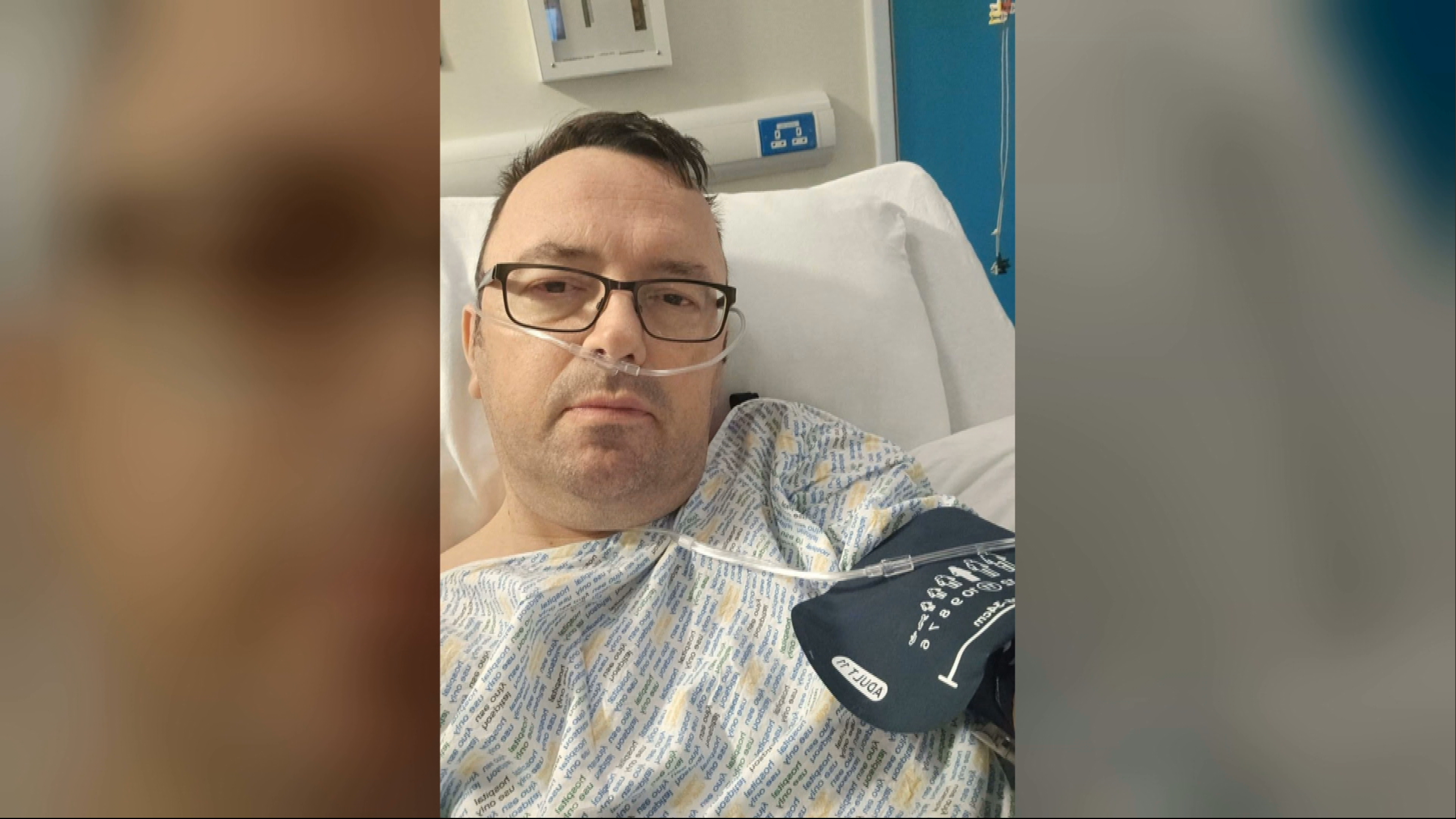
The transplant was not without complications. He spent 13 days in the hospital ward due to delayed graft function, and he was initially unable to pass water.
But Stuart finally left hospital with a functioning kidney in February, gaining a new lease of life.
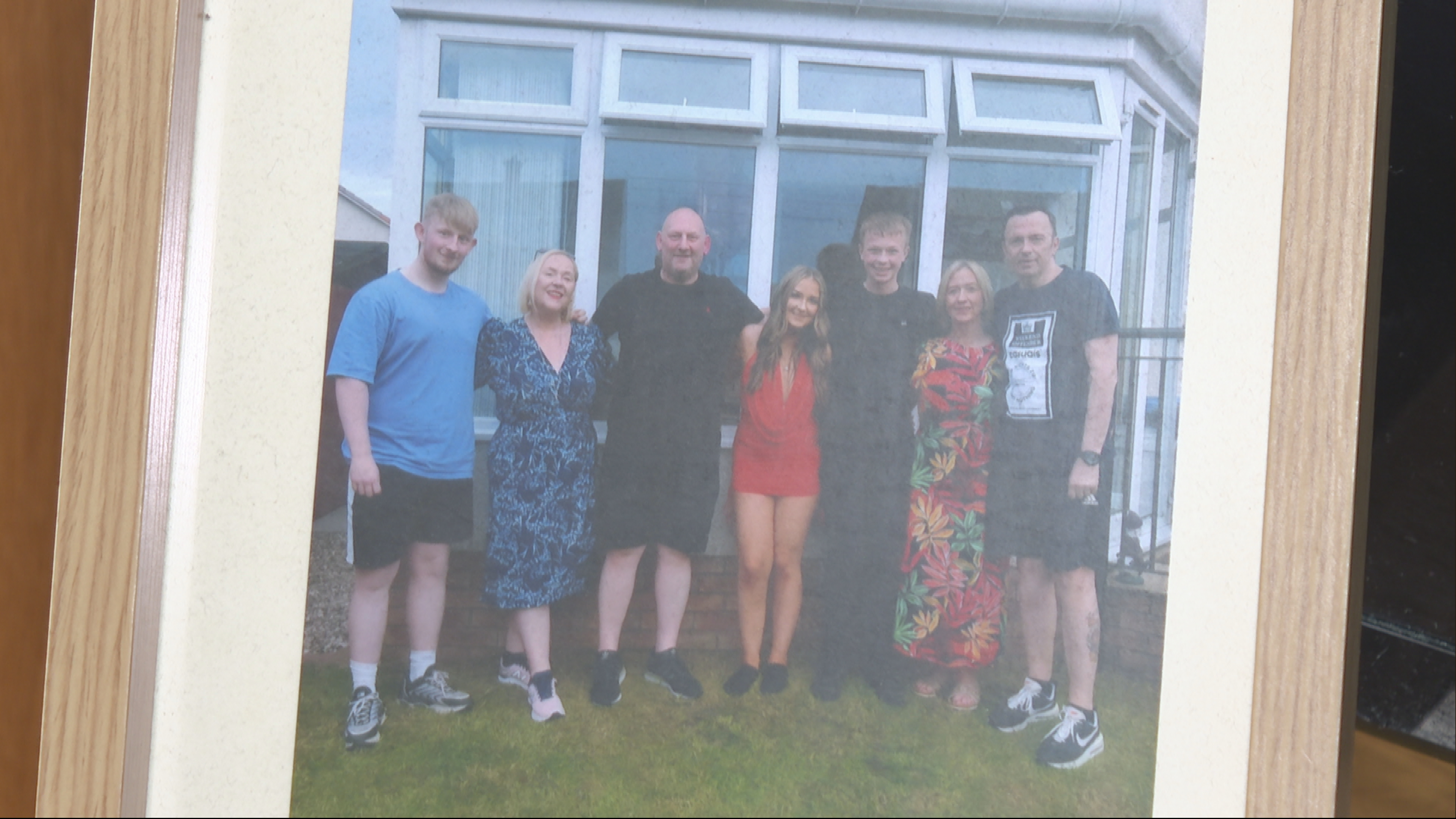
He says the surgery has helped him be a more present dad.
 STV News
“My family is happier. I have the peace of mind that they can look forward to going on holiday and doing things as a family, not having to rush back for dialysis.
“It was my daughter’s 18th that year as well. She was finishing school, coming into important stages in her life, and I was going to be able to be the dad I should be and not have these problems.”
He added: “I just want to see my kids get married. I want to be a grandad.”
The family are looking forward to going on their first long-awaited holiday together next year since Stuart’s transplant.
“We were never able to go on holiday – they just weren’t a possibility when I needed to be attached to a dialysis machine multiple times every week,” he said.
“I’ve been enjoying doing things around the house, doing things together, being able to enjoy life and live a little.
“I take nothing for granted. I still take every day as it comes.”
Stuart hopes the new clinical network could help more patients receive the life-changing call he waited years for.
 STV News
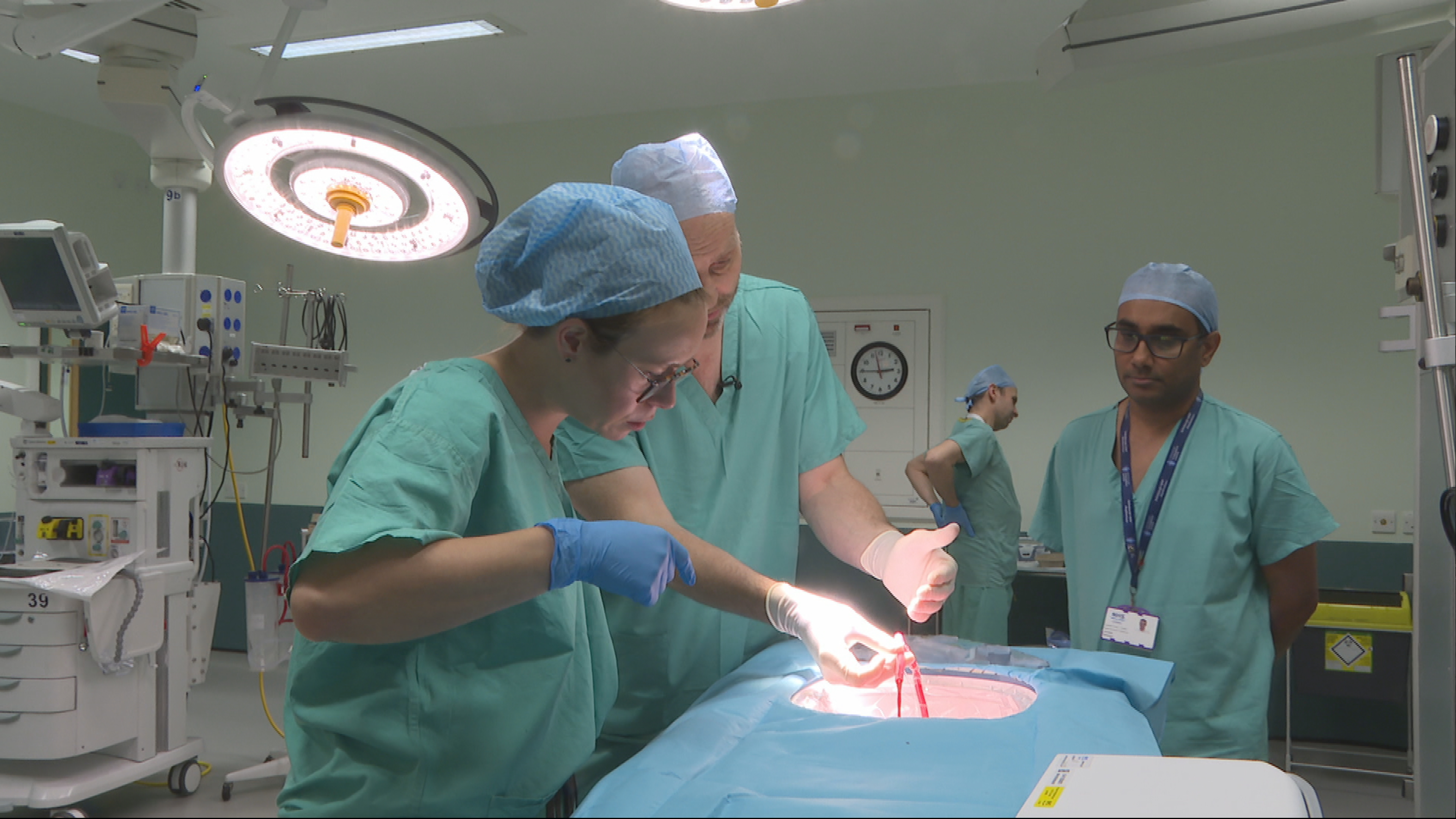
Edinburgh transplant experts will play a key role in PERFUSE-UK, launched to increase the use of technology that gives surgeons vital extra time to check the health of donated kidneys.
NMP enables surgical teams to circulate warmed oxygenated fluid into a donated kidney using a machine pump, preserving it better and giving clinicians more time to assess its suitability for transplant.
Currently, the majority of kidneys from deceased donors are stored and transported via cold storage before being transplanted into recipients. This keeps the kidney alive, but once cut off from blood circulation, it can quickly become damaged.
Every year, more than 300 kidneys from deceased donors are found to be unsuitable for transplant across the UK, but around 80% of these could be healthy enough for perfusion treatment, which could lead to them becoming approved for transplant.
“When I heard about it, it made me happy; it made me smile,” Stuart said. “I’ve seen people who are ill, young and old, people not able to get a transplant. Knowing the doctors and consultants can look at giving someone a wee bit longer, just to give a bit of hope, knowing they might not have to wait as long as they have been waiting.
“It’s a treatment, not a cure, but it hopefully will give people a prolonged life.”
 STV News
Mr Andrew Sutherland, consultant transplant surgeon at the Royal Infirmary of Edinburgh and honorary senior lecturer at the University of Edinburgh, said: “PERFUSE-UK will enable us to bring much-needed innovation to kidney transplantation, supporting more time for decision-making around which organs are used and supporting us to develop new ways to enhance the condition and long-term function of donated kidneys for the future.
“This is an important step forward for the kidney transplant community, but most importantly for our patients.”
He said there are two or three kidneys declined every month due to concerns over quality. This technology could increase the number of usable kidneys.
“The last thing we want to do is transplant a kidney that fails to work. Equally, we don’t want to miss out on a kidney that could take someone off dialysis and give them better health and a better quality of life.”
Stuart, a former executive chef, hopes to soon return to work.
But whatever happens, he says he will live his life to the fullest.
“I’ve got this new hunger and desire to do something else. I’m in no rush to try anything yet. I’m a firm believer that if it’s right, it’ll come along.
“Whether I get two years, five years, ten years, I’ll make the most of what I’ve been given. I’ve been given a second chance.
“I want to do my donor and my donor’s family proud. We will be forever grateful.”
Follow STV News on WhatsApp
Scan the QR code on your mobile device for all the latest news from around the country