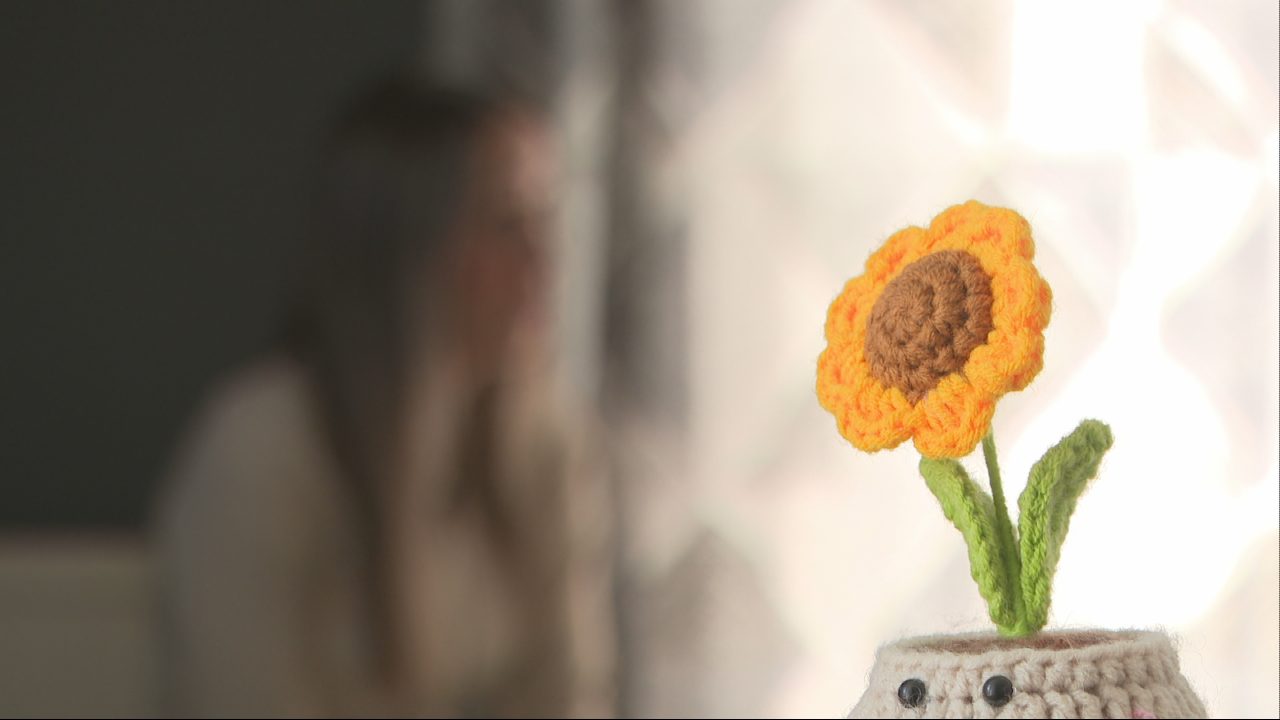
A Fife mum whose husband left their lives “in tatters” after being charged with possessing child abuse images says she will do everything in her power to stop him having contact with their children.
The woman, whom STV News is calling Helen, is among a growing group of mums calling for changes to family law in Scotland, warning that convicted child sex offenders can still seek contact with their own children and force families through lengthy court battles.
Campaigners say the system is being used by abusers to cause further distress and does not always put children’s welfare first.
A letter backed by families and charities was sent to the Scottish Government on Thursday, calling for reform.
‘I never knew him as a person’
 Adobe Stock
When Helen’s husband was caught after viewing indecent images of children at their home in Fife last December, her family’s lives changed forever.
The mum-of-two recalled the moment police arrived at their door, informing her they had a search warrant for their home after their address was flagged.
She initially believed it had been a mistake.
“It was like a bomb had gone off in the house and our lives,” she told STV News.
“I wouldn’t wish it on anybody.”
While Helen was permitted to take her children to school and nursery, she was asked to leave her phone behind as the police began seizing devices for inspection.
“An officer there made it very clear that they were there for my ex-husband. She said such things as, ‘We’re only here for one person, we’re happy if you want to go elsewhere.'”
Hours later, Helen’s husband was arrested and charged with possessing indecent images of children. She was later informed the images were of children between three to 13.
“It was then I realised it wasn’t a mistake. He had been actively viewing this material with two young children in the house, the same age.
“It was like I’d never known him as a person, as a father.
“I was given a leaflet for a charity, and they left, and I had to go to my child’s nativity straight after.”
Helen said she felt blindsided after discovering her children’s school, nursery and family GP had been informed before she was aware of the allegations.
“I really did feel like the last person that knew this was going on,” she said.
Helen says she was also struck by the lack of support available to partners of offenders and has been forced to seek out her own counselling and pay for legal advice.
“That was actually one of the things I found most shocking. I’m actually not classed as a victim, and my children aren’t classed as victims. We’re not given any further information as it could prejudice his case.”
 STV News
Helen’s ex-husband is awaiting sentencing, and he is not allowed to approach anyone under 16.
He is permitted supervised contact with his two children, though Helen is allowed to refuse.
Despite that, his parental rights and responsibilities are not automatically removed.
If he takes court action to have contact with his children, Helen would be forced to act.
“You’re asking me to supervise my children with somebody who viewed indecent images of children and left our lives in tatters.
“The assumption the general public makes is that when this happens, their rights are restricted, but that’s not the case. Perpetrators have the exact same legal footing as a non-offending parent.
“It’s a terrifying situation to be in. We’re all suffering in silence and absolutely broken by a system that should be protecting us automatically.
“It makes no sense whatsoever to anybody that this is the law – and it’s up to me to fight to stop that.”
Helen is among a number of women caught up in these battles who have united to push for change.
A letter to the Justice Secretary accuses Scotland’s legal system of “failing children and survivors” and calls for reforms that “prioritise the safety, welfare and best interests of children”.
Scottish Women’s Aid is among those who have signed the letter.
Chief executive Dr Marsha Scott said: “There are still assumptions around contact that don’t make sense.
“There is an obligation on those who make those decisions, mostly sheriffs or the Children’s Hearings System, who decide that child contact should go ahead. Unfortunately, they often have a really flawed understanding of the dangers that child contact can bring.
“We have all these mechanisms where the risk to children in our systems is flagged up as a top priority. Then, you walk into a contact hearing, and suddenly nobody is applying the same principles of child protection to those decisions that they would in any other setting.”
She said they have heard of “extraordinary” decisions being made in court.
“For example, a case of two siblings, one from a marriage and another from a different relationship. An abuse conviction can lead to contact being restricted with one child but not the other, simply because they are from different relationships.”
 STV News
The UK Government recently passed a law that means there is no parental presumption of contact for someone who is convicted of child sex offences in England and Wales.
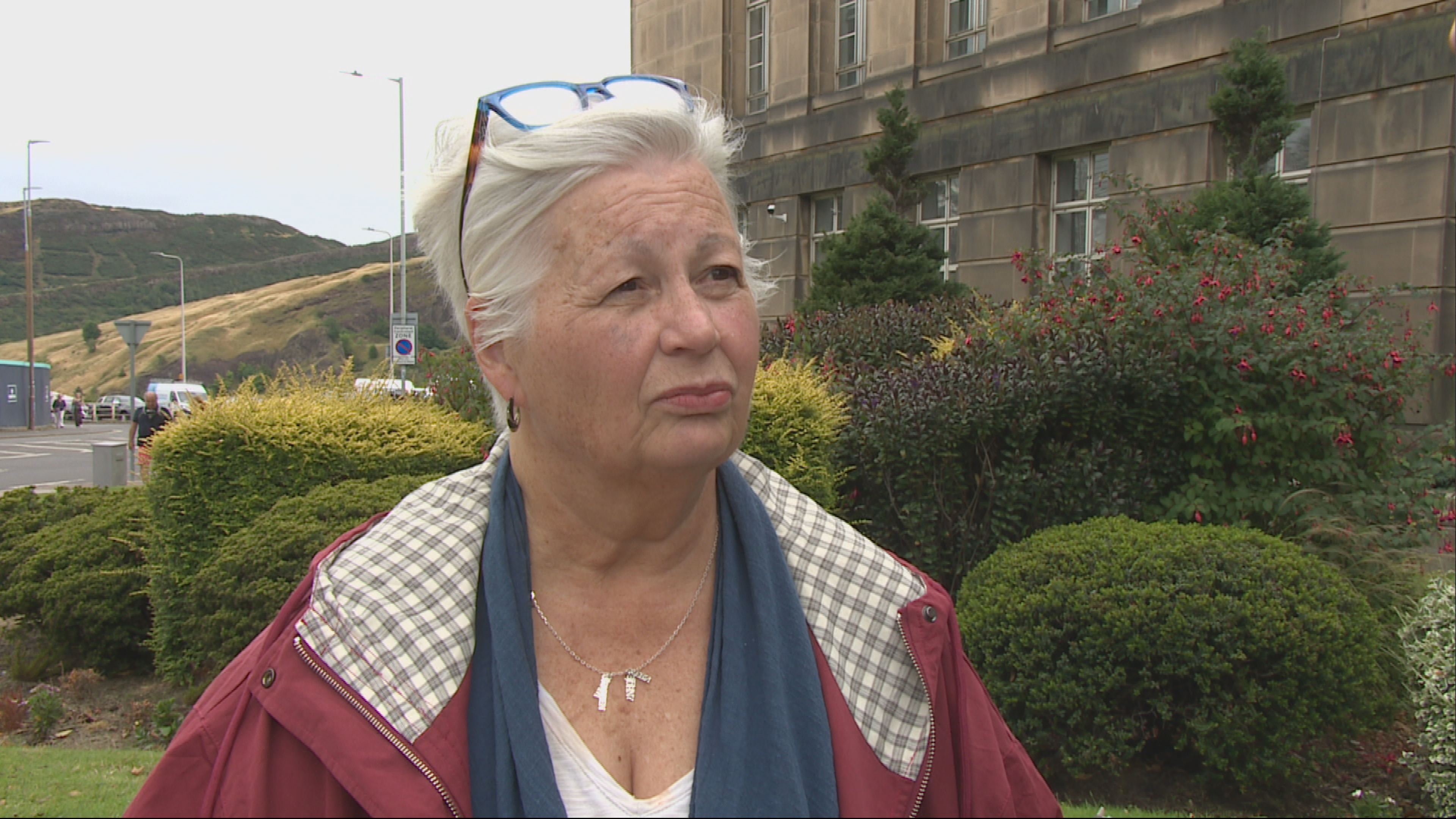
MP Graeme Downie, who has raised the issue with the Scottish Government, says the current framework places an unfair burden on parents seeking to protect their children.
“This campaign started with one brave constituent here in Dunfermline protecting her child from a former partner responsible for a serious sexual offence. That partner maintains rights of access to his own child, even though the court had removed rights for him being near any other children.
“It’s causing misery to families and potentially putting a lot of children at risk. What is the best thing for that child? The burden of proof should fall on the person convicted of a serious sexual offence, whether they should be in contact with their own children, rather than being on the innocent party.
“It should come back to what is the right thing for children. Children shouldn’t be punished or put at risk because of the actions of others.”
Justice Secretary Neil Gray said: “Cases like these are deeply distressing and, in many situations, it may be in a child’s best interests for a convicted parent not to hold parental rights and responsibilities.
“The Scottish legal system is supported by robust child protection processes involving social work, police and other agencies. Decisions of this nature are made by the civil courts, which consider the full circumstances of each case and where the child’s welfare is the paramount consideration.
“In Scotland, any person with parental responsibilities and rights can have some or all of them removed by the civil courts, and any person who claims an interest in the child can make such an application. We keep the law under review, including how protections may be further strengthened.”
Follow STV News on WhatsApp
Scan the QR code on your mobile device for all the latest news from around the country