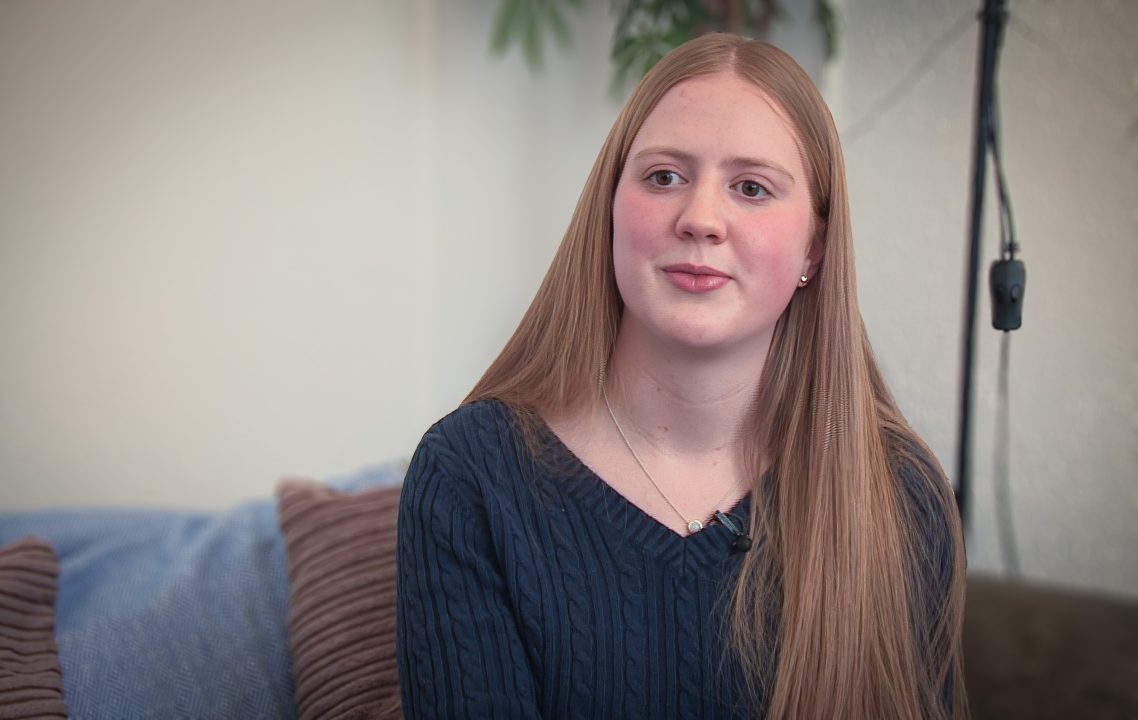
A student with a rare condition that can cause blindness is calling for GPs to use a checklist to help connect symptoms and save sight.
When Amelia Aves was diagnosed with Stickler Syndrome at just two years old in 2006, it provided long‑awaited answers for her family.
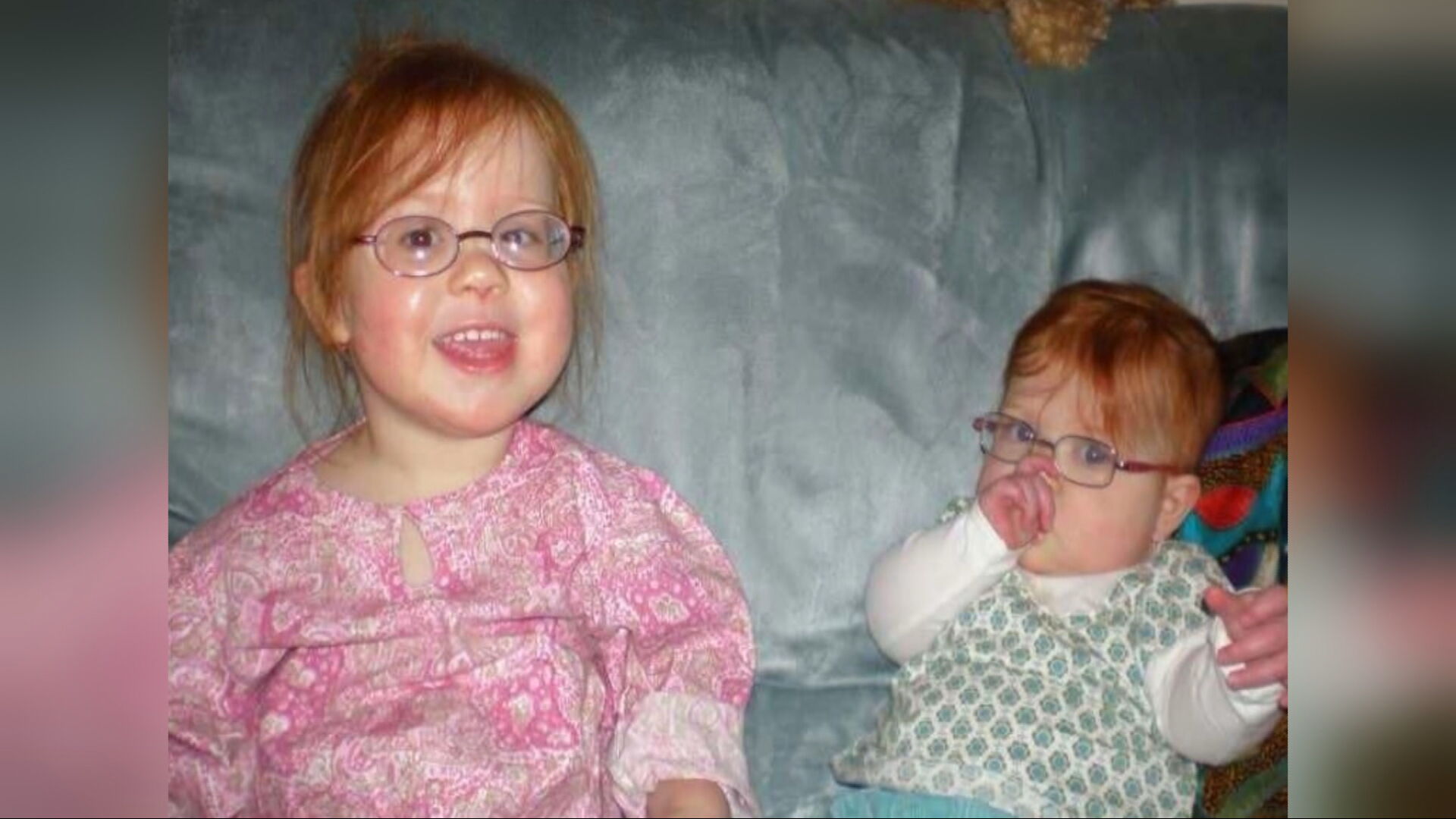
The University of Edinburgh medical student, born with a cleft palate, was very short-sighted and failed a hearing test – common early indicators of Stickler Syndrome, a rare genetic connective tissue disorder that can affect vision, hearing, joints and facial development.
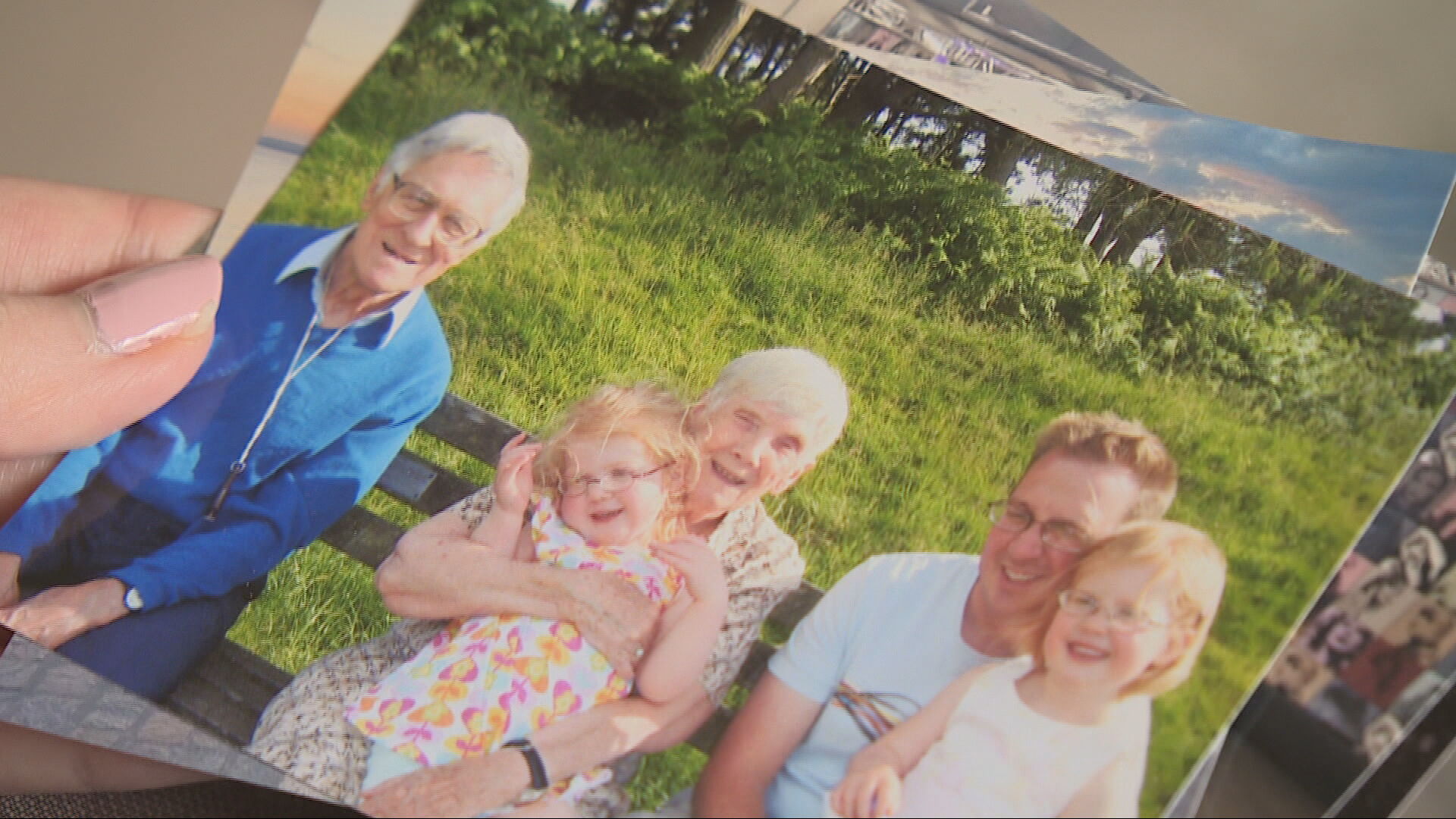
Similar issues affected other members of her family, including her dad and her late grandmother, though for many years there was no single diagnosis to explain them.
It was not until Amelia was referred to a geneticist in London that it emerged she, her younger sister, her dad and her gran all had the condition.
 STV News
Amelia, 21, told STV News: “Unless you know about Stickler, it’s very difficult to join the dots – especially when people present with hearing problems and vision difficulties.”
Stickler Syndrome affects around one in 5,000 to 10,000 people. One of its most serious complications is retinal detachment, which can lead to permanent blindness if not treated.
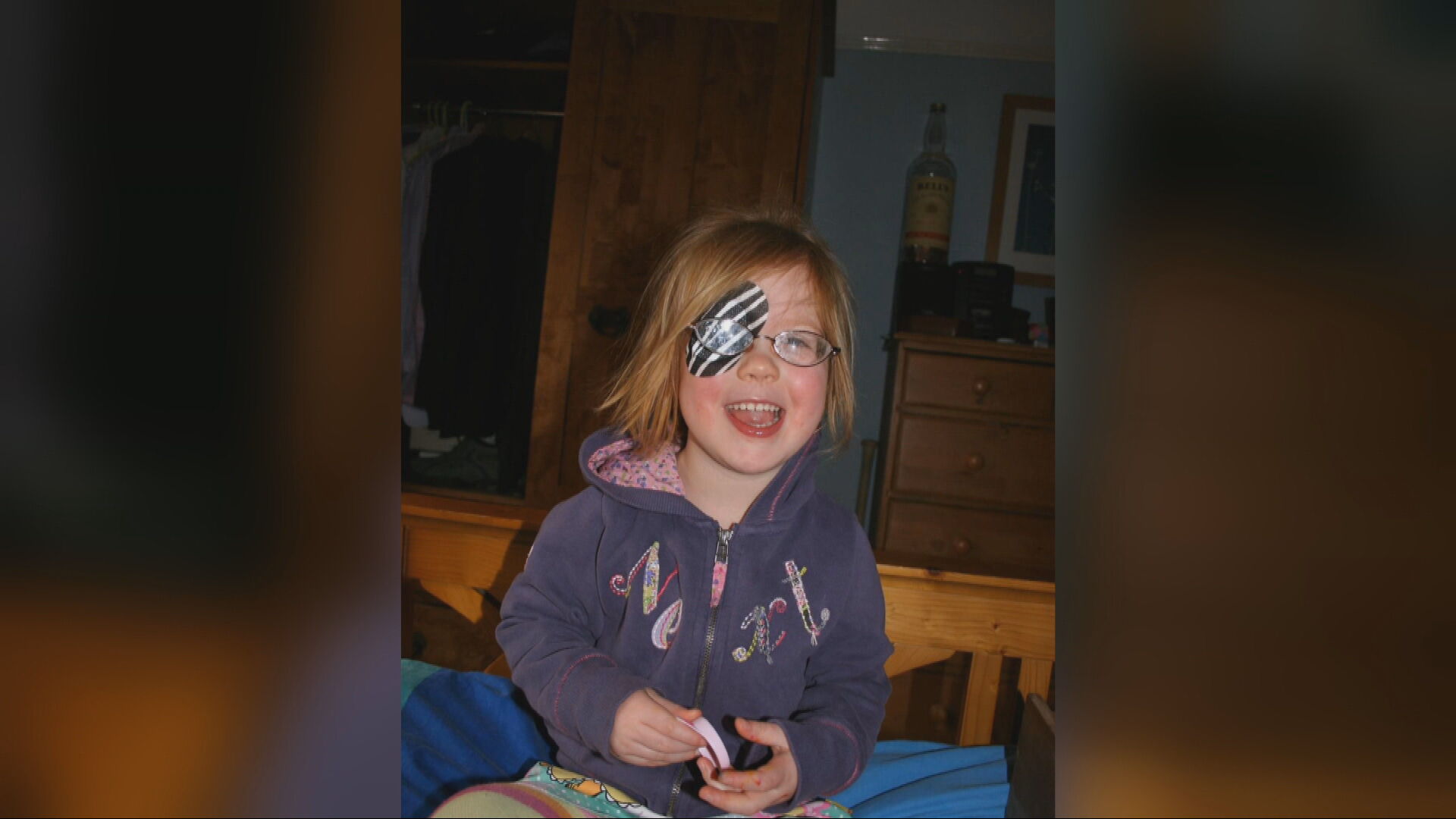
Amelia underwent preventative retinal cryotherapy at Addenbrooke’s Hospital in 2008 along with her dad and sister. The procedure helps secure the retina and significantly reduces the risk of detachment. She later had further eye surgery aged 11.
Her gran, whose diagnosis had come too late, became completely blind – losing sight in one eye in her teens and the other in her early forties. Amelia’s dad has experienced retinal detachments over the years, but they were treated successfully.
Because Amelia and her sister were diagnosed young, neither has had serious sight loss.
 Amelia Aves
She said: “Having seen my gran go blind and having issues with my own sight, I didn’t think something could happen to me and my children. The idea of the three of us being high risk is really scary.
“I was quite lucky I had urgent surgery at an age where I didn’t think that much. Such a small thing in comparison to what my gran had to go through. It’s such a small price to pay.”
Amelia wears glasses or contact lenses and attends regular check‑ups at a highly specialised service.
She added: “Surgery doesn’t completely eliminate the risk of retinal detachment but massively reduces it. We have check‑ups to make sure nothing happens.”
Other symptoms of Stickler Syndrome can include joint problems, early‑onset arthritis and hearing difficulties, which Amelia says her medical team continues to monitor.
Her experience growing up with the condition helped shape her ambition to study medicine. She is now in her third year at the University of Edinburgh and is currently undertaking an intercalated biomedical science degree.
Her own health journey inspired her ambition to study medicine, focusing her dissertation on how the age of Stickler syndrome diagnosis affects patients and families.
She said: “Growing up with Stickler led to lots of hospital appointments and really positive interactions with doctors. That was part of what inspired me to study medicine.”
 Amelia Aves
Amelia is now working with Stickler Syndrome UK to campaign for improved awareness among both the public and medical professionals. The charity’s Join the Dots campaign focuses on a 13‑question symptom checklist designed to help GPs identify patients who may need specialist referral.
She said: “There are so many medical conditions doctors have to learn. We don’t expect them to know absolutely everything, but it’s about referring patients to highly specialised services and the website.
“It’s often identified a bit too late, which is why it’s important to raise awareness.
“There are a lot of people who only find out at the point of retinal detachment. For a lot of people, that makes the blindness irreversible.
“It’s a horrific thing to find out a condition could have been picked up, and that’s the reason you become blind.”
Follow STV News on WhatsApp
Scan the QR code on your mobile device for all the latest news from around the country