Plans to introduce floating bus stops in the streets of Edinburgh are putting people with sight loss in “severe danger,” a charity has warned.
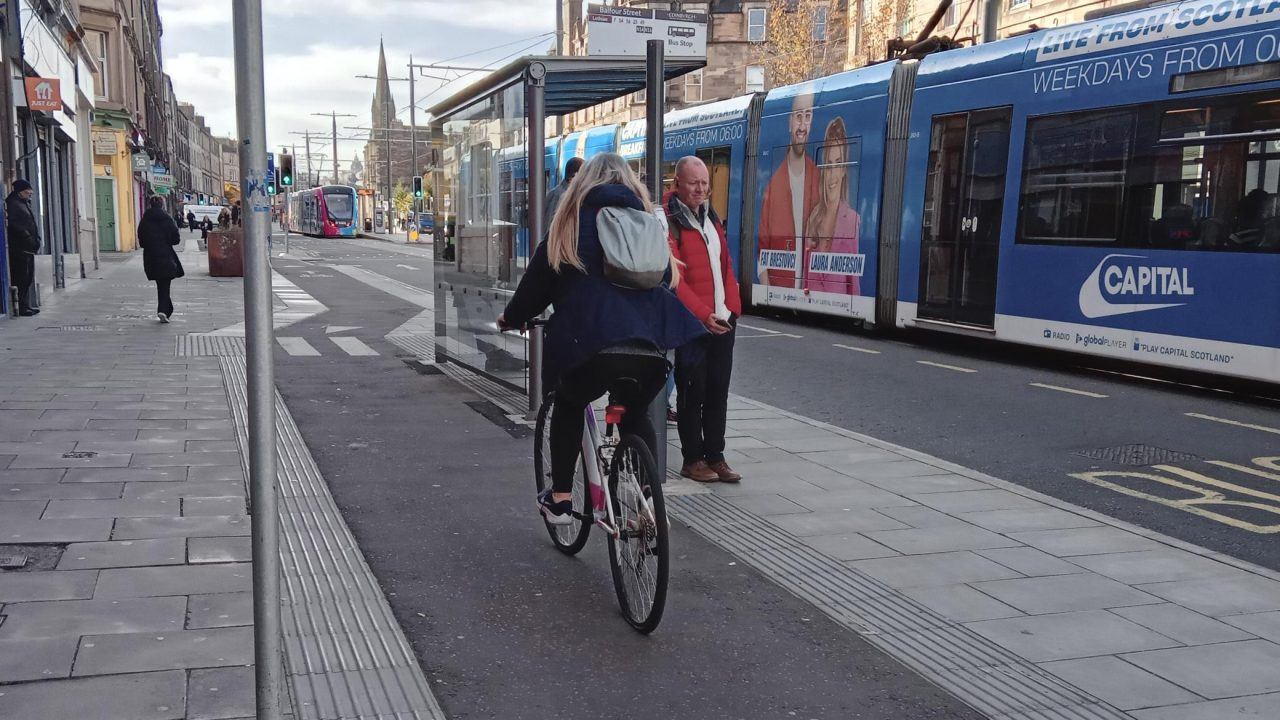
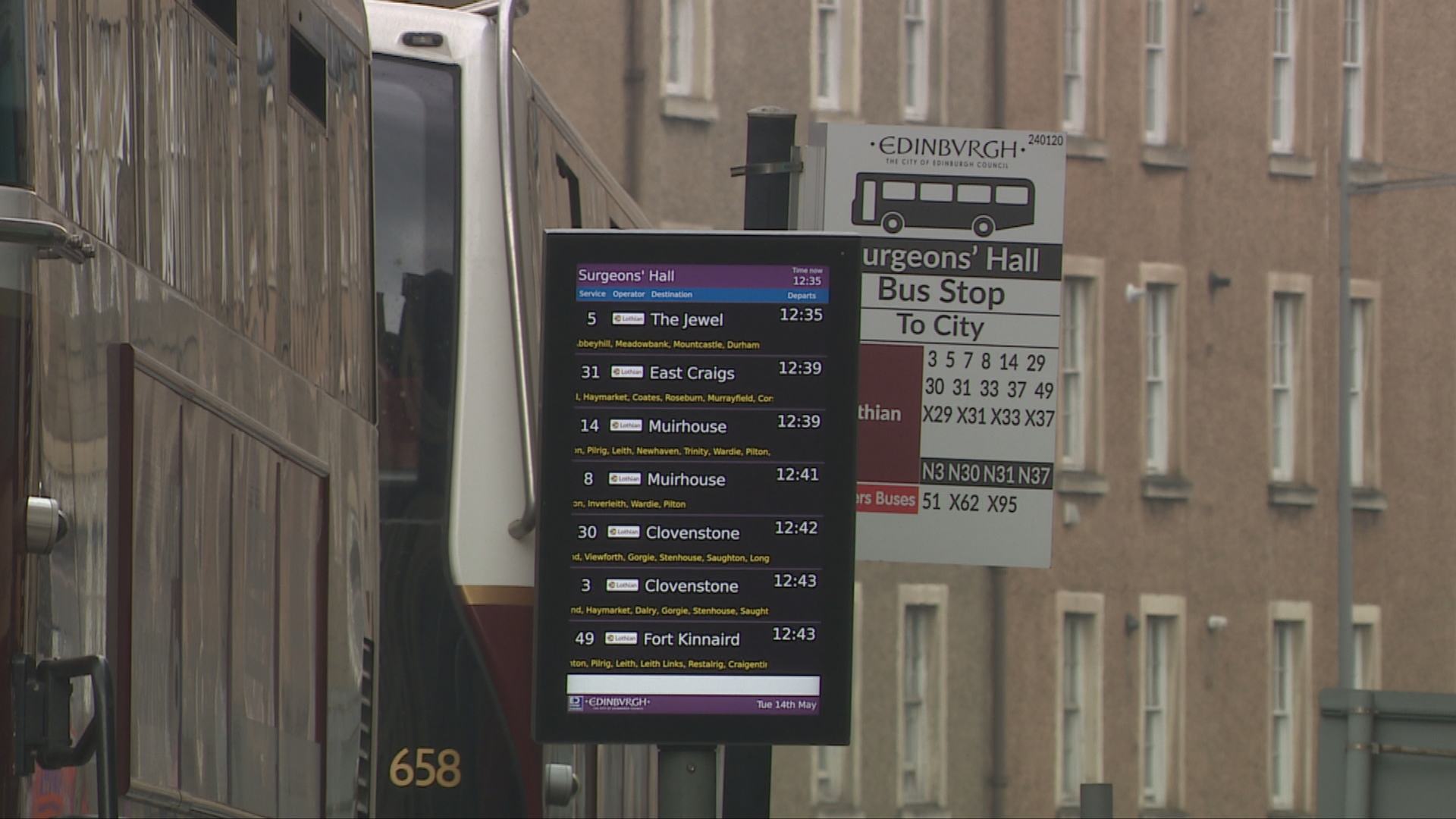
A floating bus stop has a cycle lane between the stop and the kerb, intended to allow bus passengers to get on and off safely while cyclists continue moving without entering the main traffic lane.
Nine are to be installed in Fountainbridge and Dundee Street in the Capital.
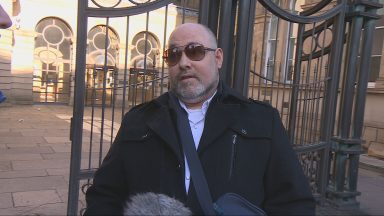
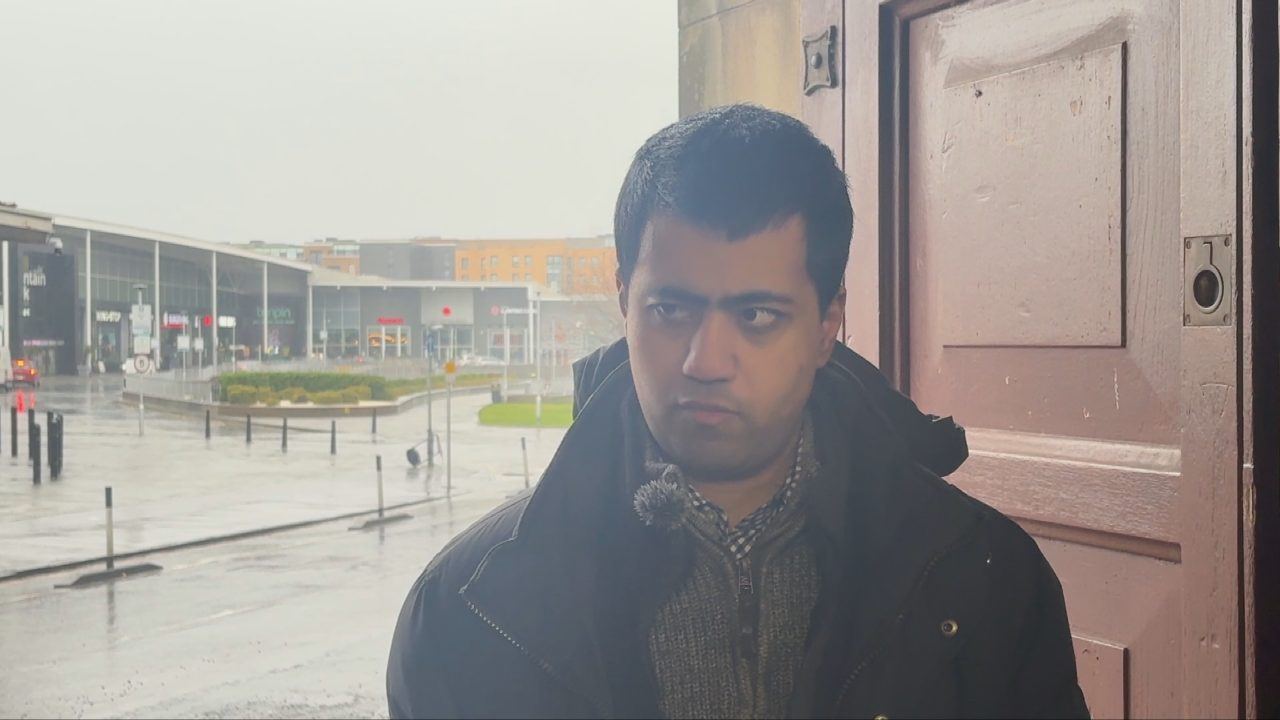
For Bilal Iqbal, who has a visual impairment, navigating Edinburgh’s streets already has enough challenges.
He said: “I think the issues are when you cross over a cycle lane, and there’s no tactile paving. It’s a real challenge for the visually impaired. It takes away their confidence.
“The council are not considering those with visual impairments or any other disability, people in wheelchairs or people with hearing impairment. It’s absolutely shocking.”
The charity Sight Scotland is calling for the introduction of such measures to be halted until they can be made safe for everyone.
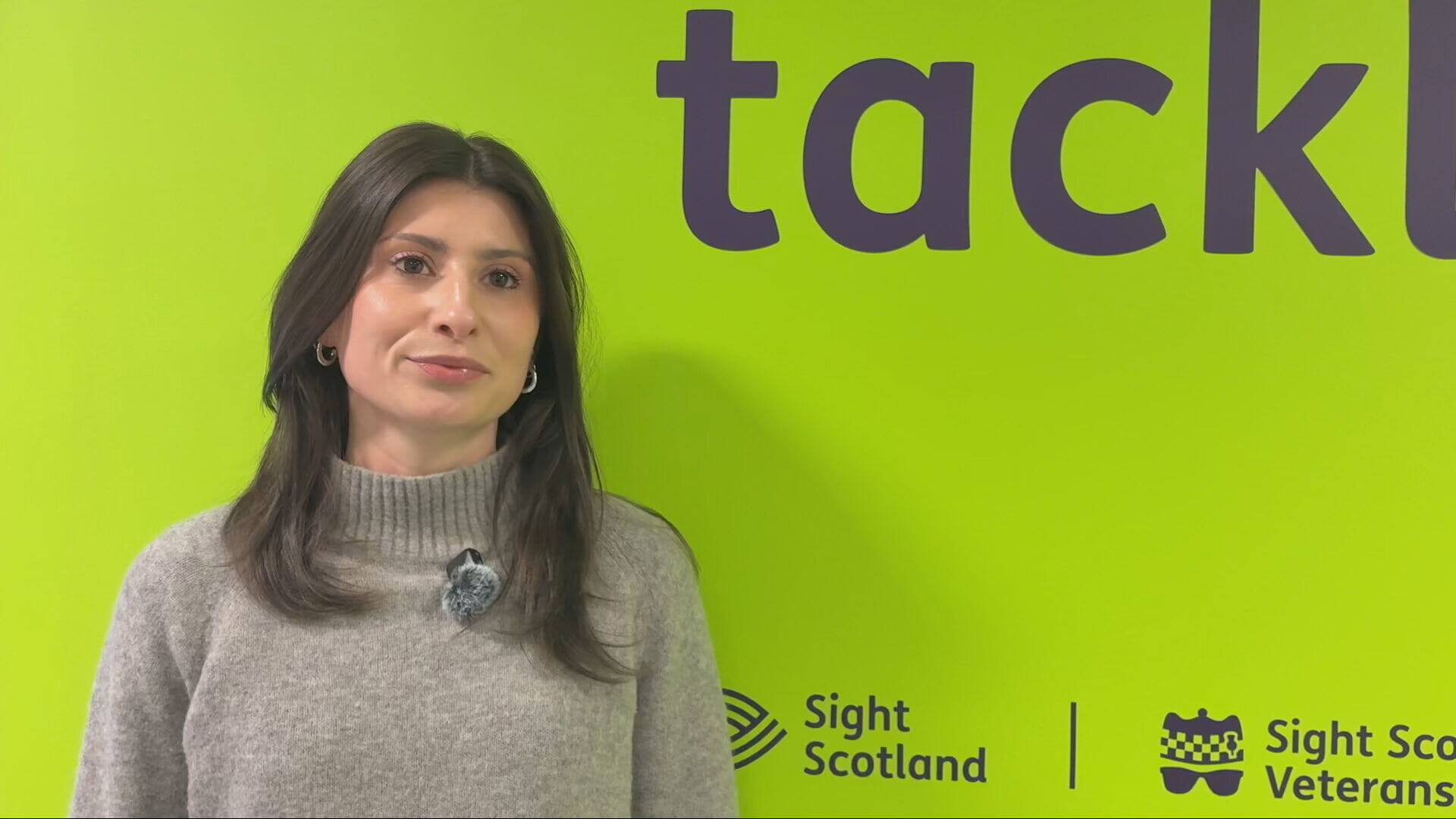
The charity’s policy and engagement manager, Nicoletta Primo, said: “For people with visual impairments navigating these it’s quite frankly impossible, it’s life-threatening and dangerous.
“It requires someone to cross an active cycle lane – with no tactile markers or cross-box to determine when and where they can cross safely – in order just to get on a bus. It’s excluding people; they’re not feeling confident and safe while out and about.
“People feel really nervous just to get on public transport. It’s putting people off from even trying.”
The City of Edinburgh Council has faced criticism in the past for the use of floating bus stops – Leith Walk being a prime example.
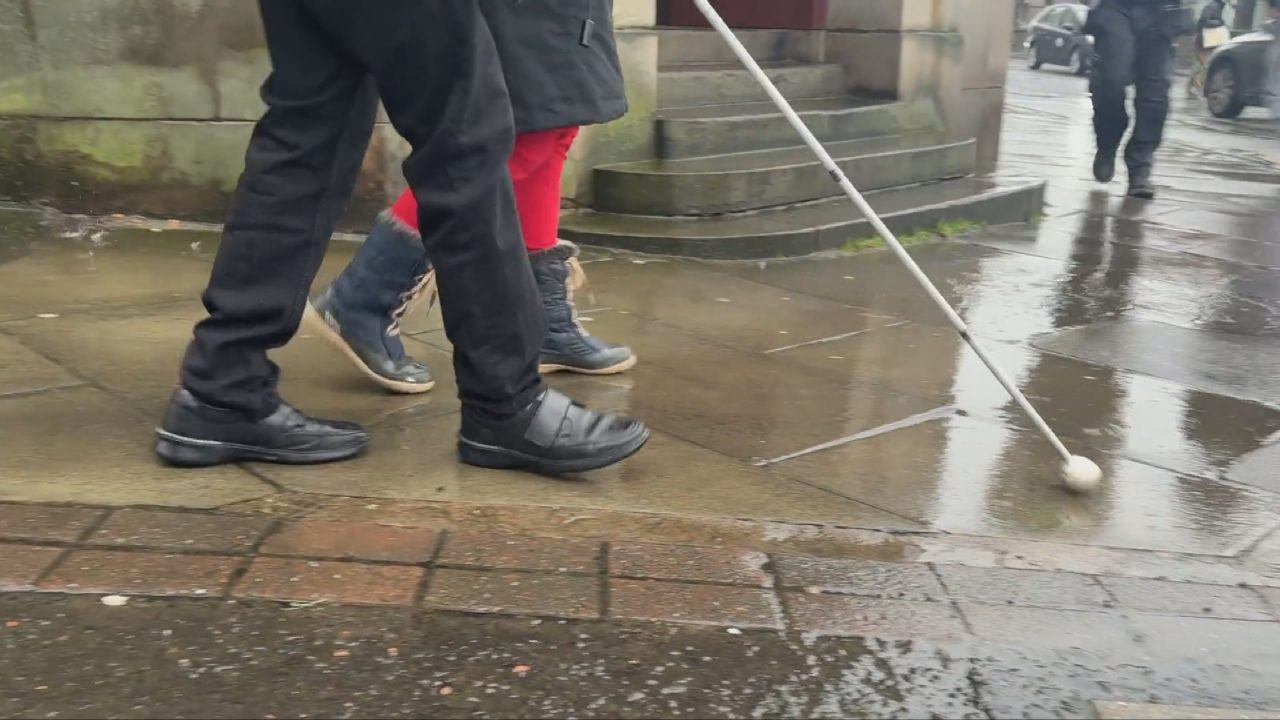
The third sector says designs have had a massive impact.
Visual rehabilitation specialist Caroline Headley warns it will turn parts of the city into “no-go areas” for people with sight loss.
She said infrastructure is creating barriers for the community.
“It is so unbelievably frustrating. Our clients rely on public transport,” she said.
“While the goal is to enable people to be more independent, it means that some people in certain areas lose confidence to go out and do things we take for granted, like going to the local shop. That will impact their mobility and their options.
 STV News
“The infrastructure around active travel – specifically the infrastructure that promotes cycling – creates barriers for our client group. Creating floating bus stops, where there is a cycle lane in front, means someone then has to know there is a cycle path there.
“If there is no tactile paving, they need to find a way to cross that to get to the bus.
“Our clients rely on public transport. These designs make certain areas of the city ‘no-go areas.’ It is very alarming to think that there is something similar introduced in the Fountainbridge area.”
A council spokesperson said the local authority is grateful for Sight Scotland sharing their concerns – and will use their feedback as design and delivery progress.
They add that evidence suggests conflict between cyclists and pedestrians in areas like Leith is very low, and the bus stops, when designed well, have a place in the city.
 STV News
Transport and Environment convener, councillor Stephen Jenkinson said: “Safety is an issue we take incredibly seriously. Under the Edinburgh Street Design Guidance, we have specific guidelines in place for how we can safely implement floating bus stops.
“From monitoring at existing sites such as Leith Walk and along the City Centre West to East Link (CCWEL), the evidence suggests that conflict between cyclists and pedestrians is very low.
“A recent study by Living Streets UK also concluded that these types of bus stops, when designed well, have a place in our cities.
“We’re determined to make this new scheme work well for all road users, with pedestrians remaining at the top of the transport hierarchy.
“This project is one of several in the city that aim to create safer, more attractive streets for everyone, alongside liveable neighbourhoods for residents, and improved connections to the wider active travel network to support healthy, safe, and sustainable journey options.
“As the project progresses to detailed design and delivery, we’ll use the input of Sight Scotland, key stakeholders and the feedback on our recent consultation to inform that work.”
Follow STV News on WhatsApp
Scan the QR code on your mobile device for all the latest news from around the country